Peppermint tea has been touted across sites and wellness blogs as a simple, soothing beverage with a laundry list of health perks. But before you start brewing a daily cup with sky‑high expectations, it’s important to separate hype from reality. While peppermint tea can be refreshing and enjoyable, not all of its supposed benefits are backed by strong evidence, and some effects are modest at best. Here’s an in‑depth look at ten points to help you understand what peppermint tea might not do for you and what it actually does well in clear, expanded detail.
Don’t Expect Significant Digestive Healing
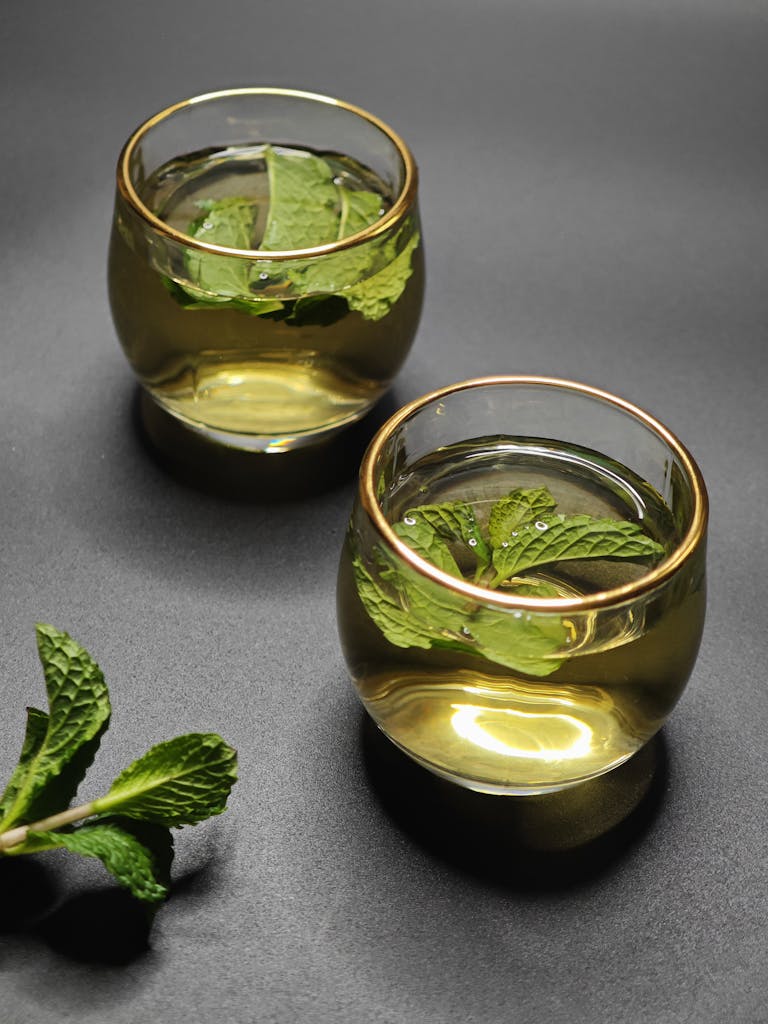
One of the most common claims about peppermint tea is that it heals stomach and gut issues, from bloating to indigestion to IBS symptoms. What’s tricky is that most of the scientific evidence comes from peppermint oil, not the tea itself. Peppermint oil has been shown to relax the muscles of the digestive tract and reduce spasms, thereby easing discomfort. But peppermint tea delivers a much weaker dose of these active compounds, and studies specifically on the tea’s digestive effect are limited. So while sipping peppermint tea after a meal might feel comforting, it’s not a reliable treatment for serious digestive disorders.
Headache Relief Is Not Guaranteed
Menthol, the cooling compound in peppermint, does have pain‑relieving properties in some contexts. Certain topical applications of peppermint oil have been found to help relieve tension headaches and even some migraines. However, those effects come from concentrated oils applied directly to the skin, not from drinking a cup of tea. Your peppermint tea’s minty aroma and warmth might help you relax or feel calmer, but it usually won’t deliver the concentrated menthol your body needs to meaningfully reduce headache pain.
Fresh Breath Benefits Are Overstated

Mint is a classic flavor for toothpaste and mouthwash for a reason: it can mask bad breath by leaving behind a fresh scent. Some antibacterial properties have also been linked to peppermint compounds in lab studies. But drinking peppermint tea does not instantly kill oral bacteria or replace the mechanical cleaning action of brushing and flossing. Peppermint tea may temporarily make your breath smell fresher, but it’s not a substitute for oral hygiene practices that actively remove plaque and bacteria from your teeth and gums.
Sinus and Congestion Relief Is Mild
People often sip peppermint tea when they have a cold or stuffy nose because the menthol smell feels like it clears the sinuses. While warm liquids can soothe a sore throat and the steam can open nasal passages slightly, real congestion relief comes from decongestants or steam inhalation with actual menthol vapor. The menthol concentration in a typical cup of tea is quite low and unlikely to significantly reduce sinus swelling or infection.
Energy Boosts Are Subtle Compared to Coffee
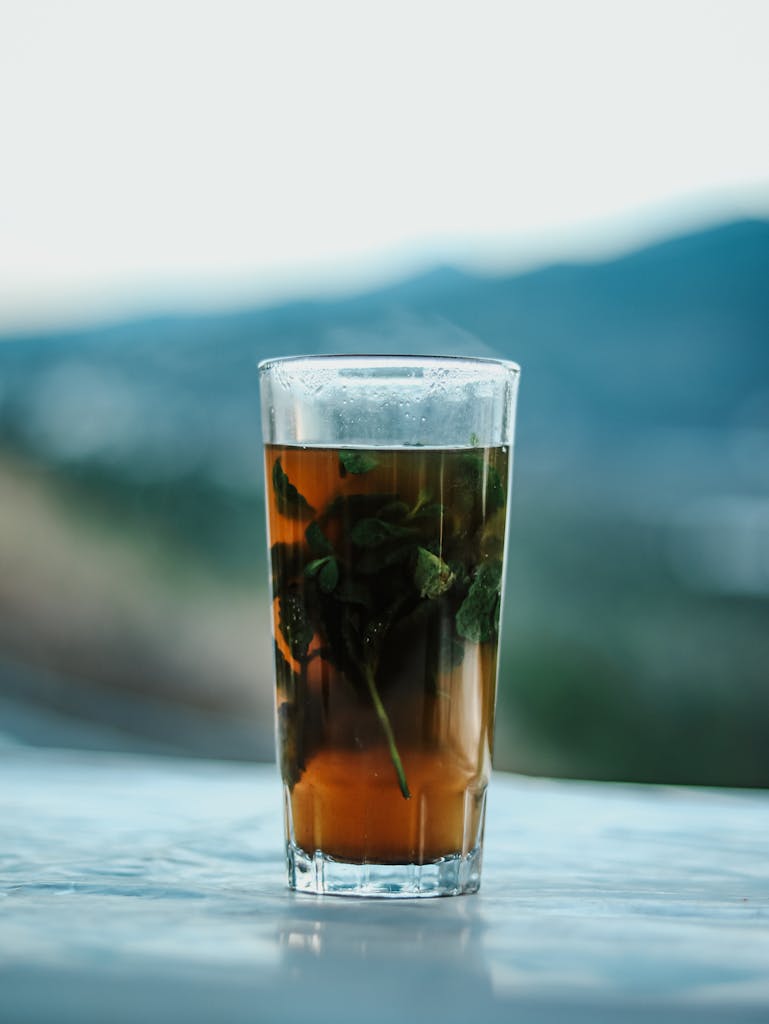
Peppermint tea is naturally caffeine‑free, which might sound like a perk, especially if you’re sensitive to caffeine. But don’t expect it to perform like coffee or energy drinks. Some small studies hint that peppermint aroma or very small doses of peppermint compounds might improve alertness or reduce feelings of mental fatigue, but these findings are preliminary and limited. If you’re looking for a noticeable energy boost, peppermint tea probably won’t give you the same buzz as a caffeinated beverage.
Weight Loss Claims Lack Strong Evidence
You’ll see some claims that peppermint tea helps with weight loss because it’s calorie‑free and may curb appetite. While it’s true that peppermint tea has virtually no calories, which makes it a better choice than sugary drinks, there’s limited evidence that it directly affects appetite or weight. Any minor appetite suppression people experience is likely due to the act of drinking a flavored beverage and feeling temporarily full, not a metabolic boost from the tea itself.
It Isn’t a Proven Remedy for Menstrual Pain
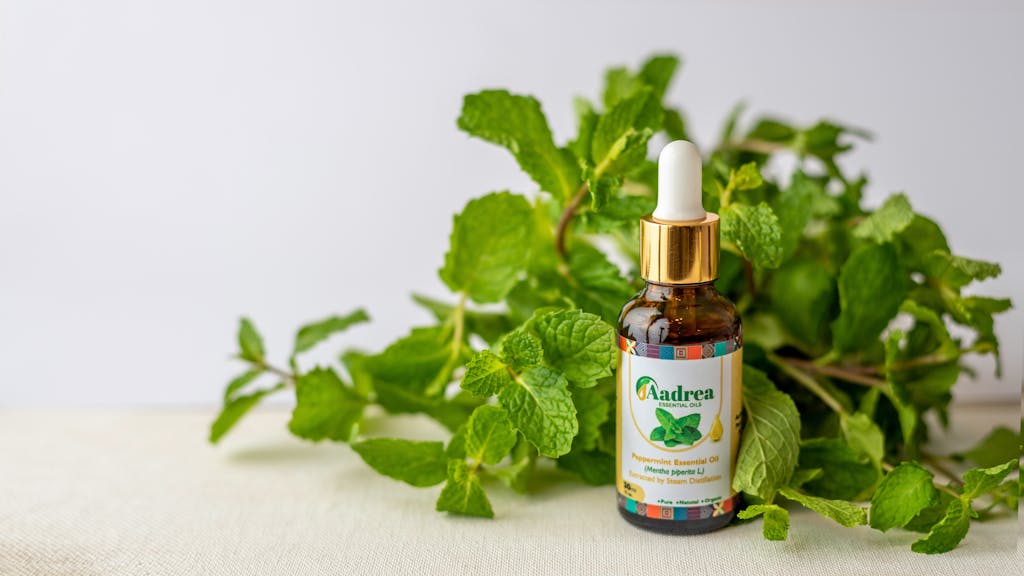
Another popular belief is that peppermint tea can ease menstrual cramps. While peppermint compounds do have muscle‑relaxing effects in some contexts, again, this is mostly seen with stronger peppermint oil extracts, not tea. Drinking peppermint tea might help you relax a little or distract from discomfort, but it shouldn’t be relied on as a primary method to alleviate menstrual pain compared to proven treatments like heat therapy, proper hydration, or doctor‑approved pain relievers.
Allergy Relief From Peppermint Tea Is Not Reliable
Some compounds in peppermint plants, including rosmarinic acid, have been studied for their potential to reduce allergic symptoms such as runny noses and itchy eyes. But these studies involve concentrated extracts or compounds, not peppermint tea drinkers. The amount of rosmarinic acid in a typical mug of peppermint tea is likely too low to make a significant difference if you’re suffering from seasonal allergies.
Cognitive and Focus Improvements Are Limited
There’s some intriguing early research suggesting that peppermint aroma or extracts might help with cognitive tasks such as memory and attention. But again, these studies often use higher concentrations or different delivery methods than simply drinking tea. Standard peppermint tea can be pleasant and may make you feel refreshed or more mentally alert, but it’s not a substitute for proven strategies like sleep, exercise, and balanced nutrition for cognitive performance.
Peppermint Tea Is Not a Cure‑All

Finally, it’s important to keep perspective. Peppermint tea is a pleasant herbal drink that’s hydrating, caffeine‑free, and generally safe for most people. It may offer mild soothing benefits for digestion and relaxation, and it can be a nice part of your daily routine. But it’s not a medicinal cure‑all that will magically solve digestion problems, headaches, sinus issues, weight concerns, or cognitive challenges on its own. Real health improvements come from a combination of lifestyle habits, a balanced diet, regular exercise, and — when needed- guidance from healthcare professionals.
Conclusion
Peppermint tea is a refreshing, calorie‑free beverage that can be a comforting addition to your day. Its minty flavor, soothing warmth, and lack of caffeine make it a good choice for a relaxing drink after meals or before bed. But most of the dramatic health claims circulating online are either based on studies of concentrated peppermint oil, limited small studies, or anecdotal reports, not robust evidence that peppermint tea alone delivers major health transformations.
Incorporate peppermint tea into your routine for enjoyment and mild comfort, but pair it with healthy habits and realistic expectations to get the most out of your wellness journey.