Many home cooks assume that cold equals preservation, but the reality is far more nuanced. Refrigerators are designed to slow bacterial growth, not maintain flavor, texture, or quality. Certain fruits, vegetables, pantry staples, and even herbs deteriorate faster in the cold, losing aroma, sweetness, and culinary potential. In the United States, grocery inflation continues to climb, making it more important than ever to maximize the value of every purchase. Storing food incorrectly can turn expensive groceries into a flavorless or spoiled mess.
Proper storage starts with understanding how temperature, humidity, and airflow interact with each ingredient. Some foods, such as leafy greens and raw meats, genuinely benefit from refrigeration. Others, however, thrive at room temperature, where they can ripen naturally, maintain texture, and preserve flavor compounds. Avoiding unnecessary refrigeration not only improves taste but also reduces waste, saving both money and effort. Below is a detailed guide to foods you should never keep in the fridge, explained in practical terms for every kitchen.
Tomatoes Lose Their Juicy Flavor in the Cold
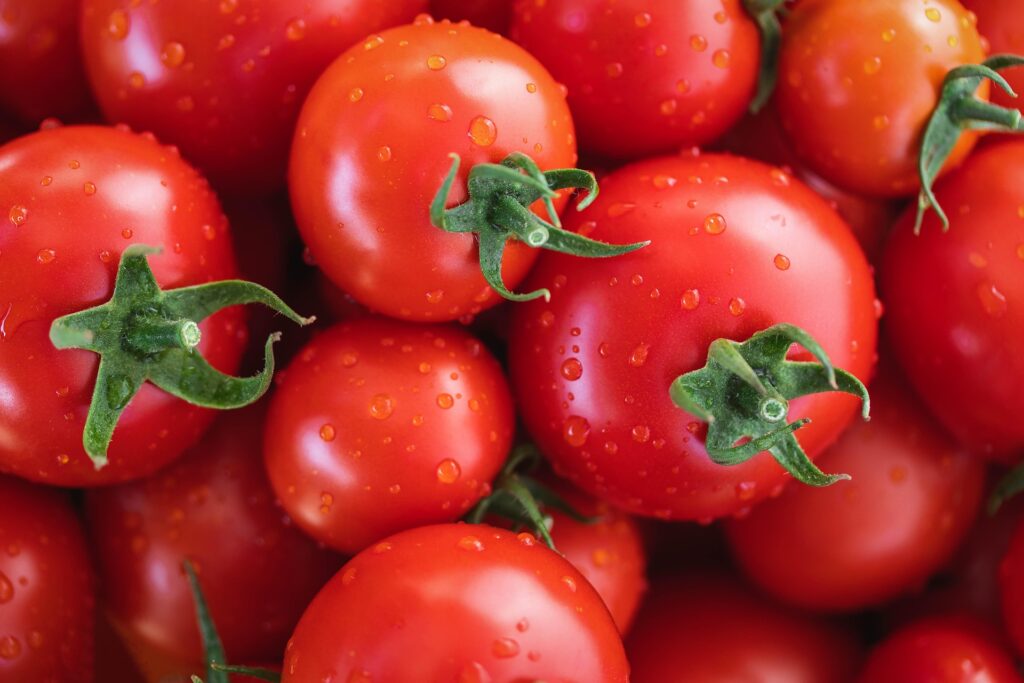
Tomatoes are notorious for suffering in the refrigerator. The cold interferes with the enzymatic ripening process, turning sweet, aromatic fruits into mealy, bland versions of themselves. Chilling also affects the cell walls, leaving the flesh mushy and lacking the rich flavor that defines a perfectly ripe tomato.
To get the best taste, store tomatoes on a countertop or in a breathable bowl, away from direct sunlight. They will continue to ripen naturally, developing the sweetness, acidity, and aroma that refrigeration can suppress. For sliced tomatoes, refrigeration is only acceptable if they won’t be eaten within a day.
Potatoes Become Sweet and Gritty
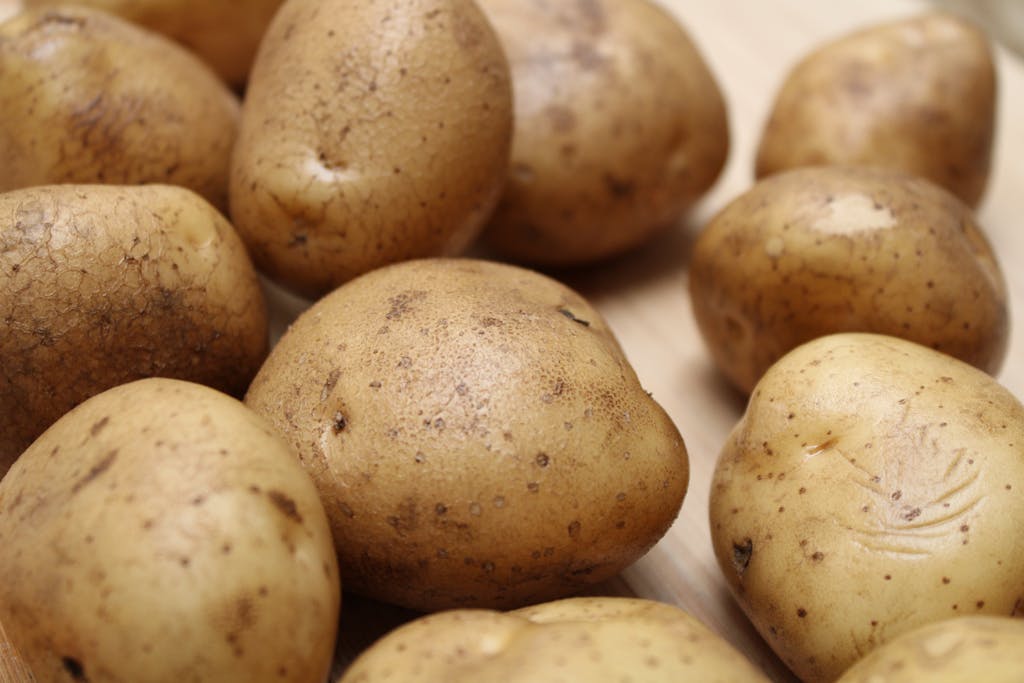
Cold storage is a hidden trap for potatoes. When temperatures drop below 50°F, the starch in potatoes converts into sugar, creating a sweet taste and gritty texture when cooked. This chemical change affects fries, mashed potatoes, and roasted dishes, altering the expected flavor profile. Ideal storage is a cool, dark, and well-ventilated pantry.
Avoid plastic bags that trap moisture; instead, opt for paper bags or mesh sacks to allow airflow. By storing potatoes correctly, you preserve their natural starch content and maintain optimal culinary performance.
Onions Soften and Mold Quickly
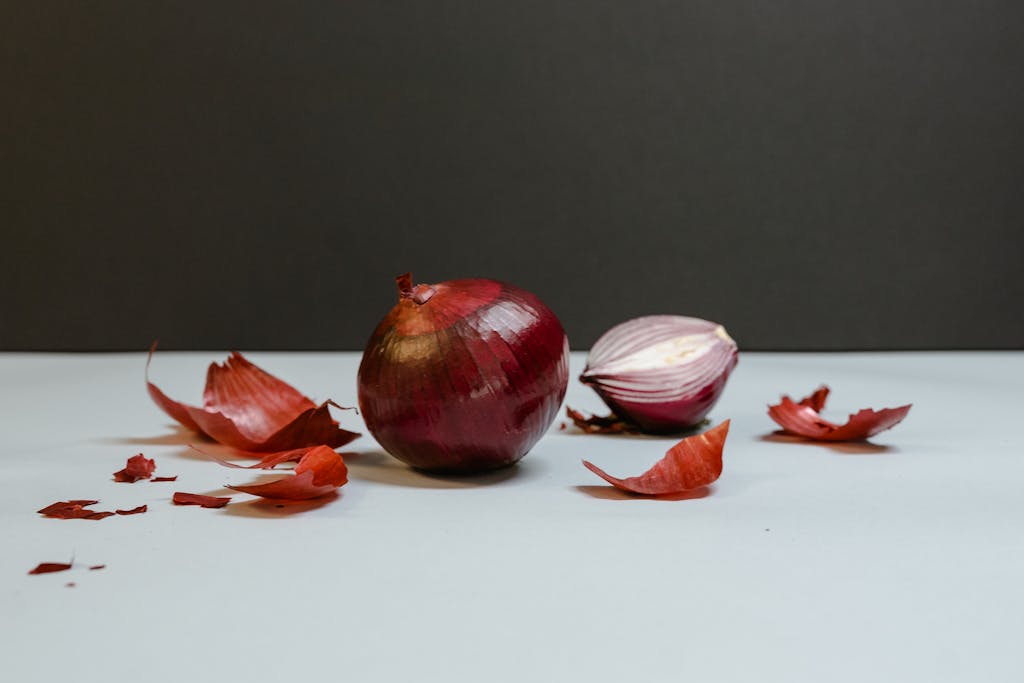
Whole onions don’t like moisture. Refrigerators are humid, which encourages softening, mold growth, and off odors that can transfer to nearby foods. The ideal storage solution is a dry, ventilated area, such as a countertop basket or pantry shelf.
Keep onions away from potatoes, as the gases they emit can accelerate sprouting and spoilage. Proper storage ensures crisp, firm onions that retain their flavor for weeks, preventing the frustration of peeling a moldy or mushy bulb.
Garlic Sprouts and Turns Rubberized
Garlic thrives in dry, airy environments. Refrigeration can promote sprouting, shorten shelf life, and make cloves rubbery. For maximum flavor and longevity, store garlic in a mesh bag, paper sack, or ceramic garlic keeper at room temperature.
A single well-stored bulb can last for months without losing aroma or potency, making it a more economical and flavorful option than constantly buying new refrigerated garlic.
Bread Goes Stale Faster in the Cold
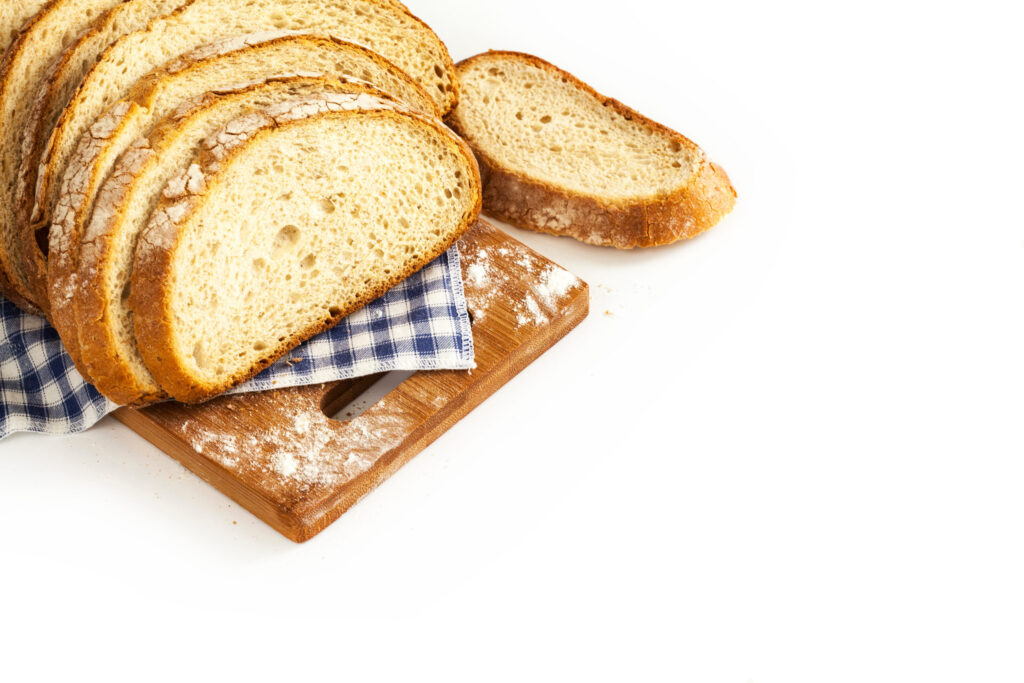
The refrigerator is the enemy of soft, fresh bread. Cold temperatures accelerate starch retrogradation, causing bread to dry out and become stale much more quickly than at room temperature. Instead, keep bread in a bread box or an airtight container to maintain moisture.
For long-term storage, freezing is preferable; sliced loaves can be thawed as needed without compromising texture. Skipping the fridge preserves the fluffy, fresh-baked qualities that are otherwise lost in the cold.
Honey Crystallizes and Hardens
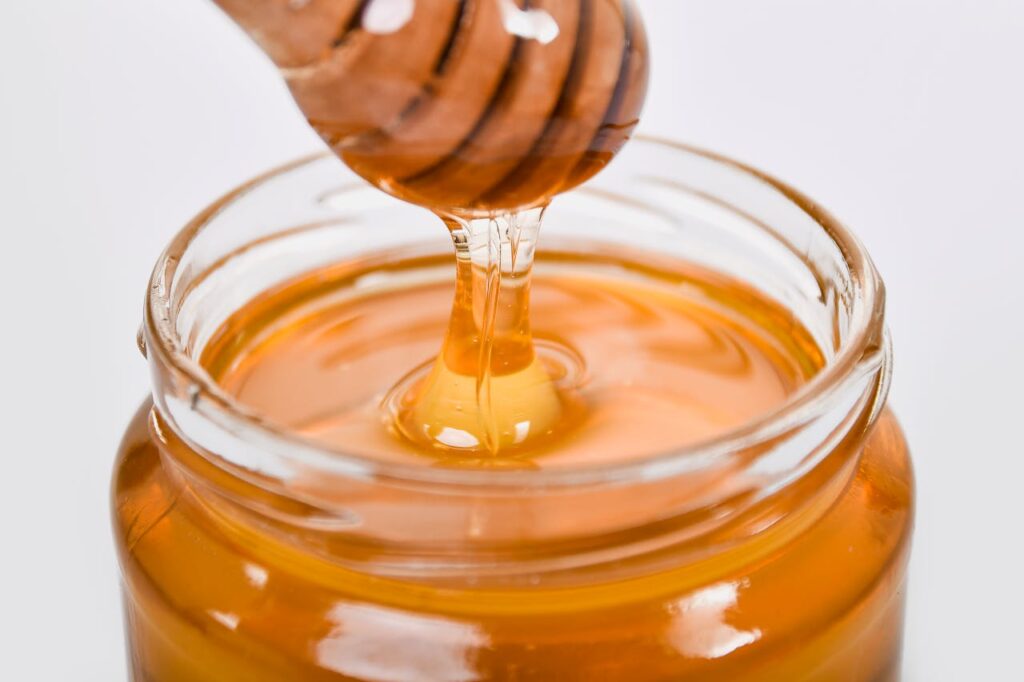
Honey is naturally resistant to spoilage due to low water content and high sugar concentration. Refrigeration, however, accelerates crystallization, resulting in a grainy, hard texture.
To maintain a smooth, pourable consistency, store honey in a cupboard or pantry away from heat and light. Proper storage preserves its sweetness, aroma, and ease of use while preventing unnecessary solidification.
Olive Oil Can Cloud, Solidify, and Lose Flavor
High-quality olive oil is sensitive to temperature fluctuations. Refrigeration can cause clouding and solidification, compromising the subtle flavors and aromas that define premium oils.
For the best culinary results, store olive oil in a cool, dark cabinet, away from stovetops or sunlight. This maintains its ideal texture, pourability, and depth of flavor, essential for dressings, sautés, and finishing dishes.
Whole Melons Retain Sweetness at Room Temperature
Watermelon, cantaloupe, and honeydew achieve peak flavor when stored at room temperature. Refrigeration can mute sweetness and alter texture before slicing.
Only cut melon should be refrigerated to prevent spoilage. Leaving whole melons on the counter allows natural ripening and maximizes the fruit’s aromatic and sweet characteristics.
Bananas Ripen Properly Outside the Fridge
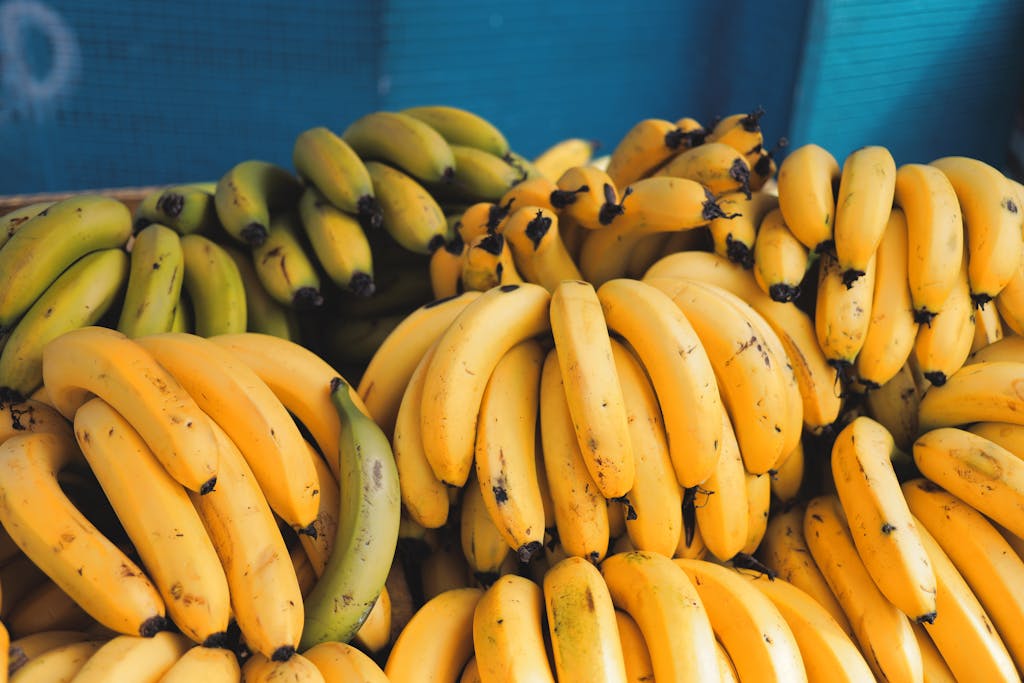
Bananas continue ripening naturally at room temperature. Refrigeration slows this process, leaving the peel brown while the flesh remains under-ripe. Allow bananas to ripen fully on the counter for optimal flavor and texture. Only transfer fully ripe bananas to the fridge to extend shelf life for a couple of days, ensuring smooth, sweet fruit ready for eating or baking.
Fresh Herbs Lose Aroma and Vital Oils
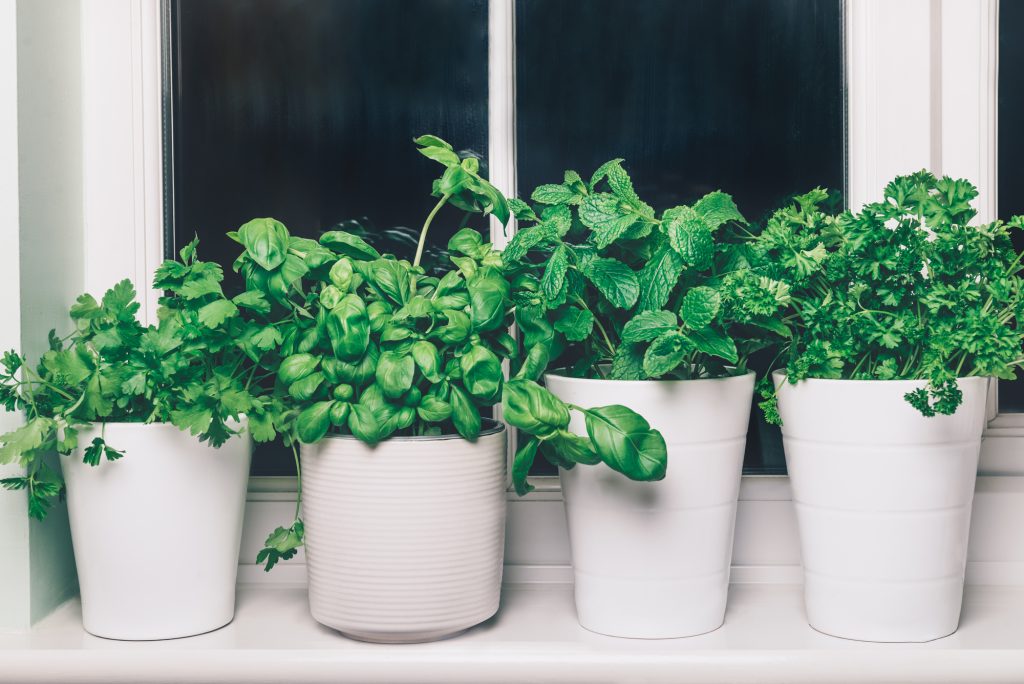
Herbs like basil, parsley, rosemary, and cilantro are delicate. Refrigeration can cause leaves to wilt and essential oils to diminish, leaving herbs limp and flavorless. Basil is best stored in a glass of water on the countertop, while parsley and cilantro can be misted and kept in breathable bags outside the fridge. Proper handling preserves aroma, color, and taste, enhancing both raw and cooked dishes.
Avocados Ripen Best at Room Temperature
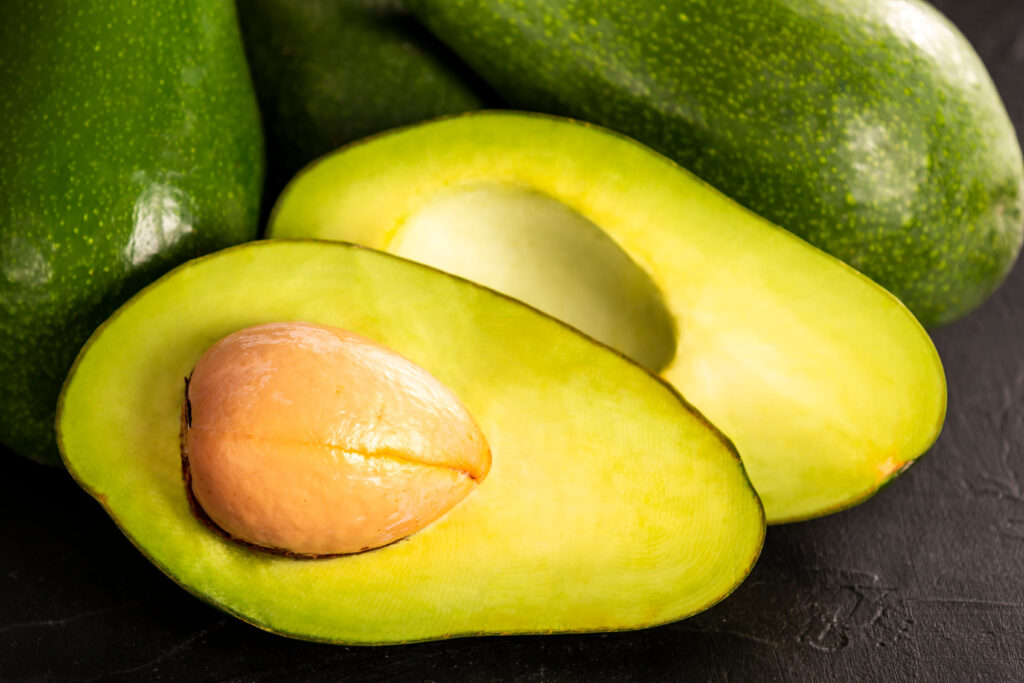
Firm avocados develop optimal texture and flavor when ripened on the counter. Refrigeration slows the ripening process, potentially resulting in unevenly softened fruit. Once ripe, avocados can be refrigerated to extend their shelf life for a few days. This method prevents mushy interiors and maintains creamy, buttery consistency perfect for guacamole, salads, or toast.
Nuts, Seeds, and Flours Require Controlled Storage
Pantry staples like nuts, seeds, and whole-grain flours contain oils prone to rancidity. Refrigerators can trap humidity, which can promote the development of off flavors. Freezing is often the best option for long-term preservation, while room-temperature storage in works for short-term use. Proper management retains crunch, flavor, and nutritional quality, avoiding waste and maintaining peak freshness.
Conclusion
Experts agree refrigeration should be strategic, not automatic. Foods like meat, dairy, and certain greens benefit from cold, but many everyday items lose value in the fridge. Understanding which ingredients thrive at room temperature and which require chilling ensures optimal taste, freshness, and safety. By rethinking how we store food, we not only improve taste but also reduce waste, save money, and make our kitchen operations more efficient. Proper storage transforms the fridge from a catch-all into a carefully curated preservation tool, enhancing the enjoyment of every meal. Below are smart storage tips:
- Know Your Zones: Store heat-sensitive items like dairy deeper inside the fridge, while humidity-sensitive produce stays outside.
- Room-Temperature Allies: Keep tomatoes, potatoes, onions, garlic, bread, melons, bananas, and avocados on the counter for maximum flavor.
- Avoid Humidity Traps: Herbs, nuts, seeds, and flours require dry storage, ideally in airtight containers.
- Use the Fridge Wisely: Refrigerate only when food safety or extended shelf life is required.