American food can feel ordinary until we leave the country and realize the rest of the world is not always craving the same flavors. The snacks, sauces, breakfast plates, holiday dishes, and diner classics that feel normal in the United States can look strange, overly sweet, too processed, or culturally confusing abroad. We may see these foods as comforting, practical, nostalgic, or fun, but many international diners experience them without the childhood memory that makes them taste familiar.
That is why popular American foods rarely eaten abroad tell a bigger story than simple preference. They show how school lunches, state fairs, Thanksgiving tables, road trips, grocery aisles, and regional traditions shape what Americans love. Some of these foods exist in other countries in different forms, but the American version often has its own texture, sweetness, branding, and emotional meaning. Below are 15 American foods that are beloved at home but often struggle outside U.S. borders.
Peanut Butter and Jelly Sandwiches Feel Too Sweet and Too Strange Abroad

The peanut butter and jelly sandwich is one of the clearest examples of American food nostalgia. In the United States, it belongs to lunchboxes, after-school snacks, low-budget meals, and childhood routines. The combination seems simple to Americans because creamy or crunchy peanut butter balances sweet grape or strawberry jelly between soft slices of bread. Abroad, that same combination can seem odd because many cultures separate sweet spreads, nut pastes, and sandwich fillings more sharply.
Peanut butter itself has a much stronger cultural position in the United States than in many other countries. USDA data has long shown peanut butter as a major use of peanuts in the American food supply, and more recent USDA reporting points to continued strength in U.S. peanut consumption supported by high domestic production. Economic Research Service, which helps explain why Americans see peanut butter as a pantry basic rather than a novelty item.
In Europe, bread with jam often feels more natural with butter, cream cheese, or plain toast. In many parts of Asia, peanut flavors appear in savory sauces, noodles, or snacks, so mixing peanut paste with jelly on soft sandwich bread may feel unfamiliar. The PB&J is not just a sandwich. It is a memory food, and without that memory, the charm can disappear quickly.
Ranch Dressing Is America’s Favorite Sauce That Many Countries Never Asked For
Ranch dressing is more than salad dressing in the United States. It is a dip for pizza crusts, wings, fries, chicken tenders, raw vegetables, burgers, and almost anything that needs a creamy, tangy finish. The flavor is built on buttermilk, herbs, garlic, onion, salt, and a cool dairy base. To Americans, ranch tastes casual, comforting, and endlessly useful.
Outside North America, ranch can feel heavy, sharp, and confusing. Many European food cultures lean toward vinaigrettes, olive oil, vinegar, mustard-based dressings, yogurt sauces, or herb sauces that feel lighter and more specific. Ranch works in the United States because American casual dining often favors creamy condiments, large portions, fried foods, and dip-centered meals. AP recently described ranch as America’s best-selling salad dressing, tracing its rise from Hidden Valley Ranch into a nationwide condiment habit.
The reason ranches rarely become a global obsession is simple. It belongs to a very American eating style where sauce does not just support the food, it becomes part of the event. A bottle of ranch on a family table says comfort. Abroad, that same bottle may look like an overpowering shortcut.
Root Beer Tastes Like Childhood in America and Medicine Elsewhere

Root beer is one of those drinks that proves flavor is deeply cultural. Americans who grew up with root beer floats, A&W stands, and frosty mugs often taste sweetness, vanilla, wintergreen, and nostalgia. Many international drinkers taste something closer to cough syrup, toothpaste, or medicine. The difference is not about intelligence or taste level. It is about familiarity.
Britannica describes root beer as a sweet, nonalcoholic carbonated beverage invented in North America and commonly flavored with roots, herbs, wintergreen, sassafras, sarsaparilla, birch, and similar ingredients. Those herbal notes are exactly what make it charming to Americans and suspicious to people who associate those flavors with medicinal products.
Root beer also lacks the global footprint of cola, lemon lime soda, or orange soda. It is tied to American soda fountains, diners, drive-ins, and ice cream floats. Without that cultural setting, the flavor can feel like a puzzle. Americans drink it for refreshment. Many foreigners taste it and wonder why anyone would carbonate a pharmacy.
American Cheese Makes Perfect Burgers but Confuses Cheese Lovers Abroad
American cheese has a very specific purpose. It melts smoothly, wraps around a burger patty, clings to breakfast sandwiches, and gives grilled cheese sandwiches that soft, creamy pull. It is not trying to compete with aged cheddar, brie, Gouda, manchego, or Parmigiano Reggiano. Its strength is texture, meltability, salt, and nostalgia.
That does not stop international cheese lovers from judging it harshly. In countries with strong cheese traditions, processed American cheese can seem too mild, too soft, and too industrial. USDA linked cheese to a large share of U.S. dairy consumption growth across decades, with daily cheese consumption rising sharply between 1979 and 2019. Economic Research Service A 2024 USDA dietary data brief also found that processed cheese accounted for a notable share of cheese intake among U.S. adults.
American cheese survives because it performs beautifully in American fast food and home cooking. It melts without drama, tastes familiar, and delivers the exact burger experience many Americans expect. Abroad, where cheese is often judged by aging, origin, texture, and complexity, American cheese can look less like a food tradition and more like a factory shortcut.
Corn Dogs Turn the State Fair Into a Handheld Meal
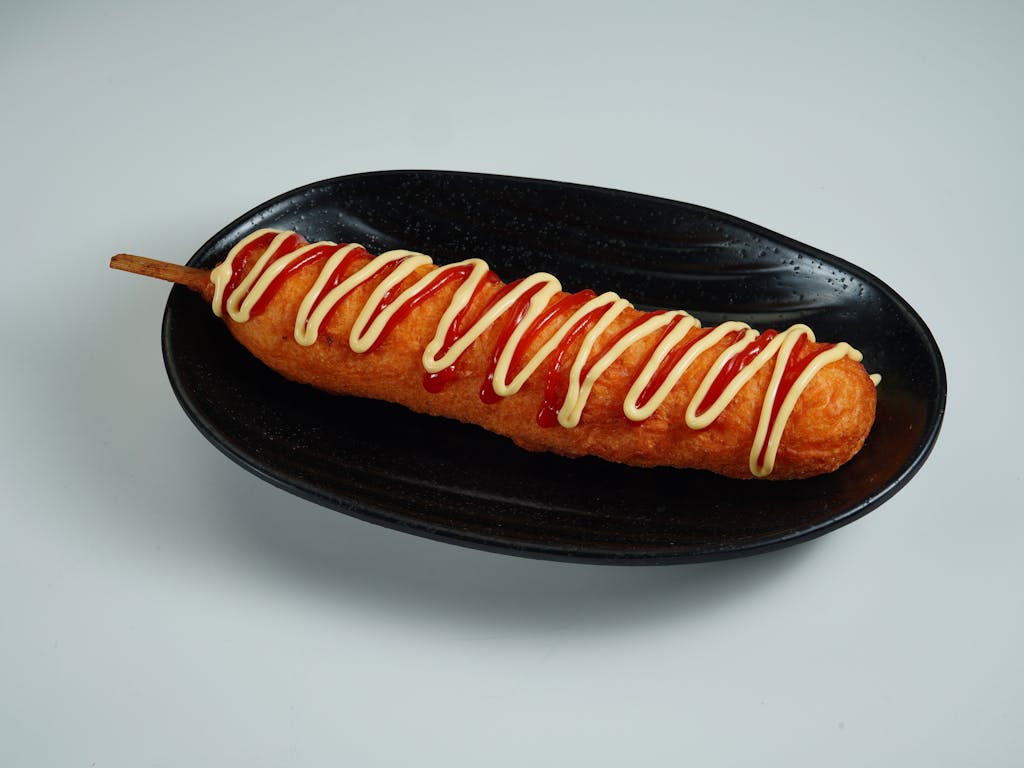
The corn dog is one of America’s boldest food ideas. Take a hot dog, put it on a stick, coat it in sweet cornmeal batter, deep fry it, and serve it at a fair, carnival, boardwalk, or school cafeteria. It is portable, greasy, sweet, salty, and deeply tied to public fun. Americans do not usually eat corn dogs because they are refined. They eat them because they taste like summer noise, concession stands, and childhood excitement.
The corn dog’s identity is strongly American. Food histories often connect the popular fair version to the State Fair of Texas in the early 1940s, and the basic format remains tied to American fairground culture. Other countries have fried sausages, skewered snacks, and battered street foods, but the sweet cornmeal coating gives the American corn dog its distinctive personality.
Korean corn dogs have become popular in many cities, but they are often different from the classic U.S. version. They may use rice or wheat batter, mozzarella, sugar, potatoes, or crunchy coatings. The American corn dog is simpler and more stubbornly nostalgic. Abroad, it can feel too sweet for a sausage and too strange for a snack.
Biscuits and Gravy Sound Wrong Before Foreign Diners Even See the Plate
Biscuits and gravy create confusion before the first bite because the words mean different things across cultures. In the United Kingdom and many Commonwealth countries, a biscuit is a cookie. So when Americans say they are eating biscuits with sausage gravy for breakfast, the dish can sound like cookies covered in meat sauce. That first language barrier already makes the meal hard to sell.
The American version is a Southern comfort classic. Soft, warm, buttery biscuits are split open and covered with thick white sausage gravy seasoned with black pepper. The dish is rich, filling, and built for slow mornings, farm labor traditions, roadside diners, and family kitchens. It works because an American breakfast can be hearty, salty, and meat-centered.
Many international breakfasts lean lighter or follow different savory patterns. Toast, yogurt, fruit, rice porridge, fish, beans, pastries, eggs, and tea may feel more balanced depending on the region. Biscuits and gravy can seem too heavy, too pale, and too unfamiliar. Americans see comfort. Others may see a plate that breaks every breakfast rule they know.
Grits Need Butter, Salt, Cheese, Shrimp, or Southern Memory to Make Sense
Grits are made from ground corn, yet they are not the same as polenta, pap, ugali, or other corn-based dishes around the world. The American Southern version carries its own food identity. It can be served plain with butter, enriched with cheese, topped with shrimp, or placed beside eggs, bacon, and biscuits at breakfast.
To people unfamiliar with Southern cooking, grits may seem bland at first. That reaction misses the point. Grits are a base, not always the headline. They absorb fat, salt, spice, seafood flavor, cheese, and gravy. Their appeal often depends on texture, patience, and tradition. A bowl of grits can taste plain in the wrong hands and deeply satisfying in the right kitchen.
Grits rarely travel widely because they need context. They belong to the American South, where food memory, regional pride, and cooking technique shape the experience. Abroad, they may be compared to other corn porridges and judged as less flavorful. In the South, they are not a substitute for anything. They speak their own language.
Meatloaf Is Home Cooking That Does Not Always Translate Well
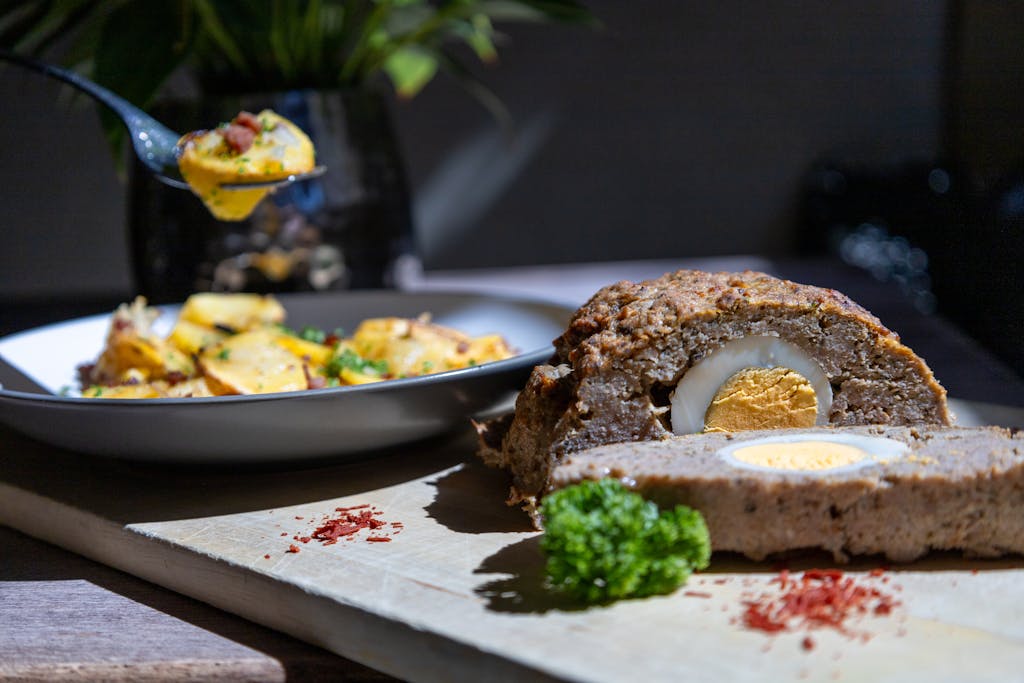
Meatloaf is practical American comfort food. Ground meat is mixed with breadcrumbs, egg, onion, seasoning, and often ketchup or tomato glaze, then baked into a loaf. It stretches ingredients, feeds families, and reheats well. It belongs to weeknight dinners, cafeteria trays, diners, and family recipes passed down with small changes.
Other countries have ground meat dishes, but the American meatloaf format can feel oddly plain to outsiders. Some cultures shape seasoned meat into patties, dumplings, sausages, kebabs, meatballs, pies, or stuffed vegetables. The loaf shape, ketchup glaze, and soft texture are very specific to American home cooking.
Meatloaf depends heavily on memory. A good one tastes like home. A bad one tastes like punishment. That emotional gap makes it difficult to export. Without nostalgia, it may look like a block of baked ground meat. With nostalgia, it becomes a reliable dinner that says someone cooked enough for everyone.
Conclusion
The American foods that rarely travel well are often the ones with the deepest emotional roots. They are not just meals, snacks, or condiments. They are school lunches, family shortcuts, county fairs, Southern breakfasts, holiday tables, road trip stops, and late-night cravings.
We can laugh at how strange these foods look from the outside, but we should also recognize what they reveal. American food culture values comfort, speed, abundance, sweetness, portability, and nostalgia. That combination may confuse the rest of the world, but it also explains why these dishes continue to survive at home.