Home upgrades are supposed to make a house more attractive, more comfortable, and more valuable. That is the dream, anyway. Many homeowners spend thousands of dollars trying to create the kind of home that makes buyers walk in and immediately imagine signing an offer. The problem is that some upgrades do the opposite. They look expensive, feel personal, and quietly make buyers wonder how much money it will take to undo them.
A good home improvement should make life easier for the next owner, not trap them inside someone else’s taste. Buyers usually want clean, flexible, practical spaces that they can picture as their own. When an upgrade is too bold, too specific, too costly to maintain, or too trendy, it can become a red flag instead of a selling point. Before spending money on a “wow factor” feature, homeowners should ask one simple question: Will most buyers love this, or will they mentally add it to their renovation budget?
Over-the-Top Themed Rooms

A themed room can be fun while you live in the house, but buyers often see it as a project waiting to happen. A bedroom designed like a jungle, a movie theater painted in deep red and black, or a bathroom styled like a beach resort may feel creative to the current owner. To a buyer, though, it often feels like a space that needs repainting, redesigning, and possibly replacing before they can settle in.
The problem with themed rooms is that they leave very little room for imagination. Buyers do not want to feel like they are walking through someone else’s personality. They want to picture their own furniture, their own routines, and their own style. A room with bold murals, unusual wallpaper, custom props, or dramatic lighting can distract from the home’s actual size, layout, and function.
This does not mean every room must be plain and boring. A little charm can help a home stand out. The danger starts when the design becomes too specific. A neutral room with stylish accents feels easy to adapt. A heavily themed room feels like work. In real estate, work often translates into money, and buyers tend to dislike anything that makes the house feel less move-in-ready.
Wall-to-Wall Carpeting in the Wrong Places
Carpet can make a bedroom feel soft and warm, but buyers are much less forgiving when they see it throughout the entire house. Wall-to-wall carpeting in living rooms, dining rooms, hallways, or finished basements can quickly make a home feel dated. Even when the carpet is new, buyers may wonder what lies beneath it, how hard it will be to clean, and how well it will hold up over time.
Modern buyers often prefer hard flooring because it feels cleaner, more durable, and easier to style. Hardwood, luxury vinyl plank, tile, and engineered wood all have broad appeal because they work with many design choices. Carpet, on the other hand, is more personal. Some people love it. Others immediately think of dust, stains, pet odors, and allergy problems.
The biggest issue is maintenance. A buyer with children, pets, or allergies may consider carpet a dealbreaker, especially in high-traffic areas. Even if the carpet looks fresh during the showing, they may still imagine spills, footprints, and future replacement costs. What felt like a cozy upgrade to the seller can feel like a cleaning burden to the buyer.
Bold Kitchen Colors That Dominate the Room
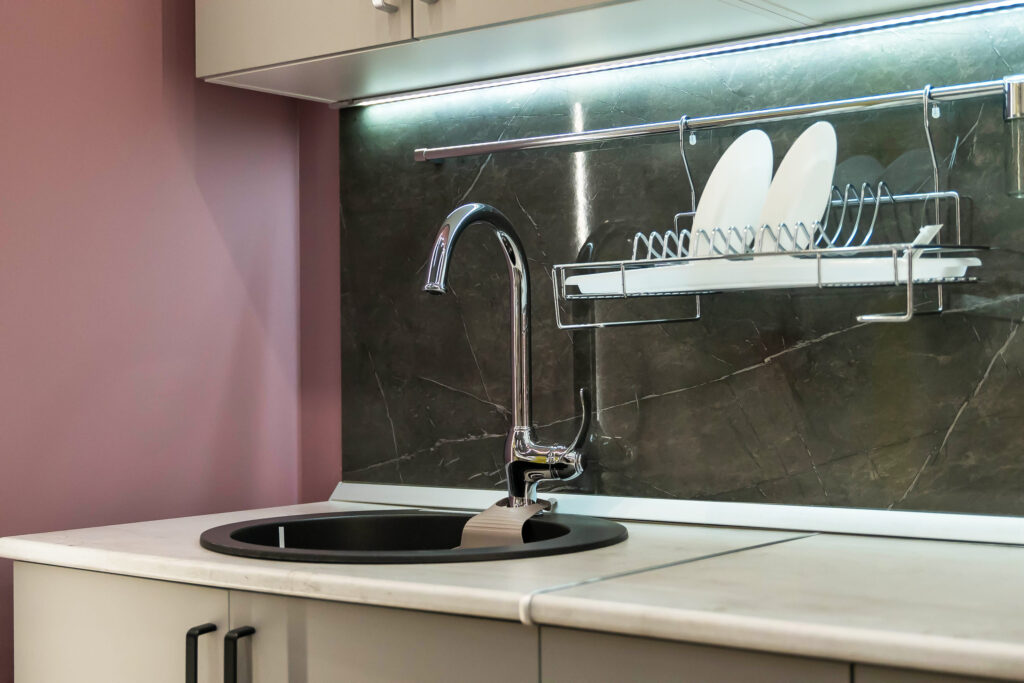
The kitchen is one of the most important rooms in a home, so it makes sense that homeowners want it to look memorable. However, bold kitchen upgrades can backfire badly. Bright red cabinets, glossy black countertops, neon backsplashes, or unusually colored appliances may feel exciting at first. Buyers often see them as expensive choices that they will need to change.
A kitchen should feel welcoming, practical, and easy to personalize. When the colors are too strong, they dominate the entire home. A buyer may like the layout, storage, and appliances, but still struggle to get past lime-green cabinets or a patterned tile backsplash that covers every wall. Instead of noticing the kitchen’s strengths, they focus on how difficult and costly it would be to tone everything down.
Neutral does not have to mean lifeless. Warm whites, soft grays, natural wood tones, muted greens, and classic stone finishes can still feel stylish. The key is balance. Buyers usually respond well to kitchens that look fresh without shouting for attention. A bold kitchen may photograph well, but in person, it can make buyers nervous.
Converted Garages That Remove Practical Space
Turning a garage into a gym, office, bedroom, studio, or entertainment room may seem like a smart way to add usable space. In some homes, it can work well. But many buyers still want an actual garage. They may need it for parking, storage, tools, bikes, lawn equipment, sports gear, or seasonal decorations. When a garage disappears, buyers may feel the home has lost an important feature.
This upgrade is especially risky in neighborhoods where garages are expected. A buyer comparing similar homes may choose the one that still has protected parking and storage. Even if the converted space looks polished, buyers may wonder about permits, insulation, heating, cooling, and whether the conversion was done correctly. If it feels like a makeshift room, the upgrade can hurt more than it helps.
Another issue is lifestyle. Not every buyer needs an extra bedroom or home gym, but almost every buyer needs storage. A garage is more flexible than a converted room. Once it becomes a finished space, turning it back into a garage can be expensive and annoying. Buyers often dislike upgrades that reduce flexibility.
Luxury Bathrooms That Feel Too High-Maintenance
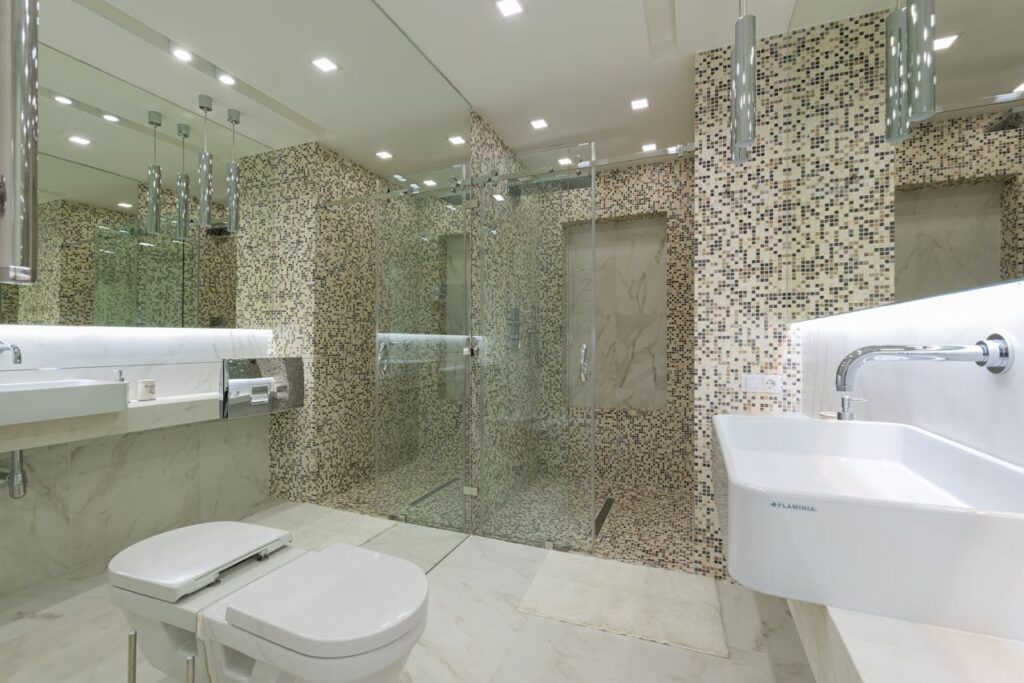
A beautiful bathroom can help sell a house, but an overly luxurious bathroom can make buyers pause. Giant soaking tubs, open showers, delicate stone, gold fixtures, smart toilets, heated floors, and elaborate lighting may look impressive, yet they can also feel expensive to maintain. Buyers may admire the look, then quietly wonder what happens when something breaks.
The most hated bathroom upgrades are often the ones that trade daily function for visual drama. A massive tub may look stunning, but many buyers know they will rarely use it. A glass-heavy shower may feel spa-like, but it also means constant cleaning. Marble may look elegant, but it can stain, scratch, or require special care. What seems luxurious to one person can feel like a chore to another.
Buyers tend to prefer bathrooms that feel clean, bright, and practical. They like good storage, strong water pressure, easy-to-clean surfaces, quality fixtures, and a layout that makes sense. A bathroom should feel like a calm place to start and end the day. When it feels more like a showroom than a usable room, buyers may see it as a beautiful headache.
Removing Bedrooms to Create Bigger Spaces
Open space can be appealing, but removing a bedroom is one of the riskiest home upgrades. A homeowner may combine two bedrooms to create a large primary suite, home office, walk-in closet, or lounge area. It may improve their personal comfort, but it can shrink the pool of buyers. Bedroom count matters, especially for families, investors, and anyone thinking about resale value.
Many buyers search for homes based on the number of bedrooms. A three-bedroom home can attract a very different audience from a two-bedroom home. Even if the new space looks elegant, buyers may still see the missing bedroom as a major loss. They may need that room for a child, a guest, an office, a caregiver, or a rental opportunity.
The frustration for buyers is that reversing the change is rarely simple. Rebuilding walls, adding doors, restoring closets, and matching flooring can become expensive. A bigger primary suite may feel luxurious to the seller, but buyers may prefer the original layout. In real estate, more usable rooms often beat one oversized personal retreat.
Highly Customized Built-Ins
Built-ins can be excellent when they are simple, useful, and timeless. A tasteful bookshelf, a mudroom bench, or a clean office nook can add function and charm. The problem starts when built-ins become too customized. A wall-sized entertainment center made for a specific television, a craft station designed for one hobby, or a desk system built around one person’s work habits may not fit the next owner’s life.
Buyers often dislike built-ins that limit how a room can be used. They may want to rearrange the furniture, use the room for another purpose, or bring in their own pieces. Large built-ins can make a room feel smaller, heavier, and less flexible. If they are outdated or awkwardly placed, buyers may immediately think about demolition.
Another issue is quality. Cheap built-ins can look worse than no built-ins at all. Crooked shelves, bulky cabinets, mismatched finishes, or strange proportions can make a room feel homemade in the wrong way. Buyers appreciate storage, but they do not want storage that controls the entire room. A good built-in should support the space, not take it hostage.
Expensive Landscaping That Demands Constant Care
Curb appeal matters, but complicated landscaping can scare buyers away. A yard filled with delicate plants, fountains, decorative ponds, specialty lighting, topiaries, irrigation systems, and high-maintenance flower beds may look beautiful during a showing. Then reality sets in. Buyers start thinking about pruning, watering, repairs, pests, seasonal cleanup, and monthly landscaping costs.
Many buyers want outdoor spaces that are attractive but manageable. They like green lawns, healthy plants, clean walkways, shaded seating, and simple garden beds. What they often dislike is a yard that feels like a part-time job. Even plant lovers may hesitate if the landscaping looks expensive to maintain or difficult to understand.
Water features can be especially risky. A pond or fountain may feel peaceful to one buyer and stressful to another. They may worry about leaks, mosquitoes, algae, pumps, electrical issues, and child safety. The same goes for elaborate outdoor kitchens or large patios that need frequent cleaning and repairs. A yard should help buyers relax. If it makes them feel responsible for a small botanical estate, it may work against the sale.
Ultra-Trendy Finishes That Already Feel Dated
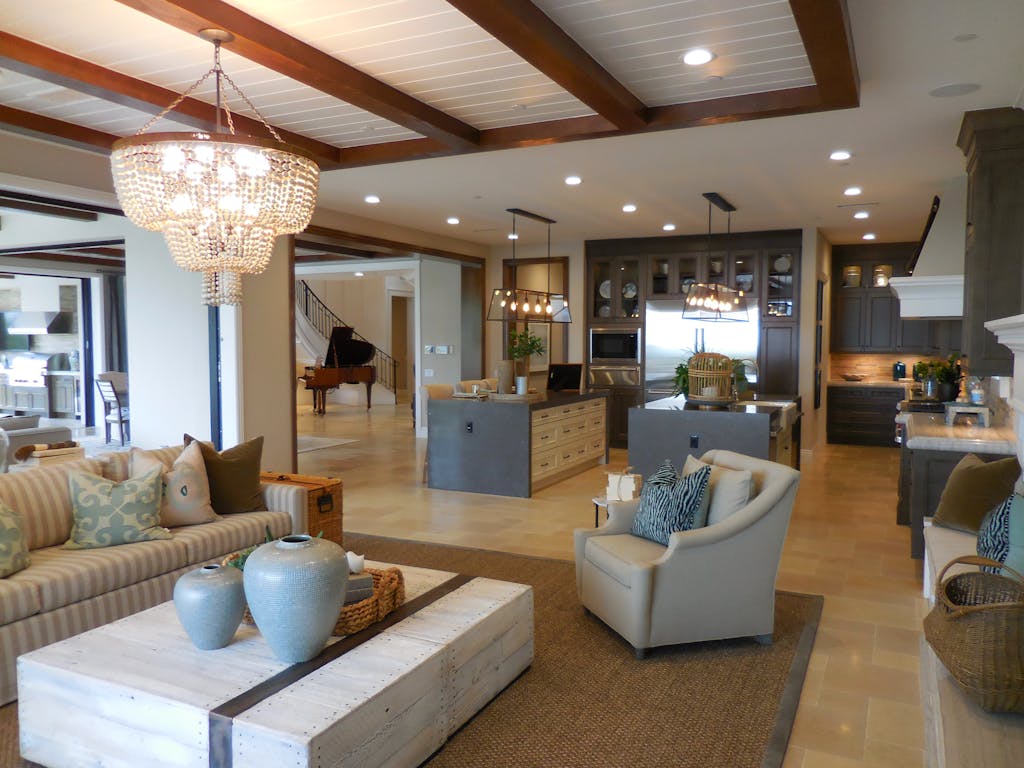
Trends move fast, but changing homes is expensive. That is why buyers often dislike upgrades that scream a specific year. Gray-on-gray interiors, barn doors in every room, overly rustic farmhouse signs, shiny geometric tiles, dramatic black plumbing fixtures, or extreme minimalist designs can start to feel dated sooner than expected. What looked fresh online can feel tired once every other house has copied it.
The danger with trendy finishes is that they age loudly. Classic choices fade into the background, but trends announce themselves. Buyers may walk in and immediately know the home was renovated during a very specific design wave. Even if the materials are new, the style may already feel overused.
This does not mean homeowners should avoid trends completely. Small, trendy details are easy to change. Paint, hardware, light fixtures, and decor can be updated without major expense. The real mistake is locking trends into expensive surfaces like tile, cabinetry, flooring, and countertops. Buyers are much happier when the home’s permanent parts feel timeless, and its personality comes through in removable details.
Conclusion
The best home upgrades are not always the flashiest ones. Buyers usually care more about comfort, functionality, cleanliness, storage, natural light, and a flexible design than about dramatic personal statements. A home that feels easy to live in will often beat a home that feels expensive but complicated. That is why upgrades like bold kitchens, converted garages, oversized bathrooms, themed rooms, and high-maintenance landscaping can create hesitation instead of excitement.
Before making a major change, homeowners should think like buyers. Will this upgrade make the home easier to love, use, and maintain? Or will it make the next owner feel like they are inheriting someone else’s taste and expenses? The smartest improvements give a house broad appeal without stripping away character. They make buyers feel relaxed, not burdened. In the end, the upgrades buyers truly love are the ones that help them imagine a better life in the home, not a longer renovation list.