Plants offer us much more than just their beauty. From purifying the air to providing food, medicine, and even clothing materials, they play an essential role in our lives. However, hidden behind their vibrant colors and lush greenery, some plants harbor toxic compounds that can be dangerous, even deadly.
Here, we uncover common plants you may not know are toxic, offering critical information to keep your family and pets safe.
Aloe Vera

Aloe Vera is often used for its soothing properties, especially in skincare products. However, the outer gel of the leaves contains compounds that can cause gastrointestinal distress if consumed. Symptoms include abdominal pain, diarrhea, and vomiting. Though safe for topical use in most cases, the plant should not be ingested.
Poinsettia
The Poinsettia, a holiday favorite, is often feared for its toxicity. While widely believed to be highly poisonous, it takes a significant amount of the plant to cause severe harm. Exposure to sap can cause skin irritation and eye damage, while ingesting large amounts can lead to vomiting and diarrhea. Despite the misconceptions, it’s not as dangerous as many people think.
English Ivy
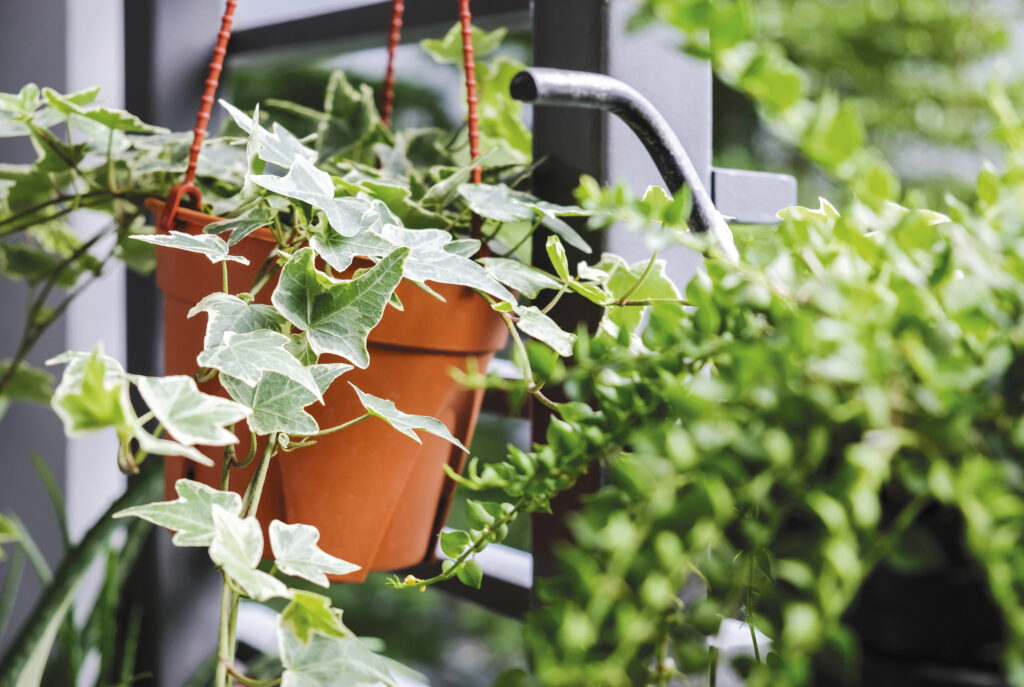
A common plant in gardens and homes, English Ivy is an invasive species in some areas. While admired for its ability to cover walls and climb trellises, it harbors significant risks. Ingesting the leaves can cause delirium, convulsions, and hallucinations, while skin contact may lead to irritation, itching, and blisters. Its potential dangers make it a plant to handle with caution, especially in homes with small children or pets.
Easter Lily
Easter lilies are known for their striking white blooms, but they pose a severe risk to pets, particularly cats. The alkaloids in the bulbs and stems can cause kidney failure and even death in animals. Humans, too, are not exempt from the effects, experiencing symptoms like nausea, vomiting, and abdominal pain after ingesting the plant.
Larkspur

Larkspur is loved for its tall spires of colorful flowers, ranging from purple to blue. However, all parts of this plant are toxic, particularly to livestock. Consuming it can cause severe symptoms, such as vomiting, diarrhea, and even death. It’s a plant that should be avoided, especially in grazing areas where animals are prone to ingesting it.
Azalea
Azaleas are beautiful plants with evergreen leaves and colorful flowers. However, all parts of the plant are toxic, and ingestion can lead to symptoms like nausea, vomiting, diarrhea, and even death. This plant poses particular risks to children and pets, making it essential to keep it out of reach.
Dumb Cane
Dumb Cane is a popular houseplant known for its attractive foliage. However, it contains calcium oxalate crystals that can cause intense irritation when chewed. Swelling of the mouth, throat, and tongue can occur, causing temporary difficulty speaking (hence the name “dumb cane”). Symptoms also include nausea, excessive drooling, and gastrointestinal distress.
Oleander
Oleander is a striking shrub with colorful blooms, but it is one of the most toxic plants on this list. Ingesting even a small amount can result in severe poisoning. Symptoms include nausea, vomiting, dizziness, seizures, and irregular heartbeat. The plant is particularly dangerous to children and pets, making it a plant to avoid in any household.
Foxglove

Foxglove is admired for its tall, bell-shaped flowers, but it harbors potent toxins. While once used in medicine to treat heart conditions, ingesting this plant can cause nausea, vomiting, hallucinations, and severe heart disturbances. Even small amounts can be fatal, making it essential to handle them with care.
Jimson Weed
Jimson Weed, known for its trumpet-shaped flowers, is a highly toxic plant. All parts of the plant contain dangerous alkaloids that can cause delirium, hallucinations, and even death. The plant has a dark history, with reports of it being used in poisoning incidents, including the infamous Bacon’s Rebellion.
Castor Bean
The Castor Bean plant is visually appealing but highly toxic, especially the seeds. These seeds contain ricin, one of the most potent toxins known to humans. Ingesting even a small amount can cause severe poisoning, leading to symptoms such as nausea, vomiting, abdominal pain, organ failure, and death. This plant should never be handled carelessly, particularly in households with children.