Imagine a digital mirror not just reflecting your photos and likes but exposing your deepest thoughts and hidden habits. Every tap, every scroll, is another strand in Facebook’s tightening snare.
With each interaction, your private psychological profile sharpens. By the end, you’ll realize how much of yourself Facebook already owns—truths you never meant to surface, secrets bared without consent.
Your Pregnancy Likelihood and Life Events

Next, consider how Facebook anticipates milestones in your life. As soon as you move from everyday sharing to subtle changes in your habits, Facebook takes note. Through subtle shifts in your activity, it detects behavioral patterns that signal life changes before you even share the news.
It’s not just about status updates or photos; it’s about the frequency of your interactions with content and third-party apps. Advertisers pay top dollar for these insights, treating your milestones as premium data, while privacy is a distant thought.
Your Political Views and Beliefs
Beyond life events, Facebook’s attention doesn’t stop. Your political views are also revealed—even without following political pages, Facebook deduces your beliefs.
It monitors the posts and content you interact with. From these clues, Facebook classifies you, tailors content, and shapes your worldview—without your full awareness.
Your Offline and Online Interests
Facebook’s reach isn’t limited to its own platform. It tracks your activity across the web through pixel tracking and data partnerships, even on external sites. Each click updates Facebook’s real-time interest map, creating a precise picture of your online preferences—and making ad targeting feel personal, sometimes uncomfortably so.
Your Location History and Movements

Let’s move from online interests to your real-world movements. Think turning off location services stops Facebook from tracking you? It still uses signals like your phone’s GPS, IP address, Bluetooth, and Wi-Fi to map your frequent locations, building a history of your whereabouts—even if you’ve forgotten some places.
Your Emotional and Behavioral Patterns
Now, let’s address something deeper than mere physical location: your emotional patterns. Facebook does more than track what makes you smile.
It reads your moods and vulnerabilities. Every pause, reaction, and fleeting glance fuels an emotional diary. Your feed is engineered to ignite engagement, using your feelings as levers—sometimes to alter your state of mind.
Your Device Details and Metadata
Facebook’s scrutiny extends to your devices. It gathers metadata—such as installed apps, language, internet speed, and battery life—to create a unique digital signature and track you across platforms, connecting your online and offline actions, often without your realization.
Your Social Graph and Shadow Profiles

Following your devices, Facebook seamlessly shifts focus to your relationships. It builds social graphs, which map how youare connected to other people online, and even creates shadow profiles—hidden accounts for people who have never signed up for Facebook. Even if you’ve never signed up, Facebook might already know you through a “shadow profile.”
It accesses friends’ contact lists (lists of phone numbers and email addresses stored in people’s phones) to create these invisible profiles, filling gaps each time contacts are uploaded. This lets Facebook personalize ads and predict your interests before you share anything.
Your Online Conversations and Behavioral Cues
These social connections naturally influence how Facebook analyzes your conversations. Every message, story response, and emoji you use is valuable data for the algorithms that track not only your conversations but also the context—how quickly you reply, message tone, and engaging topics.
These cues help Facebook predict preferences to tailor content and ads. It’s not just what you say; it’s how you engage that becomes data for Facebook.
Your Psychological Inferences and Predictive Models
This elaborate web of analysis enables Facebook’s most powerful move: making psychological inferences about you using predictive algorithms.
These insights help Facebook tailor content and ads for a hyper-personal feel, sometimes anticipating your needs before you recognize them.
Your Unsuspecting Identity and Full Digital Portrait
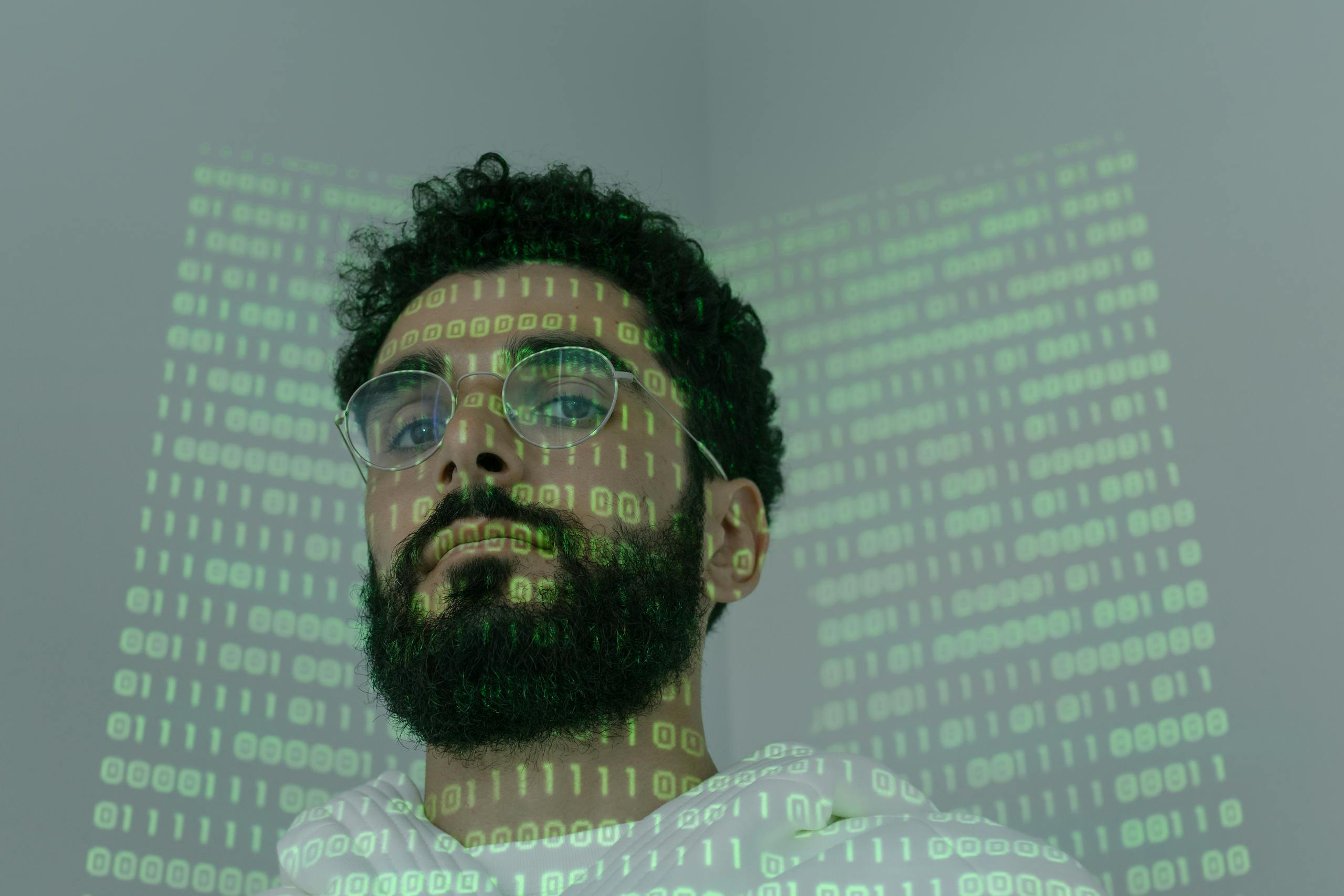
Ultimately, with all these streams of data converging, Facebook creates your full digital portrait. By aggregating every piece of data—your behavior, preferences, social interactions, and even metadata—Facebook creates a psychological fingerprint that paints a picture of your identity.
This portrait is continuously updated and refined, providing advertisers and other entities with an ever-evolving view of your personal life. In the digital age, Facebook doesn’t just know what you choose to share; it knows what you haven’t even realized you’ve given away.
Conclusion
The truth chills. Facebook doesn’t just capture your life—it bends reality, dissolving privacy one glance, one click at a time. Free is anything but free. Can you really stomach how much of yourself is already theirs?