Cold weather, busy schedules, low energy, and plain old procrastination can make staying active feel harder than it should. The problem is that many people think exercise must look like a full gym session to count. That mindset keeps them sitting longer, moving less, and feeling even more drained by the end of the day. The truth is simple: your home already has enough space for small, effective movement.
At-home fitness works best when it feels easy to start. You do not need a dramatic routine, a perfect outfit, or an hour of free time. You need movement that fits into real life. These six mistakes can quietly make your body feel stiff and tired, but each one has a simple fix.
Ignoring Gentle Movement Before You Even Leave Bed
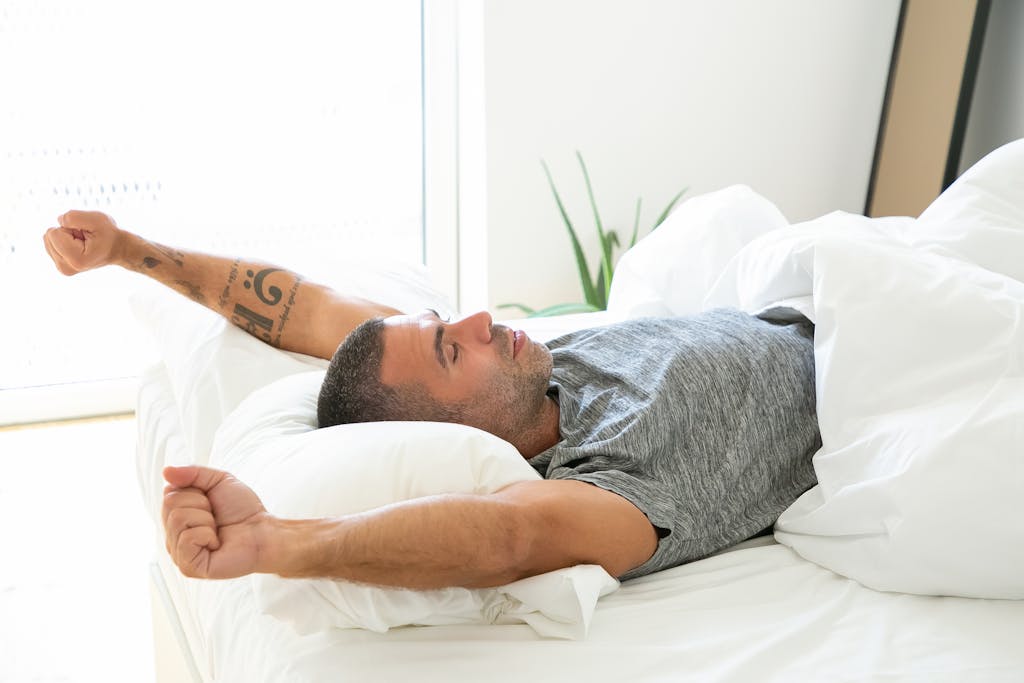
One of the biggest at-home fitness mistakes is waiting until you feel fully awake before moving. That often means you scroll your phone, roll out of bed stiff, and start the day already feeling heavy. Gentle bed movement can help your body wake up without demanding too much effort. Simple moves like knee-to-chest stretches, side leg lifts, ankle circles, and slow cat-cow stretches can loosen tight muscles before your feet hit the floor.
This works especially well on cold mornings when the idea of exercising feels rude. Instead of forcing a full workout, start with 2 or 3 minutes of calming movement under warm blankets. Focus on slow breathing, easy stretches, and waking up your hips, back, and shoulders. It turns movement into a soft, morning habit rather than a punishment.
Treating Dancing Like It Is Not Real Exercise
Many people dismiss dancing because it feels too fun to count as fitness. That is a mistake. A short dance break can raise your heart rate, shake off stress, and get your whole body moving without a single piece of equipment. Put on two or three upbeat songs and move around your living room, kitchen, or bedroom. You do not need rhythm, choreography, or anyone watching.
Dancing is one of the easiest ways to stay active at home because it removes the pressure from exercise. It works during a lunch break, after work, or when your energy crashes in the afternoon. The goal is not to look polished. The goal is to move your arms, legs, hips, and shoulders until your body feels warmer and your mood feels lighter.
Assuming Chair Exercises Are Only for Beginners
Chair exercises often get overlooked because people think they are too simple. That is another common mistake. Seated movement can be useful for beginners, older adults, remote workers, people with limited mobility, or anyone who spends long hours at a desk. Moves like seated marches, leg raises, arm circles, seated twists, and sit-to-stands can wake up muscles that stay quiet during the day.
The beauty of chair exercises is that they remove many excuses. You can do them during a work break, while watching TV, or between household tasks. Sit tall, keep your feet steady, and move with control. Even a few rounds can help your body feel less stuck. If you work from home, chair exercises can become your secret weapon against that stiff, folded-up desk posture.
Forgetting That a Mini Trampoline Can Make Cardio Feel Playful
Cardio at home can feel boring when you only think of burpees, jumping jacks, or running in place. That is why rebounding, or jumping on a small trampoline, can be a smart option for people who want movement that feels lighter and more playful. It can get your heart pumping, challenge your balance, and engage your legs and core without needing a large workout area.
The key is to start small. Gentle bouncing, marching on the trampoline, or light side-to-side steps can be enough at first. You do not need to jump high. Keep your knees soft, your posture tall, and your pace comfortable. For many people, rebounding feels less like a workout and more like a quick energy reset, which makes it easier to repeat consistently.
Walking Around the House With Poor Posture

Walking indoors sounds too basic, so many people do it without thinking. That is the mistake. A posture-focused walk can turn your hallway, living room, or kitchen path into a simple body-awareness exercise. Stand tall, relax your shoulders, keep your chin level, and walk slowly with control. The point is not speed. The point is alignment.
This type of indoor walking is helpful when bad weather keeps you from your normal outdoor walk. You can walk from room to room for 5 minutes, focusing on your spine, shoulders, and steps. It may sound small, but small movements done often can break long sitting periods. It also helps you notice how much tension you carry in your neck, back, and hips.
Ignoring Your Stairs When They Are Already a Built-In Workout

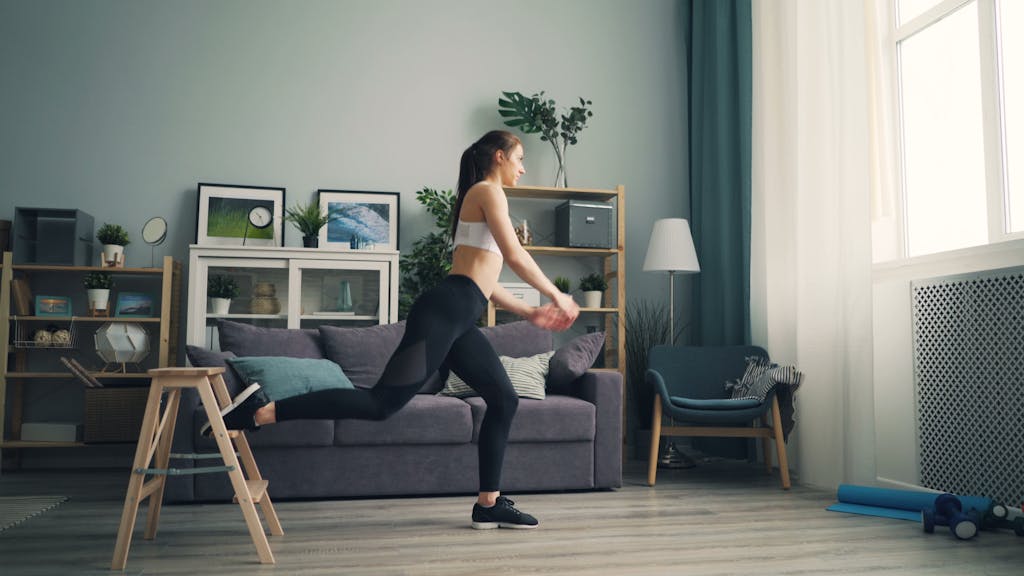
Stairs are one of the most underrated tools for staying active at home. Many people walk past them all day without realizing they can turn them into a quick strength and cardio session. Walking up stairs works your legs and glutes, and moving back down with control adds balance and stability work. You can keep it simple by climbing for one or two minutes, resting, then repeating.
If you do not have stairs, an aerobic stepper or sturdy low step can create a similar movement pattern. The goal is steady effort, not racing. Keep your hand near a rail or wall if needed, wear supportive shoes, and avoid rushing down. Stair climbing is short, practical, and easy to fit into a busy day, which makes it one of the best at-home exercises for people who hate complicated routines.
Conclusion
Staying active at home becomes much easier when you stop waiting for perfect workout conditions. You can stretch in bed, dance in the living room, move from a chair, bounce on a mini trampoline, walk with better posture, or use the stairs you already have. None of these ideas requires a full gym setup, and none of them needs to take over your day.
The real mistake is thinking movement only matters when it feels intense. Small indoor exercises can build momentum, improve energy, and help your body feel less stiff. Start with the option that feels easiest today, then repeat it tomorrow. That is how at-home fitness becomes a habit instead of another task you keep avoiding.