We like to believe that danger only comes from obviously spoiled food or something exotic on a faraway menu. In reality, some of the riskiest foods are everyday ingredients sitting in kitchens, pantries, market stalls, and grocery carts. The real problem is rarely the food alone. It is the dose, the storage, the preparation, the part we eat, or the warning sign we dismiss too quickly.
That is what makes these foods so easy to underestimate. A familiar spice can become harmful in excess, a staple root can turn toxic if processed badly, and a trusted jarred vegetable can become a medical emergency when preserved the wrong way. When we look closely, the line between food and poison is often thinner than most people expect.
Mango peel
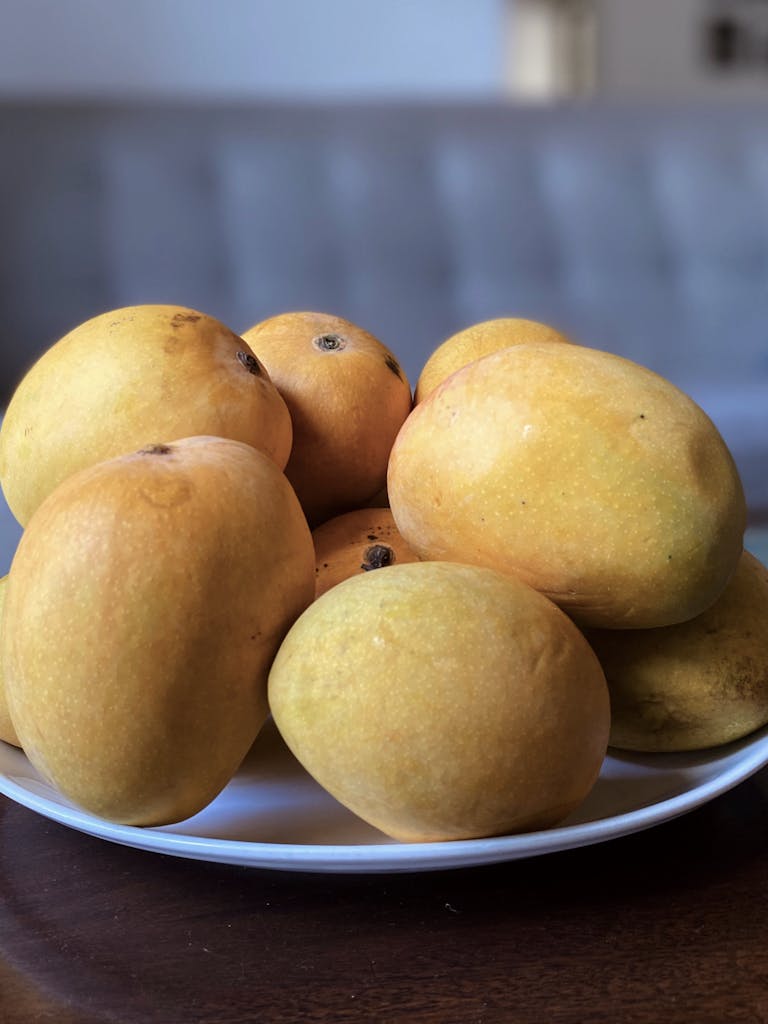
Mango rarely appears on lists of dangerous foods because the fruit itself is beloved and usually safe. The trouble is concentrated around the peel and sap for people who are sensitive to urushiol-like compounds, especially those with prior exposure to poison ivy or poison oak. For people with these sensitivities, handling or eating the peel can lead to allergic reactions such as rashes and, in rare cases, more serious symptoms. We should not fear mango as a whole, but we should understand that for the wrong person, the peel can be the trigger rather than the treat.
Apricot kernels and similar fruit seeds
The sweet fruit is not the issue here. The danger lies in certain kernels and seeds of stone fruits, where compounds such as amygdalin can convert to cyanide in the body. We should never romanticize kernels and pits as natural medicine just because they came from fruit, because nature does not guarantee safety.
Raw or undercooked red kidney beans
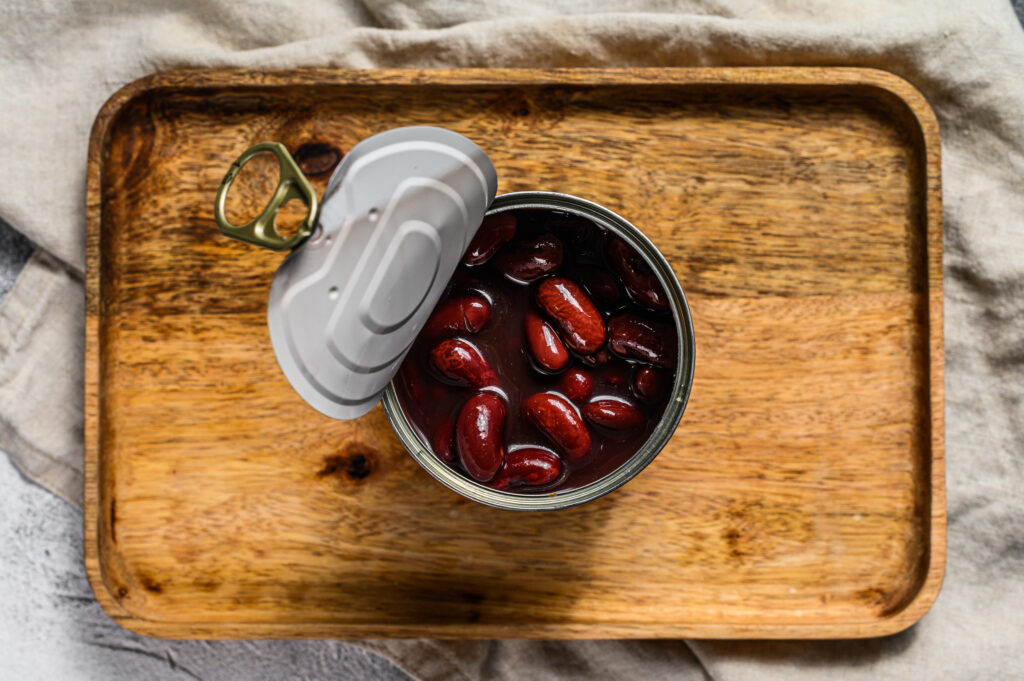
Red kidney beans look harmless, cheap, and dependable, which is why many people never imagine that improper cooking can make them dangerous. Raw or undercooked beans contain high levels of phytohaemagglutinin, a lectin that can cause severe nausea, vomiting, and diarrhea. Proper soaking and boiling of the beans is crucial to neutralize the toxin. We may think a bean is safe because it feels rustic or natural, but this is one food where proper boiling matters far more than good intentions.
Green potatoes
When potatoes turn green, many people assume the color change is only a harmless sign of age or light exposure. The more important issue is that light exposure can increase glycoalkaloids such as solanine and chaconine, compounds that can make people sick at high levels. We should treat greening, bitterness, and heavy sprouting as signals to slow down and inspect the potato carefully, because this is one of those everyday foods that quietly tells us when it is no longer a smart thing to eat.
Cassava
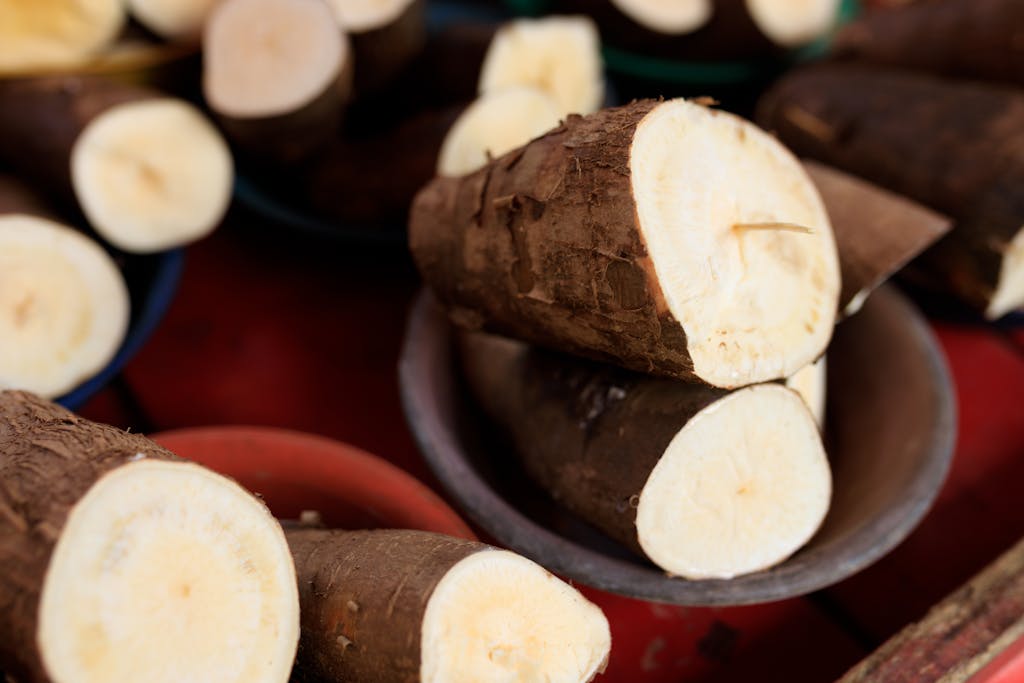
Cassava feeds millions of people around the world, which is exactly why its danger is so often overlooked. The root naturally contains cyanogenic glycosides, including linamarin, and those compounds can release cyanide when cassava is not peeled, soaked, fermented, dried, or cooked properly. We should not treat cassava as a risky food in itself, because safely processed cassava is widely eaten every day, but we should respect it as a food that becomes dangerous when shortcuts replace proper preparation.
Raw sprouts
Sprouts have a health halo that makes them seem cleaner than they really are. The problem is that the warm, humid conditions needed to grow sprouts are also ideal for germs such as Salmonella and E. coli to multiply, and the risk increases when they are eaten raw. This warning becomes more important for pregnant people, older adults, young children, and anyone with a weakened immune system. We may add sprouts to a sandwich or salad for freshness, but they are one of the clearest examples of a food that looks healthy while carrying a very real contamination risk.
Wild mushrooms
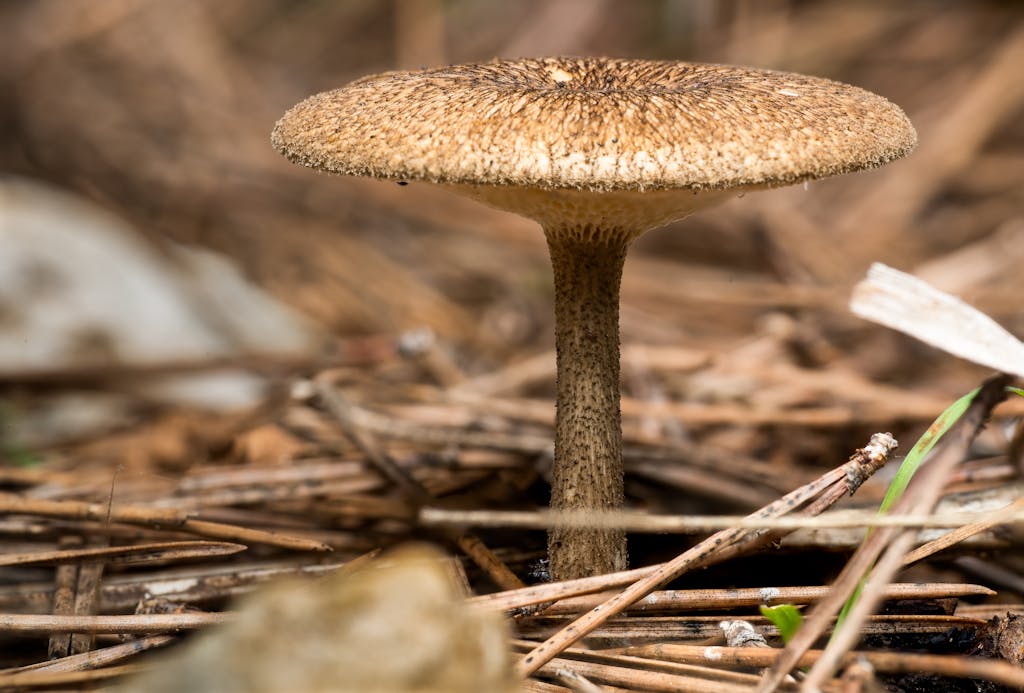
Mushrooms occupy a strange place in food culture: the edible kinds are prized, while the toxic ones can be catastrophic. Wild mushrooms may contain toxins that cause vomiting, confusion, hallucinations, liver injury, kidney injury, and death, and it’s important to remember that cooking or peeling does not reliably neutralize those toxins. We should never confuse familiarity with certainty here, because a single misidentification can turn a gourmet ingredient into an emergency.
Improperly home-canned vegetables, including mushrooms
Few food hazards are more frightening than botulism because the toxin attacks the nervous system and can be fatal. Improperly home-canned low-acid foods such as mushrooms have been identified as one of the most common causes of foodborne botulism. We should treat home preservation with precision rather than nostalgia, because a sealed jar can look wholesome while harboring one of the most dangerous foodborne toxins.
Cassia cinnamon
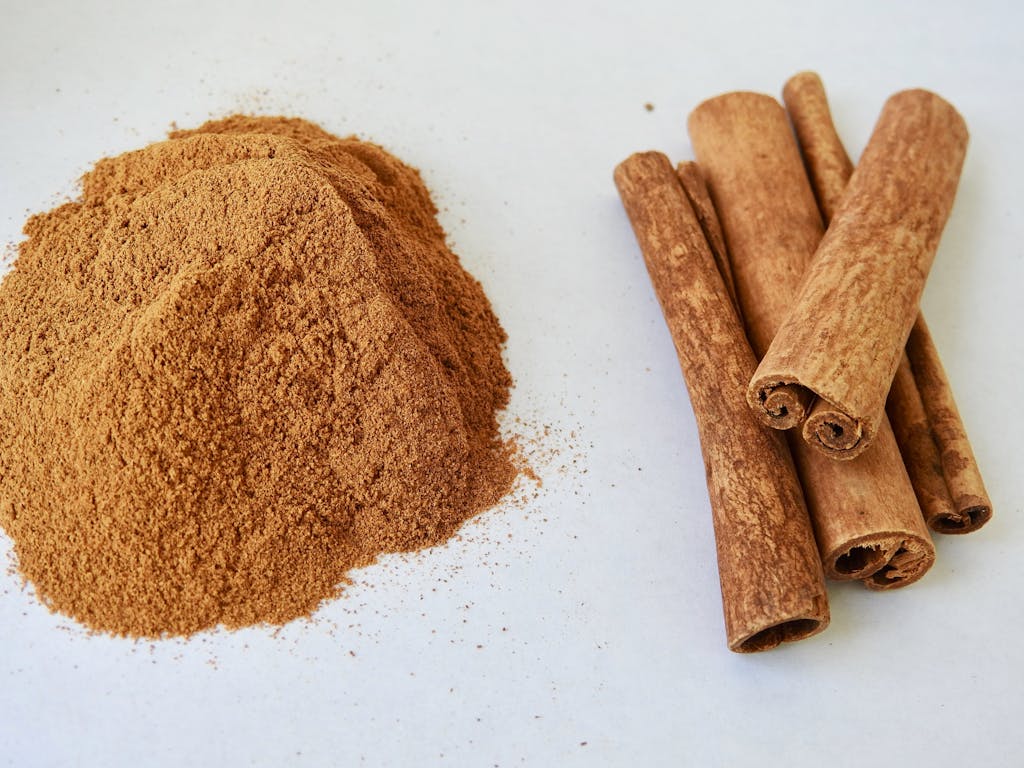
Cinnamon sounds too ordinary to belong on a list like this, yet the form matters. Cassia cinnamon, the type most commonly sold in North America, contains coumarin, and prolonged use can be an issue for sensitive people, especially those with liver disease. That does not mean a normal sprinkle on oatmeal is dangerous, but it does mean frequent heavy intake, concentrated use, or supplement-like use deserves more caution than the wellness world often admits. We should think of cinnamon as a spice first, not a limitless health shortcut.
Nutmeg
Nutmeg earns trust because we know it from baking, holiday drinks, and comfort food. Yet large amounts have been linked to poisoning, with symptoms such as agitation, hallucinations, confusion, tachycardia, and altered consciousness tied to nutmeg intoxication. Serious reactions can occur when people consume far more than culinary amounts, sometimes in attempts to get high. We should keep nutmeg in the role it was built for, because once it leaves the spice rack and enters reckless dosing, the story changes fast.
Conclusion
When these foods are placed side by side, the pattern becomes obvious. Some are dangerous because they contain natural toxins; others become hazardous when cooked or stored poorly; and others are only risky for people with sensitivities or allergies. What ties them together is not panic but respect. We stay safer when we notice the green potato, question the raw sprout, boil the beans properly, peel and process foods with care, and stop assuming that common means harmless.