If you’ve been diagnosed with fatty liver disease, it’s crucial to be mindful of what you eat. While a healthy diet supports liver function, consuming certain raw foods can put unnecessary strain on your liver and make things worse.
Here are 10 raw foods that should be avoided if you want to keep your liver healthy and avoid complications.
Raw Meat
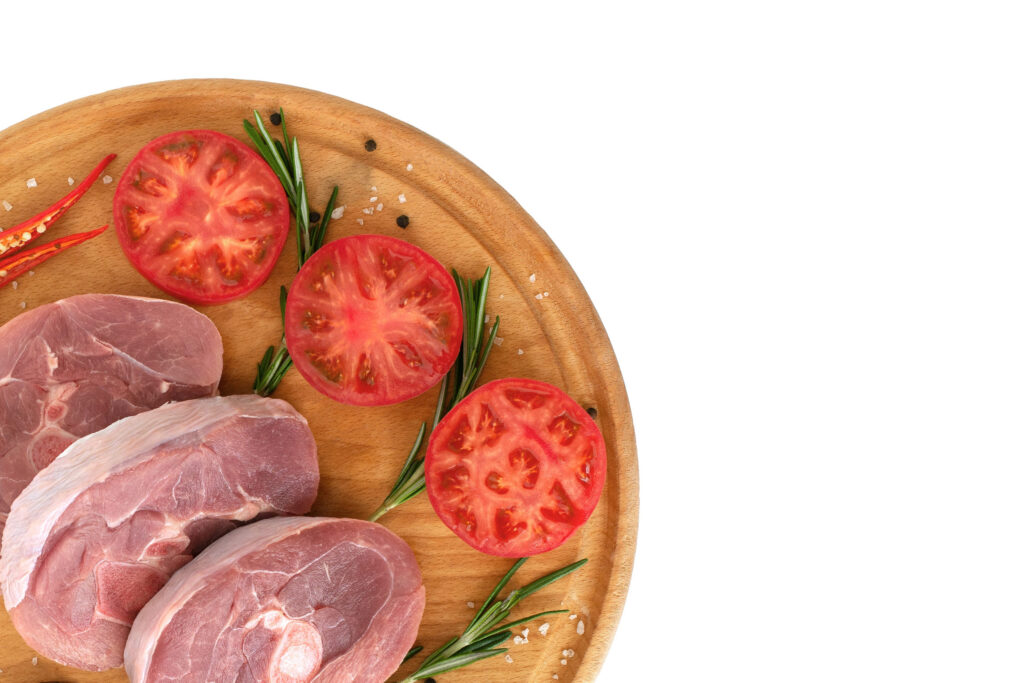
Raw meat, including beef, poultry, and pork, can contain harmful bacteria and parasites such as Salmonella, E. coli, and Toxoplasma.
For individuals with fatty liver disease, the liver’s reduced ability to process toxins and fight infections makes eating raw meat a dangerous risk. Cooking meat kills harmful microorganisms, making it safe to eat. Avoiding raw meat will help keep your liver and digestive system healthy.
Raw Shellfish
Raw shellfish, like oysters and clams, may seem like a delicacy, but they’re a dangerous choice for anyone with a fatty liver.
These creatures can carry harmful bacteria and viruses, such as Vibrio vulnificus, which can cause serious infections. Since a compromised liver is less capable of fighting off infections, it’s safer to always eat shellfish cooked, ensuring you avoid dangerous pathogens and safeguard your liver.
Raw Fish
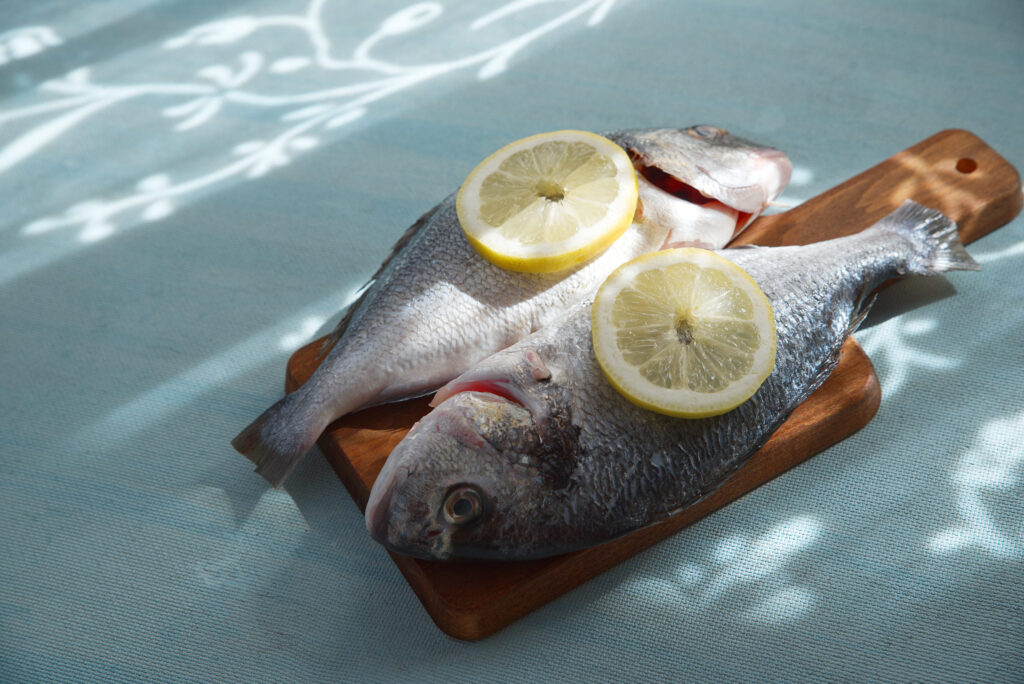
Fish is often praised for its health benefits, but raw fish can be a health hazard, especially for individuals with fatty liver.
It can contain high levels of mercury, a heavy metal that can harm the liver. Additionally, raw fish can harbor parasites, such as Anisakis, which can cause foodborne illness. Stick to cooked fish to eliminate these risks and protect your liver from further damage.
Unpasteurized Dairy
Unpasteurized dairy products, including milk, cheese, and yogurt, are rich in nutrients but pose a serious health risk when consumed raw. These products can harbor dangerous bacteria like Listeria, Salmonella, and E. coli.
For someone with fatty liver, these pathogens can overwhelm the liver’s already compromised ability to fight infections. Always choose pasteurized dairy products to ensure safety and avoid putting unnecessary strain on your liver.
Uncooked Eggs
Eggs are a great source of protein, but raw eggs should be avoided, especially if you have fatty liver disease.
Uncooked eggs can contain Salmonella, a bacterium that can cause food poisoning and worsen liver health. Moreover, raw eggs contain biotin-binding proteins that may interfere with nutrient absorption, making cooked eggs a much safer option for your liver.
Raw Sprouts
Raw sprouts, such as alfalfa, radish, and clover, are packed with nutrients but also carry a significant risk. These tiny plants grow in warm, moist environments, making them ideal breeding grounds for harmful bacteria such as Salmonella and E. coli.
If you have fatty liver, consuming raw sprouts could lead to serious infections and make your liver condition worse. Cooking sprouts thoroughly eliminates these risks and makes them safe to eat.
Raw Potatoes
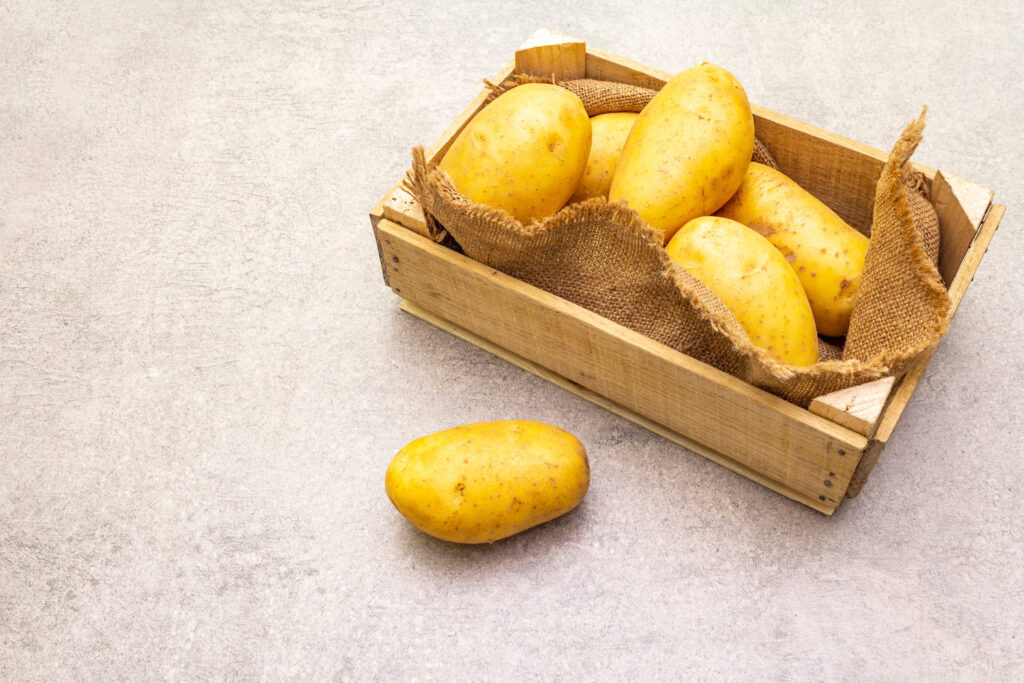
Raw potatoes, particularly those with green spots or sprouts, contain solanine, a toxic compound that can cause digestive distress and liver damage. Solanine is especially concentrated in raw or undercooked potatoes and can lead to nausea, vomiting, and other serious symptoms.
It’s essential to cook potatoes thoroughly to neutralize solanine and protect your liver from its harmful effects.
Uncooked Beans
Certain beans, such as kidney and lima beans, contain lectins—proteins that can be toxic when consumed raw. Lectins interfere with nutrient absorption and can cause digestive discomfort, potentially leading to liver complications.
If you have fatty liver, you should avoid raw beans at all costs. Cooking beans thoroughly eliminates lectins, making them safe and nutritious to eat.
Raw Fruits with Thick Skins
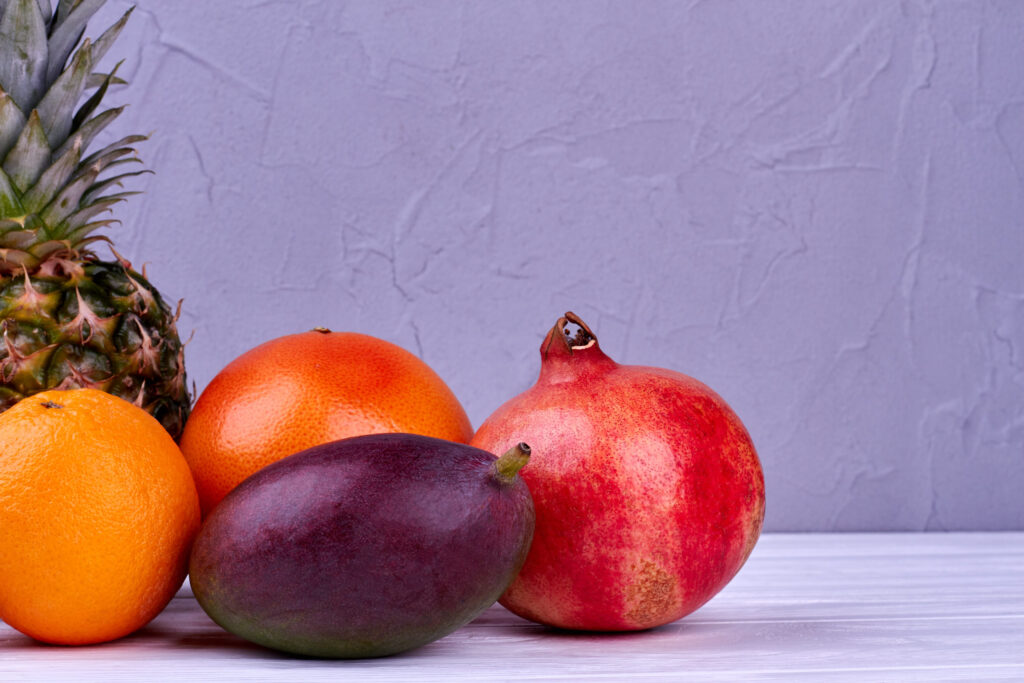
While fruits are generally healthy, some—especially those with thick skins, such as melons and mangoes—can harbor harmful bacteria if not handled properly. Even though you typically discard the skin, contamination can still affect the fruit’s flesh.
For someone with fatty liver, eating raw fruits with thick skins without proper washing or peeling can expose you to potential infections. To be safe, always wash fruits thoroughly or peel them before eating.
Raw Nuts
Raw nuts, such as almonds and cashews, are nutritious but may contain harmful bacteria or mold. These can be especially risky for individuals with fatty liver, as the liver’s weakened immune system may struggle to process or fight off these contaminants. Roasting nuts can kill bacteria and mold, making them a safer option for those with liver conditions.
Opt for roasted or pasteurized nuts to reduce the risks to your liver health.