A home does not need a grand garden to feel alive. Sometimes the most delightful greenery appears in the places people usually overlook, turning a plain corner, a damp ledge, or a forgotten container into something quietly beautiful. The truth is, some plants are far more adaptable than they get credit for, and they can thrive in spots that seem too awkward, too small, or too unusual for growing anything at all.
That is part of the charm. A little plant spilling over a bathroom shelf or rising from a kitchen jar can make a house feel warmer, softer, and more imaginative. These are the kinds of plants that prove life finds a way, even in the most unexpected corners of the home.
Pothos can thrive on top of cabinets.
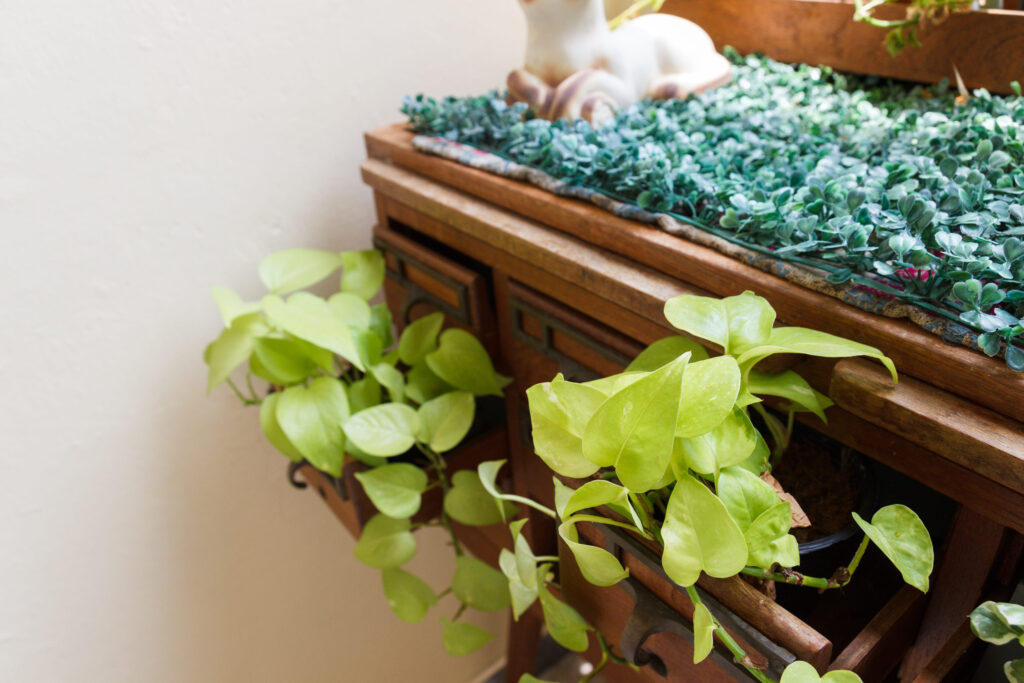
Most people think of cabinets as dead space, but pothos sees them as a stage. This trailing plant does beautifully in elevated spots where its vines can spill downward, softening the hard lines of a kitchen or living room. Even when light is not perfect, pothos often keeps going with calm determination.
It is the kind of plant that makes a room look instantly more lived in. Set it on top of a cabinet, let the vines wander, and suddenly that forgotten upper gap becomes one of the prettiest parts of the house. It asks for little, but it gives a lot in return.
Spider plants do surprisingly well in bathrooms.
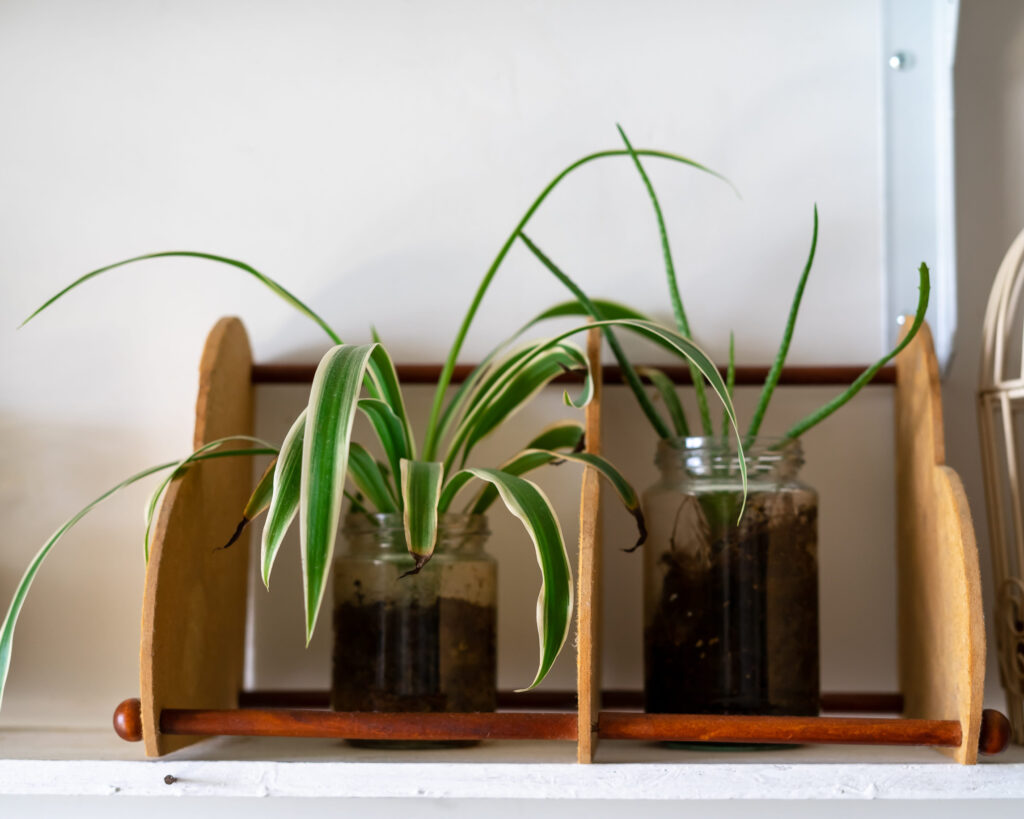
Bathrooms are often dismissed as too humid or too dim for greenery, yet spider plants can settle in there beautifully. They enjoy moisture in the air, and that extra humidity can help keep their leaves fresh and lively. A small bathroom window sill or shelf can become the perfect home for one.
There is something especially refreshing about seeing a spider plant in a bathroom. It makes the space feel cleaner, calmer, and more connected to nature. Instead of treating the bathroom as a plant-free zone, it can become one of the most welcoming green corners in the house.
Aloe vera can grow on a sunny kitchen windowsill.
The kitchen is full of movement, heat, and changing light, but aloe vera handles it with ease when given a sunny sill. It does not need much fuss, and its sculptural shape adds a neat, modern touch without looking stiff. It fits right into a space where practicality matters.
Aloe feels like a smart plant for busy homes. It looks polished, stays compact, and requires no constant attention. On a kitchen windowsill, it turns an ordinary patch of sunlight into a clean, stylish growing spot.
English ivy can climb around a staircase landing.
A staircase landing often becomes a strange in-between place, too small for furniture and too awkward for décor. That is exactly where English ivy can shine. Given a ledge, a pot, or a place to trail, it brings movement and softness to an area that usually feels forgotten.
This plant has a way of making a home feel older in the best sense, almost storybook in mood. It adds quiet drama without shouting for attention. Where there was once an empty landing, there can now be a little ribbon of green bringing the whole space to life.
Lucky bamboo can live happily in a hallway table display.
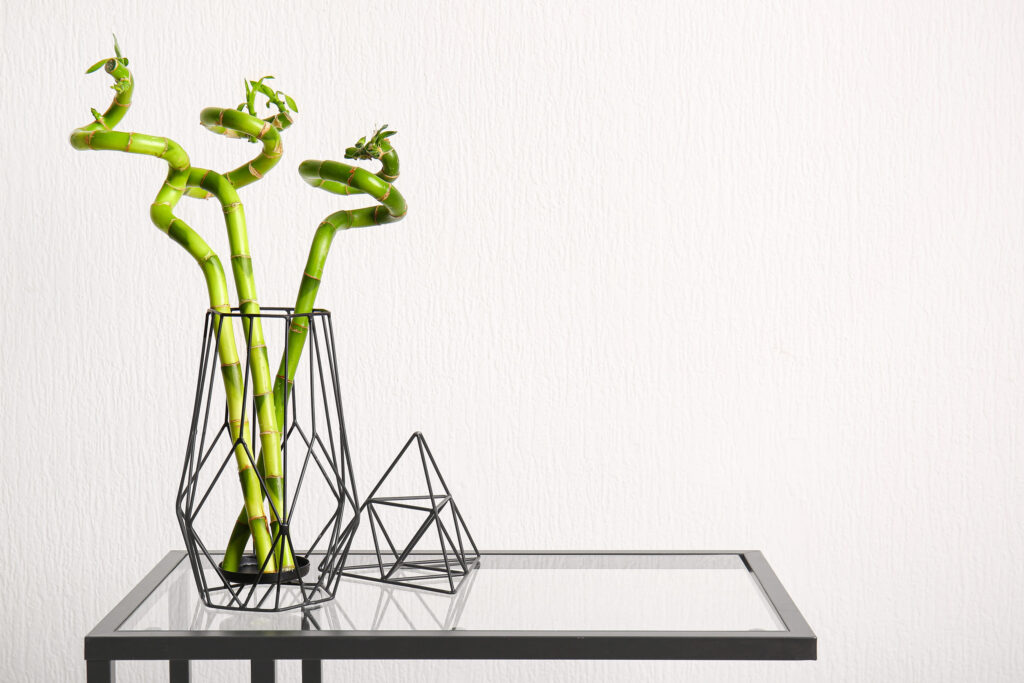
Hallways are not where most people expect plants to thrive, but lucky bamboo can be the exception. Because it can grow in water and tolerate lower light than many other plants, it fits neatly on narrow tables or small entry surfaces. It does not need a huge setup to make an impression.
There is elegance in its simplicity. A few upright green stalks in a glass container can transform a plain hallway into a more thoughtful, welcoming passage. It proves that even a transitional space can hold beauty.
Ferns can flourish near the laundry area.
The laundry area is hardly glamorous, which is exactly why a fern feels like such a clever addition. In homes where that space gets a bit of humidity and indirect light, a fern can settle in and soften the room’s practical mood. Its feathery leaves bring movement where appliances and shelves tend to feel rigid.
A laundry corner with a fern feels less like a chore station and more like part of a real home. The contrast is what makes it work so well. Against detergent bottles and folded fabrics, the plant adds texture, freshness, and a little unexpected grace.
Succulents can grow in tiny containers on side tables.
Not every plant needs a dramatic pot or a wide shelf. Succulents are masters of making small spaces feel complete, and they can grow in tiny containers placed on side tables, bedside stands, or narrow ledges. They are especially good for homes where every bit of space counts.
Their strength lies in their compact confidence. They do not sprawl or crowd, and they still manage to look striking. A small succulent in an unusual container can make even the simplest corner feel styled with intention.
Mint can grow in a sunny window by the sink
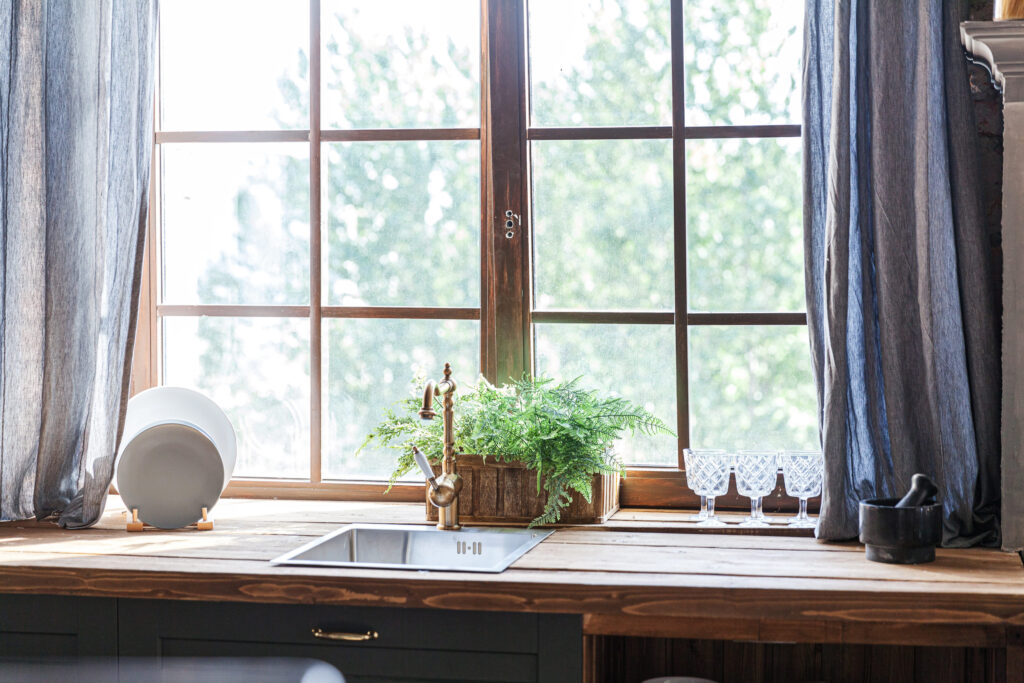
Mint is often imagined as an outdoor plant, spreading wildly through garden beds, but indoors it can be surprisingly happy near a bright sink window. That spot tends to offer light, easy access to water, and enough daily attention to keep the plant healthy. It is both decorative and useful, which makes it especially satisfying.
There is a certain pleasure in brushing past fresh mint in your own kitchen. It makes the room feel more alive, more fragrant, and a little more abundant. Instead of being tucked away outdoors, it becomes part of the rhythm of daily life.
Peace lilies can settle into office corners.
A home office corner may not seem like a natural growing place, but peace lilies often adapt beautifully to it. They tolerate indoor conditions well and bring a calm, polished presence to workspaces that can otherwise feel dry and overly functional. Their deep green leaves and elegant white blooms add quiet character.
A plant in a work corner changes the mood more than people expect. It breaks up the hard edges of screens, notebooks, and desks. A peace lily turns that productive zone into a space that still feels human and breathable.
Herbs can grow in mugs on open shelves.
Open shelves are usually reserved for dishes, books, or decorative objects, but they can also host small herbs in the most charming way. Basil, parsley, or chives can sometimes do well there if the light is decent and the shelf sits near a window. Growing them in old mugs or compact containers makes them look even more inviting.