Bullying remains a pervasive issue in schools worldwide, affecting millions of children each year. From verbal abuse to physical intimidation and cyberbullying, the forms of bullying are as varied as they are harmful. It is essential to address bullying at its core, equipping both children and parents with the tools to stop it. Here, we outline 15 highly effective strategies to help kids handle bullying, protect themselves, and foster a supportive environment.
Model Positive Behavior
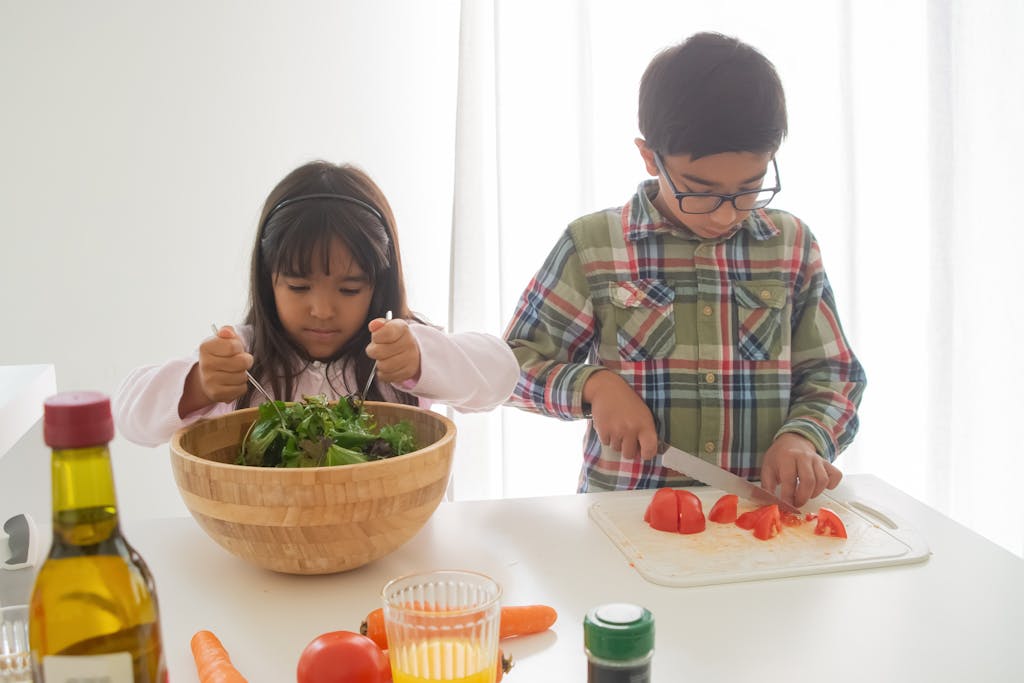
Children often mimic the behavior they see. If parents model kindness, respect, and assertiveness, children are more likely to adopt these traits themselves. Show them how to handle conflicts with dignity and compassion, both at home and in public.
Avoid Giving in to the Bully
One of the worst things a child can do is give in to a bully’s demands, whether it’s offering up possessions or giving them special treatment. This behavior feeds the bully’s sense of control and invites further abuse. Teach children that standing firm is essential to stopping the cycle of bullying.
Ensure Consistent Follow-Up
Bullying situations often don’t resolve with a one-time intervention. Ensure ongoing follow-up with school officials, teachers, and your child. Regular check-ins help address issues early and demonstrate to the child that their safety is a priority.
Understand the Nature of Bullying
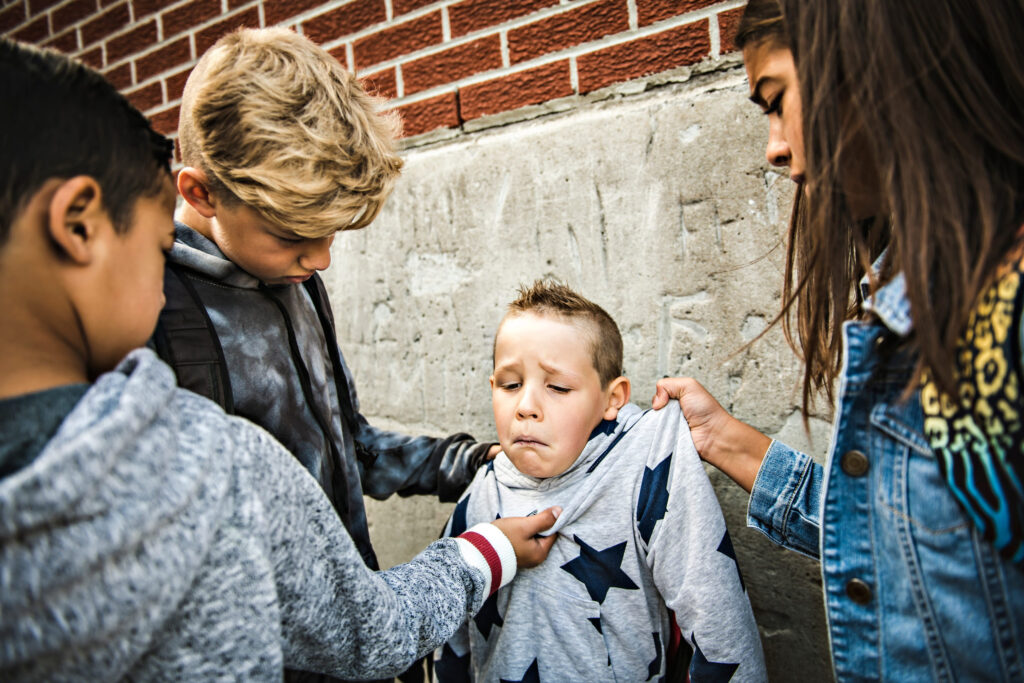
To effectively stop bullying, it’s crucial to first understand what constitutes bullying. It involves intentional, repeated aggressive behavior that can be physical, verbal, or emotional. Bullying is not just a one-off incident but a pattern of harmful actions aimed at intimidating, excluding, or controlling others.
Educate Children About Bullying
Teaching kids about the different roles in a bullying situation, bully, victim, and bystander, helps them recognize bullying behaviors when they occur. Knowledge is power. By understanding what bullying looks like, children can take steps to protect themselves and others, whether they are directly involved or not.
Encourage Group Support
Bullies often target children who are alone, seeking easy victims. Encourage your child to walk with friends or stay in groups, especially when traveling to and from school. The presence of others deters bullies, reducing the likelihood of being singled out.
Empower Kids to Take Control
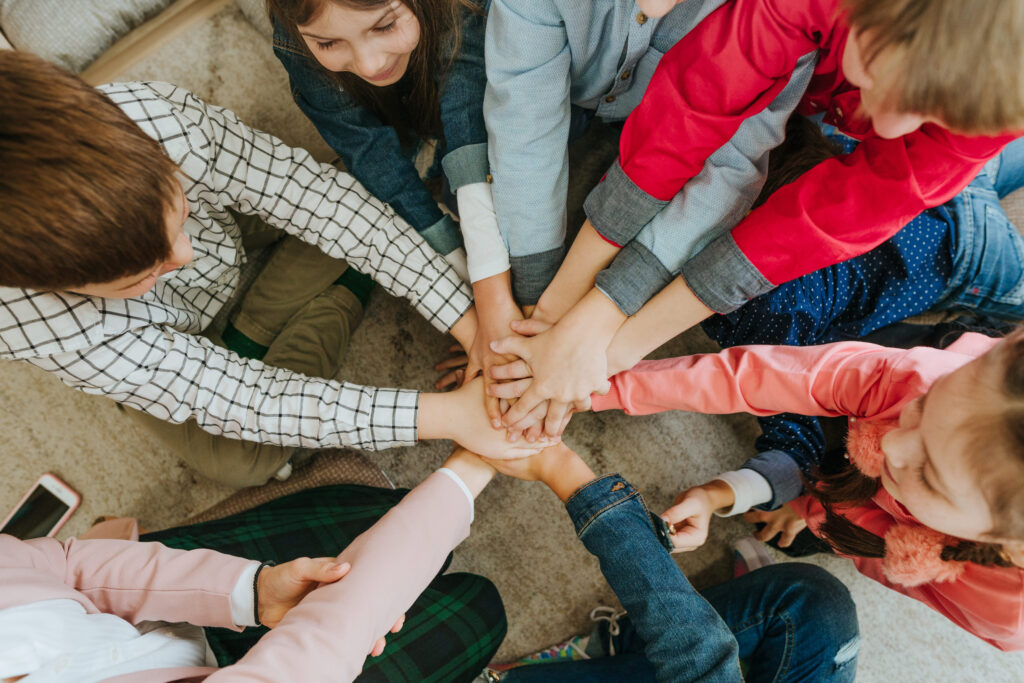
While it’s vital for parents to offer guidance, kids should have the final say in how they handle bullying. Empower them by letting them decide how to address the situation. This boosts their confidence and gives them a sense of control over their own safety.
Avoid Rescuing, Empower Instead
Rescuing children from every bullying situation can backfire, leading them to feel disempowered. Instead, focus on empowering them with the skills to handle the situation themselves, including effective communication and boundary-setting.
Be a Positive Bystander
If a child witnesses bullying, they can still make a difference. Encourage them to stand up for the victim, either by intervening when safe or by offering support afterward. Bystanders can stop bullying in its tracks, as research shows that over half of bullying incidents end when someone steps in.
Practice Handling Bullying Situations
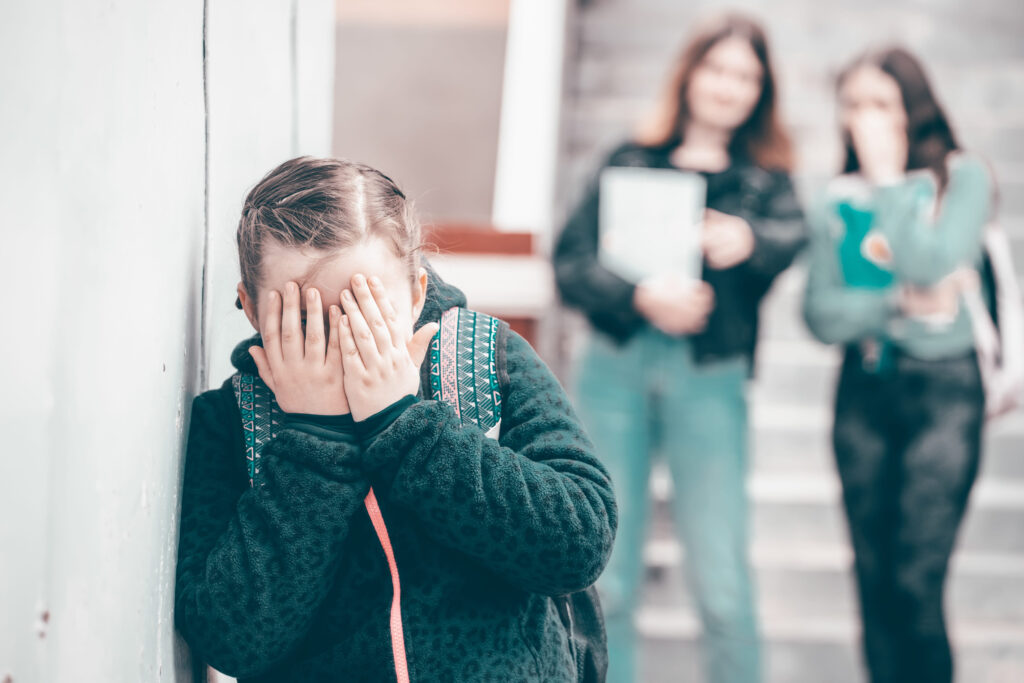
Help kids practice different scenarios they might face involving bullying. Role-playing in front of a mirror or with a friend can make these situations feel less intimidating when they arise. Practice allows kids to react naturally and confidently when needed.
Encourage a Strong Social Network
A child’s social circle plays a crucial role in bullying prevention. The more friends they have, the less likely they are to become targets. A strong social network also means more people can intervene if bullying occurs.
Learn the School’s Anti-Bullying Policies
Familiarize yourself with the school’s bullying policies and procedures. Knowing your rights and the school’s responsibilities helps you advocate effectively for your child. Schools are legally obligated to address bullying, and parents should feel empowered to ensure the system works for their child.
Foster Open Communication
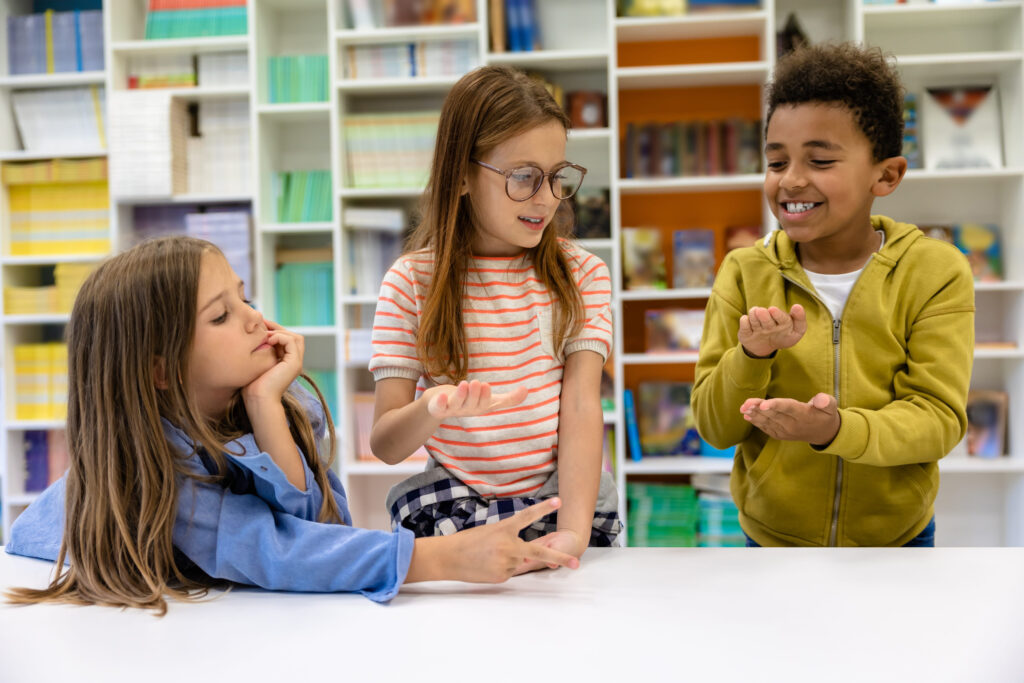
Parents must create a safe, open environment where children feel comfortable discussing bullying. A regular, nonjudgmental dialogue allows children to speak up when they need help. Remember, listening is just as important as talking.
Teach Kids to Walk Away Calmly
The best way to respond to bullying is often not to engage. Teach children to remain calm and unaffected, and to walk away from the situation without reacting. Bullies thrive on reactions; by refusing to engage, children can diminish the bully’s power.
Emphasize Positive Body Language
Physical reactions such as trembling or shrinking can invite further bullying. Teach kids to maintain confident body language, stand tall, walk with purpose, and make eye contact. These small changes can signal to bullies that they are not an easy target.
Conclusion
Bullying is a complex issue, but it can be addressed with the right strategies. Empowering children to stand up for themselves, fostering positive relationships, and encouraging a supportive environment are key components of anti-bullying efforts. By using these strategies, both parents and children can play a pivotal role in preventing and stopping bullying.