Are you constantly stressed about your finances? Do you feel like you’re working hard but getting nowhere? You’re not alone. Many people unknowingly sabotage their own savings and time management without even realizing it.
In this article, we’re exposing the 8 most common habits that are draining your resources and offering easy fixes that will help you reclaim control over your life and money.
Impulse Buying

The thrill of purchasing something new often outweighs the rational thought of whether you actually need it. Impulse buying can quickly turn into a habit, leading you to spend more than you need to, especially on non-essential items.
How to Fix It
- Implement a 24-hour rule: Wait a day before buying anything non-essential.
- Identify emotional triggers: Recognize when you’re shopping out of boredom or stress.
- Make a list: Stick to it to avoid unnecessary purchases.
Ignoring DIY Skills
Hiring professionals for simple home repairs or tasks can feel convenient, but it can also be an expensive habit. Basic skills like fixing a leaking faucet or maintaining your car can save you significant amounts of money over time.
How to Fix It
- Learn basic skills: YouTube and free online resources can teach you everything.
- Start small: Tackle easy projects before attempting bigger ones.
- Know when to outsource: Some tasks are best left to professionals, but many are simple DIY projects.
Eating Out Too Often

Grabbing lunch at a restaurant or ordering takeout may feel convenient, but it adds up quickly. With food prices rising, eating out regularly can take a significant toll on your savings. You could be spending hundreds each month without realizing it.
How to Fix It
- Cook in batches: Meal prepping can save both time and money.
- Plan your meals: Creating a weekly menu can prevent last-minute dining out.
- Keep it simple: Focus on budget-friendly meals with pantry staples.
Unnecessary Subscriptions
Subscriptions for streaming services, apps, or memberships may seem harmless, but they can sneak up on you. You may not even use them anymore, yet they continue to drain your account month after month.
How to Fix It
- Audit your subscriptions: Cancel any you don’t actively use.
- Use apps to track: Tools like Rocket Money can help keep an eye on recurring payments.
- Switch to free alternatives: Look for lower-cost or ad-supported versions of your favorite services.
You Don’t Have a Clear Budget

Failing to track your income and expenses can lead to a cycle of overspending. Without a proper budget, it’s easy to let small leaks drain your bank account. But creating a budget doesn’t have to be complex; it’s simply a matter of tracking what comes in and what goes out.
How to Fix It
- Use a simple tool or app: Tools like Mint or YNAB can simplify the process.
- Set realistic limits: Track every expense, from rent to your daily coffee.
- Review regularly: Adjust your budget monthly as your needs change.
A Closet Full of Unworn Clothes
A closet full of clothes might give the illusion of abundance, but more often than not, it’s a silent waste of money. Unworn items take up space and mental energy, and frequent shopping habits lead to unnecessary purchases.
How to Fix It
- Embrace minimalist fashion: Focus on versatile, high-quality pieces.
- Declutter regularly: Donate or sell clothes you haven’t worn in months.
- Shop with intention: Buy only what you truly need and love.
Overconsumption of Energy
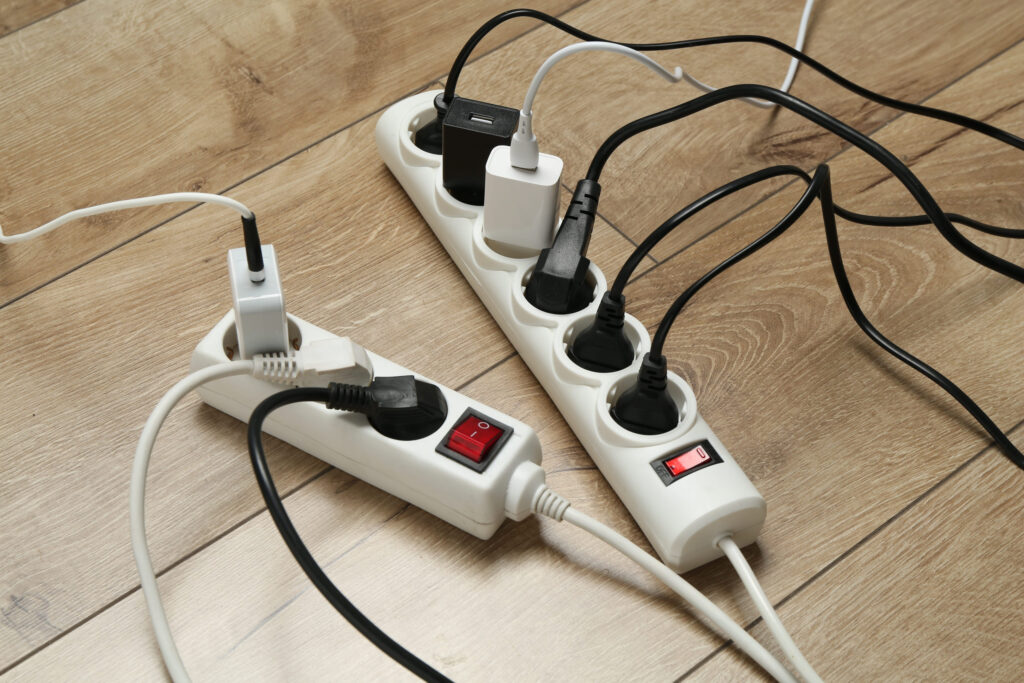
Leaving electronics plugged in, overusing heating or cooling, and failing to make energy-efficient choices are habits that increase your utility bills. These small actions add up to hundreds of dollars in wasted energy costs each year.
How to Fix It
- Turn off lights when not in use: Especially in rooms you’re not occupying.
- Unplug devices: Don’t let your phone charger or electronics draw power needlessly.
- Switch to energy-efficient appliances: Save money and reduce your carbon footprint.
Clutter and Disorganization
A cluttered environment is not only mentally exhausting, but it also leads to unnecessary purchases. When you can’t find what you need, it’s tempting to buy replacements, which piles on both financial and emotional clutter.
How to Fix It
- Declutter one room at a time: Don’t overwhelm yourself; focus on one space.
- Adopt the “four-box method”: Keep, donate, sell, or toss items.
- Maintain a clean space: Commit to regular tidying to prevent build-up.
If you’re tired of feeling like you’re working hard but getting nowhere, it’s time to take a closer look at these habits. By simplifying your life and rethinking where you’re spending your time and money, you can free up valuable resources for what really matters. What’s the first habit you’ll tackle today to start saving more and living better?