Appliances rarely fail all at once. They wear down in small, expensive steps, a strained motor here, a clogged filter there, a cracked seal that quietly forces a machine to work harder every day.
If we want refrigerators, dishwashers, ovens, washers, dryers, and microwaves to last longer, the smartest move is not to resort to heroic repair work after a breakdown. It is steady, low effort maintenance that reduces friction, heat, moisture buildup, corrosion, and preventable strain before any of those problems turn into repair bills.
A longer appliance lifespan starts with how we use each machine every day. Overloading, slamming doors, ignoring filters, leaving spills to bake on surfaces, and skipping routine cleaning all shorten the life of parts built to last, not to be abused.
The good news is that most of the habits that protect appliances are simple, cheap, and easy to repeat. A few minutes of upkeep each week can add years of useful service and help us avoid replacing major kitchen and laundry equipment before we truly need to.
Stop Overloading Appliances That Depend on Balance and Airflow
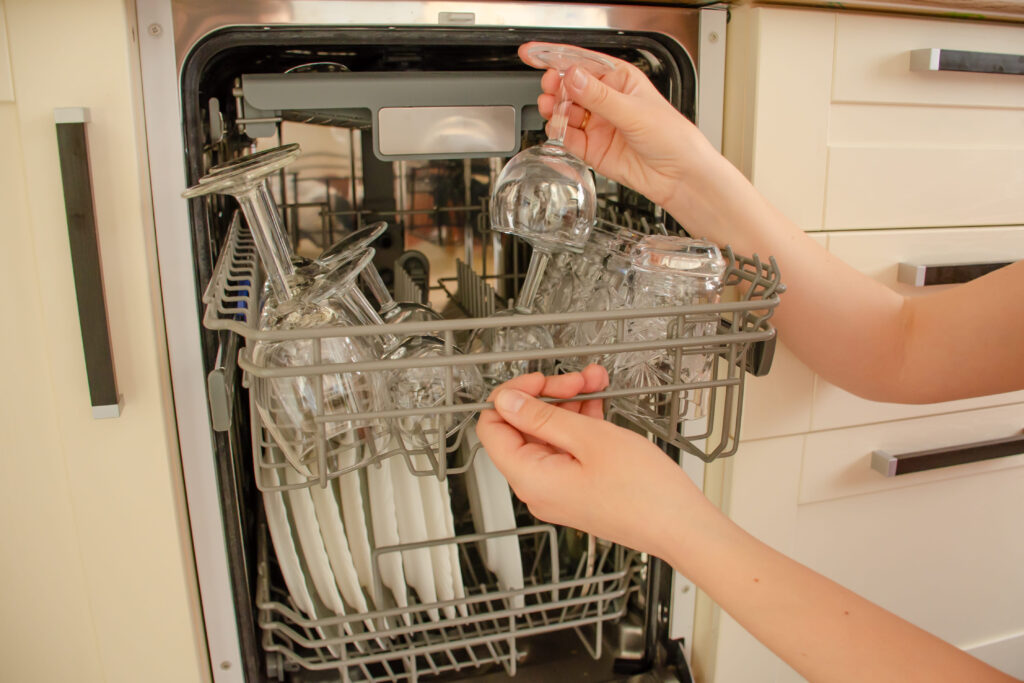
One of the fastest ways to shorten appliance life is to treat capacity as a challenge instead of a limit. Washing machines, dryers, and dishwashers all rely on movement, spacing, drainage, and balanced loads.
When we stuff them to the edge, they stop operating the way they were designed to. The motor works harder, the drum or spray arms become less efficient, and internal parts are subjected to more stress than they should over time.
In a washing machine, overloaded cycles can strain bearings, suspension components, and the drive system. The clothes do not move freely, the detergent may not rinse out fully, and the machine may vibrate more than normal.
In a dishwasher, overpacking blocks water spray, leaves residue behind, and can force the pump to work against food debris and poor drainage. In a dryer, jammed loads restrict airflow, trap moisture, and extend run times, which means more heat exposure for fabrics and machine components alike.
A better habit is to leave enough room for movement. That single adjustment protects the motor, improves cleaning performance, and reduces the temptation to rerun the same load twice. Appliance longevity often comes down to resisting the urge to save ten minutes now, only to lose years later.
Keep Refrigerator Door Seals Clean, Flexible, and Tight
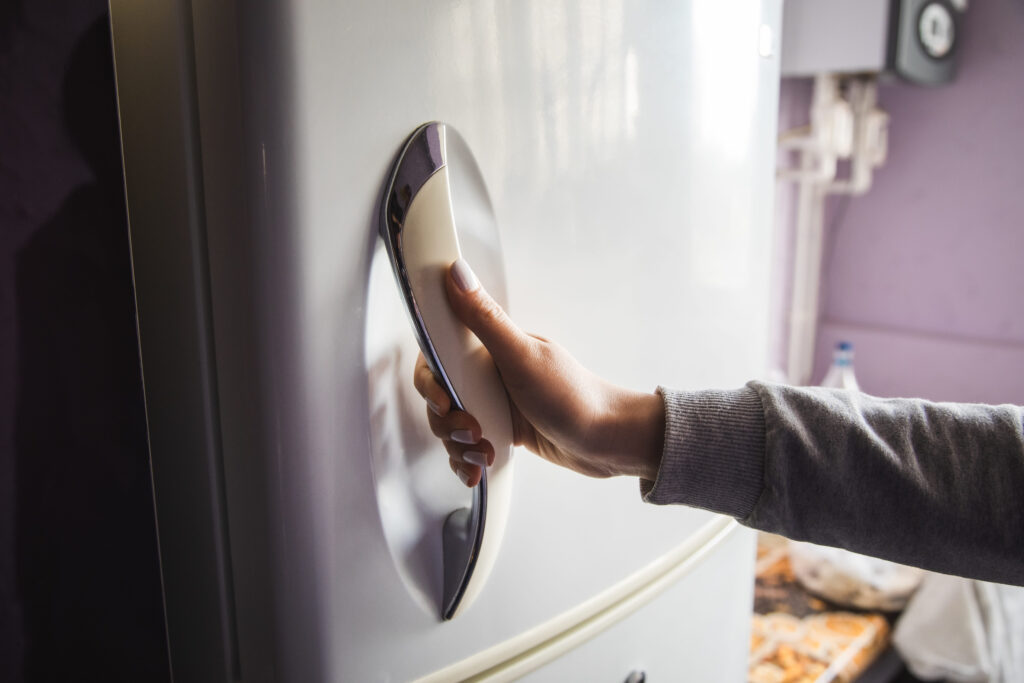
The refrigerator door gasket does quiet but essential work. It keeps cold air in, warm air out, and the compressor from running harder than necessary. Once that seal becomes sticky, cracked, loose, or dirty, the refrigerator loses efficiency and starts fighting a problem that should never have existed in the first place. That extra strain adds up in higher energy use, more temperature swings, and a shorter working life.
We should wipe door seals regularly with warm water and a soft cloth, especially around the folds where crumbs, grease, and dust tend to accumulate. If grime sits there too long, the gasket can harden or fail to close properly. When the seal is damaged, cold air escapes in tiny amounts that are easy to miss but costly over time. The refrigerator may still feel cold enough, yet it may be cycling more often than it should, which steadily wears down the compressor.
It also helps to stop yanking or slamming the refrigerator door. A rough close may seem harmless, but repeated impacts weaken alignment and stress the seal. A refrigerator lasts longer when the door closes gently, the gasket stays clean, and the machine does not have to fight room air all day.
Replace Water Filters on Schedule Instead of Waiting for Bad Taste
Refrigerators with water dispensers and ice makers have one extra maintenance task that many households delay for too long: filter replacement.
A clogged or overdue filter can restrict water flow, reduce ice maker performance, and put added strain on the system that moves water through the appliance. That kind of restriction may not cause instant failure, but it creates the sort of slow mechanical stress that shortens service life.
A practical rule is to follow the replacement interval recommended for the specific refrigerator model, then place the date on a calendar or phone reminder. Waiting until the water tastes odd or the dispenser slows down means the filter has already been working past its ideal point. Clean water systems are easier on the appliance and less likely to lead to buildup that requires future service calls.
The dispenser area also needs occasional cleaning. Moisture, fingerprints, and residue around the nozzle create a welcoming environment for grime to gather. A quick wipe keeps the area sanitary and helps prevent sticky residue from interfering with normal use. Small maintenance tasks like these are easy to ignore because they do not appear urgent, yet they protect one of the most commonly used kitchen features.
Clean Refrigerator Coils and Protect Airflow Around the Unit
Refrigerators need room to release heat. When the coils are coated in dust or the appliance is boxed in too tightly, the system has to work harder to stay cold. Extra heat is one of the biggest enemies of appliance longevity, and a refrigerator that cannot breathe properly will often age faster than one that is simply cleaned and spaced correctly.
We should vacuum or brush the coils according to the manufacturer’s guidance, especially in homes with pets, rugs, or high levels of airborne dust. The buildup can be surprising, and once it thickens, the refrigerator’s efficiency declines. The compressor may run longer cycles, surfaces may feel unusually warm, and temperature recovery after opening the door may slow down. None of these signs should be ignored.
Spacing matters too. Refrigerators pushed flush against the wall can trap heat and limit ventilation. Giving the unit the clearance it was designed for helps protect the cooling system from avoidable strain. A refrigerator that stays cool in the right places is far less likely to burn out early in its useful life.
Scrape Dishes Before Loading the Dishwasher
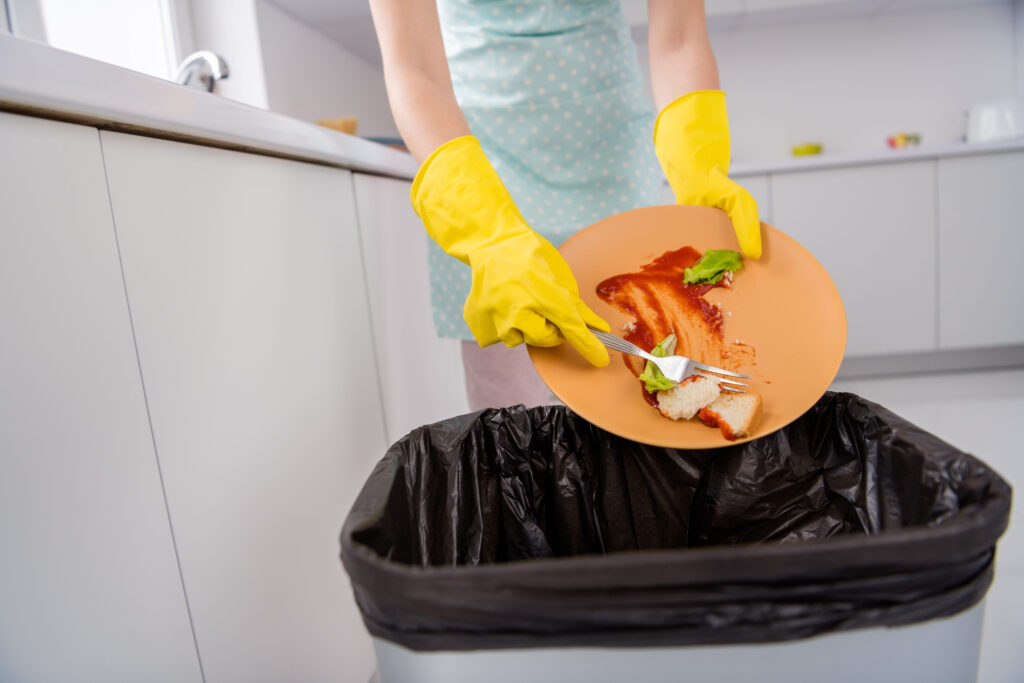
Dishwashers are built to clean dishes, not to act as garbage disposals for every leftover scrap of food on a plate. Large food particles can clog filters, foul spray arms, and settle into places that force the machine to drain poorly or circulate dirty water. That leads to repeated cycles, unpleasant smells, and extra wear on the pump and motor.
A quick scrape before loading dishes does more than improve cleaning results. It prevents the internal system from handling debris that it was never meant to carry in large volumes. The dishwasher filter should also be checked and rinsed regularly. Once grease, seeds, starch, and other residues accumulate there, water movement slows, and the machine’s performance begins to decline.
Dishwashers last longer when water can move freely and drain completely. That is why proper loading matters as much as pre-scraping. Plates should not block spray arms, cups should not trap dirty water, and tall items should not force the racks into awkward positions. Clean input and thoughtful loading produce cleaner dishes and a healthier machine.
Wash the Dishwasher Itself Before Odor and Buildup Set In
A dishwasher can look clean on the outside and still be carrying grease film, detergent residue, and trapped debris inside the parts we do not see. Over time, that buildup affects drainage, scent, spray performance, and interior hygiene. If left alone long enough, it may also contribute to wear that could have been prevented with simple monthly care.
The filter is the first place to check, but it should not be the last. The spray arms, door edges, lower basin, and rubber seals deserve attention, too. We should wipe these areas down and clear any blocked holes or lodged particles. A maintenance cycle using a dishwasher-safe cleaner or a manufacturer-approved routine can help remove film and restore proper cleaning performance.
This is one of the easiest ways to improve both performance and lifespan. A dishwasher that stays clean internally does not have to work through layers of residue. It drains better, smells better, and keeps its moving parts from struggling through preventable gunk.
Clean Cooking Spills Fast Before They Bake Into Damage
Stovetops collect more than visible mess. Oils, sauces, starches, and acidic spills can corrode finishes, clog burner areas, and harden into residue that becomes far more difficult to remove later. The longer a spill stays in place, the more likely it is to affect performance, stain surfaces, or interfere with even heat distribution.
A wipe after cooking is much easier than a deep scrub after weeks of neglect. Gas cooktops benefit from regular cleaning around the burners and caps; electric coil units need attention before food carbonizes around the elements; and smooth top ranges last longer when abrasive cleaning is avoided. Using the wrong tools can scratch surfaces and create damage that has nothing to do with age and everything to do with poor care.
Protecting a stovetop is about consistency. Clean soon after use, follow the correct disassembly method for removable parts, and never let burned residue become a permanent layer. Heat plus neglect is a bad combination for any appliance surface.
Keep Ovens Free of Grease, Carbon Buildup, and Burned Food
An oven that is left dirty for too long becomes less efficient, less pleasant to use, and potentially less safe. Grease splatter, baked-on drips, and carbonized food all affect the interior environment where heat circulates. They can create smoke, emit odors, and force heating components to operate in a dirtier space than necessary.
We should wipe fresh spills when the oven is cool enough to do so safely. Deep cleaning should happen before layers become stubborn and difficult to remove. Even self-cleaning ovens benefit from basic manual care, especially if there is heavy residue inside. Running a self-clean cycle on an oven packed with grease and debris can generate intense heat, sometimes placing extra stress on parts or producing more smoke than expected.
A clean oven heats more predictably and puts less demand on its components. Door seals, hinges, racks, and heating elements all benefit when the cavity is not coated with months-old cooking residue. This is one of those areas where basic discipline pays off in performance, safety, and longer appliance life.
Defrost Freezers When Frost Starts Taking Over Space and Efficiency
Frost buildup is more than a cosmetic annoyance. In freezers without automatic frost control, excess ice reduces usable space, affects airflow, and can force the system to work harder to maintain the right temperature. That means lower efficiency and more stress on the parts that keep food frozen.
If the freezer model requires manual defrosting, we should handle it before the frost gets excessive. Waiting until drawers stick or shelves become difficult to use only makes the task more inconvenient. Once thick frost accumulates, the appliance may be spending more effort fighting ice than preserving the performance we expect from it.
During defrosting, it helps to inspect door seals, interior surfaces, and drain areas for signs of wear or hidden mess. A freezer that is clean, properly sealed, and free of avoidable ice buildup will generally run more smoothly. That matters because cold storage appliances tend to work around the clock, and anything that reduces constant strain is worth doing.
Clean Dryer Lint Every Time and Check the Vent Routinely
No appliance punishes neglect quite like the dryer. A clogged lint trap restricts airflow, increases drying time, traps heat, and places unnecessary stress on the heating system and motor. It also raises a serious fire risk. Cleaning the lint screen after every load is one of the simplest maintenance habits in the home, and one of the most important.
That habit should extend beyond the visible trap. The vent hose and exterior vent opening need periodic inspection, too. Lint can collect in places we do not see, especially if the vent path is long or has bends that slow airflow. A dryer that takes longer and longer to finish a load is often sending a clear warning that airflow is compromised.
When airflow improves, the dryer works less to do the same job. That translates into lower wear, lower heat buildup, and a better chance that the appliance will stay reliable for years. Clean airflow is the foundation of dryer longevity.
Clean the Washing Machine Even Though It Cleans Clothes
Washing machines deal with detergent residue, fabric fibers, body oils, mineral deposits, and whatever gets left in pockets. Over time, that combination can create soap scum, odor, clogged drains, and buildup around the drum, dispenser, and gasket. A washer that smells stale or leaves clothes with residue is already asking for attention.
Routine maintenance keeps that buildup from becoming a bigger problem. Running a hot cleaning cycle with the appropriate cleaner for the machine type helps clear the interior. The detergent drawer, rubber door gasket on front loaders, and drain filter should not be ignored. These are the places where moisture lingers, and grime quietly settles.
The best way to protect a washing machine is to keep it dry and clean between uses. Leaving the door or lid open for a while after a cycle helps moisture escape. Using too much detergent should also be avoided, as excess soap leaves more residue and results in cleaner clothes. A washer lasts longer when it is not forced to live in its own leftover sludge.
Use an Appliance Maintenance Schedule Instead of Waiting for Trouble
Households that get the most life from appliances usually do not rely solely on memory. They create a rhythm. A monthly check, a seasonal deep clean, and a yearly inspection keep problems small and visible. Without that rhythm, maintenance becomes random, and random maintenance usually means reacting only after performance has already declined.
A simple schedule can include cleaning refrigerator seals, checking filters, wiping appliance interiors, inspecting hoses and vents, and watching for unusual sounds or temperature changes. None of those tasks is dramatic, yet they keep wearing from building in silence. Preventive care beats reactive care almost every time.
Appliances rarely ask for much. They ask for space, airflow, basic cleanliness, correct loading, and a little consistency. Give them that, and they are far more likely to stay in service long after a neglected machine from the same year has already failed.
Change Filters Wherever the Appliance Has One
Across the home, filters quietly protect appliances from dust, debris, buildup, and restricted flow. The trouble is that filters are easy to forget because they do not always announce themselves loudly when they need replacement. A machine may continue running, just less efficiently, while hidden strain grows in the background.
Refrigerators, range hoods, water dispensers, air-related components, and some laundry systems all depend on filters to operate properly. Once those filters clog, performance drops, and internal parts compensate by working harder. That often shows up later as slower operation, noisier cycles, or a repair issue that feels sudden even though it developed gradually.
The solution is routine, not guesswork. Keeping a maintenance calendar for filter checks and replacements turns a forgettable task into a standard household habit. Appliances last longer when the systems designed to protect them are actually maintained.
Choose Simple, Repair-Friendly Appliances When Buying New
Long appliance life does not begin only after purchase. It often begins at the buying stage. Machines packed with touchscreens, novelty extras, and highly specialized features can be appealing, but every added system is one more thing that can fail. A simpler appliance with solid-core performance is often more likely to remain useful for years.
That does not mean every advanced feature is a bad choice. It means we should weigh convenience against repair complexity. If the main goal is long-term reliability, the most durable option is often the model that does its primary job well without becoming a bundle of unnecessary electronics. The more complicated the appliance, the more expensive and frustrating service can be when a single component fails.
A practical buying mindset protects the budget twice, once at checkout and again years later when fewer repairs are needed. Durability is not always flashy, but it is usually the better long game.
Wipe Down the Microwave Before Splatters Harden
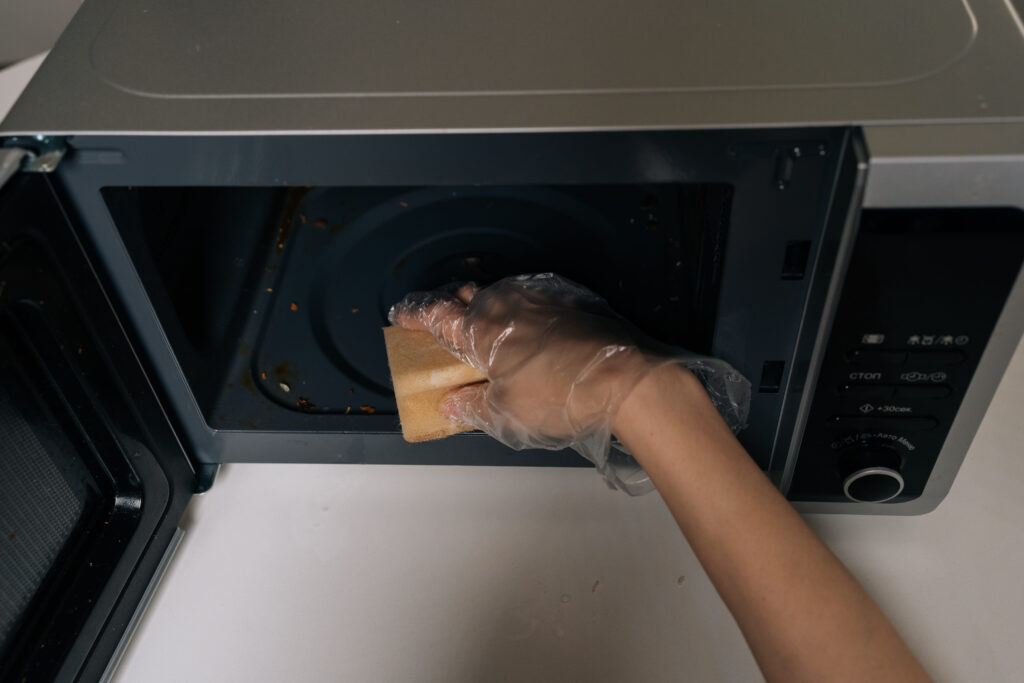
Microwaves do not usually fail because of one dramatic mistake. They tend to degrade through repeated exposure to grime, hardened food residue, blocked vents, and careless use. When splatters are left inside, they can bake on, absorb energy unevenly, and create persistent odors and stains that only get harder to remove over time.
A simple wipe down after messy heating sessions keeps the interior cleaner and easier to maintain. Using a cover while heating food also reduces splatter and the need for aggressive scrubbing later. The door seal and latch area deserve attention, too, because they affect how securely the microwave closes.
This is not complicated maintenance, but it matters. A microwave that stays clean, dry, and free of old food buildup tends to perform more consistently and remain easier to use without the slow decline that comes from neglect.