Hand washing clothes may seem old-fashioned, but it’s one of the most effective ways to keep your garments in top-notch condition.
Instead of tossing everything into the washing machine, this method offers a gentler touch, helping to preserve delicate fabrics, colors, and even the overall structure of your clothes. Here’s your ultimate guide to hand washing clothes the right way to extend their lifespan.
Why Choose Hand Washing Over Machine Washing?
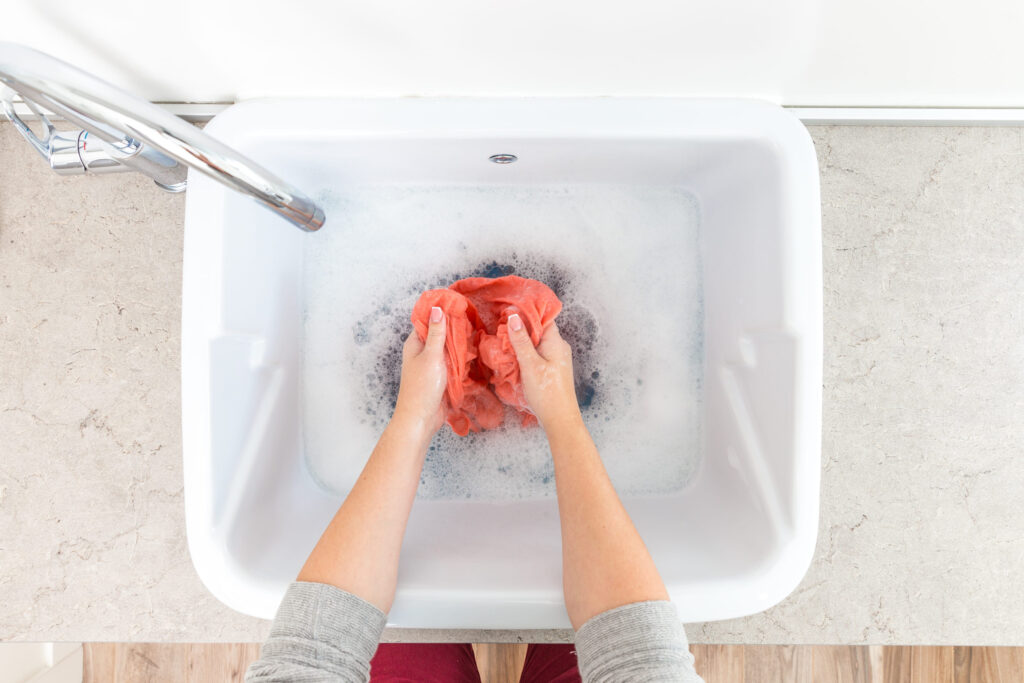
You might be asking, “Why go through the trouble of hand washing?” The answer is simple—delicate fabrics such as silk, wool, and lace need extra care that machines can’t provide.
The roughness of a washing machine’s spin cycle can cause irreversible damage, from shrinking to fading. Hand washing gives you control over keeping your clothes intact without compromising their quality.
Gather Your Supplies
Preparation is key. You’ll need a large basin or sink, mild detergent (ideally one suited for delicates), cool or lukewarm water, and a towel or drying rack.
These items ensure your hand-washing process runs smoothly and that your clothes receive the care they deserve.
Fill the Basin with Cool Water
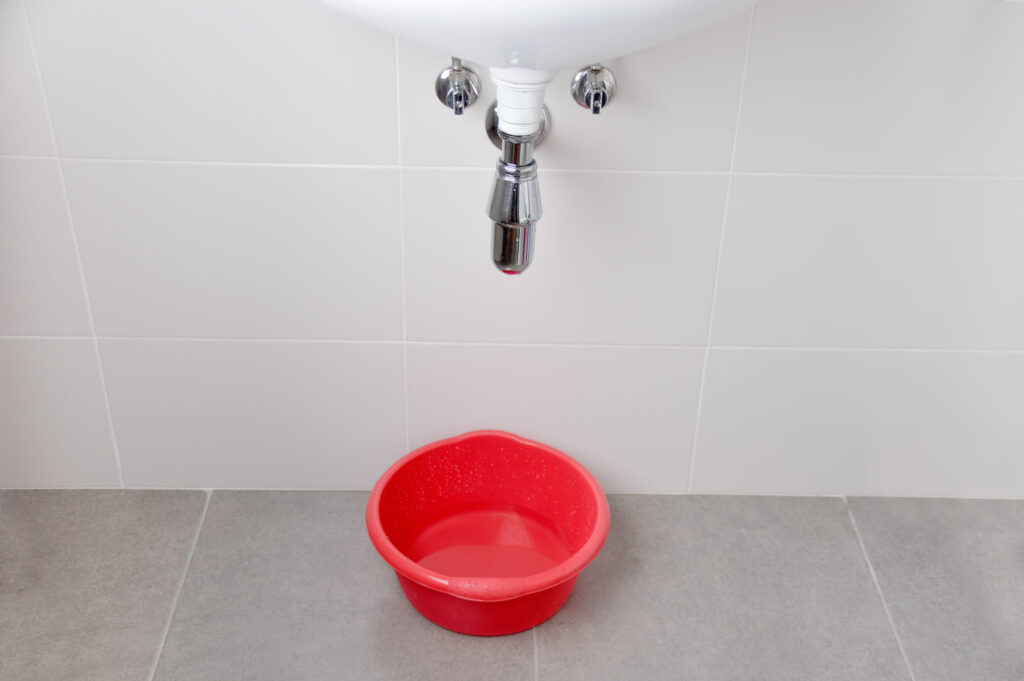
Start by filling your basin with cool or lukewarm water—never hot.
Hot water can shrink or distort delicate fabrics, so it’s crucial to use a temperature that’s gentle on your clothes. Aim for water that’s comfortably warm to the touch but not too hot.
Add the Right Amount of Detergent
When it comes to detergent, less is more. Add only a small amount—about a tablespoon for each load. Using too much detergent can leave residue on your clothes, making them feel sticky or stiff.
Swirl the water to dissolve the detergent evenly, then ensure it’s well mixed before adding your clothes.
Let Your Clothes Soak
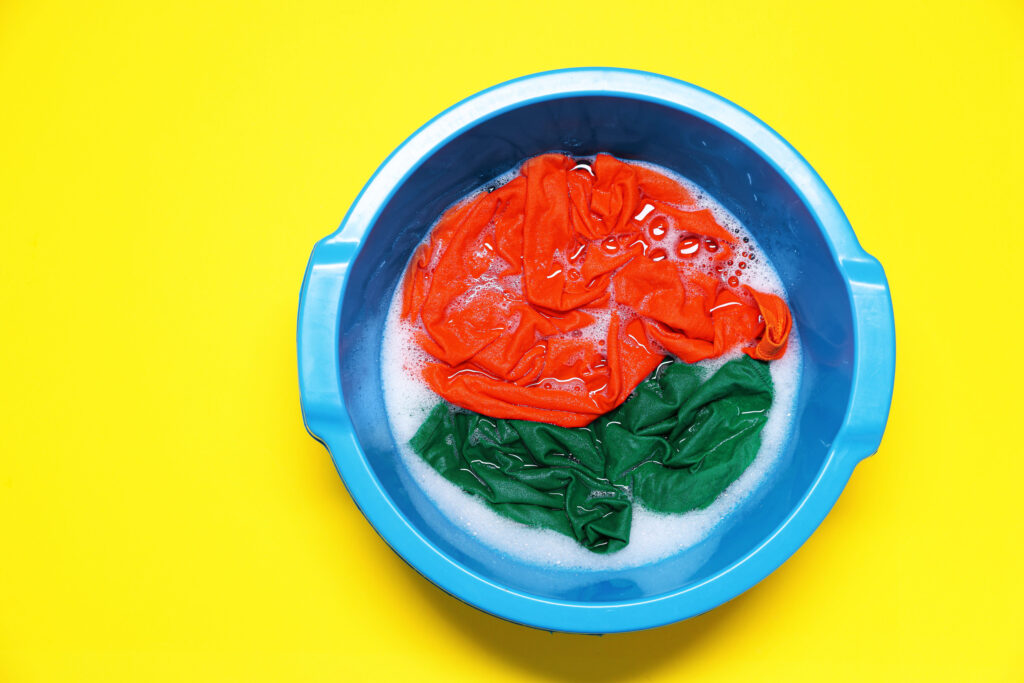
Once the detergent is mixed in, gently submerge your clothes in the water.
Allow them to soak for about 10 minutes, giving the detergent time to loosen dirt and grime. For heavily soiled areas, lightly agitate the fabric; avoid scrubbing or rubbing too hard.
Gently Agitate for Deeper Clean
After soaking, gently agitate the clothing in the water by swishing it around with your hands. Don’t twist, wring, or pull on the fabric—this could cause stretching or damage.
For tougher stains, gently rub the fabric between your hands, but keep the pressure light to protect the fibers.
Rinse Thoroughly
Once your clothes are clean, it’s time to rinse them thoroughly. Drain the soapy water and fill the basin with fresh, cool water.
Swish the clothes around in the new water to rinse out all the detergent. Repeat this process until the water runs clear and no soap residue is left behind.
Press, Don’t Wring
Here’s an essential tip: never wring out your hand-washed clothes. Wringing can cause fabrics to stretch and lose their shape. Instead, gently press the water out by rolling the garment in a clean towel.
Lay the towel flat, place the item on top, and then gently roll it up, pressing as you go. This method absorbs excess water without damaging the fabric.
Dry Flat or Hang Properly
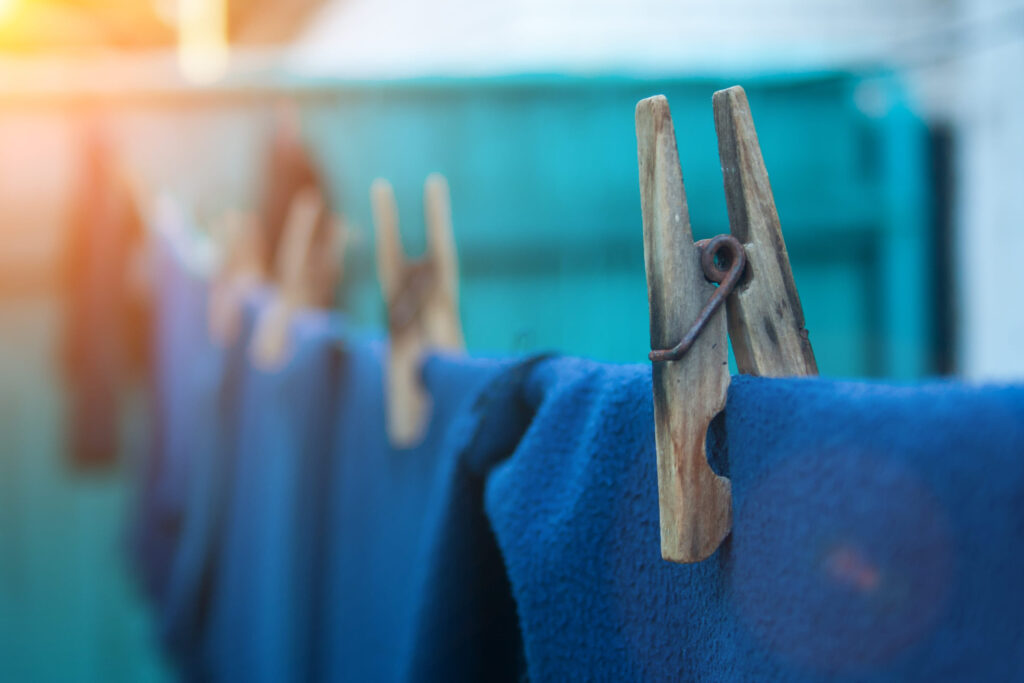
The drying process is crucial. For most clothes, it’s best to dry them flat to avoid stretching. Lay them out on a towel or drying rack in their natural shape, and never hang delicate items.
Hanging can distort their structure, especially for knits and wool. For items like sweaters, avoid direct heat sources such as radiators, which can cause shrinkage.
Store with Care
After your clothes have dried completely, store them with care. Fold them neatly or hang them so they maintain their shape.
Be mindful of how you store delicates—avoid overcrowding closets, as this can cause garments to lose their form over time. Also, try to store clothes in breathable fabric bags for extra protection.