We all want to cut back on energy use and save money, but what if the energy-saving products we’re investing in are actually doing more harm than good? Despite their promising labels, many of these gadgets come with serious drawbacks that could leave you frustrated and out of pocket. Here are 8 uncomfortable truths about energy-efficient products that you might not have considered.
High Costs, Low Savings
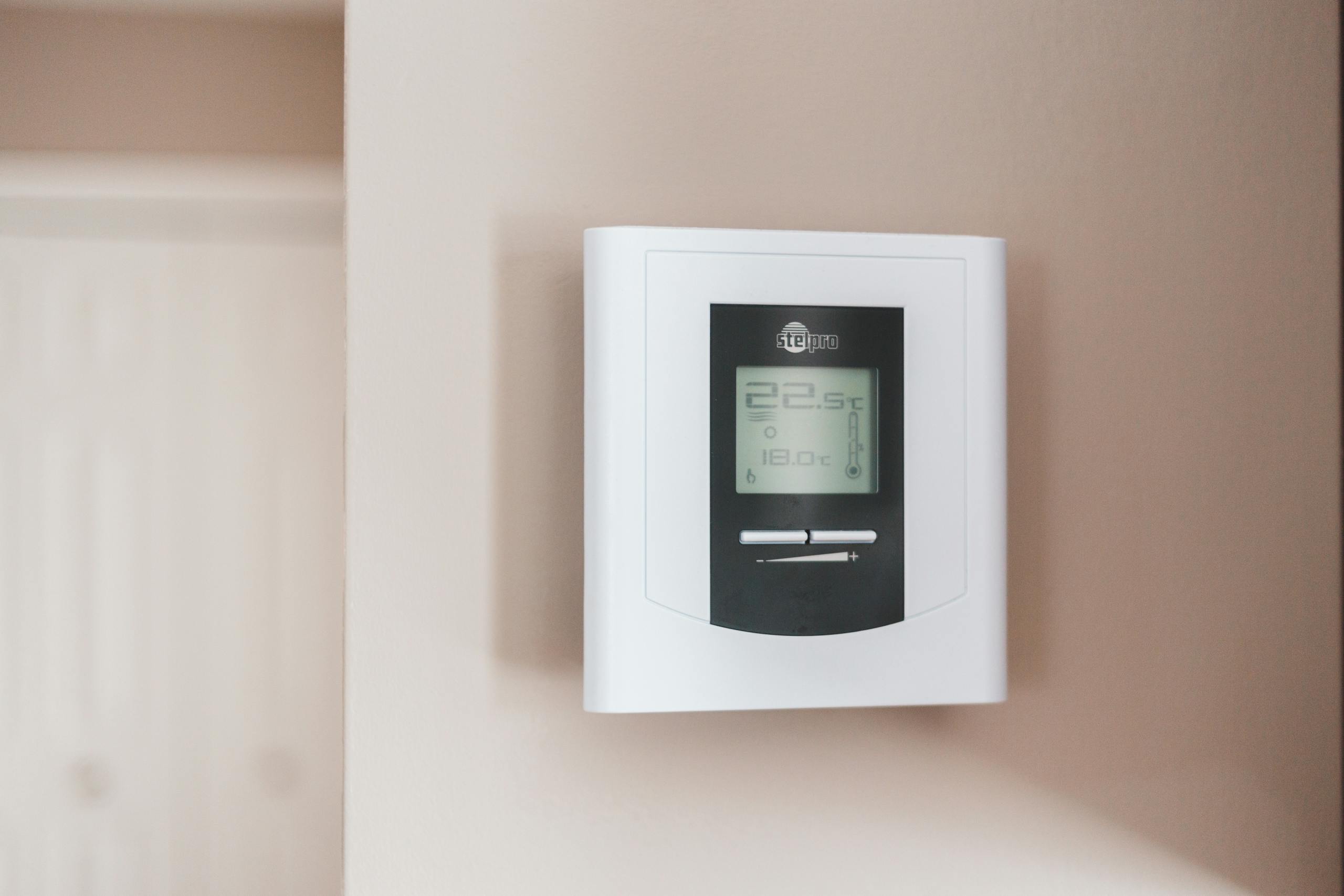
Smart thermostats promise to optimize your home’s heating and cooling, claiming to lower your energy bills by learning your preferences. But what they don’t always mention is the high upfront cost.
On top of that, you might need professional installation and upgrades to your HVAC system if it’s incompatible with the new system. While these thermostats may offer some savings, many users find that they don’t deliver the results they were promised, especially in older homes with inefficient insulation.
What was sold as a “smart” solution may turn out to be an expensive gadget that fails to deliver on its promises.
Energy Savings or Connectivity Problems?
Smart plugs are marketed as an easy fix for eliminating “energy vampires,” devices that consume power even when they’re turned off. However, these plugs come with a variety of issues.
They require a stable Wi-Fi connection, which can be a hassle if your network goes down. Plus, some models cause interference with other smart devices, leading to system malfunctions or, in extreme cases, safety hazards.
With little warning about these potential issues, you may find that smart plugs are more of a headache than a solution to your energy problems.
Circulating Hot Air, Not Cooling It
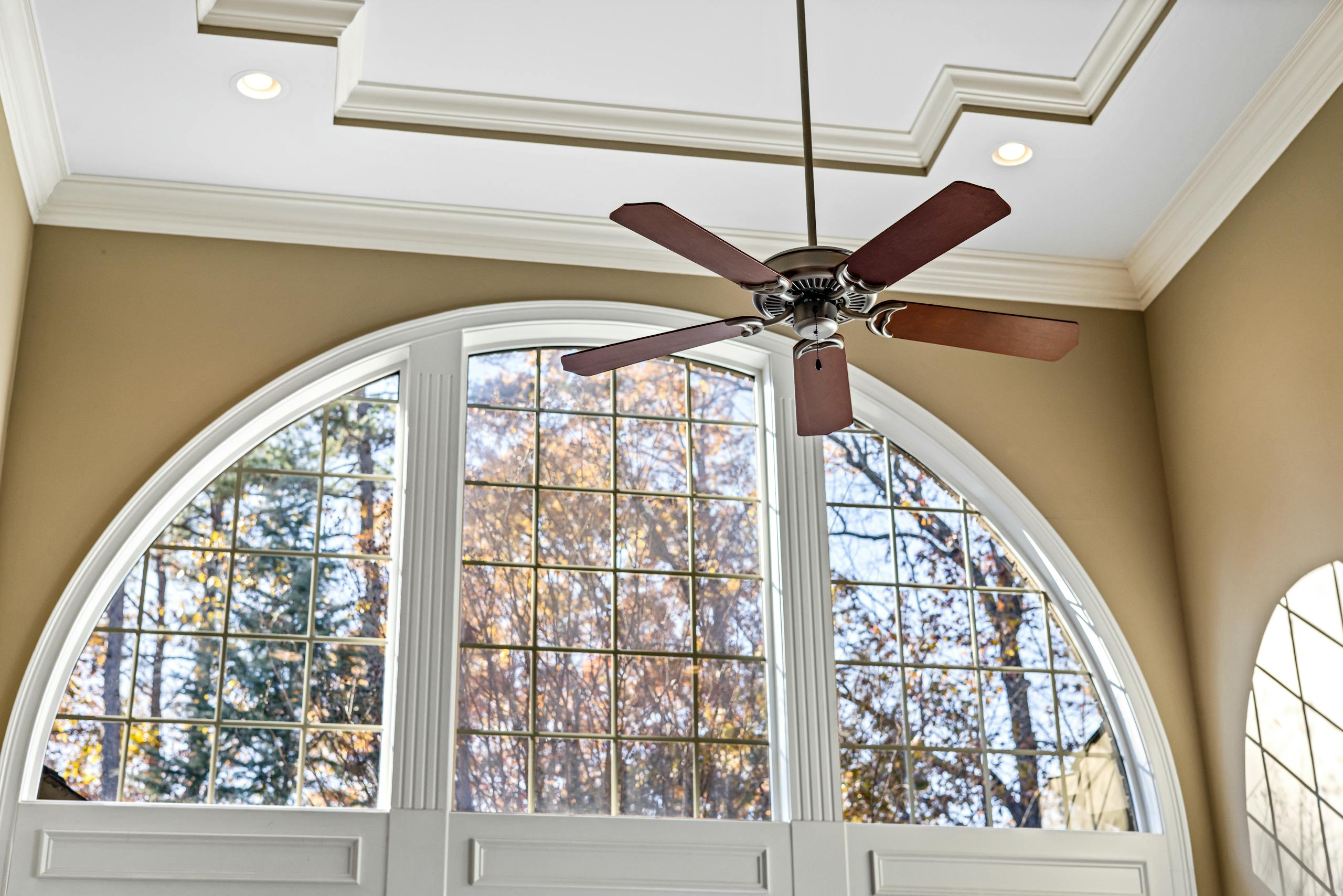
Ceiling fans are often promoted as an energy-efficient alternative to air conditioning. Unlike air conditioners, which actually lower room temperature, ceiling fans simply circulate air and do not cool a room.
This can cause you to feel a difference without actually reducing the temperature, especially in hot climates, leading to possible discomfort. Moreover, running these fans continuously increases your electricity consumption, potentially negating the intended savings compared to turning on air conditioning only when truly necessary.
Thus, the potential for cost reduction is not always realized compared to traditional cooling methods.
Wasted Water and Resources
Smart sprinklers are designed to save water by automatically adjusting watering schedules based on weather data. However, these systems often don’t work as well as promised.
Inaccurate weather forecasts or improperly calibrated sprinklers can lead to overwatering or underwatering, wasting both water and money.
Additionally, setting up these systems can be a complicated and costly process, requiring professional installation. Instead of saving you time and money, a smart sprinkler system could end up being another source of frustration.
Higher Bills, Worse Showers
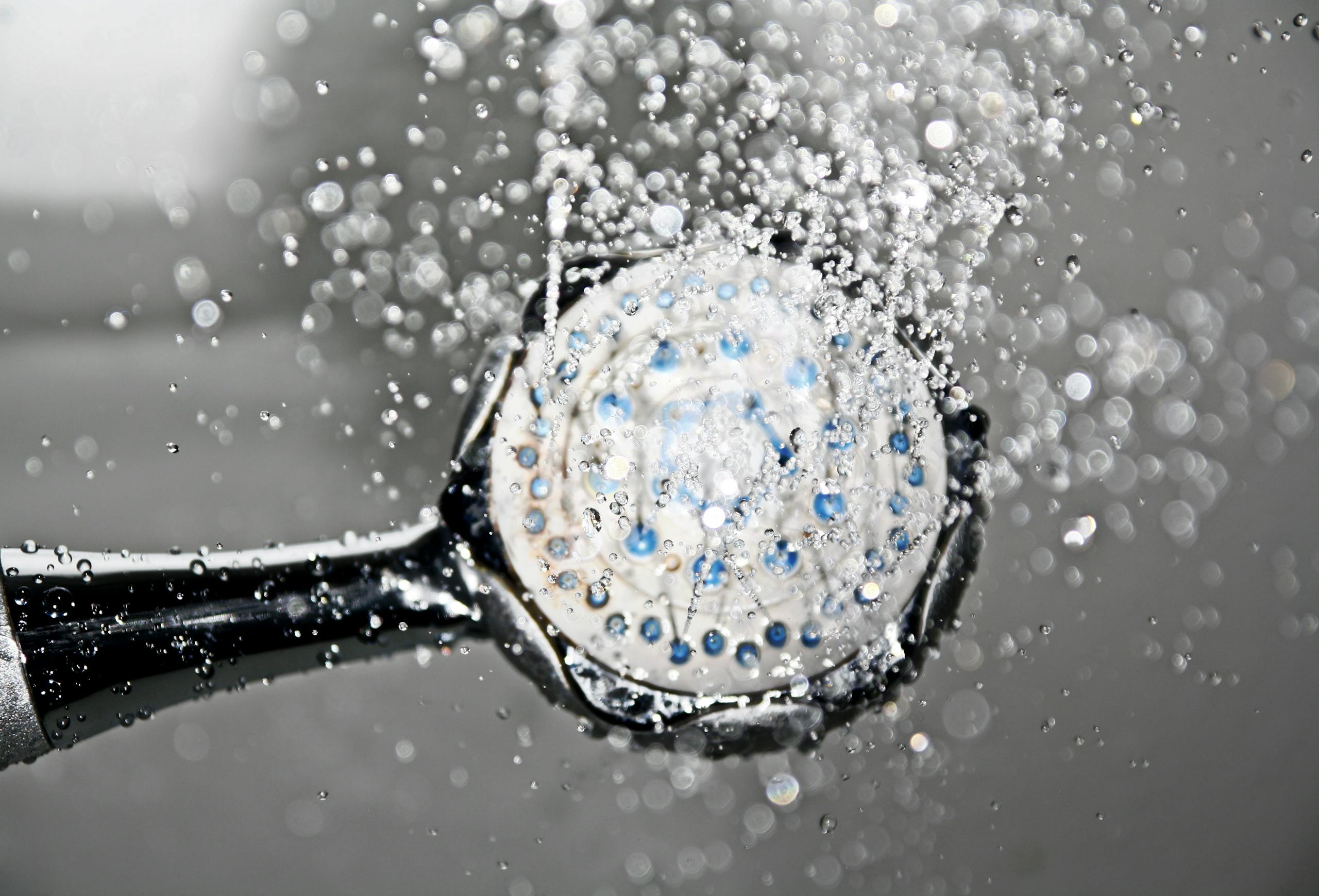
Low-flow showerheads are meant to save water and energy, but compared to traditional showerheads, they often reduce water pressure and shower satisfaction.
Many people try to compensate for this lower flow by running the water longer, which can increase energy use as more hot water is consumed.
Instead of simply replacing a conventional showerhead with an energy-saving model, consider whether the trade-offs will cost you more in energy than you save in water.
Overly Sensitive and Unreliable
Motion sensor lights are supposed to save energy by turning on only when needed. But these lights can often be overly sensitive, switching on for no reason, such as when a pet moves nearby or a draft passes by.
In some cases, the lights may flicker or malfunction altogether. They also come with higher installation costs and may require maintenance over time.
What was supposed to be a simple energy-saving solution can quickly become an unreliable and expensive inconvenience.
Big Costs, Small Savings
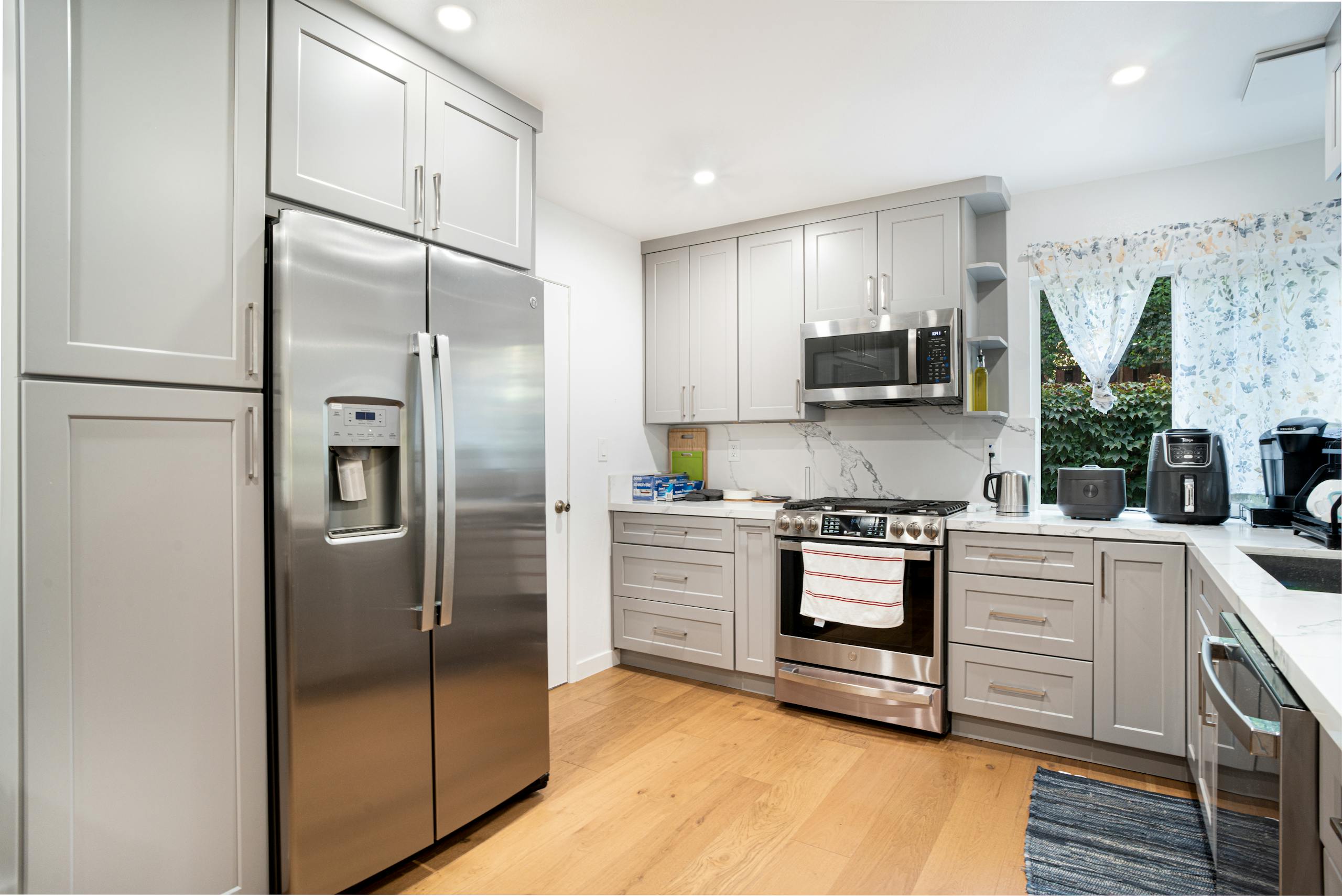
Energy-efficient appliances such as refrigerators, washing machines, and dishwashers are designed to use less electricity than standard models.
Yet they often come with higher initial costs, and it may take years for the energy savings to offset that investment compared to less expensive traditional appliances.
Further, repairs for these newer models can be more complicated and costly than those for old-style machines. This makes it important to weigh whether the switch to a conventional appliance is truly financially worthwhile.
More Trouble Than They’re Worth?
Many products are marketed as “eco-friendly” or “energy-saving,” promising to reduce your carbon footprint and energy usage. But in reality, many of these gadgets have hidden costs that outweigh their benefits.
Whether it’s due to high energy consumption, expensive repairs, or complex maintenance, these products often fail to live up to their promises. Before investing in the next “green” product, it’s worth considering whether the so-called benefits truly justify the expense.
Conclusion
Energy-saving products like smart thermostats, low-flow showerheads, and energy-efficient appliances are marketed as the solution to lower bills and a greener lifestyle. However, many of these products come with hidden drawbacks.
From high installation costs to poor performance, they often fail to deliver the savings and convenience they promise. Before purchasing, take an active role: research thoroughly, compare the long-term costs, and demand transparency from manufacturers.
Make informed choices based on your specific needs and avoid being swayed solely by marketing. Sometimes the best solution may be simpler than we think, and your careful evaluation will ensure your investments truly pay off.