America has a long memory for some tragedies and a strangely short one for others, partly because these lesser-known disasters, like the 1893 Sea Islands Hurricane, lack widespread recognition. Exploring why some tragedies fade from public memory helps readers understand how history is shaped and why awareness matters.
That is what makes these forgotten American disasters so unsettling. They were not small accidents tucked away in history books. They were floods that swallowed towns, hurricanes that erased coastal communities, fires that trapped workers, and storms that struck families with almost no warning.
The most chilling part is how ordinary many of these disasters looked at first. A rainy day. A busy pier. A coastal town used to bad weather. A river that had flooded before, but never like this. Then, in minutes or hours, familiar places turned into scenes of panic, loss, and survival.
These seven disasters deserve to be remembered because they reveal vital lessons about warning systems, safety, and inequality, inspiring the audience to value preparedness and awareness.
The Great Mississippi Flood Turned the South Into an Inland Sea
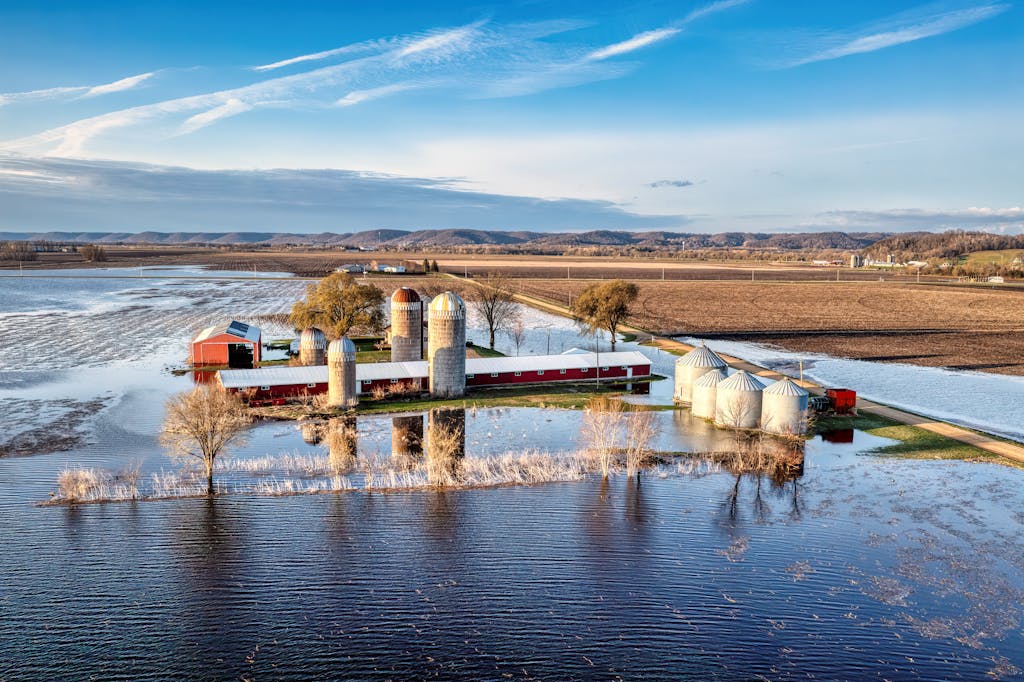
The Great Mississippi Flood of 1927 was one of the most devastating floods the United States had ever seen. After months of heavy rain, the Mississippi River and its tributaries overwhelmed levees and spread across towns, farms, and low-lying communities.
Water covered huge parts of the lower Mississippi Valley, forcing families from their homes and leaving entire areas cut off.
Hundreds of thousands of people were displaced, and the suffering was especially severe for Black residents in the Delta. Many people were trapped in harsh relief systems and treated unfairly during recovery.
The flood changed national conversations about levees, rivers, and federal responsibility, but it also exposed how deeply inequality could shape who received help and who was left to struggle.
The Sea Islands Hurricane Crushed Coastal Communities Already Struggling
The 1893 Sea Islands Hurricane struck the coasts of Georgia and South Carolina with brutal force. Storm surge rushed across low-lying islands where many Black families had built homes, farms, churches, and fishing communities after slavery.
These were places where people were already fighting to build stable lives with limited money, limited political power, and very little protection from disaster.
The storm killed roughly 1,000 to 2,000 people and left tens of thousands homeless. Homes vanished, crops were ruined, boats were destroyed, and entire communities were thrown into crisis. The hurricane was more than a weather event.
It became a painful example of how disaster often hits hardest where people already have the fewest resources to recover.
The Hoboken Pier Fire Turned a Busy Waterfront Into a Trap
The Hoboken Pier Fire of 1900 began along a packed New Jersey waterfront filled with ships, cargo, workers, passengers, and wooden structures.
Once the fire spread, the area became a death trap. Flames moved through the piers, ships caught fire, smoke filled the air, and people trapped near the water had few safe choices. Some jumped into the river because staying behind meant facing the flames.
More than 300 people died in the disaster. Many victims were crew members, laborers, and ordinary people caught in a workplace unprepared for a fire of that scale. The tragedy showed how dangerous busy industrial spaces could become when safety planning did not match the risks.
It also reminds us that disasters do not always begin with storms. Sometimes one spark is enough.
These forgotten American disasters still matter because they reveal patterns that never fully disappear.
Bad planning can turn danger into catastrophe. Poor communities often suffer the most. Warnings can come too late, and familiar places can become deadly faster than people expect.
Remembering these events is not about chasing tragedy. It is about honoring the lives lost and learning from the lessons they left behind. History becomes most dangerous when its warnings are buried.
The Heppner Flood Hit Oregon So Fast People Barely Had Time to Run
The Heppner Flood of 1903 is one of the deadliest flash floods in American history, yet many people outside Oregon have never heard of it. A violent storm sent water rushing down Willow Creek toward the small town of Heppner.
The flood moved so quickly that many residents had almost no time to understand the danger, gather their families, or escape to higher ground.
The Heppner Flood of 1903 is one of the deadliest flash floods in American history, and today, early warning systems and rapid-response technologies could have saved many lives.
Understanding how modern tools might have altered this tragedy encourages readers to appreciate ongoing safety advancements.
The Cheniere Caminada Hurricane Nearly Erased a Louisiana Village
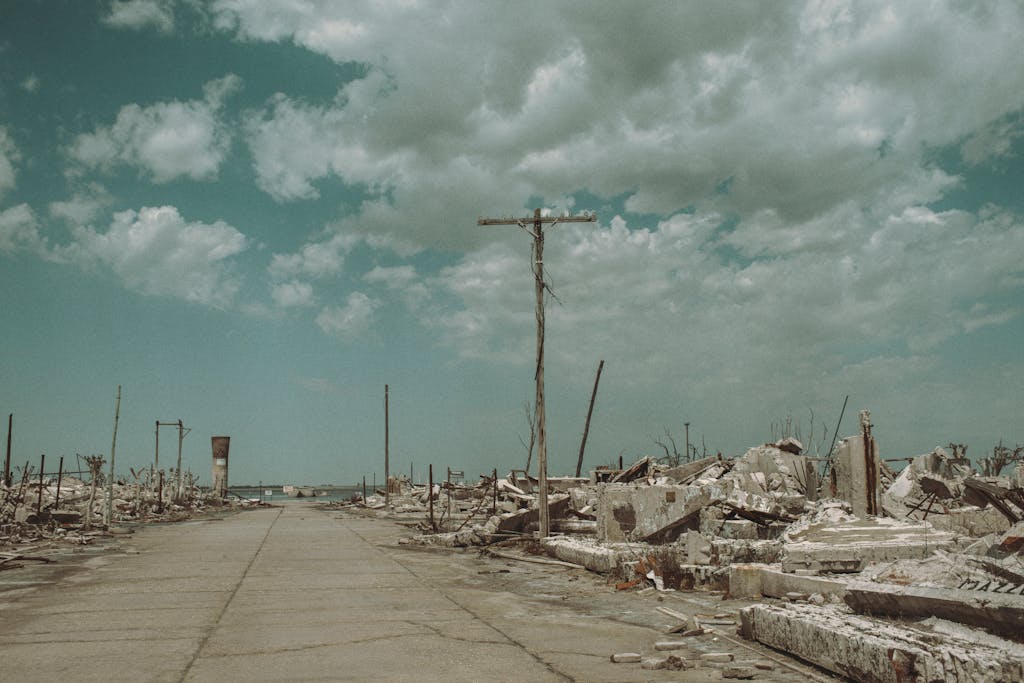
The 1893 Cheniere Caminada Hurricane tore into the Louisiana coast and devastated a fishing village near Grand Isle. Cheniere Caminada was a close-knit community built around the water, where families depended on boats, weather, and one another. When the hurricane arrived, the sea did not just flood the village.
It smashed through homes, swept away people, and destroyed the tools many families needed to survive.
Roughly 2,000 people died across the wider region, making it one of the deadliest hurricanes in United States history.
Cheniere Caminada never fully returned to what it had been before the storm. That is what makes this disaster so powerful. It did not simply damage a place. It changed the future of a community and left behind a story far too few Americans know.
The Great New England Hurricane Proved No Coast Is Truly Safe
The Great New England Hurricane of 1938 shocked a region that did not see itself as hurricane country. The storm raced north with frightening speed, striking Long Island and New England before many people fully understood the danger.
Coastal towns, farms, harbors, and neighborhoods were suddenly hit by powerful winds and storm surge that felt almost impossible for the area.
Hundreds of people died, and thousands of people were displaced. Boats were pushed inland, trees fell by the millions, and familiar seaside communities were left scattered with wreckage.
The hurricane shattered the comfortable belief that major storms mostly belonged to the South. It proved that disaster can be deadly when people believe their region is too safe to worry.
The Johnstown Flood Sent a Deadly Wall of Water Through Pennsylvania
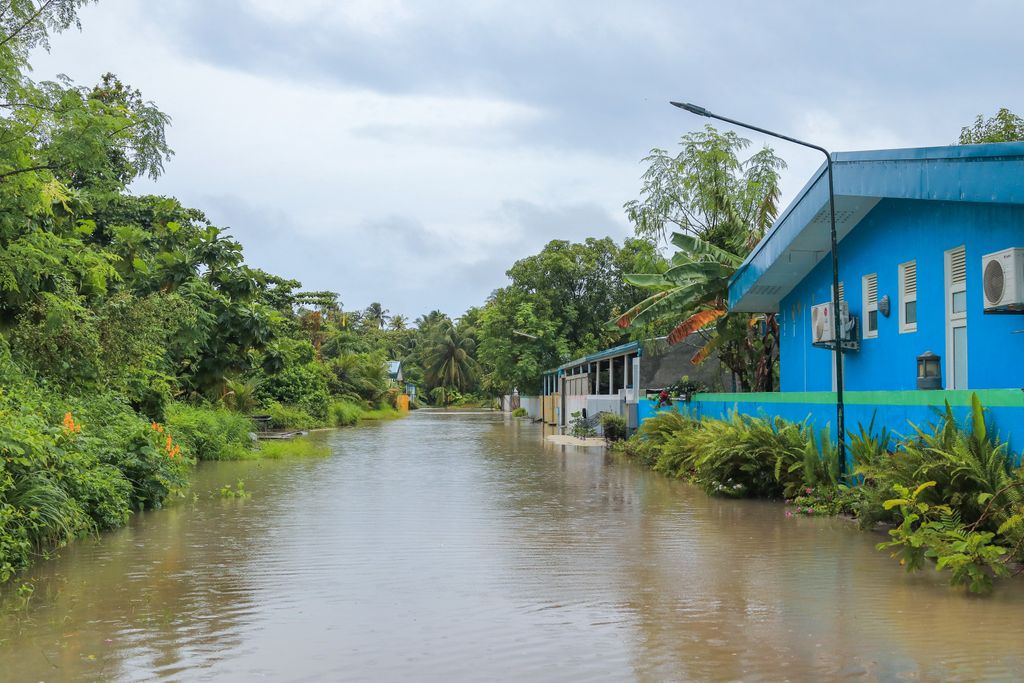
The Johnstown Flood in 1889 stands as one of the most catastrophic disasters in American history. After heavy rain, a dam failed and released a massive wave of water toward Johnstown, Pennsylvania. This was not a slow flood that people could calmly escape.
It was a violent wall of water carrying trees, homes, railcars, mud, and debris straight into a town full of families, workers, and children.
More than 2,200 lives lost in the Johnstown Flood, a tragedy that feels preventable, can evoke feelings of regret and motivate the audience to prioritize safety and accountability.