The food business thrives on trust, convenience, and repetition. We buy what looks familiar, what sounds healthy, what feels premium, and what promises to save time, but the labels, layouts, and marketing language around us are often built to steer our decisions long before we reach the checkout line.
That is why the smartest shoppers do not just look at the front of the package. We look at sourcing, processing, certification, retail psychology, ingredient quality, and the small print that turns a simple meal into a carefully engineered sale. The modern food industry is enormous, polished, and persuasive, yet many of its most profitable habits stay hidden in plain sight.
Many so-called luxury meats are not nearly as Rare as Menus Suggest
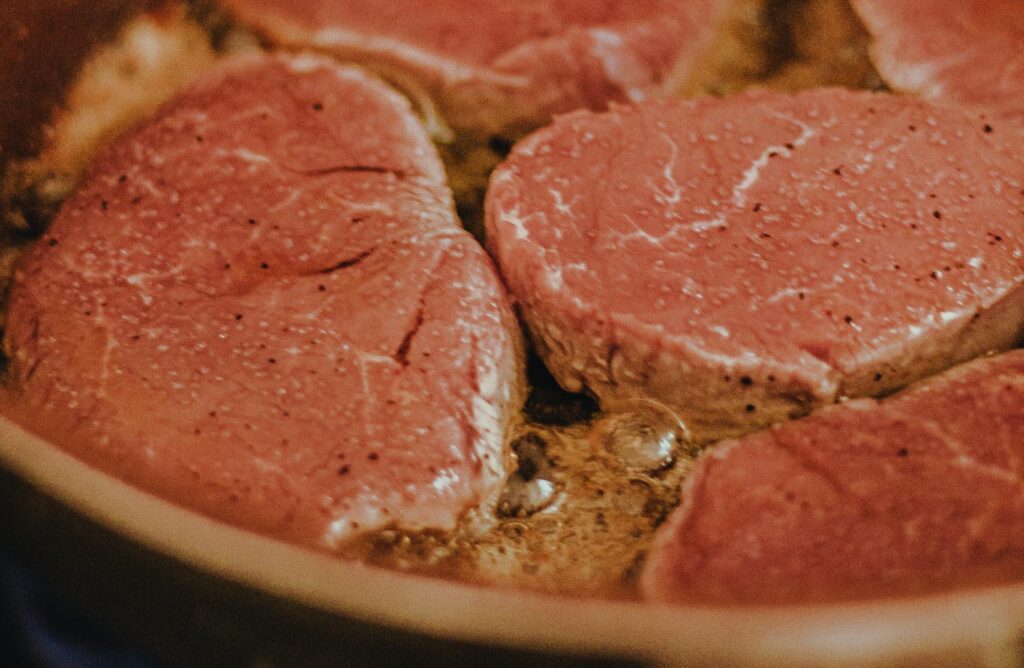
Wagyu, Kobe, dry-aged, heritage-bred, and grass finished sound like signs of elite quality, but restaurant language can blur important differences. Authentic regional meats are produced under strict standards, in limited quantities, and are usually traceable. What appears on many menus, however, may be a crossbreed, a loosely inspired version, or a product marketed with just enough truth to sound exclusive.
We should pay attention to specificity. If a restaurant or retailer cannot clearly tell us the breed, origin, grading standard, or importer, the product may be trading on the reputation of something much rarer. Premium meat has become a branding goldmine, and vague wording allows businesses to charge luxury prices for products that only partially resemble the real thing.
Premium Food Labels Often Sell a Story Before They Sell Quality
Words like natural, artisanal, farm fresh, premium, wholesome, and chef-crafted are designed to trigger emotion. They create the impression of care, tradition, and superior standards, even when the product inside is highly processed, mass-produced, or sourced through the same industrial channels as cheaper alternatives. In many cases, the packaging does more work than the food itself.
We should treat front-of-pack language as advertising, not proof. A premium label can justify a higher price, but price alone does not confirm better ingredients, cleaner production, or stronger nutrition. The smartest move is to flip the package over and judge what matters: the ingredient list, the order of those ingredients, the amount of added sugar, the sodium content, the oil used, and whether the brand clearly states where the product actually comes from.
Bottled Water Wins Big Because Packaging Beats Perception

Few products capture the power of branding like bottled water. Consumers often associate it with purity, fitness, convenience, and safety, yet many bottled water brands begin as municipal water, then go through filtration, mineral adjustment, and packaging before being sold back at a steep markup. The bottle, the mountain image, and the clean design do much of the selling.
We should remember that convenience is what usually commands the premium, not always superior water. Once marketing creates the idea that bottled means cleaner, fresher, or healthier, many buyers stop asking harder questions about source, filtration method, storage conditions, and plastic waste. The result is one of the most profitable examples of turning an ordinary utility into a lifestyle product.
Supermarkets Are Built to Increase Spending, Not Save Us Money
The grocery store is not laid out for our convenience. It is laid out to slow us down, lengthen our route, trigger appetite, and encourage impulse buying. Fresh produce, flowers, bakery aromas, soft lighting, and carefully chosen music shape our mood from the moment we walk in. Staples are often placed far apart, so we pass dozens of tempting items on the way to what we actually came for.
We should think of the supermarket as a behavioral design machine. Eye-level shelves usually hold the most profitable products, checkout lanes are packed with low effort purchases, and end caps are used to spotlight items the store wants to move fast. Even cart size matters because more space invites more buying. Once we understand that nearly every detail is intentional, shopping becomes less emotional and much more strategic.
Extra Virgin Olive Oil Is One of the Easiest Foods to Misunderstand

Olive oil sounds simple, but the market around it is anything but simple. Consumers often assume every bottle labeled extra virgin delivers the same freshness, purity, and flavor profile, when in reality the category depends heavily on harvest timing, storage, oxidation control, sourcing honesty, and proper testing. A beautiful dark bottle and an Italian-sounding label can create confidence that the contents do not always deserve.
We should look for genuine transparency. Harvest date matters, bottling date matters, origin matters, and reputable producers usually say more, not less. When labeling is vague, blends are hidden behind romantic branding, or freshness details are missing, quality becomes harder to trust. Olive oil has strong margins, global demand, and complex supply chains, which make it especially vulnerable to dilution, stale stock, and clever marketing.
Plant-Based and Health Halo Products Are Not Automatically Better for Us
The rise of plant-based foods has brought genuine innovation, but it has also opened the door to a new kind of health theater. Many shoppers see words like oat-based, dairy-free, vegan, cholesterol free, or made from plants and assume the product must be nutritionally superior. That assumption often ignores added sugars, refined starches, seed oils, stabilizers, gums, flavor systems, and heavy processing.
We should separate a dietary category from actual nutritional quality. A food can be plant-based and still be engineered for sweetness, shelf life, and mass appeal rather than balance. The same is true for gluten-free, keto-friendly, protein-packed, and low-fat products. A halo effect can make people stop reading labels, and that is where the industry quietly wins, because the healthiest-sounding product is not always the healthiest one in the cart.
The Chocolate Supply Chain Has a Labor Problem Consumers Rarely See

Chocolate is sold through comfort, romance, celebration, and indulgence, yet the farming side of the business is far less polished. Cocoa production depends heavily on growers in lower-income regions, where small farm economics, volatile pricing, and weak oversight can create serious labor concerns. The shiny wrapper rarely reflects the harshness of the supply chain behind it.
We should understand that low retail prices usually put downward pressure on prices. When global demand stays high but farm-level earnings remain low, someone absorbs the cost, and it is often the worker, the family, or the community that produces the crop. Ethical sourcing claims can help, but consumers should still examine how specific a brand is about farmer pay, traceability, cooperative relationships, and independent verification. The deeper the transparency, the more credible the promise.
Industrial Chicken and Cheap Protein Come with Hidden Trade-offs
Low-cost chicken became a supermarket staple because the system behind it was built for speed, scale, and uniformity. That model keeps prices accessible, but it also raises questions about overcrowding, rapid growth practices, reliance on sanitation, animal welfare, and supply chain stress. Cheap protein looks efficient at the shelf, yet the real cost can show up elsewhere in the system.
We should not confuse affordability with simplicity. Mass poultry production relies on an enormous sequence of decisions involving feed, housing, transport, processing, packaging, refrigeration, and distribution. When profit margins are thin and output targets are high, the temptation is always to solve deeper production issues at the end of the line instead of at the beginning. Consumers may not see the process, but they still live with the consequences of the standards that shaped it.
Conclusion
The biggest secret in the food industry is that confusion is profitable. When labels are vague, supply chains are distant, standards differ, and marketing sounds cleaner than reality, many shoppers fall back on habit, price, or packaging. That is exactly where major brands want us, because familiar choices require less scrutiny.
We do better when we slow down the process. We compare ingredient lists, question luxury claims, treat health buzzwords with caution, and reward brands that are specific about sourcing and standards. The food business will keep selling stories, but sharper consumers do not buy the story first; we buy the truth behind it.