Think you’ve mastered the art of grocery shopping? Think again. Grocery stores are designed to trick you into spending more than you should. From misleading sales to hidden price hikes, they’ve perfected the game of making you overspend.
The worst part? You’re probably falling for these tricks every time you shop. But don’t worry, we’re here to expose these sneaky tactics, so you can stop the madness and save your hard-earned money.
Store Brands Aren’t Always as Cheap as They Seem
Sure, store brands might seem like a bargain, but more often than not, they’re not as great as you think. In some cases, store-brand products are just slightly altered versions of name-brand items that were overproduced and unsold. In other words, you’re paying for something that was too much of a hassle for the store to sell, and they’re passing the cost to you.
Store Emails and Apps Are Just Spam in Disguise
While stores push you to sign up for their apps and emails, the truth is they’re just trying to get more money out of you. You’ll get flooded with constant promotions that you don’t need, and the so-called “exclusive” offers are often just cleverly disguised price hikes. These apps and emails are designed to get you to buy things you weren’t planning on purchasing.
Eye-Level Shelves Are the Worst Place to Shop
When it comes to grocery store organization, eye-level shelves are your enemy. These are the spots where the priciest items are placed, strategically positioned to tempt you into overspending. If you want to save money, avoid shopping at eye level. Look up and down for more affordable options.
Store Music is Just Another Tactic to Keep You Shopping Longer
The music in grocery stores isn’t just there to make your shopping experience more enjoyable. Fast-paced music encourages shoppers to rush and make impulse buys, while slower music encourages them to linger, increasing the likelihood that they’ll add items they don’t need to their cart. Stay aware of how music might be influencing your spending.
Prescriptions at Grocery Stores Aren’t as Cheap as They Appear
The grocery store pharmacy might promise low prices on prescriptions, but in reality, they’re just trying to draw you in. The “$4 prescriptions” at Walmart may seem like a good deal, but if you dig deeper, you’ll find that they don’t always carry the medications you need, and the quality of service can be questionable at best.
“Fresh” Produce is Often Just a Trick
Those shiny fruits and vegetables that look so fresh? Don’t be fooled. Grocery stores often spray produce to make it look plumper and fresher than it actually is. The truth is, they’re just trying to sell you something that’s likely past its prime and not nearly as fresh as it seems.
Paired Displays Are Just Setups for Impulse Buying
When you see products paired together, like chips and soda, or bread and spreads, don’t think it’s a great convenience. These displays are set up to make you buy more than you need. Instead of grabbing the pre-paired combo, look for a better and cheaper option elsewhere in the store.
The Back of the Store is a Trap for Basic Essentials
The store’s clever tactic of putting essential items like milk and eggs in the back is designed to lure you into high-priced aisles. Once you’re walking through rows of unnecessary, overpriced items, it’s hard to resist temptation. Avoid the back of the store if you’re just picking up basics and want to stay on budget.
Sales Signs Are Nothing More Than Deceptive Tactics
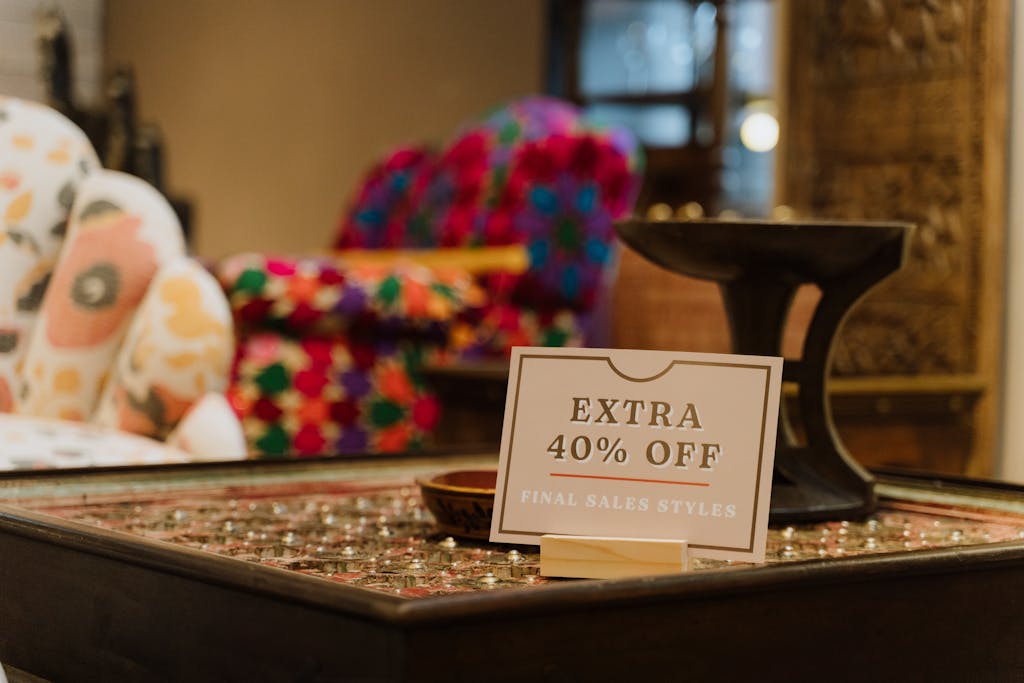
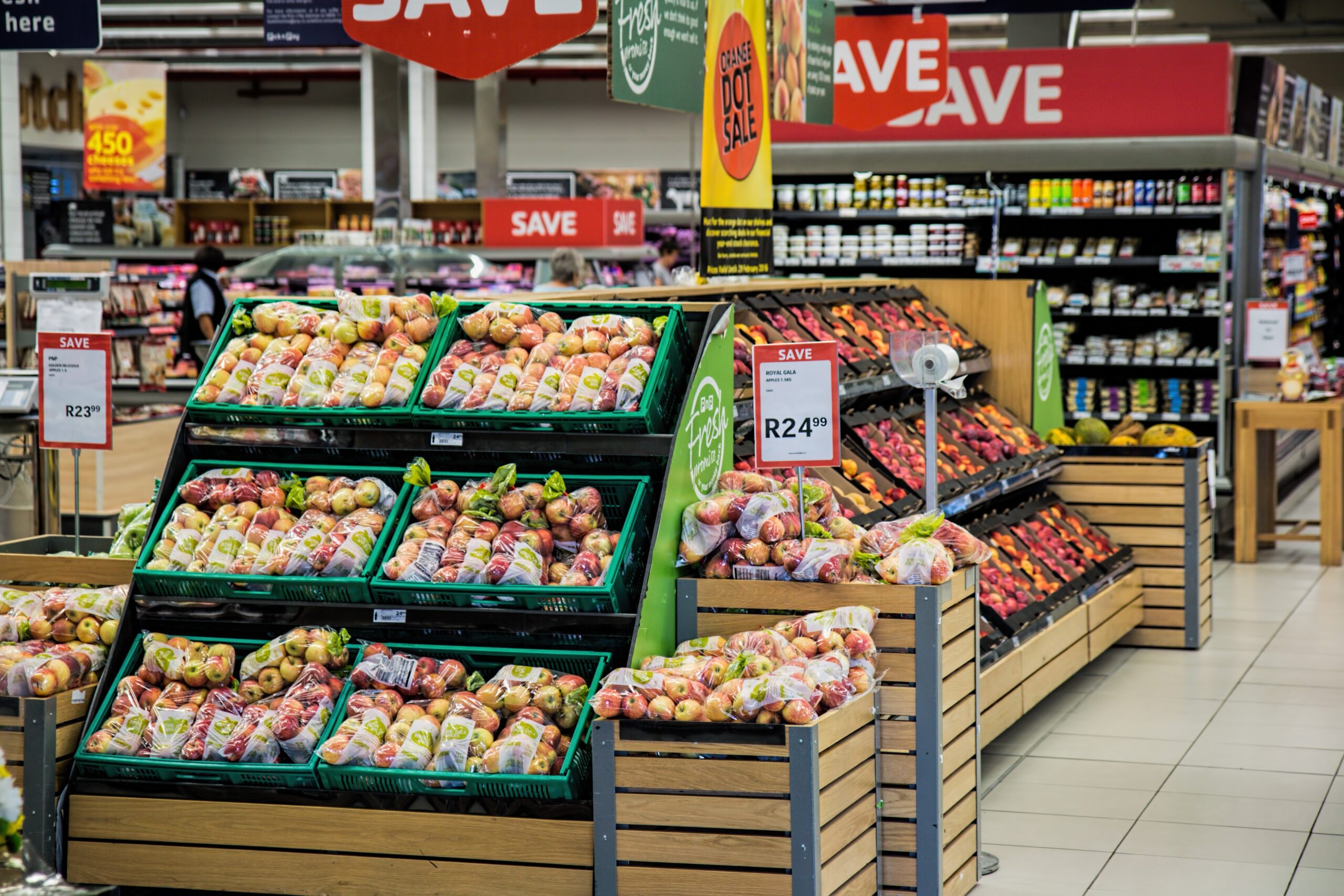
Sale signs are a trick; they’re meant to grab your attention and distract you from the fact that the “deal” isn’t really a deal at all. In most cases, the so-called “sale” price is only marginally lower than the regular price, and you could easily find the same item at a better price somewhere else. Don’t fall for it.
Aldi’s “Discounted” Name Brands Are Just Overstocked Junk
Aldi’s reputation for selling discounted name brands is overrated. While it’s true that Aldi sometimes stocks name-brand items, the catch is that they’re often discontinued or overstocked products that nobody else wants. These items may look like a great deal, but they’re often past their prime, or worse, close to being obsolete.
Scent Marketing Will Make You Spend More Than You Need
That warm, freshly baked smell you often find wafting through the store isn’t there just to make the store smell nice. It’s a psychological tactic designed to make you crave food and overspend. Always avoid grocery shopping when you’re hungry, because those smells will make you buy things you didn’t plan on.
Bigger Carts Make You Spend More
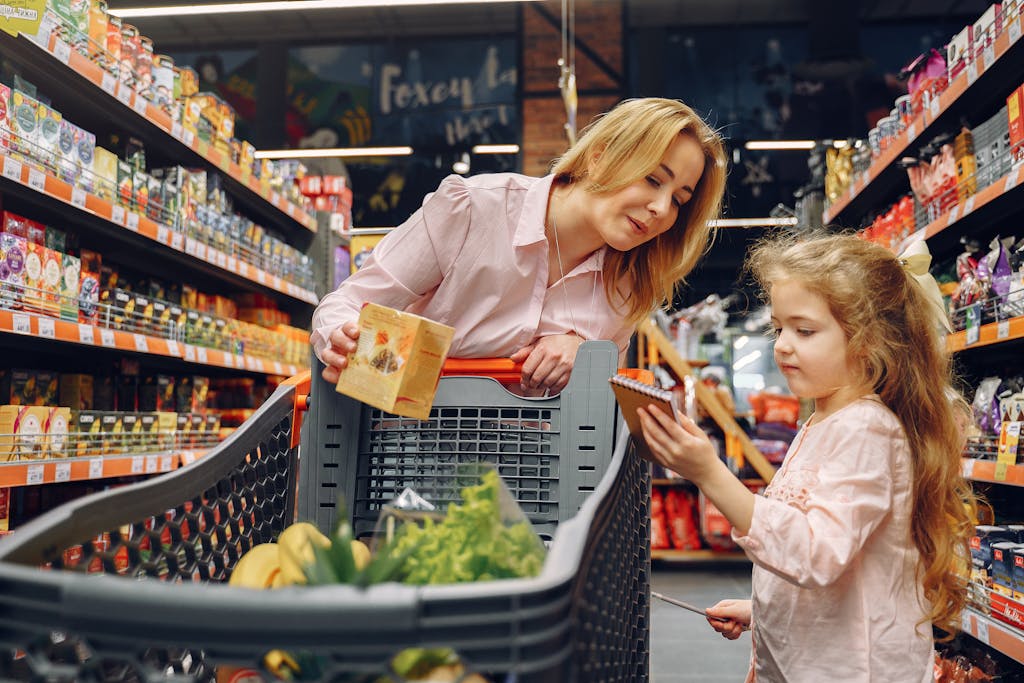
Ever noticed that stores provide larger carts? It’s no accident. Bigger carts encourage shoppers to buy more because they don’t feel the weight of their purchases until the cart is nearly full. Stick to smaller baskets to limit yourself to what you really need.
End Caps Are Designed to Get You to Overspend
End cap displays often lure you in with brightly colored packaging and flashy promotions. But the reality is that these displays simply highlight regular-priced products, not bargains. If you think you’re scoring a deal, think again. The end cap is a clever trap.
Online Prices Can Be Deceptively Higher Than In-Store
Online grocery shopping can feel like a deal, but often, it’s not. Stores charge higher prices for online orders, especially for curbside pickup and delivery. Don’t assume that shopping online automatically saves you money; check the in-store price before you finalize any online orders.