A home can look stylish for a week and still disappoint you for years. That is the trap with trend-first decorating. The smartest rooms usually do not scream for attention; they age well, feel personal, and stay useful long after the excitement of a new purchase fades. If you want a space that still feels right months or even years from now, these are the design mistakes worth avoiding.
Filling your home with only brand-new pieces
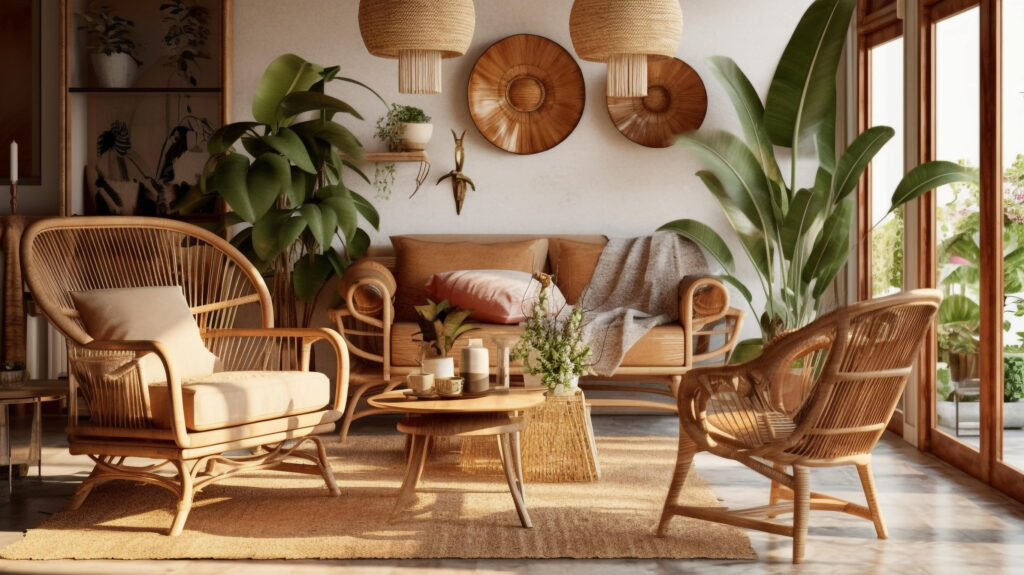
A room that looks too new can feel flat, staged, and forgettable. Vintage and antique finds give a space history, warmth, and a lived-in rhythm that brand-new furniture often cannot match. Even one older piece can break up that showroom effect, making everything else feel more grounded. You do not need rare collector items either. A thrifted side table, an old mirror, or a family keepsake can do more for a room than another trendy purchase.
Making everything match too perfectly
A perfectly matched room can feel stiff instead of stylish. When the sofa, chairs, pillows, and finishes all look like they came as a set, the space loses personality fast. The best interiors usually feel collected, not copied from a catalog page. Mixing textures, patterns, and materials gives a room movement and depth. That layered look tends to feel more natural, more relaxed, and much harder to regret.
Playing it too safe with the pattern
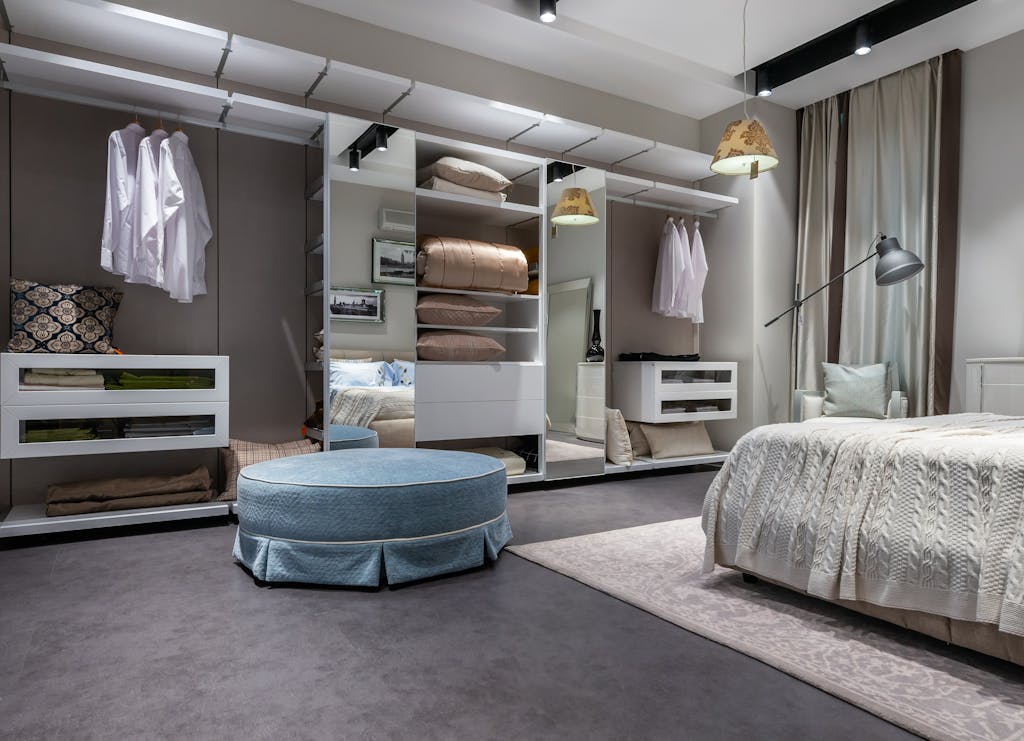
Rooms without pattern can end up looking plain, even when the furniture is expensive. A strong classic pattern brings life into a space and keeps it from feeling sleepy. Stripes, especially bold ones, have a clean and confident quality that works in more homes than people expect. They can feel casual in one room and polished in another. Ignoring the pattern completely often leaves a room looking unfinished.
Choosing novelty appliances over timeless ones
A colorful statement appliance might feel exciting today and exhausting later. Kitchens are expensive to redo, so dramatic choices can become long-term regrets faster than in other rooms. Stainless steel stays popular for a reason. It looks clean, polished, and easy to pair with many cabinet colors, countertops, and hardware styles. When the rest of your design changes, it usually still works.
Avoiding white because it seems too plain
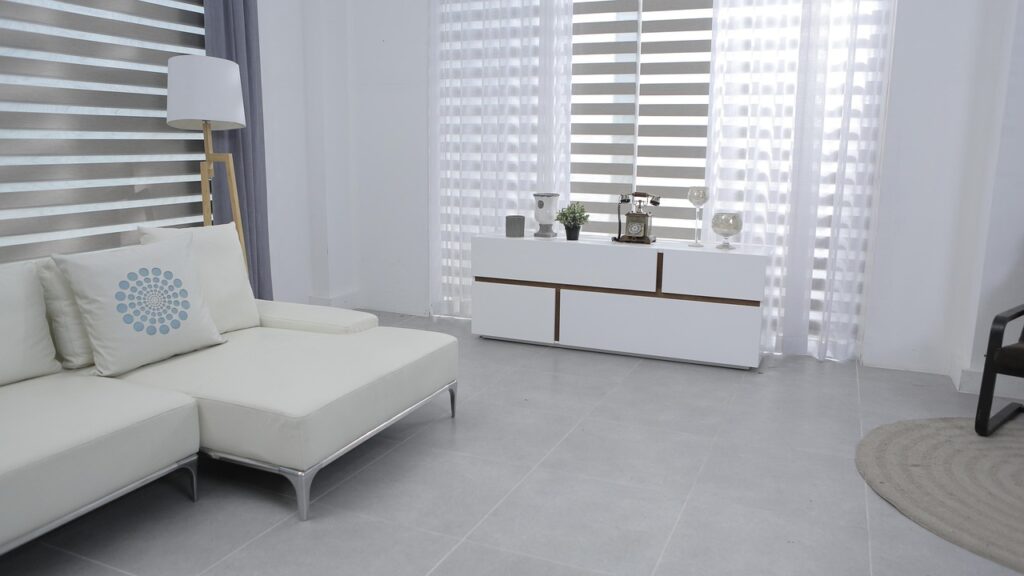
Some people dismiss white paint as boring, only to end up stuck with a shade that shrinks the room or clashes with every decor choice they make later. White gives walls breathing room. It reflects light, helps rooms feel brighter, and lets furniture, art, and texture stand out. It also makes future updates much easier. A flexible backdrop often outlasts a bold wall color that felt fun in the moment.
Passing on a solid wood table
A cheap table can solve a short-term need and create a long-term headache. Wood tables have staying power because they work with many design styles and usually look better as they age. Small marks and wear can even add charm rather than ruin the piece. That is hard to say for many trendy materials, which look tired once scratched. When you buy a good wood table, you are usually buying something with real staying power.
Treating plants like an afterthought
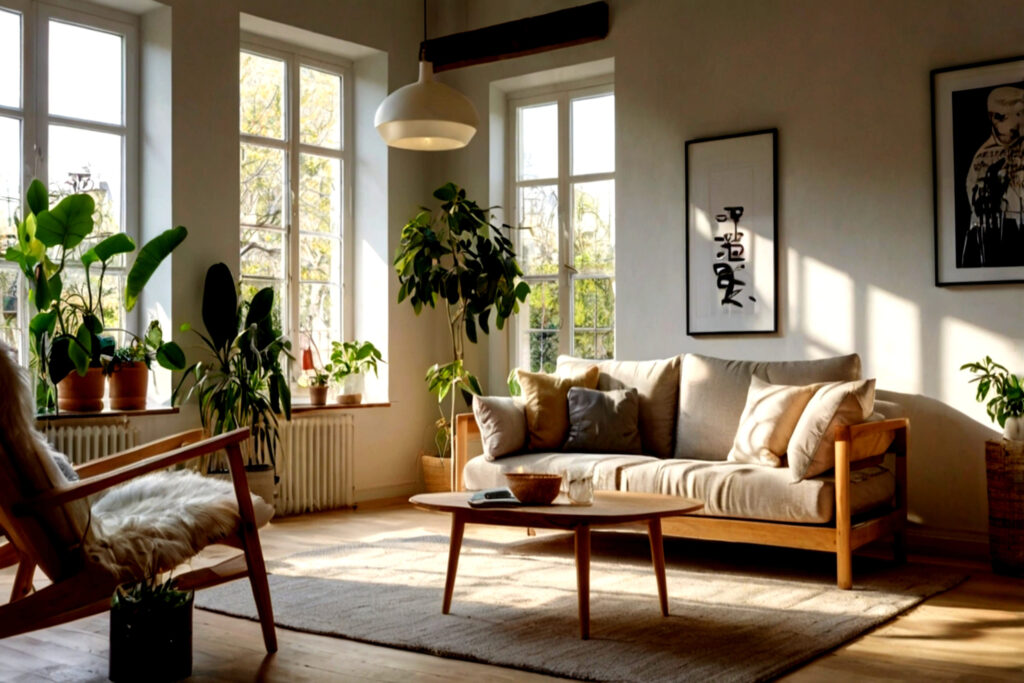
A room without greenery can feel a little lifeless, even when everything else is in place. Plants add shape, softness, and color in a way that decor objects rarely do. Large sculptural plants can make a corner feel finished and important, rather than empty. Even a convincing faux plant can warm up a room if natural light is limited. Skipping greenery altogether is one of the easiest ways to make a space feel less alive than it could.
Overlooking touchable, durable fabrics
A room can look beautiful and still feel uncomfortable. That is often the result of choosing fabric based only on appearance. Rich materials with softness and durability bring comfort into everyday life, and that comfort matters more over time than a fabric that only photographs well. Upholstery should feel good to live with, not just look good. Ignoring texture is a quiet mistake that can make a room feel less inviting every day.
Choosing synthetic-looking finishes over natural materials.
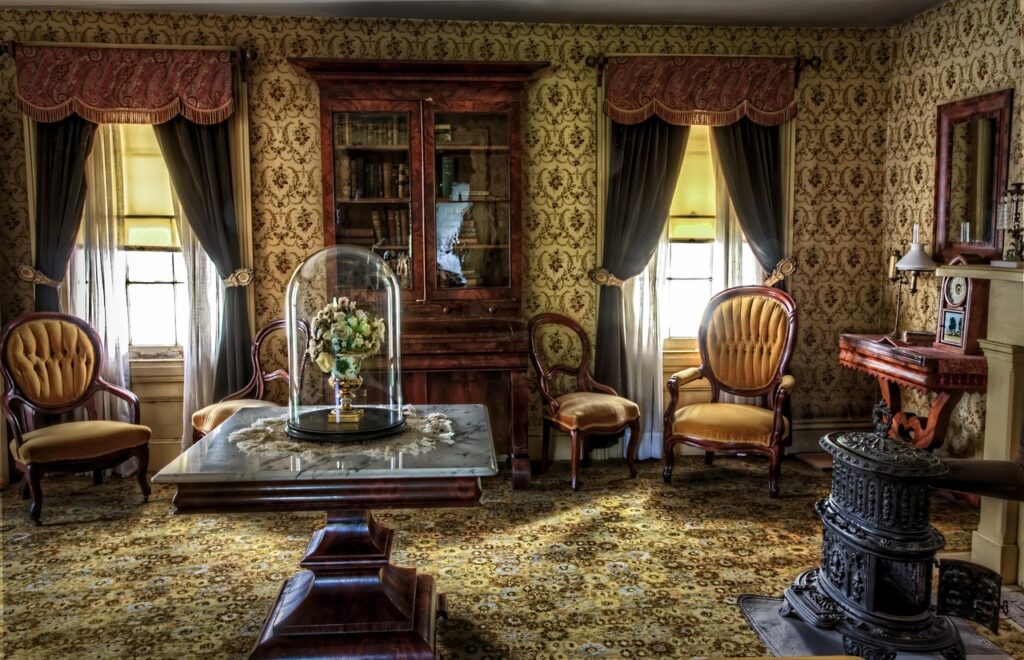
Some materials look good at first and wear badly later. Natural finishes tend to age with more grace and add depth to a room that artificial surfaces often miss. Wood, linen, stone, and similar materials create a sense of substance that feels steady rather than trendy. They also bring visual warmth, which helps a home feel grounded. When people regret a room, it is often because it feels too processed, too cold, or too disconnected from real life.
Decorating to impress people instead of pleasing yourself
The easiest way to end up unhappy with your home is to build it around someone else’s taste. Trends change, guests leave, and opinions shift. What lasts is the comfort of living with colors, pieces, and details that actually mean something to you. A favorite rug, a cherished object, or a wall color you truly love can make a room feel timeless because it feels honest. Personal style usually ages better than approval chasing.
Conclusion
The biggest design regrets usually come from chasing the moment instead of building something that lasts. Homes feel better over time when they mix character, comfort, flexibility, and personality. That does not mean every room has to look traditional or safe. It just means the best choices tend to be the ones you can still live with happily after the trend cycle moves on. Avoid these mistakes, and your space has a much better chance of feeling right for years to come.