Most health mistakes do not look dramatic. They look ordinary, respectable, and easy to defend. We call them routines, comforts, shortcuts, or just part of modern life, then act surprised when they quietly chip away at sleep quality, posture, skin health, vision, air quality, or cardiovascular risk. The most damaging habits are often the ones that feel the most normal.
Below, we look at 10 common things that seem harmless on the surface but can become a problem when done carelessly, excessively, or without proper protection. None of them belongs in the same category as obvious danger, but that is exactly why they matter. Routine risks are harder to spot, harder to fix, and far easier to repeat every day.
Alarm clocks

We tend to blame the alarm clock itself, but the larger problem is the schedule around it. Sleep experts have linked irregular sleep timing, including the classic pattern of dragging through the week and sleeping far later on weekends, to poorer health and higher cardiovascular risk. The real issue is not simply the sound on the nightstand. It is the habit of pushing the body off its rhythm, then demanding instant performance.
Flip-flops
We love flip-flops because they are cheap, quick, and perfectly designed for lazy weather. The problem is that the foot does not interpret “easy” the way we do. Flip-flops offer little shock absorption and arch support, and specifically advise against wearing them for long distances, sports, or yard work. The lack of proper support alters the mechanics of walking, and once your gait changes, strain does not remain confined to the foot. It can climb into the ankles, knees, hips, and lower back.
Gas-powered lawn mowing

Mowing the lawn feels wholesome, suburban, and oddly satisfying, but gas-powered lawn equipment is far less innocent than it looks. Lawn equipment contributes to localized air pollution, and the fumes, noise, particles, and injuries it causes turn a simple chore into a serious issue. Battery-powered mowers or reduced mowing frequency do not just sound modern; they are. It is often the smarter option.
Sitting

Sitting looks harmless because it is quiet. It does not leave bruises, it does not make noise, and it often happens while we are working, studying, commuting, or relaxing in ways society rewards. However, prolonged sedentary behavior increases health risk, including risk linked to heart disease, cancer, and type 2 diabetes. The healthiest move is not outsmarting the problem with one workout; we need movement integrated into the fabric of the day itself.
Showering
Cleanliness has become so aggressively marketed that many people treat daily long hot showers as proof of discipline. However, excessive washing strips oils and worsens dry skin. Hot water and lengthy showers rob the skin of moisture, while harsh soaps strip away essential protective oils. Skin is not a kitchen counter that needs to be degreased on schedule. Constant washing without the need only leads to dryness, irritation, and flare-ups.
Cheap sunglasses
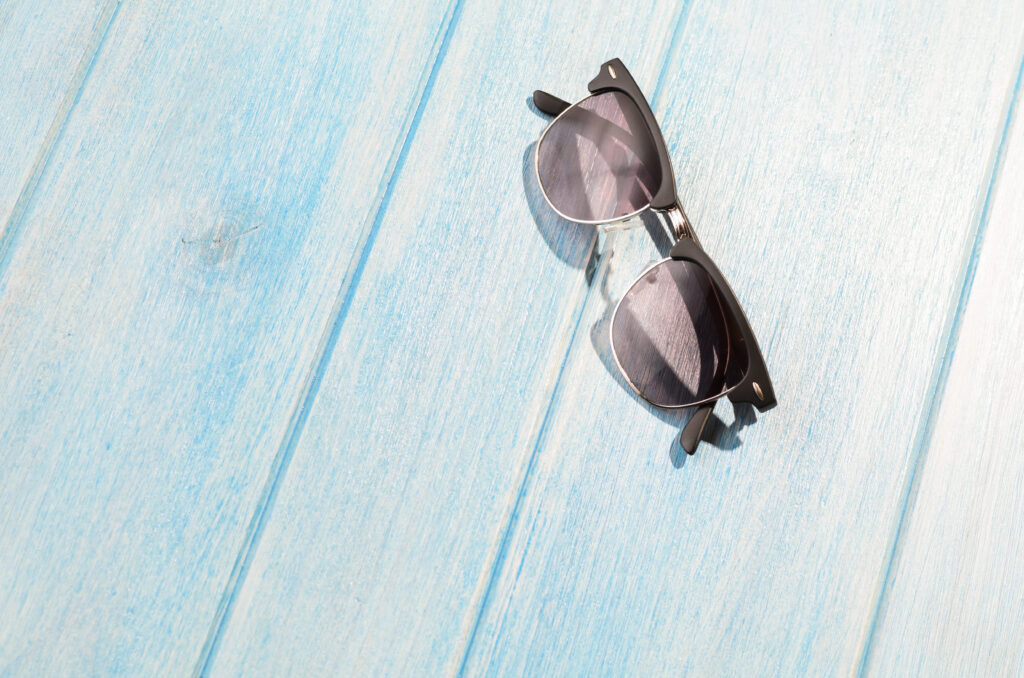
Sunglasses should be protective equipment dressed as fashion. Too often, they are just tinted plastic with confidence issues. Dark lenses without proper UV filtering reduce brightness but do not guarantee meaningful protection from harmful radiation. A bargain pair that only looks protective can create a false sense of security, which is often worse than knowing you need something better.
Burning candles indoors
Candles have mastered the art of looking innocent. They promise calm, romance, luxury, and a room that smells like cedar, vanilla, ocean mist, or the kind of expensive denial that makes you feel like you’re in a dream. Yet fire and air quality are still part of the bargain. Frequent candle use in small or poorly ventilated spaces is less of a wellness ritual than marketing would like us to believe.
Heavy backpacks

Backpacks are so ordinary that we rarely ask whether the load inside them is absurd. Pediatric guidance advises that a student’s backpack should weigh no more than 10% of body weight and sit about 2 inches above the waist when both shoulder straps are used. Heavy backpacks promote poor posture, concentrated strain, and chronic discomfort, especially in children. Normalizing the idea that a child should carry a portable storage unit daily only increases strain and risk.
Rice

Rice is one of the world’s most familiar foods, which is exactly why people resist hearing anything cautious about it. Rice absorbs arsenic more readily than many other crops, but it can still be part of a well-balanced diet. The problem arises when rice becomes a dietary default with no variation, especially for children or other vulnerable groups. The healthiest move is dietary variety, smarter preparation, and refusing to confuse “common” with “risk-free.”
Zero gravity
Space tourism sells weightlessness like a luxury spa with a better view. The human body, however, reacts poorly to an environment it was never built to treat as normal. Spaceflight-associated neuro-ocular syndrome and bone density loss are among the long-term challenges astronauts face. Zero gravity remains one of the clearest examples of something that looks magical and behaves like a stress test.
Conclusion
The most deceptive health risks are not the ones wrapped in skull-and-crossbones warnings. They are the ones folded into daily routine, sold as convenience, or defended as no big deal. Irregular sleep, too much sitting, poor foot support, fake UV protection, over-washing, indoor combustion, overloaded bags, and overexposure to emissions all share the same trick: they hide in plain sight. Once we stop treating ordinary habits as automatically safe, prevention becomes much simpler.