Some inventions begin in clean laboratories, with careful planning and polished funding. Others are born when people are cornered, hungry, broke, blocked by war, or staring at a problem that refuses to wait.
That is where desperation becomes strangely brilliant. The original Listverse piece frames this idea around shortages that forced people to replace cocoa, butter, coffee, rubber, fuel, and other essentials with clever substitutes.
When survival meets imagination, the results can be surprisingly delicious, useful, and world-changing. These inventions prove that panic does not always destroy progress. Sometimes, it lights the match.
Nutella Turned a Cocoa Crisis Into a Breakfast Empire
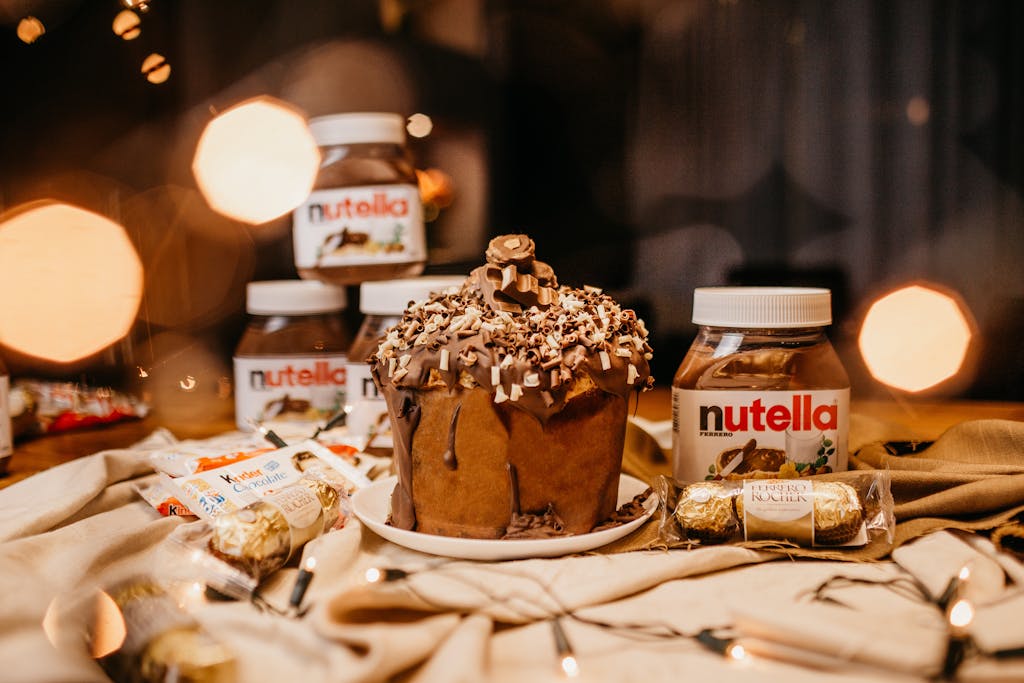
Nutella did not begin as a cute pantry treat for toast lovers. It came from postwar Italy, where cocoa was scarce, expensive, and beyond the reach of ordinary families. Pietro Ferrero had to stretch a tiny amount of cocoa into something people could still enjoy.
His answer was hazelnuts, which were plentiful in northern Italy. By mixing them with cocoa, he created a sweet paste that gave people a chocolate-like experience without needing much actual chocolate. It was clever, practical, and perfect for hard times.
That desperate substitute later became one of the world’s most famous spreads. What started as a survival recipe grew into a global brand sitting on breakfast tables everywhere. Scarcity forced Ferrero to think sideways, and the world kept eating the result.
Margarine Was Created Because Butter Became Too Expensive
Margarine has one of the least glamorous origin stories in food history. France needed a cheaper butter substitute for soldiers and working-class families, especially as butter prices climbed. Napoleon III offered a prize to anyone who could solve the problem.
Chemist Hippolyte Mège-Mouriès developed oleomargarine from animal fat, milk, and water. It may sound strange now, but it gave people a spreadable source of fat when butter was out of reach. The invention mattered because it answered a real national food problem.
Over time, margarine shifted from animal fat to vegetable oils. It became common during wartime rationing and later found a permanent place in grocery stores. A kitchen staple was born from pressure, poverty, and military necessity.
Chicory Coffee Kept People Drinking During Blockades
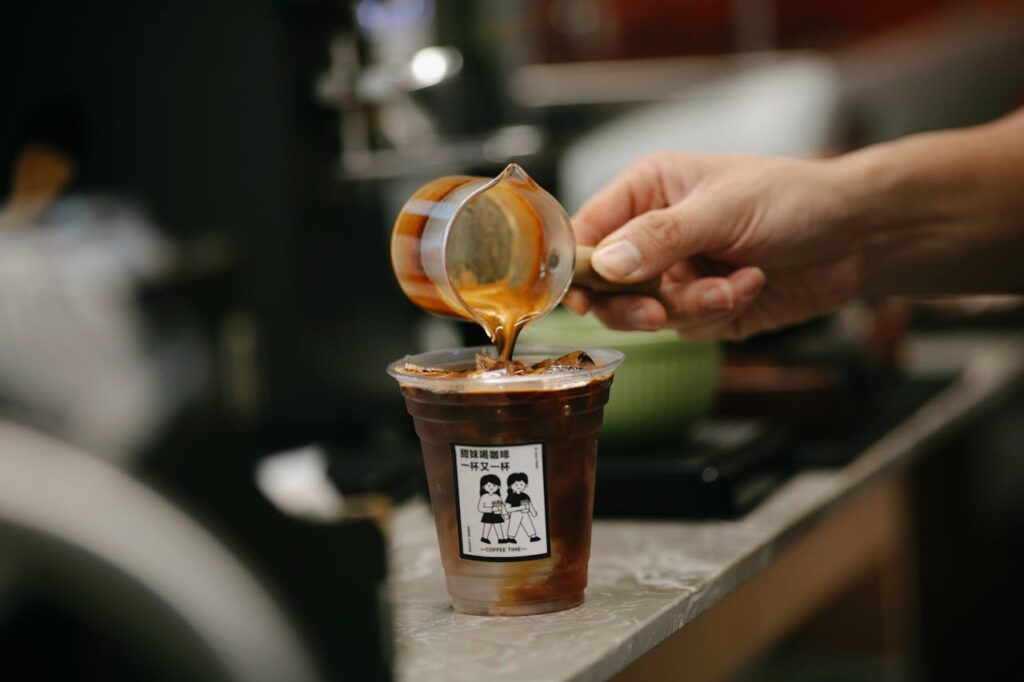
Coffee lovers can get very creative when their supply runs out. During major conflicts, blockades made it difficult to import real coffee beans in some regions, including New Orleans. People still wanted the dark, bitter comfort of coffee, so they turned to chicory root.
Roasted chicory created a deep flavor and color that could stretch small amounts of real coffee. It did not taste exactly the same, but it was close enough to keep the ritual alive. For many drinkers, the earthy flavor became part of the appeal.
The shortage ended, but the habit stayed. Chicory coffee became deeply tied to New Orleans culture. What began as a desperate filler became a regional signature.
Synthetic Rubber Saved Industries From Collapse
Rubber was not just useful during World War II. It was essential for tires, aircraft, boots, tanks, and military equipment. When Japan gained control over major natural rubber supplies, the United States faced a terrifying industrial emergency.
The government pushed scientists and companies to work together on synthetic rubber. Competitors had to share knowledge because the crisis was bigger than any one company’s profit. The result was the large-scale production of rubber substitutes that could keep vehicles and machinery moving.
Synthetic rubber did more than solve a wartime problem. It helped shape modern manufacturing and transportation. A supply disaster forced a breakthrough that continues to support industries today.
Wood Pulp Paper Replaced a Rag Shortage
For a long time, paper came from cotton and linen rags. As printing exploded and literacy spread, demand rose faster than rag supplies could keep up with. The world needed another way to make cheap paper.
Friedrich Gottlob Keller helped advance the solution by examining wood. Inspired by how wasps create nest material from chewed fibers, he saw that wood could be turned into pulp. That idea helped move paper production away from scarce cloth.
The first wood pulp paper had problems, but it changed everything. Books, newspapers, and printed materials became cheaper and more widely available. A shortage of rags helped fuel the age of mass information.
Gasogen Vehicles Ran on Wood When Gasoline Vanished
During World War II, gasoline became painfully scarce across much of Europe. Civilians still needed to move doctors, farmers, supplies, and workers. So mechanics brought back wood gasification to keep vehicles alive.
Cars were fitted with bulky gas generators that burned wood or charcoal in low oxygen. The process produced gas that could power an engine, though the vehicles were slower and harder to manage. Drivers had to carry wood instead of filling up at pumps.
It was messy, awkward, and far from glamorous. Still, it worked when ordinary fuel was unavailable. Desperation turned cars into rolling campfires with engines attached.
Canned Food Solved a Military Hunger Problem
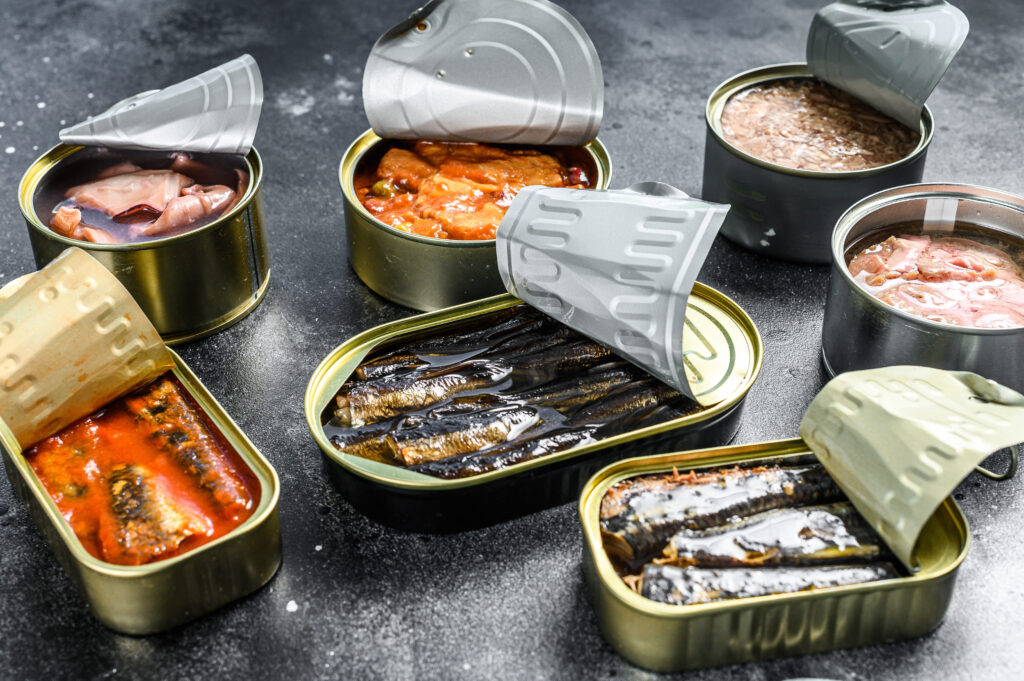
Canned food came from a grim military challenge. Armies needed food that could survive long journeys without spoiling. Napoleon offered a reward for anyone who could preserve food for troops on campaign.
Nicolas Appert spent years experimenting with sealed containers and heat. He discovered that food lasted much longer when packed airtight and heated properly. He did not fully understand bacteria, but his method worked.
Later, metal cans made the idea even more practical. The invention changed war, travel, shipping, grocery shopping, and emergency storage. A hungry army helped create the canned food aisle.
Beet Sugar Grew Out of a Cane Sugar Shortage
Europe once depended heavily on cane sugar from overseas colonies. When Napoleon’s trade conflicts disrupted supply, sugar became scarce and politically important. People needed a local alternative.
Scientists turned to sugar beets because they contained sucrose. With government pressure and investment, farmers and manufacturers improved beet varieties and extraction methods. Soon, beet sugar factories were operating in France.
The invention changed agriculture and reduced dependence on distant cane supplies. Beet sugar remained useful even after trade routes reopened. A sweet solution grew from a bitter shortage.
Synthetic Dyes Made Color Less Exclusive
Bright colors were once expensive, rare, and tied to natural materials. Purple, in particular, had a reputation for luxury because it was difficult to produce. The growing textile industry needed cheaper ways to create vivid shades.
William Henry Perkin accidentally discovered mauveine while trying to make quinine. His failed experiment produced a rich purple dye from coal tar. Instead of throwing it away, he saw its commercial potential.
Synthetic dyes made colorful clothing more affordable and accessible. They also helped expand the chemical industry. A failed medical experiment accidentally changed fashion forever.
Fanta Was Created When Coca-Cola Syrup Could Not Arrive
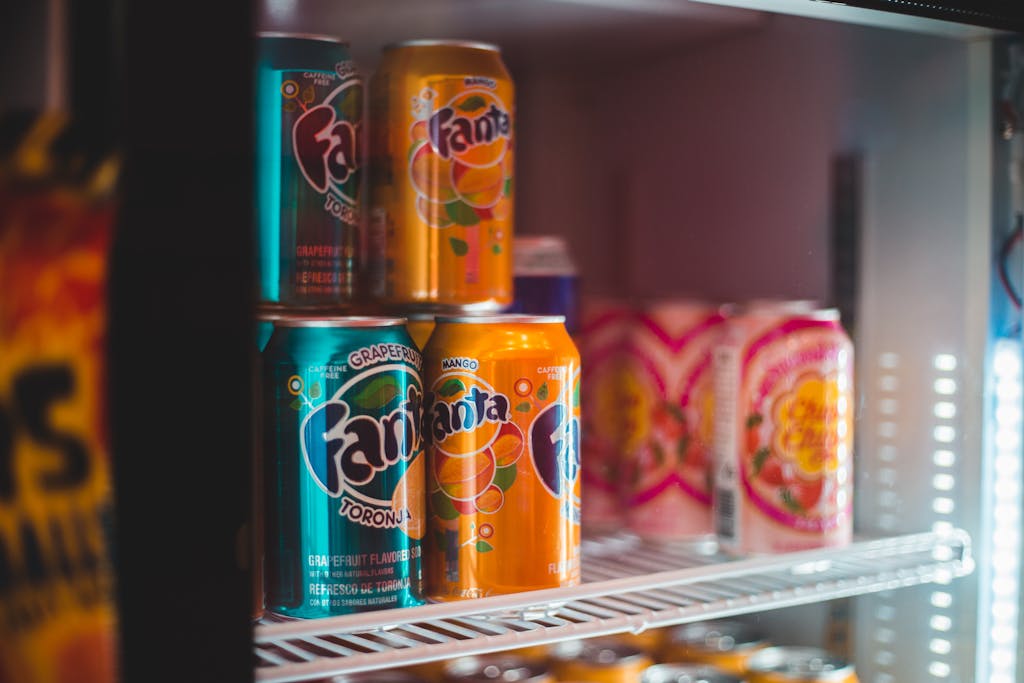
Fanta began under wartime pressure in Germany. Coca-Cola’s local operation could no longer access the syrup needed to make its flagship drink. Plant manager Max Keith had to create something from available ingredients.
The early drink used leftovers such as whey and apple pomace. Its flavor varied with supply, but it gave the company something to sell. The name came from imagination, which was exactly what the situation demanded.
After the war, Fanta standardized and eventually became a global soda brand. Its cheerful image hides a surprisingly desperate origin story. A supply crisis accidentally created one of the world’s most recognizable soft drinks.
Conclusion
Desperation has a strange way of stripping invention down to its rawest form. When people cannot get the thing they need, they either stop moving or create a substitute that changes everything.
Nutella, canned food, synthetic rubber, margarine, and Fanta all prove the same point. The world’s most familiar products sometimes begin as emergency fixes, not luxury ideas. Crisis may be brutal, but history shows that it can also force genius out of hiding.