Rice is a staple food enjoyed by millions worldwide, but it can pose a hidden danger if not prepared and stored correctly. Food poisoning from rice is a common issue that can leave you feeling sick for days, but with the right precautions, you can enjoy your rice without worry.
Here’s how to avoid food poisoning from rice and ensure your meals are both safe and delicious.
Store Rice Immediately After Cooking to Preserve Freshness
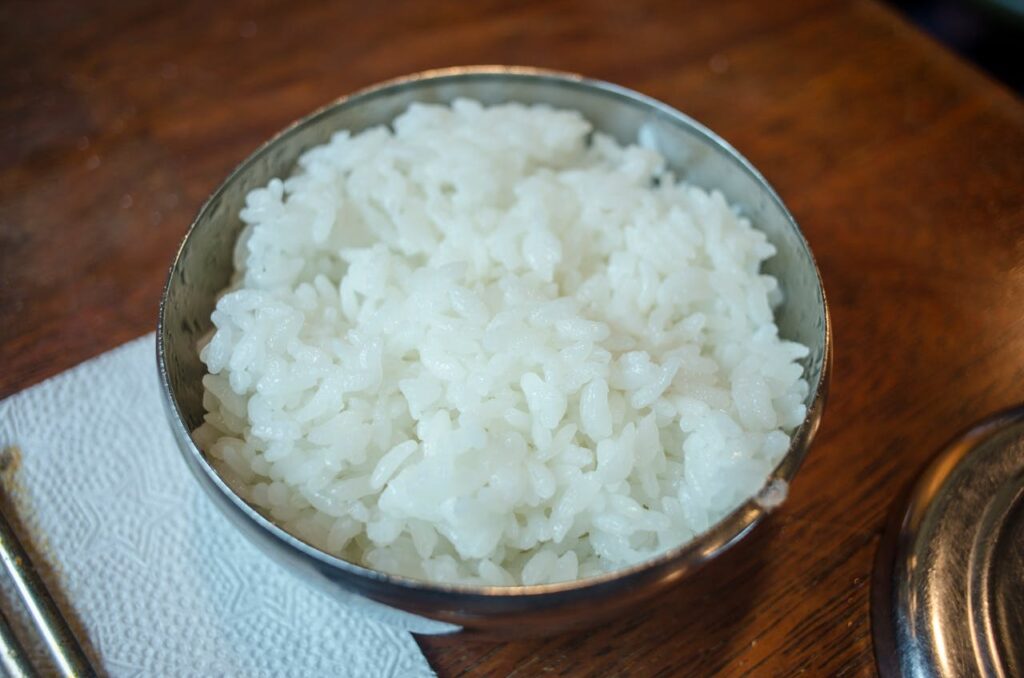
After cooking rice, it’s crucial not to let it sit at room temperature for more than an hour. When rice cools down slowly, harmful bacteria can multiply rapidly. To keep your rice safe, cool it down quickly by spreading it in shallow containers, which will help it cool faster.
Once it reaches a safe temperature, pop it into the refrigerator. This simple action can help reduce the risk of food poisoning and keep your meal fresh and safe.
Reheat Rice to the Correct Temperature to Kill Harmful Bacteria

Reheating rice isn’t as simple as just putting it in the microwave. To ensure it’s safe to eat, the rice must be heated to at least 165°F (74°C). At this temperature, any harmful bacteria present are destroyed.
To ensure your rice is properly reheated, stir it halfway through cooking, especially if you’re using a microwave. This ensures an even temperature, preventing any cold spots where bacteria can survive.
Never Leave Rice Sitting Out for Long Periods of Time
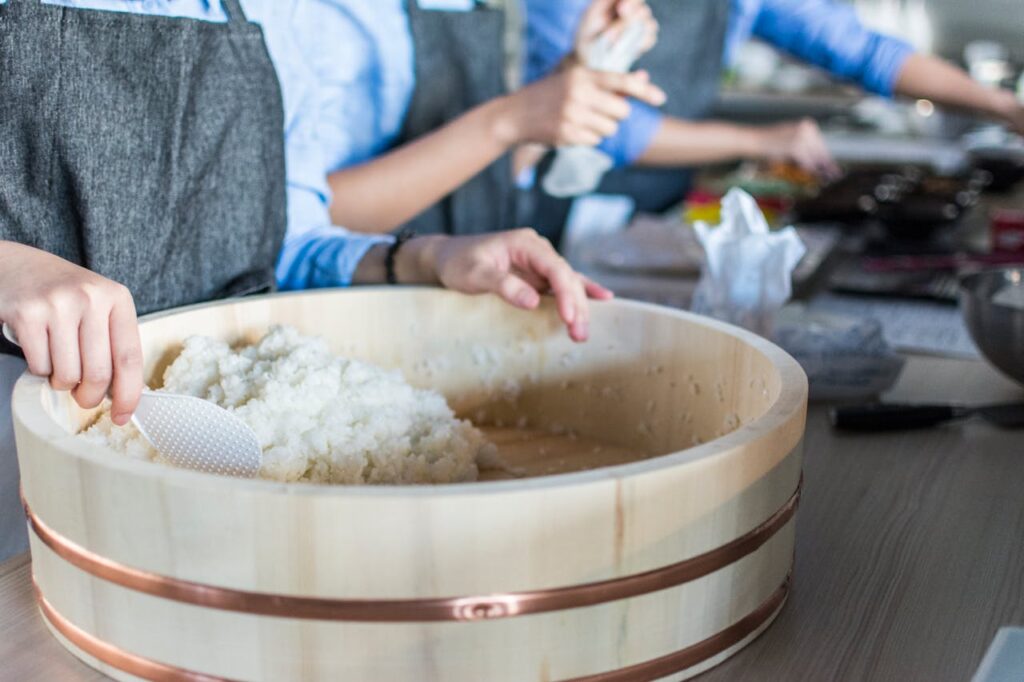
It’s tempting to let your rice sit on the counter after cooking, but doing so increases the risk of contamination. Once rice cools to room temperature, the spores from Bacillus cereus—a bacterium that causes food poisoning—can multiply rapidly.
The general rule is to avoid leaving rice out for more than two hours. If you’re preparing rice for a party or dinner, keep it warm by serving it in insulated containers until it’s ready to be eaten.
Use Shallow Containers for Quick Cooling and Safer Storage
One of the best ways to prevent bacteria from thriving in your rice is to cool it quickly after cooking. A great way to speed up the cooling process is by spreading the rice out in shallow containers.
This increases the surface area, allowing the rice to cool faster and minimizing the time it spends at room temperature. Once it’s cooled, transfer the rice to an airtight container and refrigerate it to keep it fresh and safe for later consumption.
Avoid Reheating Rice More Than Once to Minimize the Risk
It’s tempting to reheat leftover rice, but reheating it multiple times can significantly increase the risk of foodborne illness.
Every time rice is reheated, there’s an opportunity for bacteria to grow and multiply. To reduce the risk of food poisoning, reheat only the amount of rice you plan to eat, and make sure to heat it thoroughly each time. If you have too much leftover rice, consider freezing it for later use rather than reheating it multiple times.
Be Extra Cautious with Buffet-Style or Take-Out Rice
Rice served in buffets or take-out containers can be a breeding ground for bacteria if it’s been sitting out too long. In many cases, the rice may have been sitting at room temperature for an extended period, increasing the risk of contamination.
If the rice looks like it’s been sitting for hours or isn’t steaming hot, it’s better to pass on it. Always ask how long the rice has been out and try to ensure it’s freshly cooked or reheated before eating.
Trust Your Senses: Discard Rice That Looks, Smells, or Feels Off
If you’re unsure whether leftover rice is still safe to eat, trust your senses. Rice should have a mild, pleasant aroma, so if it smells sour or unpleasant, it’s a clear sign that it’s gone bad.
Similarly, if the texture seems off—whether it’s slimy or mushy—discard it immediately. Don’t take any chances with food safety; consuming spoiled rice can lead to unpleasant foodborne illness symptoms that will last much longer than it would take to cook a fresh batch.
Consume Leftover Rice Within 24 Hours for Maximum Freshness
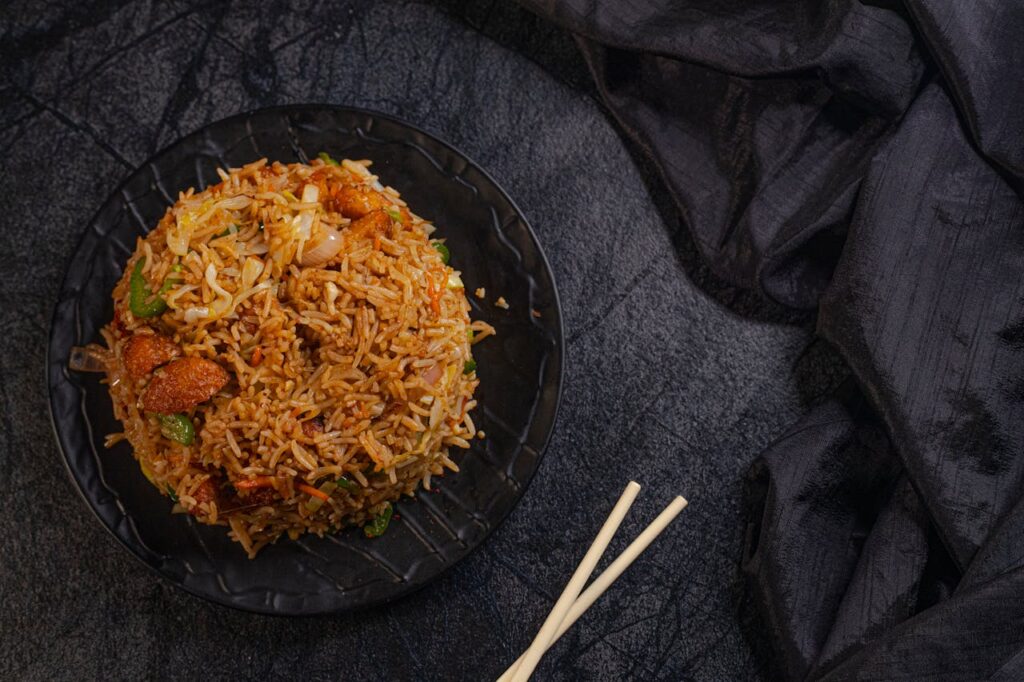
Even if your rice has been properly stored in the refrigerator, it’s best to eat it within 24 hours to minimize the risk.
The longer leftover rice sits, the greater the chance that bacteria could begin to grow, even in the cold environment of the fridge. By sticking to a 24-hour window, you can ensure your rice remains fresh, flavorful, and free of harmful bacteria that could cause illness.