You trust your housekeeper to keep your home spotless, but what if they’re missing crucial areas that could be affecting your health and comfort? It’s easy to overlook certain spots, but ignoring these can lead to a buildup of dust, bacteria, and even mold, putting your family at risk.
In this article, we dive into the 8 areas your housekeeper may be neglecting and why giving these spaces the attention they deserve is more important than ever. Keep reading to discover the hidden cleaning spots that could make or break your home’s cleanliness.
Kitchen
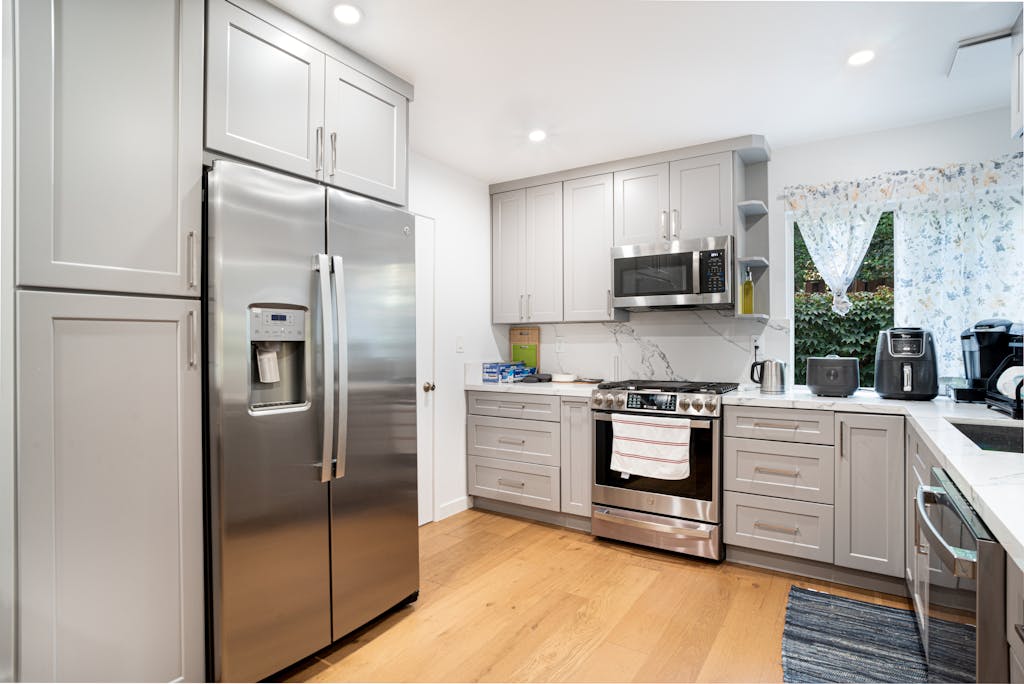
The kitchen is one of the most crucial areas in any home. It’s not only where meals are prepared but also where bacteria and germs can thrive. A clean kitchen ensures food safety and promotes a healthy lifestyle.
- Countertops and Appliances: Regularly wiping down countertops, stoves, and refrigerators prevents food stains and grime build-up.
- Sink and Faucets: The kitchen sink is prone to grease, grime, and water stains. Scrubbing sinks and faucets should be a regular task.
- Cabinets and Drawers: Cleaning cabinet handles and drawer interiors can reduce the build-up of grease and crumbs.
A housekeeper should deep-clean the oven and microwave at least once a month to remove built-up grime.
Basement and Attic
Basements and attics often serve as storage areas, but they can also accumulate dust, cobwebs, and pests if left unchecked. A regular deep clean will prevent clutter from building up and keep these areas safe for storage.
- Dusting Shelves: Regularly dusting shelves and storage boxes ensures you are not storing items in dirty areas.
- Cleaning Floors and Walls: Sweep or vacuum floors to prevent dust and debris from spreading throughout the home.
Keep your attic or basement well-ventilated to prevent moisture build-up, which can lead to mold.
Bathrooms
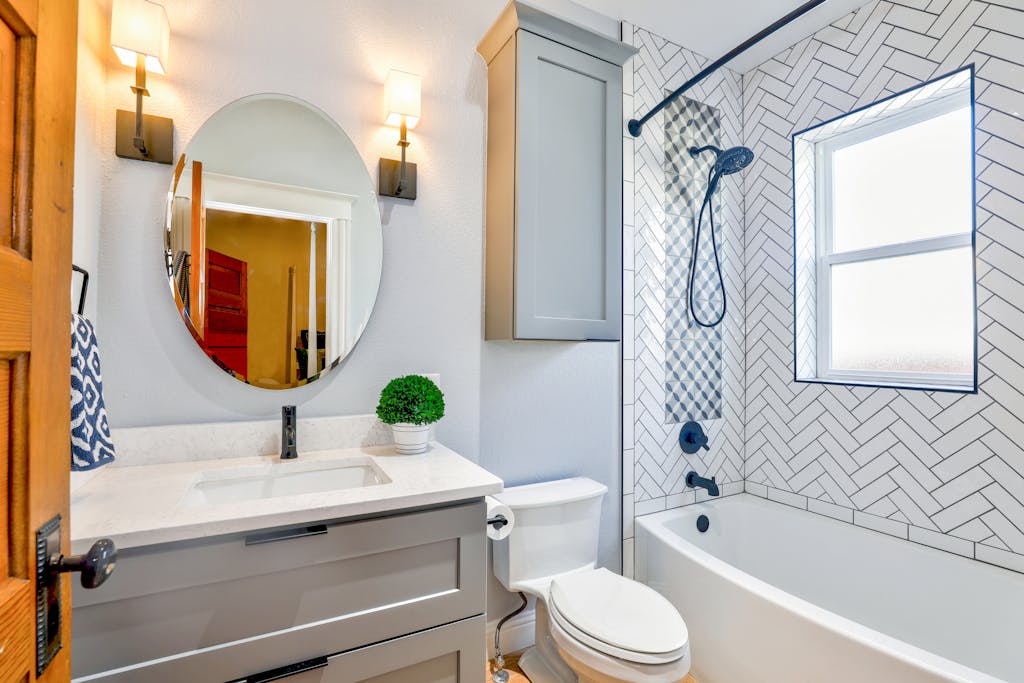
Bathrooms are high-humidity areas and require a deep cleaning to prevent mold and mildew growth. These areas can harbor bacteria, making cleanliness imperative for health.
- Toilets, Showers, and Bathtubs: Regular disinfecting is a must to remove germs, soap scum, and mildew. Pay attention to hard-to-reach areas, such as behind the toilet.
- Sink and Mirrors: Faucets can accumulate grime, while mirrors often collect toothpaste splashes and watermarks.
- Floors and Tiles: Floor tiles can get grimy from soap splashes and water stains. Regularly scrubbing the grout prevents build-up and discoloration.
Housekeepers should always use non-toxic cleaning agents in bathrooms to avoid damaging sensitive materials.
High-Traffic Areas
High-traffic areas like entryways and hallways are the first places visitors notice when entering your home. These areas accumulate dirt and dust quickly, especially during busy seasons. Ensuring that these spaces remain clean is essential for maintaining the overall cleanliness of your home.
- Dusting and sweeping: Entryways and hallways often collect dust, dirt, and debris. Regular sweeping and dusting ensure these areas are always welcoming.
- Floors and surfaces: Pay attention to those around doors, as they are prone to dirt and marks.
Housekeepers should use microfiber cloths to capture dust and prevent allergens from settling on the surfaces.
Living Areas and Bedrooms
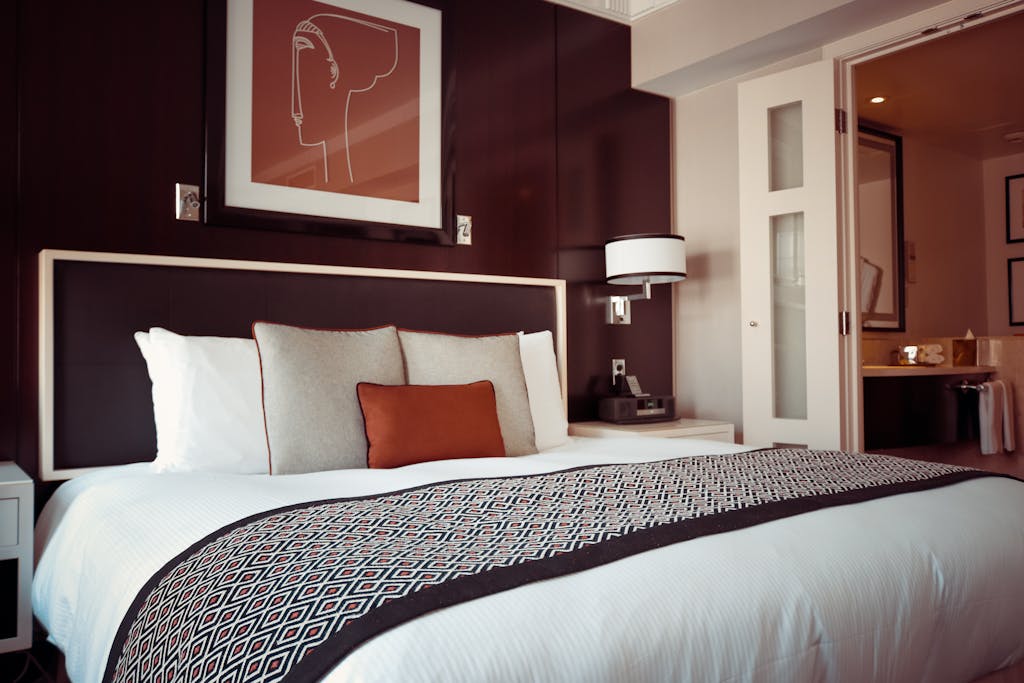
Living rooms and bedrooms are spaces where we relax, entertain, and sleep. These areas need to be cleaned frequently to ensure comfort and hygiene.
- Dusting and Vacuuming: Dusting shelves, furniture, and electronics prevents allergens from circulating. Vacuuming carpets and rugs helps to remove dirt and dust that may be embedded in fabric fibers.
- Upholstery Care: Regularly vacuum and wipe down sofas and chairs to prevent dust buildup and stains.
- Bed Linens and Pillows: Changing bed linens and fluffing pillows keep your sleeping environment fresh and comfortable.
A good housekeeper should rotate cushions and bedding regularly to ensure even wear.
Windows and Glass Surfaces
Windows and glass surfaces in your home are often overlooked but require attention. Dirty windows can impact your home’s aesthetic and let in less natural light.
- Windows: Wash windows inside and out seasonally or after storms to prevent smudges and water stains.
- Glass Doors: Sliding glass doors and mirrors accumulate fingerprints and dust. A thorough cleaning will maintain clarity.
- Screens: If you have window screens, clean them regularly to remove pollen, dirt, and insects.
A housekeeper should clean window tracks and sills to prevent dirt buildup and ensure smooth operation.
Flooring

Floors bear the brunt of foot traffic and can quickly become dirty and stained. Whether you have carpet, hardwood, or tile, keeping your floors clean is essential.
- Carpets and Rugs: Vacuuming and professional cleaning of carpets remove embedded dirt and allergens. Area rugs should be cleaned or shaken out regularly.
- Hardwood Floors: Sweeping and mopping hardwood floors prevent scratches and keep the wood looking polished.
- Tile and Grout: Tile floors should be scrubbed periodically to prevent grime build-up, especially in high-traffic areas.
A housekeeper should use appropriate cleaning products for different flooring types to prevent damage.
Air Vents and HVAC Systems
Clean air is essential for a healthy living environment. Air vents, HVAC systems, and filters accumulate dust, pet dander, and other allergens, which can harm your respiratory system.
- HVAC Filters: Changing or cleaning filters ensures optimal air quality and reduces allergens in your home.
- Air Ducts: Over time, air ducts collect dust and dirt. Regular cleaning helps reduce airborne contaminants.
A housekeeper should ensure that air vents are dusted and filters are checked every three months to maintain air quality.