Laundry is one of life’s deceptively simple chores, yet a single misstep can ruin your clothes, damage your machine, or even start a fire. Many of the items we toss in without thinking about can wreak havoc, from delicate fabrics to stubborn stains and embellished favorites. Here’s a deep dive into nine things you should never put in the washing machine if you want to keep your clothes looking great and your washer in top condition.
Zippers and Buttons Left Unsecured
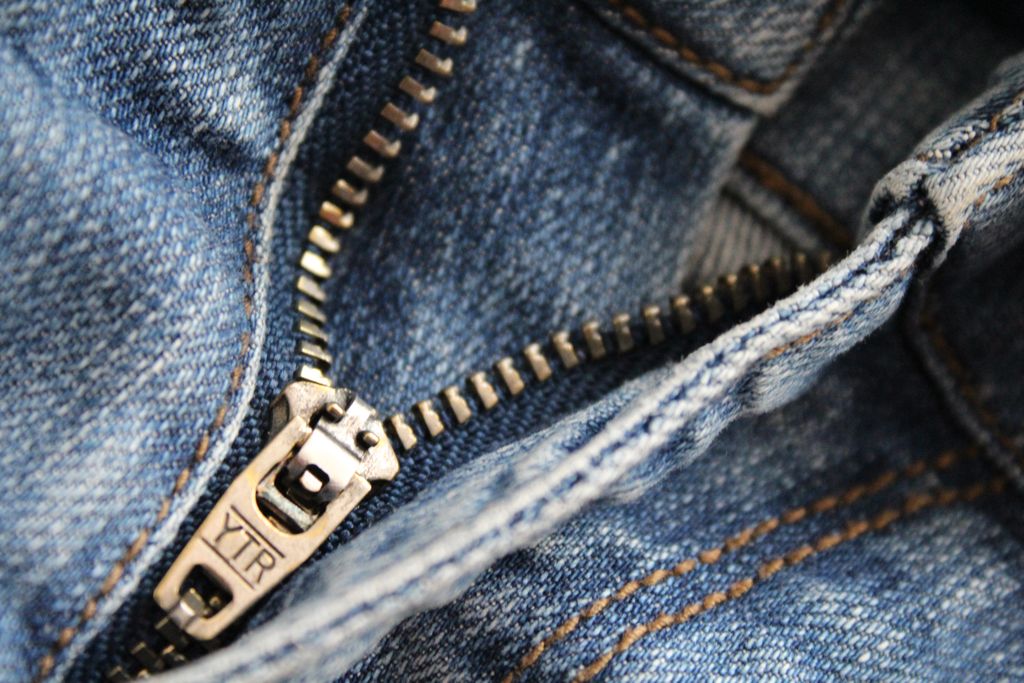
Those sharp metal edges and rigid buttons can transform your machine into a clothing shredder. Leaving zippers undone allows the teeth to snag soft fabrics, while fastened buttons put stress on threads and buttonholes.
Over time, repeated friction from washing can wear and fray your favorite shirts, jeans, and outerwear, making them look worn and frayed. Always zip pants fully, unbutton shirts, and consider using a mesh laundry bag for extra protection on delicate pieces.
Clothing Covered in Pet Hair
Pets are lovable, but their fur is laundry’s worst nightmare. Tossing fur-covered clothes directly into the washer causes clumps to form and stick to the drum, often clogging the drain or sticking to other fabrics.
This not only spreads hair but can also reduce washing efficiency, leaving lint and fur behind on your next load. The best practice is to use a lint roller or run clothes through a short dryer cycle first to remove excess hair before washing.
Swimsuits and Stretch Fabrics

Spandex, nylon, and mesh interiors are delicate materials that degrade when subjected to repeated machine agitation. Tossing swimsuits into a regular wash can cause sagging, fabric distortion, and weakened elasticity.
Even machine-safe swimsuits lose their shape and vibrancy faster over time. Rinsing with cold water and hand-washing in mild detergent will maintain the fabric’s stretch and color longevity far longer than a standard machine cycle.
Shoes That Aren’t Designed for the Washer
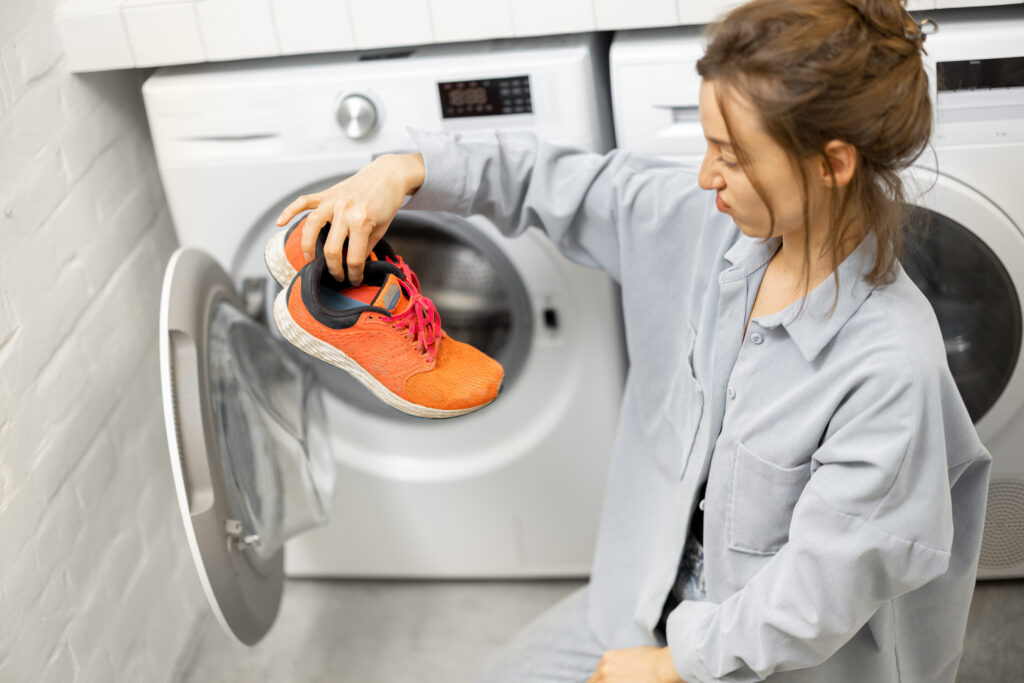
While some cotton or canvas sneakers can survive a gentle cycle, leather, suede, vinyl, and cork are destroyed by water and agitation. Machine washing can cause peeling, cracking, and deformation of soles and uppers.
Always remove laces and insoles, place shoes in a protective laundry bag, and stick to gentle, low-spin cycles if the material permits. Specialized shoes or embellished designs are best cleaned by hand to prevent irreparable damage.
Suits and Structured Clothing

Suits, blazers, and ties are built with intricate interfacing and stitching that give them shape. Water and movement in a washing machine can cause fabrics to shrink, linings to warp, and interfacing to deteriorate.
Even garments labeled as machine-washable may suffer reduced lifespan and structural damage. Dry cleaning or careful hand-washing with slow drying remains the only safe route to preserve these high-value wardrobe pieces.
Delicate Lingerie and Bras
Bras, lace garments, and similarly delicate fabrics are vulnerable to stretching, snagging, and deformation from underwire. Metal clasps can catch on other clothing, and the spinning drum exerts too much force on delicate stitches.
Using a mesh laundry bag or hand-washing ensures longevity, preserving both fit and fabric integrity. Never toss fine lace or silk lingerie loose into the machine; it’s a recipe for disaster.
Embellished or Decorative Clothing
Sequins, embroidery, and glued-on embellishments cannot survive the machine’s harsh environment. The heat and tumbling action can loosen threads, melt adhesives, and permanently ruin patterns.
This type of clothing should always be hand-washed or professionally cleaned to preserve the artwork and detailing. For machine washing, use only garments explicitly marked as safe and protective laundry bags.
Items Soiled with Flammable Substances
Clothing treated with paint thinner, motor oil, or other volatile liquids should never be placed in a washing machine. The combination of heat, detergent, and friction can trigger chemical reactions that may cause smoke or even fire.
Pre-treat these stains with appropriate solvents, isolate the item, and hand-wash in a safe area. Machines are not equipped to handle flammable residues, making prevention critical for safety.
Overstuffing and Ignoring Care Labels
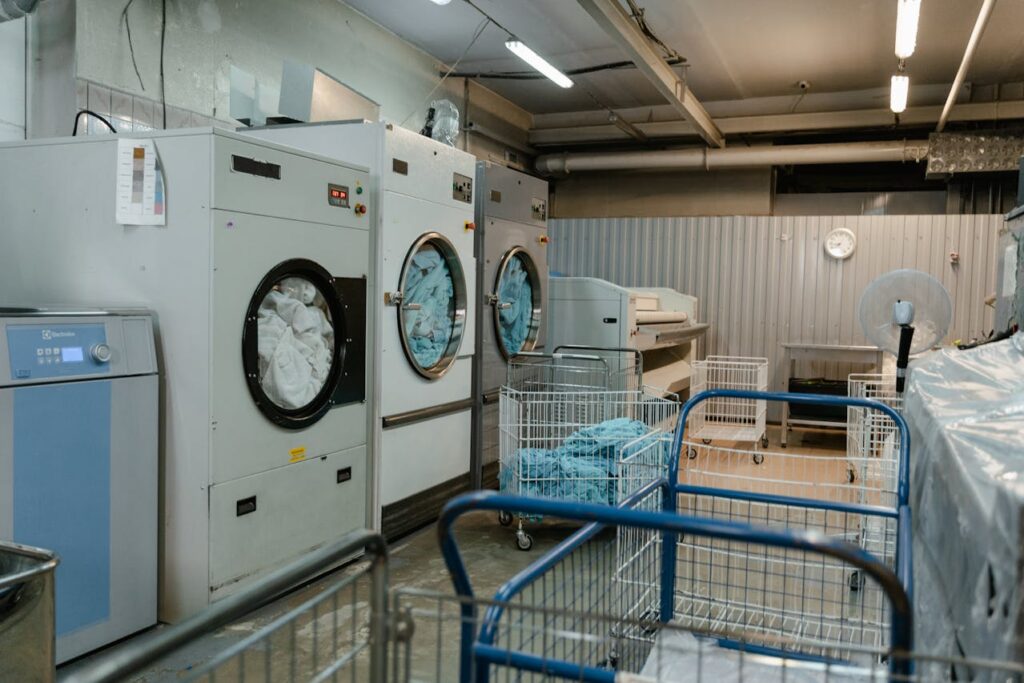
Even seemingly harmless clothes can get damaged if you overload the drum. Crowded washers prevent thorough cleaning, increase friction, and shorten fabric lifespan.
Always check care labels and load sizes carefully to balance efficiency with garment preservation. Washing according to instructions, with correct water temperature and cycle selection, ensures longevity and prevents accidents.