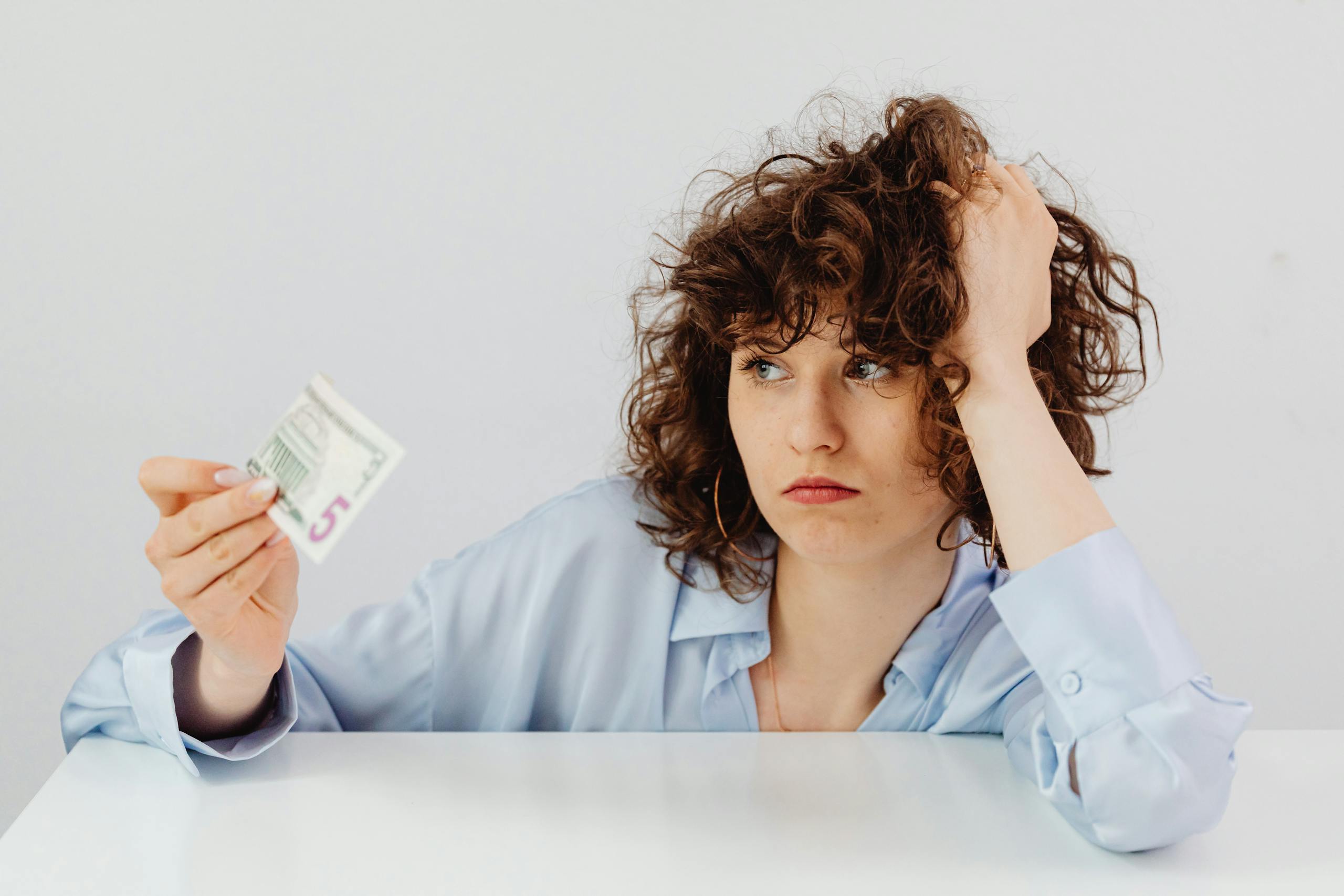
Feeling tense and overwhelmed has become something we recognize all too well. Everyday pressures, from deadlines to personal obligations, can make your nervous system rev up and leave you feeling restless, unfocused, and uneasy. While deep breathing often gets suggested first, it’s not the only way to manage the uncomfortable sensations that come with anxiety and stress. There are accessible alternatives that help shift your body and mind out of that “fight‑or‑flight” mode and into a calmer state. The following five methods go beyond just breathing by engaging your senses, body, and thinking patterns to soothe nerves more effectively when standard techniques don’t cut it.
Practice Grounding Techniques

Grounding helps you stay connected to the present moment when your mind is racing. Instead of allowing anxious thoughts to spiral, grounding brings your attention to what’s right in front of you. For example, something like the 5‑4‑3‑2‑1 sensory exercise involves noticing five things you can see, four things you can touch, three things you can hear, two things you can smell, and one thing you can taste. Completing this sensory checklist forces your nervous system to focus on concrete physical input instead of stress, which can interrupt overwhelming internal narratives and calm your body’s threat response. It’s a simple but powerful way to anchor your awareness in the here and now rather than in imagined worries.
Try Bilateral Stimulation
When stress ramps up, your nervous system can feel stuck in a state of high alert. Bilateral stimulation, a technique used in certain types of therapy, engages both sides of the body in rhythmic alternation to help reduce that tension. This might mean tapping one knee then the other, or using sounds that alternate between ears. The idea is that side‑to‑side movement or stimulation mimics patterns your brain associates with rest and REM sleep, encouraging your nervous system to shift out of overdrive. It’s especially useful because it combines physical rhythm with cognitive focus, giving your body and mind a new signal that “threat” has passed.
Get Moving
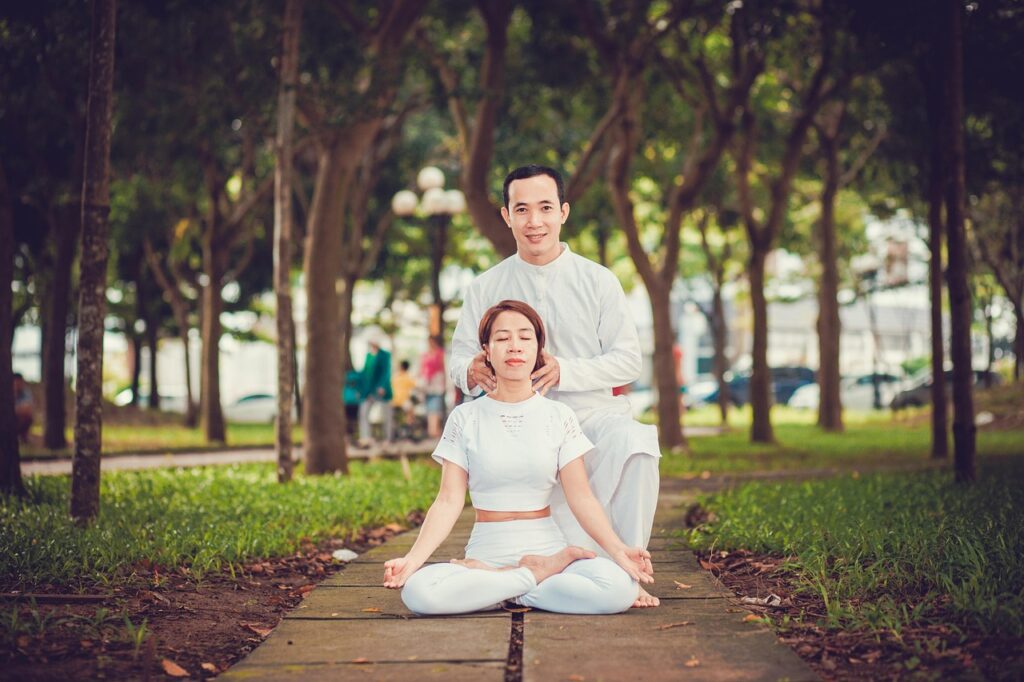
Keeping still isn’t always the best solution when nerves are high. Low‑intensity movements like stretching, yoga poses, or even a short brisk walk activate your parasympathetic nervous system, which is partly responsible for the “rest and digest” state. Movement encourages your muscles and breath to relax together, helping reduce physical tension that builds when you’re anxious. It doesn’t take a long workout to make a difference; even a few minutes of deliberate, calm motion can shift your body out of stress mode by using up excess adrenaline and refocusing your attention.
Keep Your Hands Busy
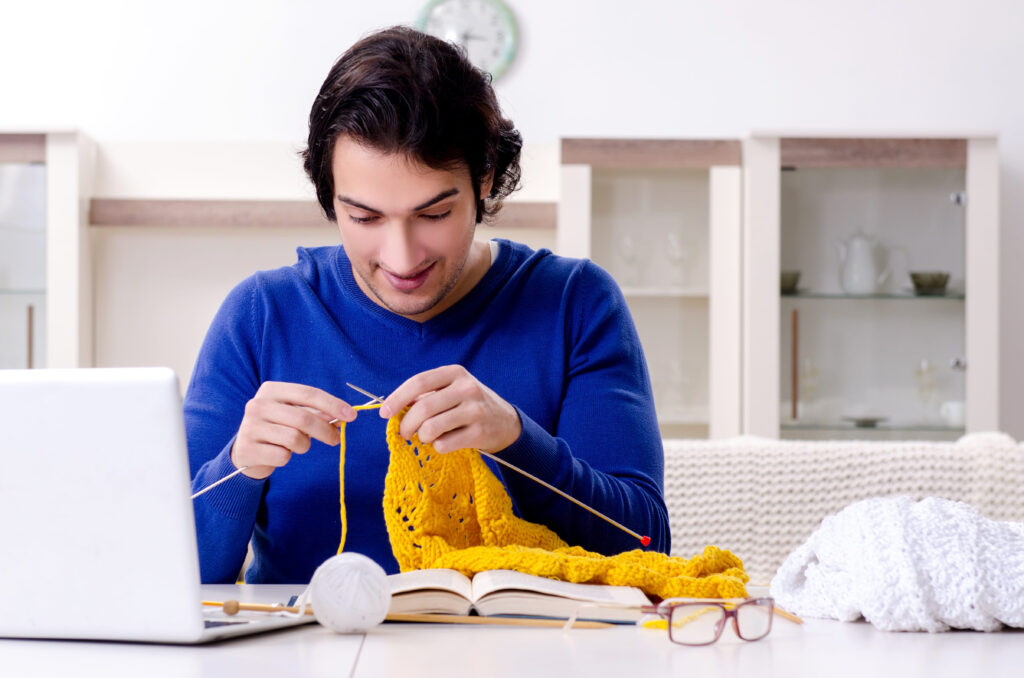
Focusing your tactile senses through hands‑on activities can be surprisingly calming. When your hands are occupied, whether knitting, solving a puzzle, sorting small objects, baking, or any repetitive tactile task, your nervous system gets a break from internal worry loops. These activities provide gentle sensory feedback, help you concentrate, and give your mind something structured to do. The combination of sensation and simple focus acts like a soothing balm for your nervous system, helping it downshift from agitation to calm.
Repeat a Personal Mantra

Anxiety often feeds on internal chatter and negative predictions. Repeating a personal mantra, a short, meaningful phrase that resonates with you, can interrupt anxious self‑talk. Whether it’s something like “no feeling is final” or “I’ve handled this before,” repeating your mantra to yourself quietly helps reframe how you view the moment. It gives your brain a constructive alternative narrative to latch onto, which can slow racing thoughts and reassure your nervous system that the situation doesn’t require alarm. The simple act of repetition builds a cue your brain learns to associate with calmness and safety.
Indulge in a Relaxing Bath

Sometimes, the best way to soothe your nerves is to treat your body to a moment of pure relaxation. A warm bath can work wonders for both your muscles and your mind. The heat from the water helps loosen tight muscles, while the calming ritual of soaking can signal your brain that it’s time to unwind. For added benefit, incorporate soothing elements such as lavender essential oils or Epsom salts, both known for their muscle-relaxing properties. The sensory experience of warmth, combined with relaxation cues, helps activate your parasympathetic nervous system, easing tension and promoting a sense of calm and comfort.
Conclusion
Managing nerves isn’t about avoiding stress altogether; it’s about equipping your body and mind with strategies that genuinely reach your nervous system. When traditional deep breathing doesn’t fully help, techniques that engage your senses, involve body movement, use rhythmic stimulation, involve focused activity, and use mindful language give you more tools to navigate anxiety. Practice helps all of these methods become more effective over time, turning stress from something that overwhelms you to something you can understand and soothe with intention. The more you integrate these approaches into your routine, the better you’ll be able to ease tension and reclaim a sense of balance in your daily life.