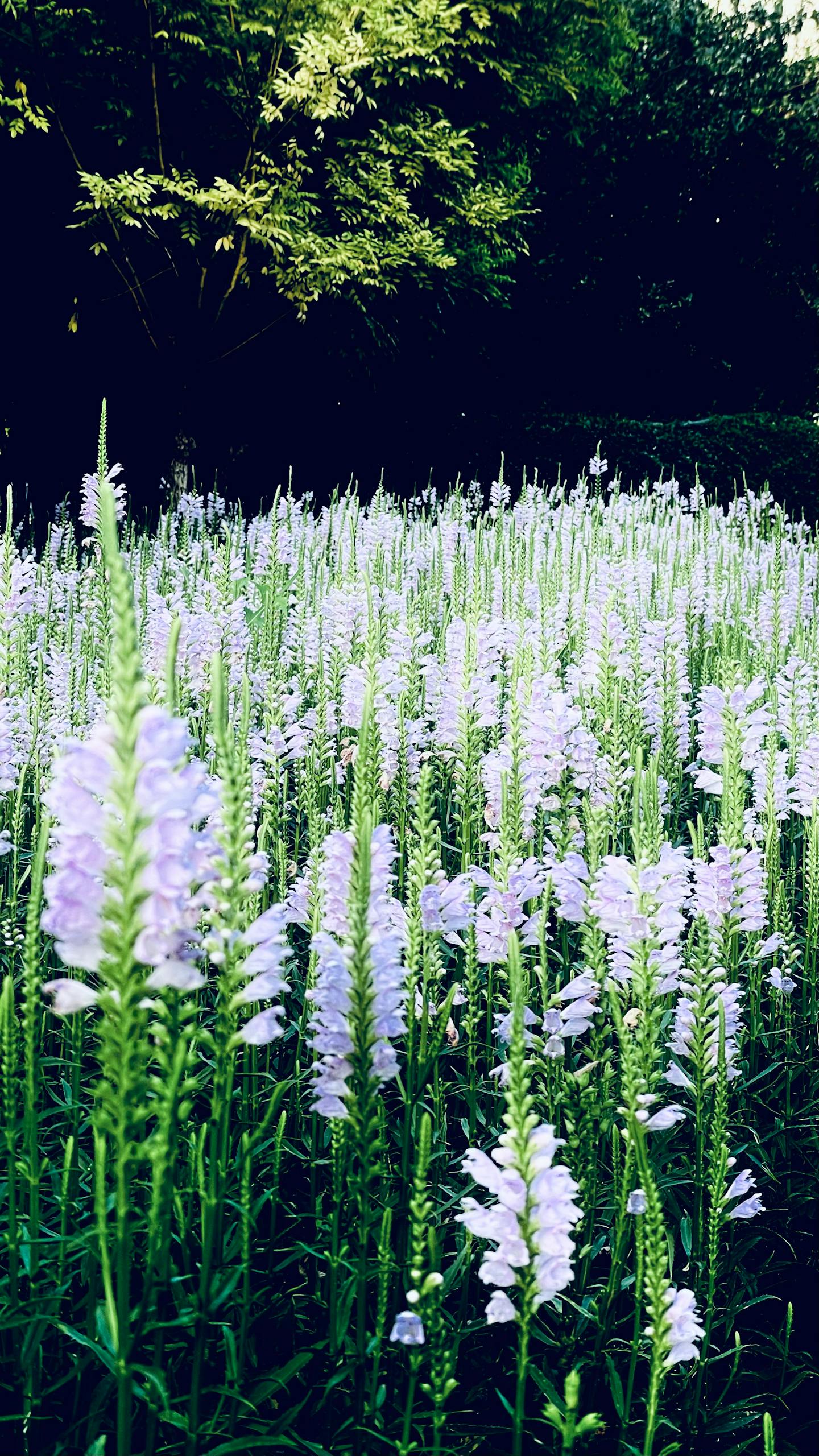
Bringing home a new plant can be exciting, but for many first‑time plant owners, that excitement quickly fades when their greenery starts to wilt, turn yellow, or even die. New plant parents often make avoidable mistakes because they don’t understand what their plant actually needs. Plants are living things with specific light, water, soil, and nutrient requirements, and treating them as decorative objects rather than living companions can quickly lead to problems. The tips below highlight common mistakes beginners make, so you can protect your plants from unnecessary stress and loss.
Choosing the Wrong Plants for Your Space and Lifestyle

One of the biggest errors beginners make is picking plants based on looks alone, without considering whether they suit their living environment or schedule. Some plants require bright sunlight for most of the day, while others need indirect light or minimal care. If your home doesn’t get a lot of natural light or you travel frequently, choosing a high‑maintenance plant almost guarantees it will struggle. Research each plant’s ideal conditions before bringing it home. Opt for hardy, beginner‑friendly varieties that can tolerate a bit of neglect and still thrive.
Skipping Proper Potting and Spacing Requirements
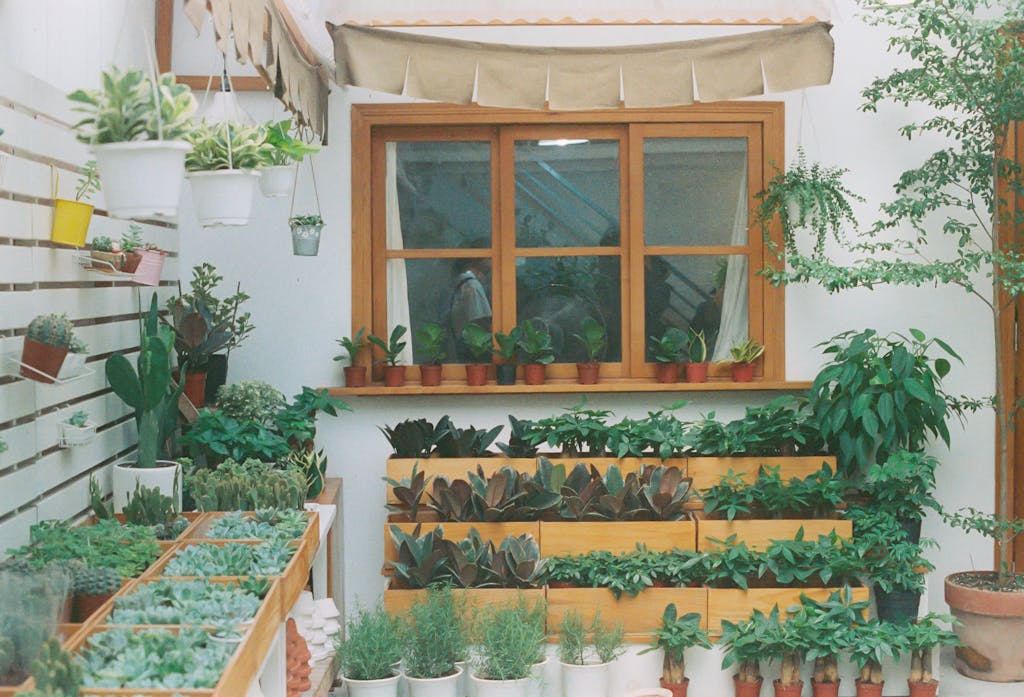
Plants need room to grow and soil that supports healthy root development. New plant owners sometimes use pots that are too large or too small, or choose decorative containers without drainage holes. Without proper drainage, water collects at the bottom and suffocates roots, leading to rot. When selecting a pot, choose one that’s just slightly larger than the plant’s current container, and always ensure it has drainage. Also, pay attention to spacing if you’re placing multiple plants together. Crowding them forces competition for water, light, and nutrients, which stresses plants and inhibits growth.
Neglecting Repotting as Plants Grow
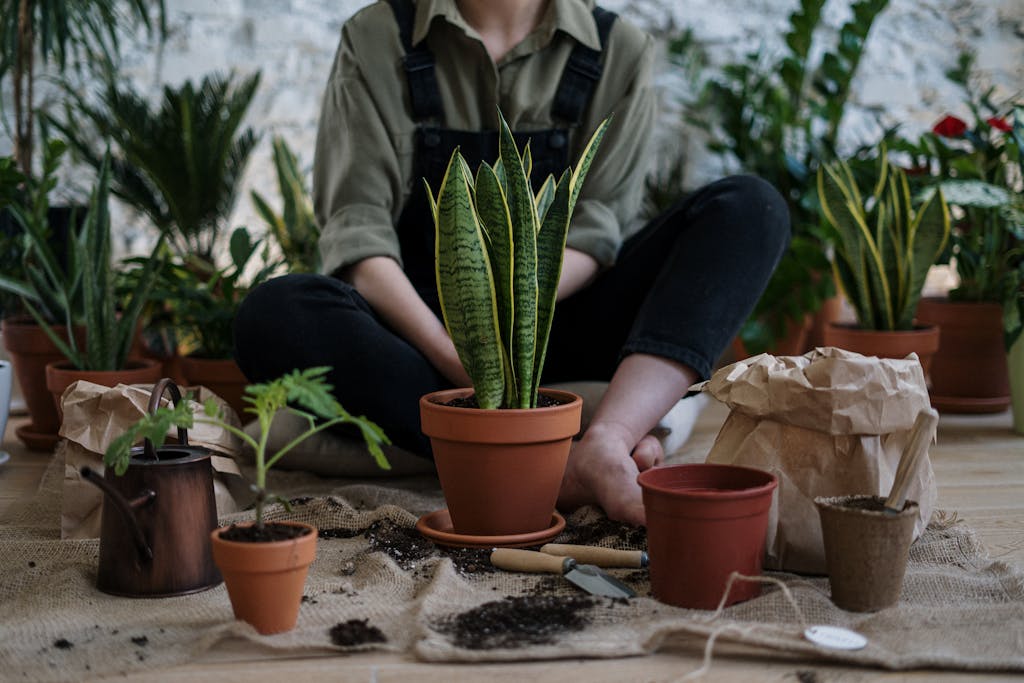
Plants don’t stay the size they are when you buy them. As they grow, their roots need more space and fresh soil to continue healthy development. If you leave a plant in the same pot for too long, its roots can become tightly packed, preventing efficient water absorption and nutrient uptake. Signs that it’s time to repot include roots growing out of drainage holes, soil drying out too fast, or slow growth even with proper care. Repotting every one to two years during the plant’s growing season gives it room and nutrients to flourish.
Overlooking Light Needs and Fertilization
Lighting and nutrients are two of the most misunderstood aspects of plant care. Plants vary widely in their light preferences, and many beginners assume that a shady corner is enough or that all plants need the same light. Too much direct sun can scorch leaves, while too little light leads to leggy growth and dull foliage. It’s essential to match your plant to the right light conditions. Additionally, potted plants rely on you for nutrients. Soil loses its fertility over time, so forgetting to fertilize can leave your plant hungry, with weak stems and stunted leaves. A regular fertilizing schedule during the growing season keeps plants robust.
Watering Wrong — Both Overwatering and Underwatering
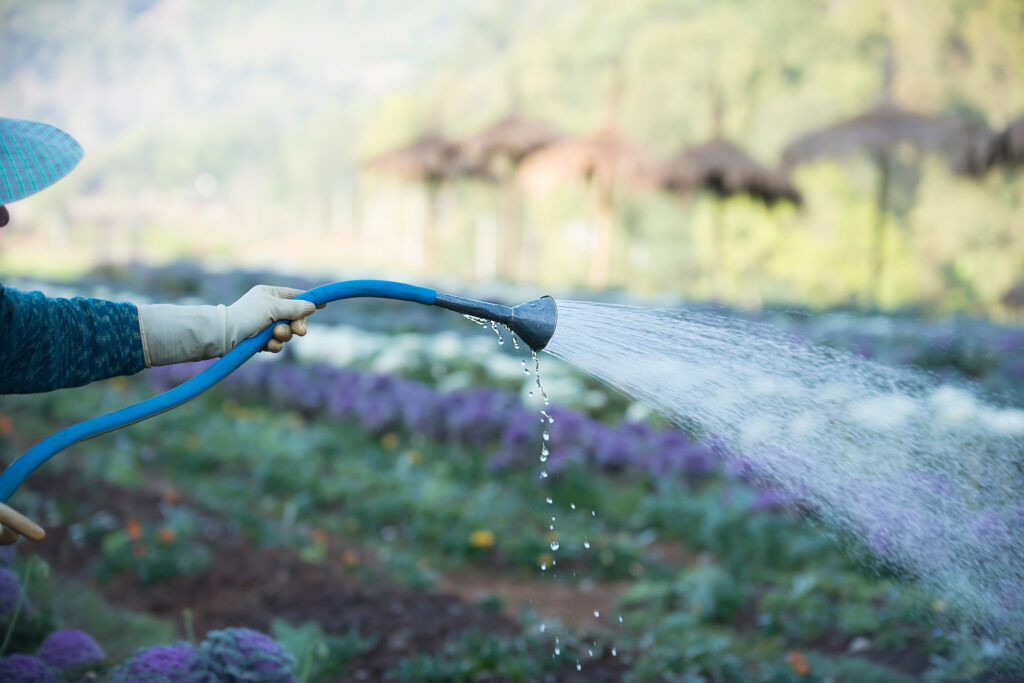
Watering seems simple, but it’s where most new plant owners fail. Many people think watering more is better, which leads to soggy soil, root rot, and ultimately plant death. On the other hand, letting soil get bone dry for too long can stunt growth and cause leaves to brown and drop. Understanding your specific plant’s water needs is vital. Some plants like consistent moisture, others like to dry out between waterings. A good rule is to feel the top inch of soil before watering, only water when it’s dry, and always allow excess water to drain away.
Conclusion
Caring for plants is a rewarding experience, but it also requires knowledge and consistency. Avoiding these common mistakes, such as mismatched plant choices, improper potting and spacing, neglecting repotting, ignoring light and nutrient needs, and incorrect watering, will put you on the path to thriving greenery rather than frustration. With a little research and attention to each plant’s unique needs, you’ll become a confident plant parent whose plants grow lush and healthy.