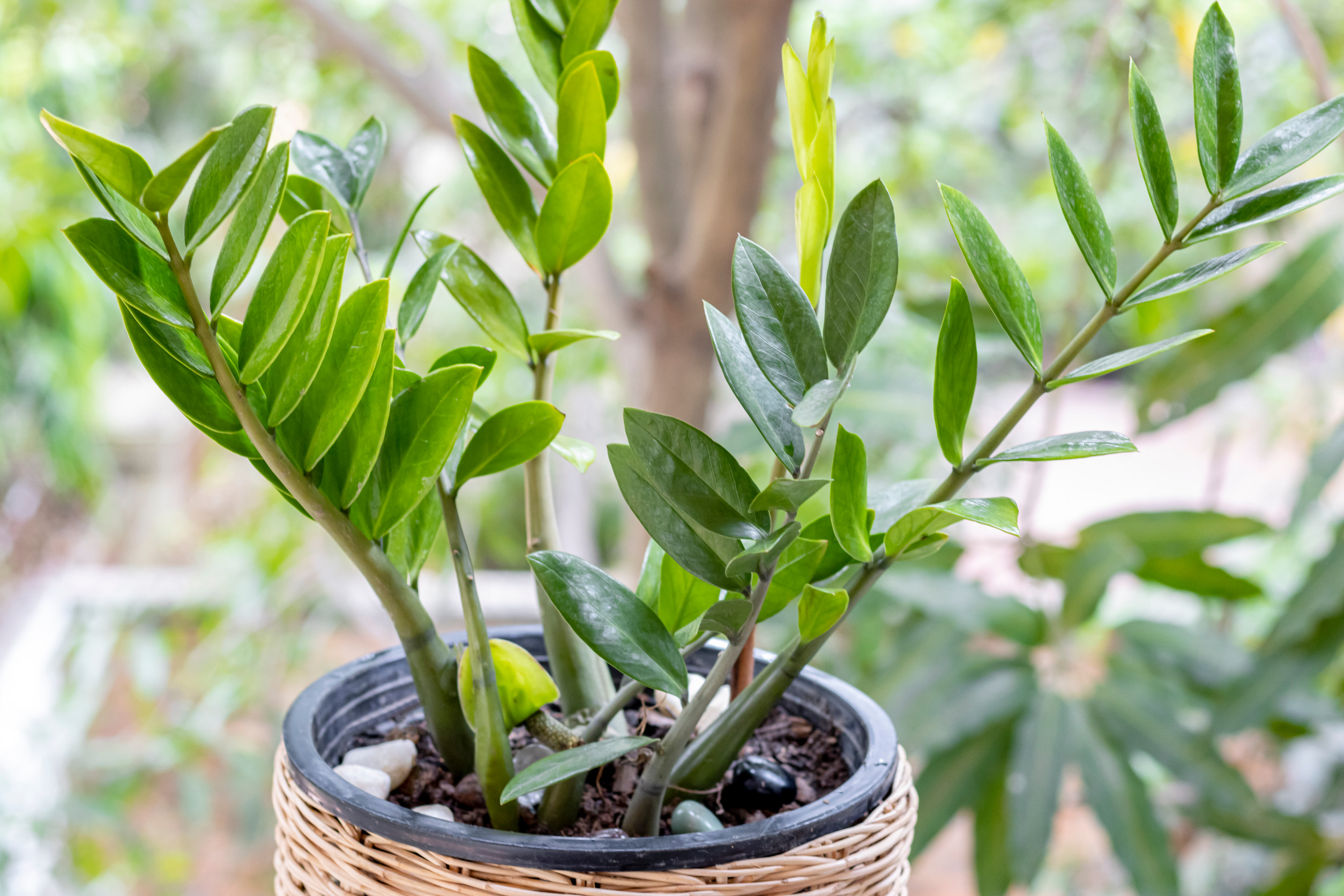
While it’s tempting to resort to DIY hacks that promise quick fixes for weeds, many of these methods can backfire, leaving you with a damaged lawn. The key to eliminating weeds without sacrificing your grass’s health lies in using the right techniques and properly maintaining your lawn. Here’s an expanded list of common mistakes to avoid when dealing with weeds to ensure a lush, healthy lawn.
Using Harsh Chemicals That Damage Your Grass
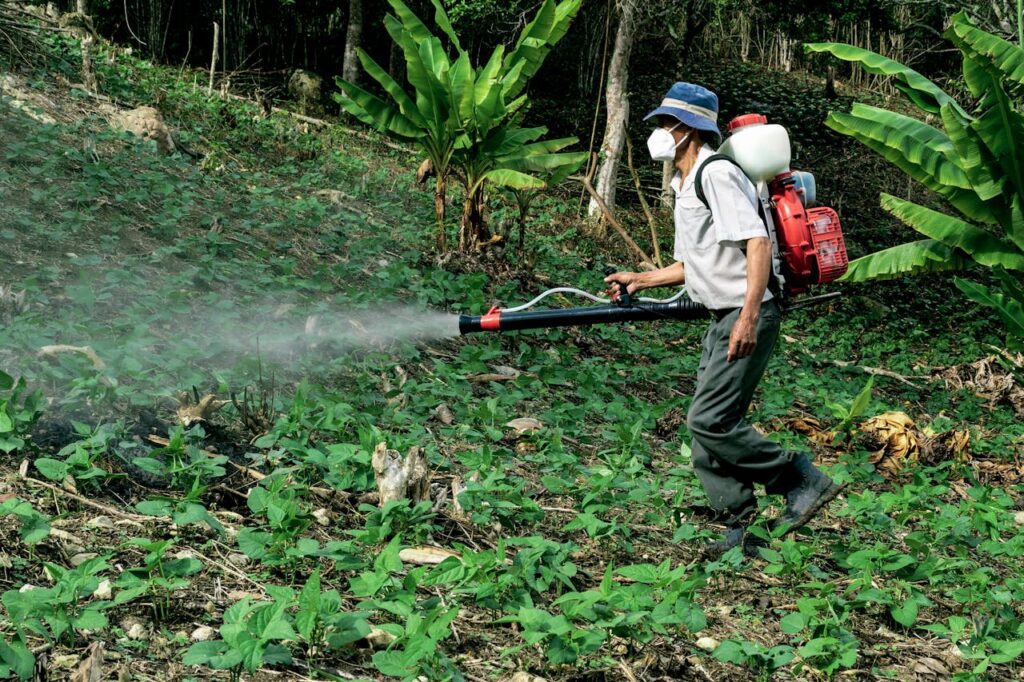
Chemical herbicides are often an easy go-to for weed control. However, many of these chemicals don’t discriminate between weeds and grass. Applying broad-spectrum herbicides can kill your turf along with the weeds, leaving bare patches. Opt for selective herbicides that target specific weeds, or better yet, incorporate natural methods that won’t harm your grass.
Ignoring Proper Lawn Maintenance
Skipping essential lawn care tasks like mowing, aerating, and fertilizing can create an ideal environment for weeds to take hold. Healthy grass naturally crowds out weeds, so maintaining your lawn’s overall health is the best way to keep them at bay. Regular mowing, along with the right fertilization and aeration schedules, strengthens the grass and prevents the spread of unwanted plants.
Over-watering or Under-watering
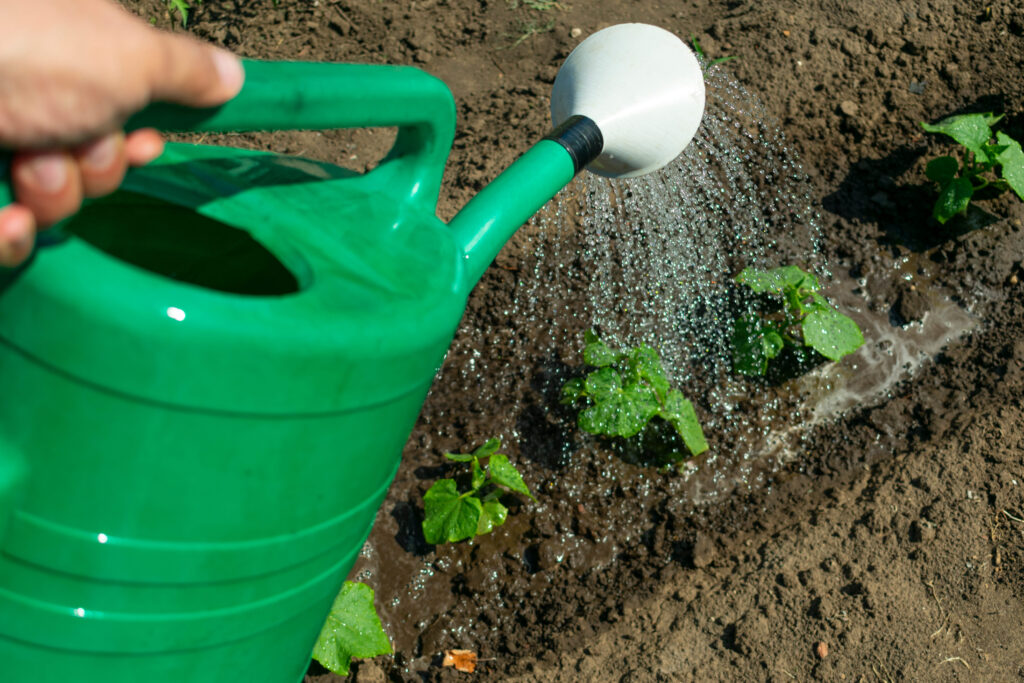
Watering is crucial for grass growth, but improper watering habits can make your lawn vulnerable to weeds. Over-watering leads to soggy conditions, which promote the growth of moss and weeds, while under-watering stresses your grass, making it weak and more susceptible to weed invasion. Establish a proper watering schedule tailored to your lawn’s needs, and avoid watering at the wrong times to keep weeds from flourishing.
Over-fertilizing Your Lawn
While fertilizing your lawn can boost grass growth, over-fertilizing can have the opposite effect. Excess fertilizer can cause your grass to grow unevenly, promoting weak spots where weeds can thrive. Stick to a balanced fertilization plan that provides your lawn with the necessary nutrients without encouraging excessive weed growth. Always follow the manufacturer’s recommendations on fertilizer application.
Mowing Too Short or Too High

When you mow your lawn too short, it weakens the grass and exposes the soil to direct sunlight, creating the perfect conditions for weeds to sprout. On the other hand, cutting the grass too high prevents sunlight from reaching the soil, hindering grass growth. Aim to mow your lawn at the recommended height for your grass type to encourage healthy turf and discourage weed growth.
Applying Weed Killer on Windy Days
Spraying weed killer on a windy day might seem harmless, but it can cause the chemical to drift onto unintended areas, harming nearby plants or your lawn. Wind drift can result in chemical burn spots on your grass, which can take weeks or months to recover from. Always apply herbicides on calm days to ensure the spray stays where it’s needed and doesn’t drift onto other parts of your yard.
Not Addressing Soil Compaction
Soil compaction occurs when the soil becomes too hard and dense for grass roots to penetrate, leading to weak grass and encouraging weed growth. Compact soil reduces airflow and water infiltration, giving weeds an upper hand. Aerating your lawn regularly will improve soil structure, allowing the grass roots to grow deeper, thrive, and outcompete weeds.
Using DIY Weed Killers That Are Harmful to Your Grass
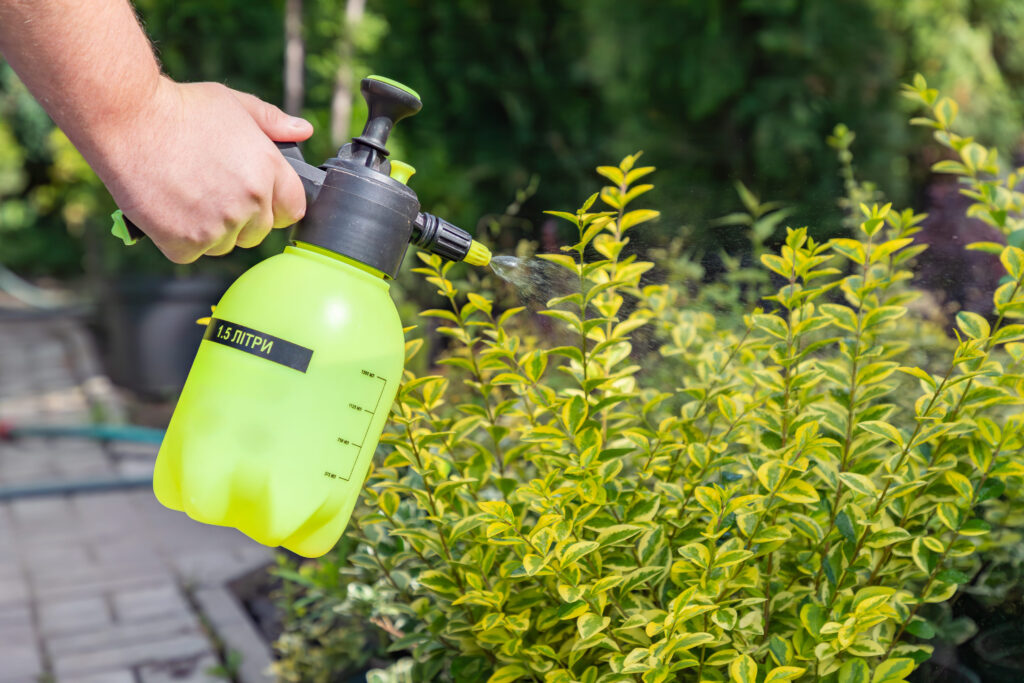
Common DIY weed-killing solutions like vinegar or dish soap may kill weeds, but they can also burn and damage your grass. These substances can also disrupt the pH balance in your soil, affecting your lawn’s overall health. Stick to safe, proven, and gentle weed-management methods, and avoid homemade solutions that could harm your turf.
Not Seeding Bare Spots
Bare patches in your lawn are a breeding ground for weeds. If you leave these spots untreated, weeds will quickly invade and take over. Overseed any thin or bare patches to encourage grass growth and fill in gaps where weeds may otherwise grow. This not only strengthens the grass but also reduces the chances of weeds taking root in vulnerable areas.
Neglecting Soil pH and Fertility
Soil health plays a significant role in both the appearance of your lawn and its ability to fight off weeds. A lawn with poor soil fertility or an imbalanced pH is more likely to succumb to weeds. Consider testing your soil’s pH and nutrient levels to see if any adjustments are needed. Adding lime or sulfur to adjust the pH or applying soil amendments can help create a more favorable environment for your grass.
Relying Too Heavily on Mulch
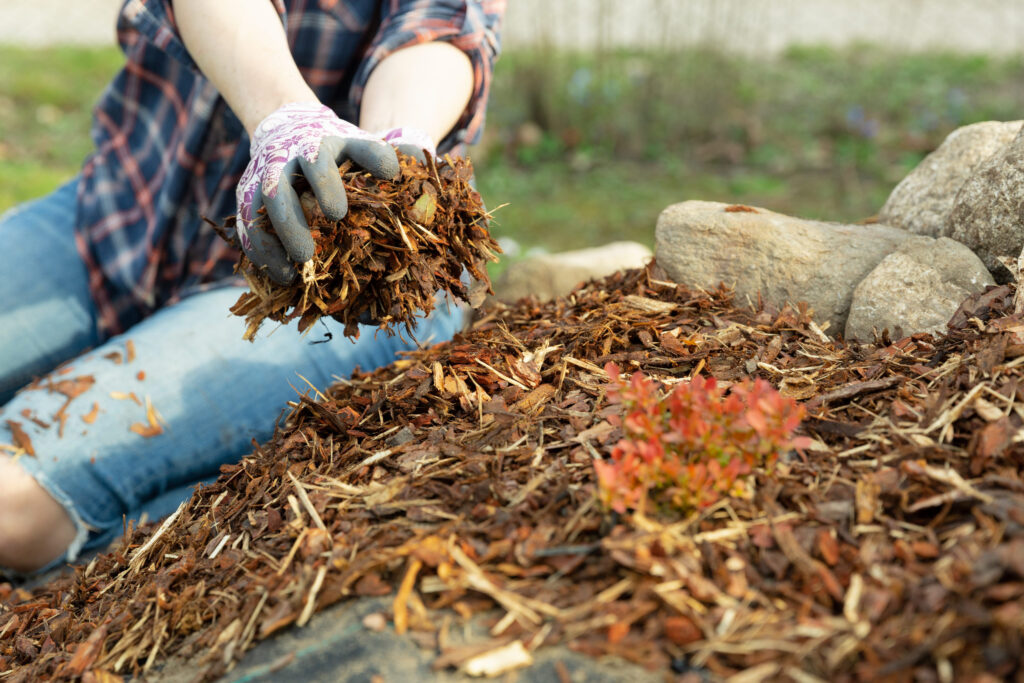
While mulch is an excellent way to control weeds in garden beds, over-relying on it in your lawn can have the opposite effect. A thick layer of mulch can trap moisture and create an environment where weeds can thrive, particularly in shaded areas. Use mulch sparingly in flower beds and avoid spreading it too thickly on your lawn, as it can smother the grass and encourage unwanted growth.
Ignoring the Role of Healthy Lawn Practices
Weeds are a sign that your lawn may be struggling. Relying solely on herbicides without addressing your lawn’s underlying health can be a waste of time and money. Focus on improving soil quality, maintaining the right grass height, and keeping the lawn properly fertilized and watered. A healthy lawn will naturally resist weed invasion, making herbicides less necessary.
Conclusion
By avoiding these harmful lawn care mistakes, you can create a weed-free, lush green lawn that thrives year after year. The key to long-term success is consistency in proper lawn care practices and using weed control methods tho