Every culture on earth has looked at the mystery of wealth, why some people have it, why others don’t, why it arrives and disappears without warning, and reached the same conclusion: there must be creatures involved.
From helpful Buddhist deities to aristocracy-eating dragons, folklore is absolutely stuffed with supernatural beings who can make you rich, keep you rich, or eat you for being too rich. Here are ten of the most fascinating.
Jambhala
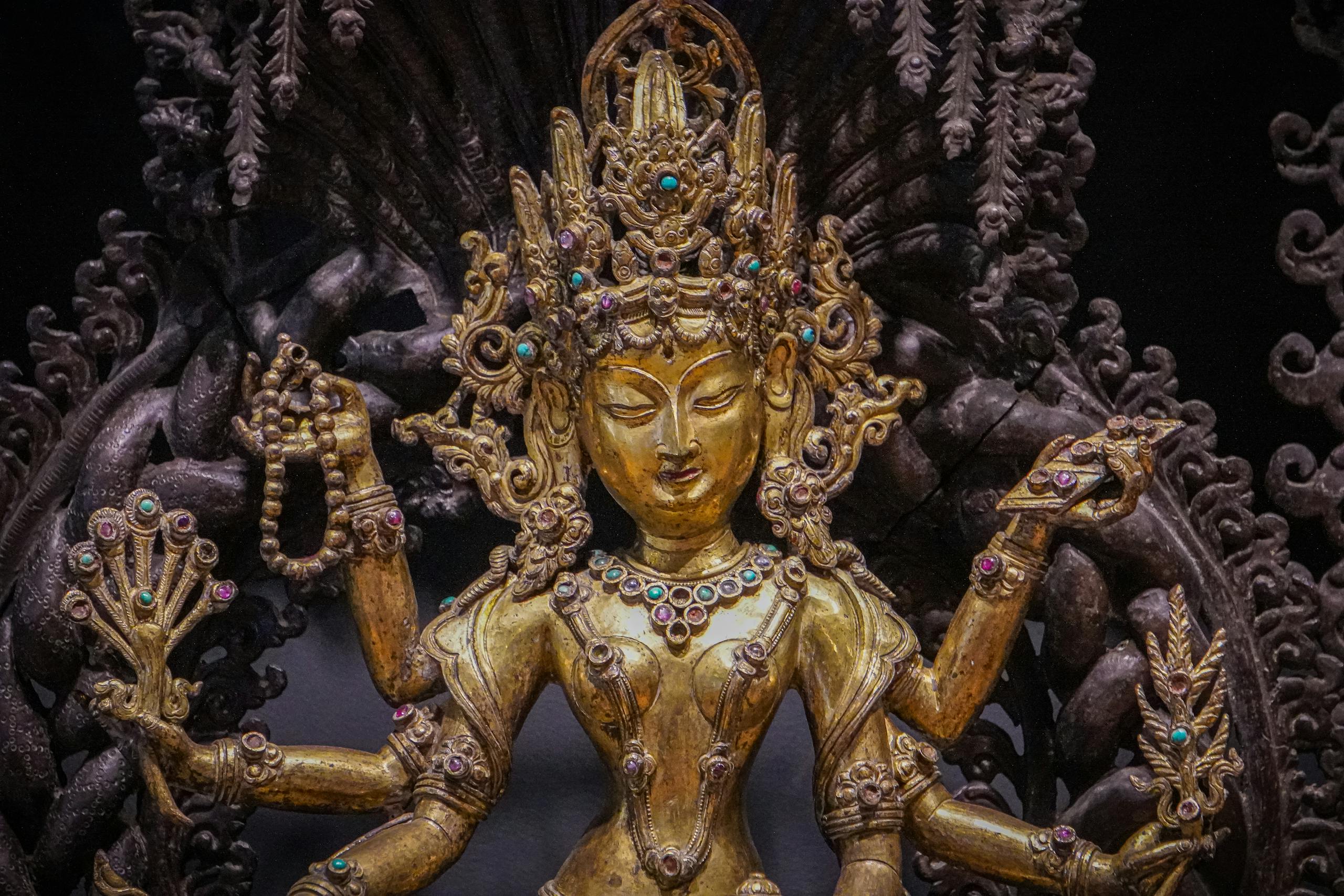
Let’s start with the most practical entry on this list. Jambhala is a Buddhist deity, and unlike most wealth-adjacent supernatural beings, he isn’t interested in making you rich. He’s interested in making sure you’re not broke.
His domain is financial stability, protecting devotees from debt, sudden economic crises, and the particular misery of poverty, so grinding that it crowds out any possibility of spiritual growth.
The mythology frames money not as a goal but as a foundation: you can’t meditate your way to enlightenment if you’re also trying to figure out rent.
Jambhala appears in different forms across Tibetan and Buddhist traditions, yellow, green, and white, each associated with different types of aid. Followers make offerings and prayers not for mansions but for enough.
In a world full of prosperity gospels promising abundance to the faithful, Jambhala’s pitch is refreshingly modest: sufficient is sacred.
Jin Chan
Walk into almost any Chinese restaurant, shop, or business, and you’ll likely spot a small golden frog near the entrance, sitting on a pile of coins with another coin in its mouth. That’s Jin Chan, and his backstory is considerably more dramatic than his current decorative role suggests.
Jin Chan was originally a destructive, greedy monster hoarding stolen wealth until a Daoist monk named Liu Hai encountered him. Rather than defeating the creature, Liu Hai nursed it back to health. Moved by this unexpected kindness, Jin Chan reformed entirely and dedicated himself to helping humans attract prosperity.
The three legs represent balance and stability. The coin in the mouth represents ongoing material flow. Placement matters: Jin Chan should face inward, symbolizing money coming into the house rather than leaving it.
The whole legend is essentially about the redemptive power of compassion and why you should be nice to frogs.
Matagot
In French folklore, the Matagot is a spirit that typically appears as a black cat. If you treat it correctly, it will leave a gold coin in your home every single morning. Which sounds wonderful, right up until you read the terms and conditions.
The agreement is strict: you must feed the Matagot first at every meal, before you eat anything yourself. Every time. No exceptions. Violate the contract, and the consequences range from prolonged misfortune to death, depending on which version of the story you encounter.
The Matagot is essentially a supernatural business partner with absolutely no tolerance for being taken for granted. It rewards consistency and punishes negligence. As financial metaphors go, it’s surprisingly apt.
Tommyknockers

Deep in the American mining tradition, particularly in the silver and gold mines of the West, workers believed in Tommyknockers: small fairy-like creatures living in the tunnels who would knock on walls to warn miners of imminent cave-ins and point them toward rich veins of ore.
The relationship was entirely conditional. Acknowledge the Tommyknockers, respect their presence, follow their signals, and they protect you. Dismiss them, mock them, or ignore their warnings, and they’d sabotage your equipment, cause accidents, and generally make your working life underground a misery.
In an environment where your life genuinely depended on noticing the right signals in the dark, the Tommyknocker legend is really a story about paying attention. The supernatural packaging just made it easier to remember.
Zashiki-Warashi
In Japanese folklore, the Zashiki-Warashi is a small, child-like spirit that takes up residence in a home and brings wealth and happiness to the family living there.
You know it’s present from small signs… faint footprints in the dust, the sound of a child playing in an empty room, a brief glimpse of a small figure in traditional clothing.
The wealth it brings is real and measurable. Families with a contented Zashiki-Warashi reportedly thrive. The catch is that the spirit is sensitive as well. Mistreat it, neglect it, or create a home full of discord and hostility, and it leaves. When it goes, the prosperity goes with it.
The Zashiki-Warashi is essentially the argument that domestic happiness and financial health are one and the same, expressed through the lens of a ghost child who needs to feel welcome.
Iliphru
From the Ladakh region of northern India comes one of the more interactive wealth-acquisition myths on this list. The Iliphru are three-armed dwarves with magical hats. If you’re clever and brave enough to steal the hat off one, it will offer you gold to get it back.
Here’s the useful detail: any belonging taken from an Iliphru becomes a talisman that guarantees the dwarf will return. So the transaction isn’t a one-time windfall; it’s the beginning of an ongoing relationship, provided you have the nerve to initiate it.
The mythology rewards boldness and quick thinking over passivity. You don’t wait for an Iliphru to find you. You have to recognize the opportunity, act fast, and negotiate well. It’s a folk story that reads almost like entrepreneurship advice.
Leprechauns
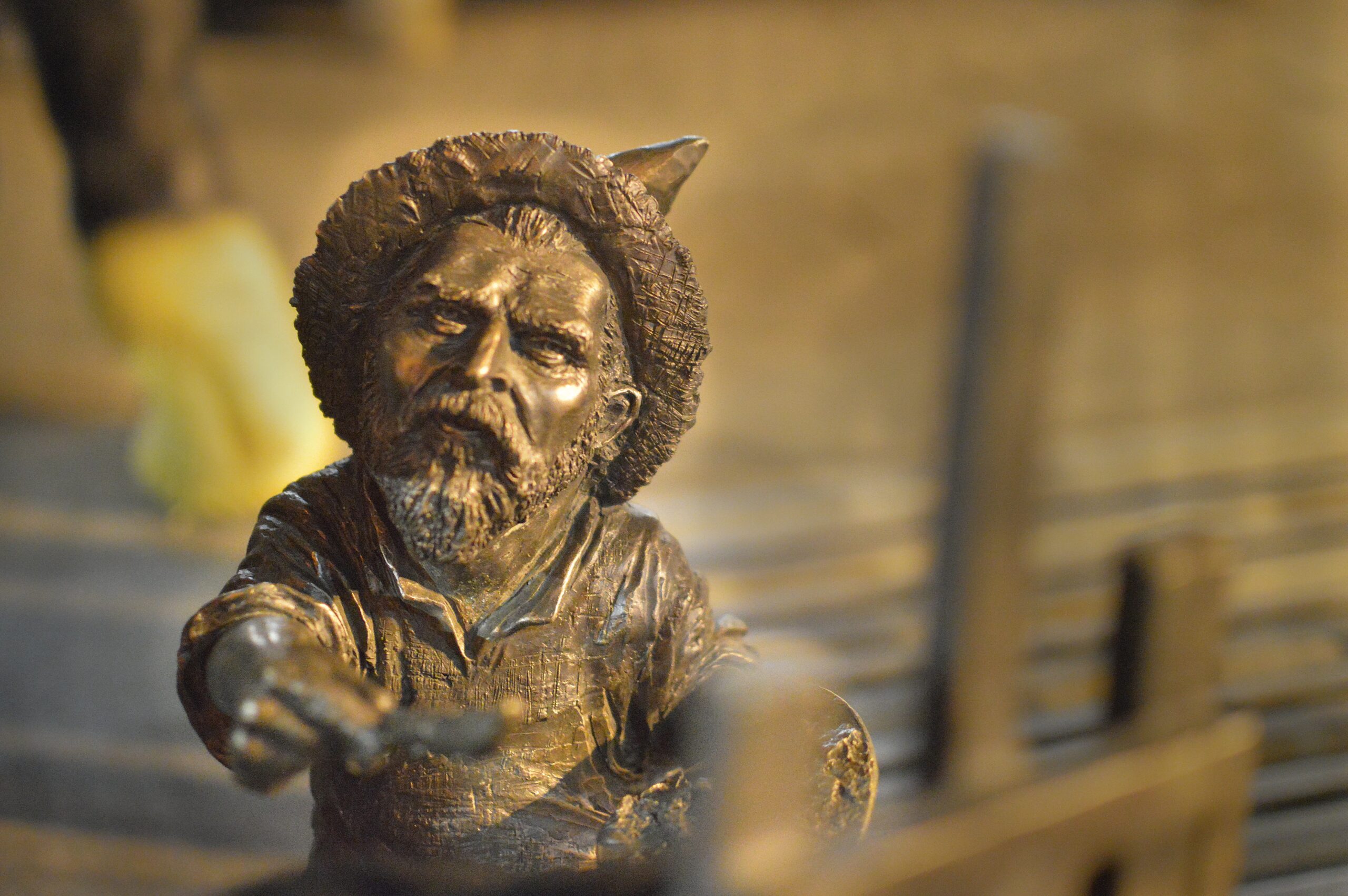
The leprechaun’s reputation precedes him: small, Irish, suspicious, guarding a pot of gold at the end of a rainbow. What the greeting-card version leaves out is how catastrophically difficult it is to actually get any of that gold.
Leprechauns are master craftsmen who earned their wealth through genuine skill. They respect cleverness and punish greed.
Catch one, and you’re theoretically entitled to their treasure, but leprechauns are escape artists of almost supernatural ability, and the moment you blink, look away, or let your attention slip, they’re gone. The gold goes with them.
The mythology’s message is blunt: opportunity exists, but capturing it requires intelligence, sustained focus, and respecting the rules of engagement. Greed alone gets you nothing. Greed plus carelessness gets you mocked.
Toyol
The toyol is a supernatural child created through dark magic in Malaysian folklore, bound to a master and tasked with stealing money and valuables from neighbors. It is effective, loyal, and extremely dangerous.
Problems arise quickly. Toyols are drawn to living children and can become violent around them. Managing one requires constant spiritual maintenance. And the karma attached to wealth built on systematic theft from your community is, predictably, catastrophic.
The toyol myths function as cautionary tales dressed up as horror stories; the wealth is real, the consequences are realer, and at some point, the creature you created to serve you starts making decisions of its own. It is, in essence, a story about what happens when you outsource your ethics.
Mammon
Mammon is the Christian tradition’s personification of wealth as corruption, a high-ranking demon who doesn’t steal from you but tempts you, slowly reorienting your priorities until money is the only thing that matters.
Unlike every other creature on this list, Mammon offers no good deal. There are no rituals that produce a fair exchange, no rules that protect you if you follow them.
The bargain is the trap. By the time you notice what you’ve given up, integrity, relationships, conscience, the transaction is complete.
As mythology goes, Mammon is less a monster to negotiate with and more a warning label on the entire project of wanting money too much.
Yeongno
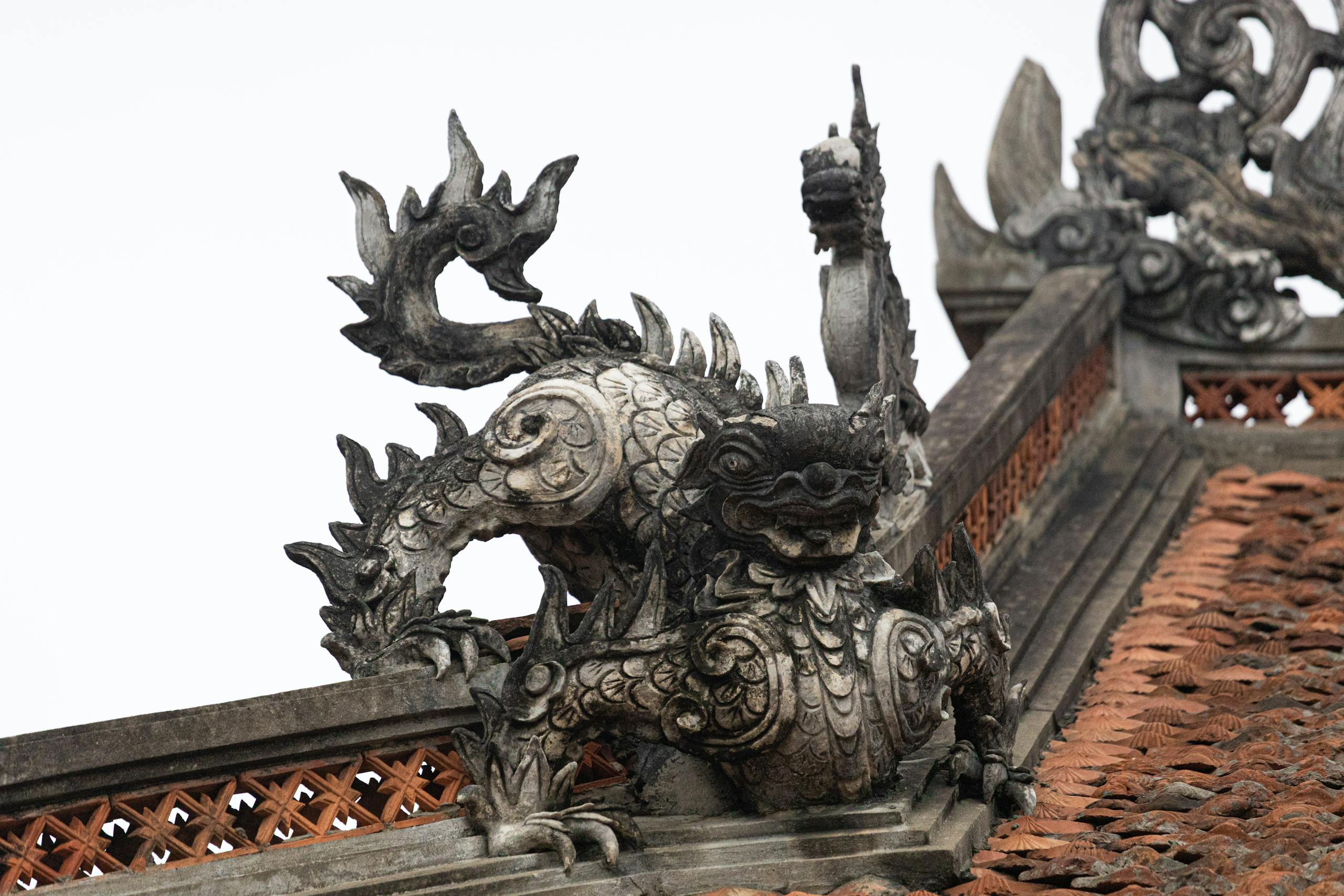
And finally, Korea’s most viscerally satisfying entry in wealth mythology: the Yeongno, a dragon-like creature cast out of Heaven for past sins, condemned to wander the earth consuming wealthy, arrogant people.
Specifically, the Yeongno targets the newly rich, those who have accumulated wealth without the humility to match it. Old Korean folklore is careful here: the problem isn’t having money.
The problem is having money and using it as a reason to look down on everyone else. The Yeongno is a cosmic correction, a monster that exists specifically to eat people who forgot where they came from.
It is perhaps the most satisfying monster on this list. And also the most instructive.
Conclusion
What’s remarkable across all ten of these creatures is how consistent the underlying logic is. Whether you’re in Tibet, Korea, Ireland, or the mines of the American West, the folklore says the same thing in different costumes: wealth is available, but it comes with conditions.
Respect matters. Greed backfires. Ethics aren’t optional extras; they’re load-bearing walls. Every culture invented different monsters to make the same point. Which suggests the point is probably worth taking seriously.