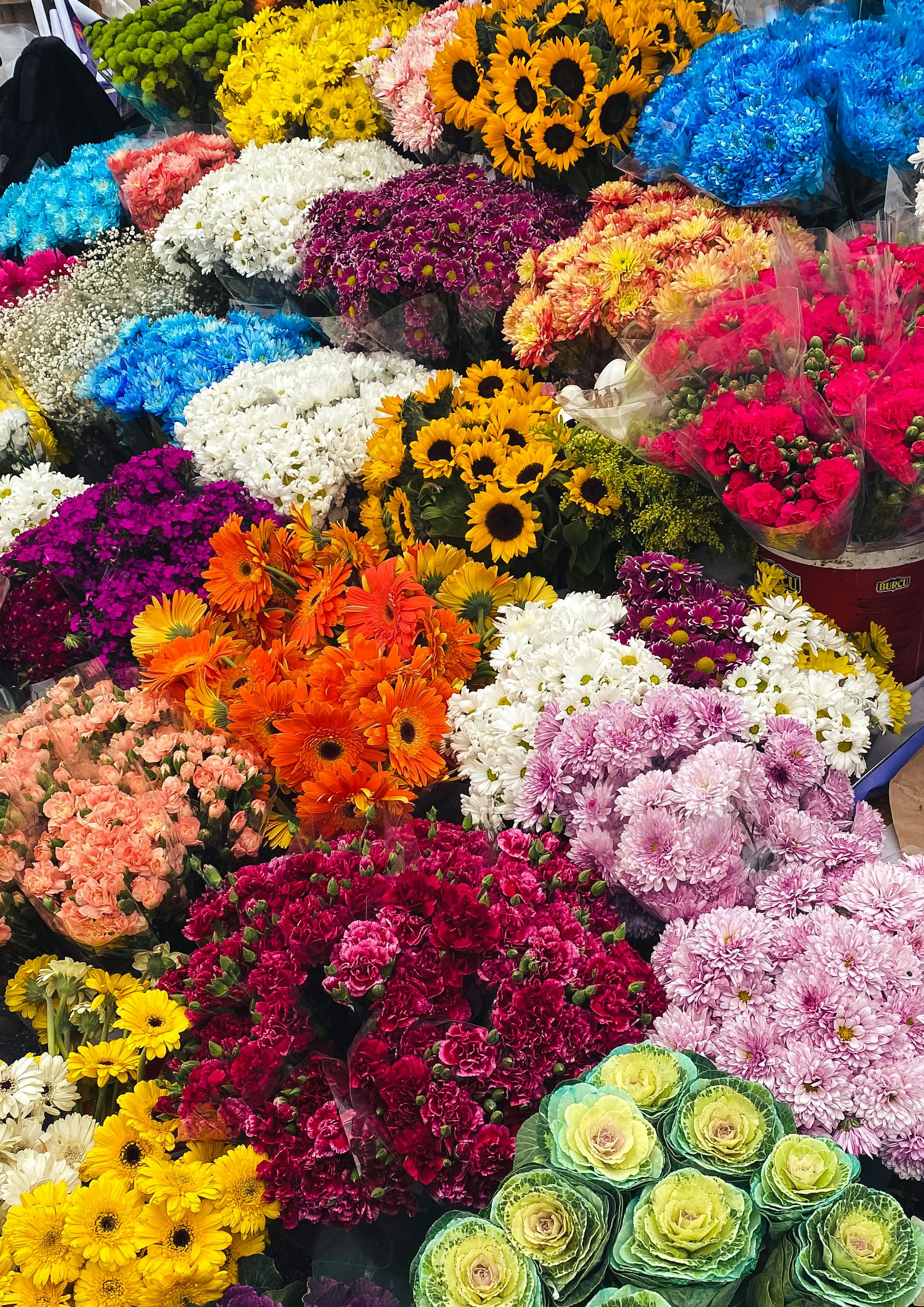
Think you’re creating the perfect garden? Think again. Some of the most visually appealing plants might actually be wreaking havoc on your yard, your health, and the local ecosystem. From spreading like wildfire to poisoning pets and wildlife, these seemingly innocent plants can cause more harm than good.
While they might seem like a good idea for a lush, green garden, the long-term effects could be devastating. Here are the 10 most dangerous plants you should avoid planting in your yard, before they take over.
Mint (Mentha spp.)

Mint may seem like a harmless herb, but it’s one of the most invasive plants you can grow. Its underground stems spread rapidly, choking out other plants in your garden. While mint can be great for culinary use, planting it in your yard without containment is a recipe for disaster. If you must grow it, use containers to prevent it from taking over.
Belladonna (Atropa belladonna)
Belladonna is a highly toxic plant, known for causing hallucinations, rapid heartbeat, and even death when ingested. With its attractive black berries and purple flowers, this plant is dangerous, especially for children and pets who might mistake it for something harmless. It’s better to avoid this deadly beauty altogether.
Aloe (Aloe vera)
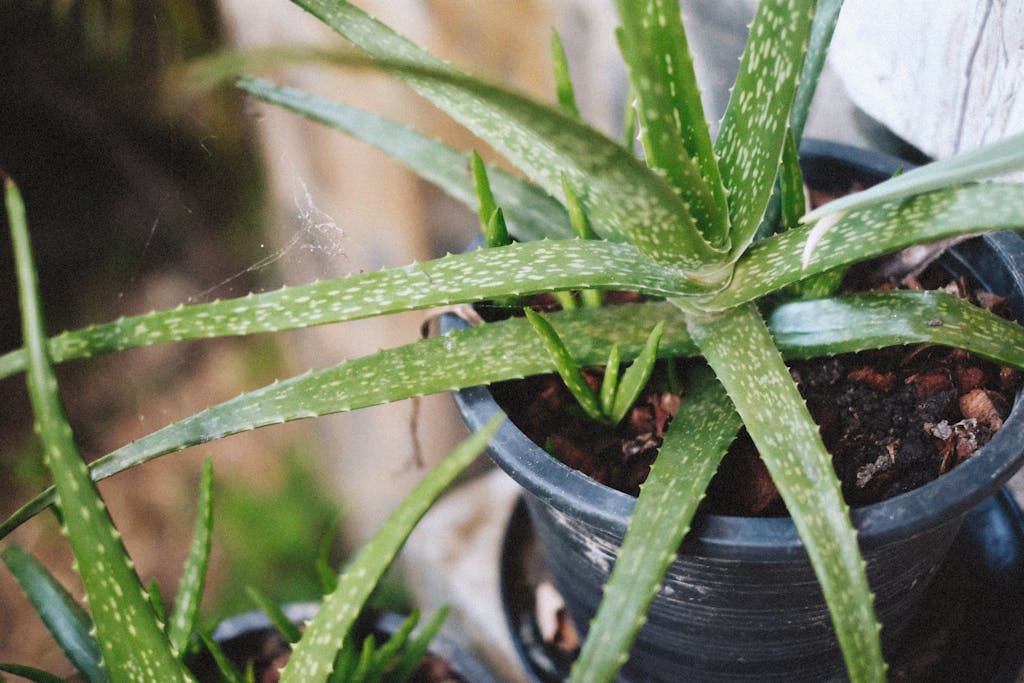
Aloe vera is known for its healing properties for humans, but it’s highly toxic to pets, especially cats and dogs. If ingested, it can cause severe digestive issues and even lead to death. It’s better to keep Aloe vera indoors or in a location where pets can’t access it.
Tree of Heaven (Ailanthus altissima)
The Tree of Heaven might sound appealing with its fast-growing nature, but it’s one of the most invasive trees around. It secretes toxins into the soil that inhibit the growth of other plants, and it’s a host for the invasive Spotted Lanternfly. This tree causes more harm than it’s worth and should be avoided.
Japanese Barberry (Berberis thunbergii)
Though it’s drought- and shade-tolerant, Japanese barberry has a dark side. It harbors black-legged ticks, which are responsible for spreading Lyme disease. This invasive shrub is best avoided in favor of native plants that don’t carry such health risks.
Bamboo (Bambusa vulgaris)
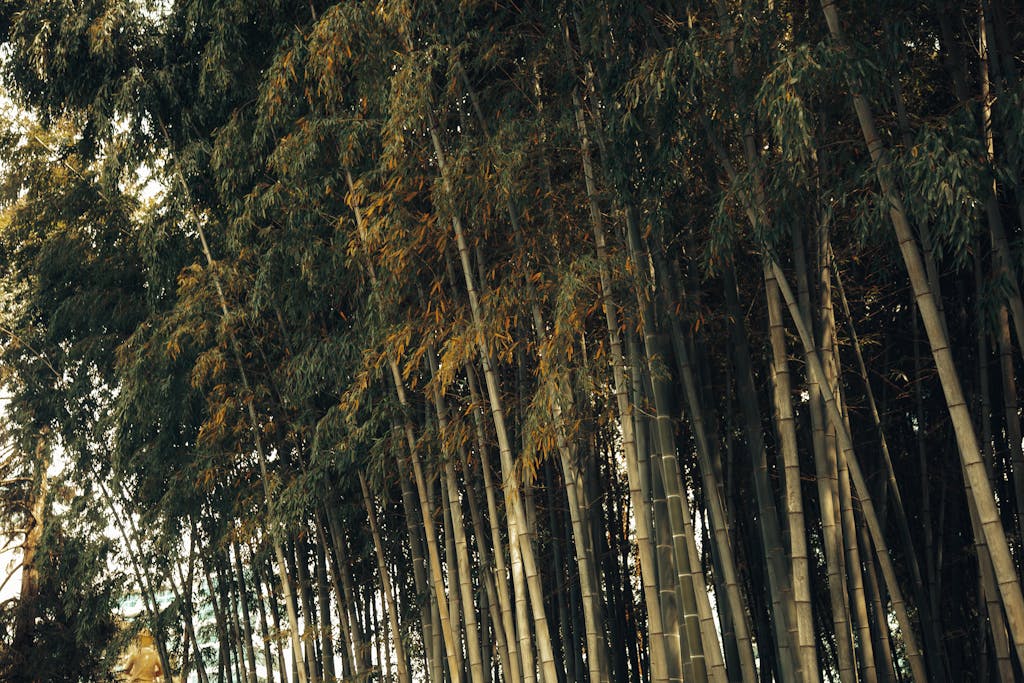
Bamboo’s rapid growth can easily overtake your garden and your neighbor’s yard. Its root system spreads aggressively, and before you know it, you have a bamboo forest that’s nearly impossible to eradicate. If you must grow bamboo, contain it in deep planters to prevent it from causing chaos in your yard.
Chinese Wisteria (Wisteria sinensis)
While Chinese wisteria’s cascading purple flowers are stunning, its invasive root system can be a nightmare. It can choke out trees and other plants, and it requires constant pruning to keep it in check. This plant can live for hundreds of years, but its destructive tendencies make it one to avoid.
Castor Bean (Ricinus communis)
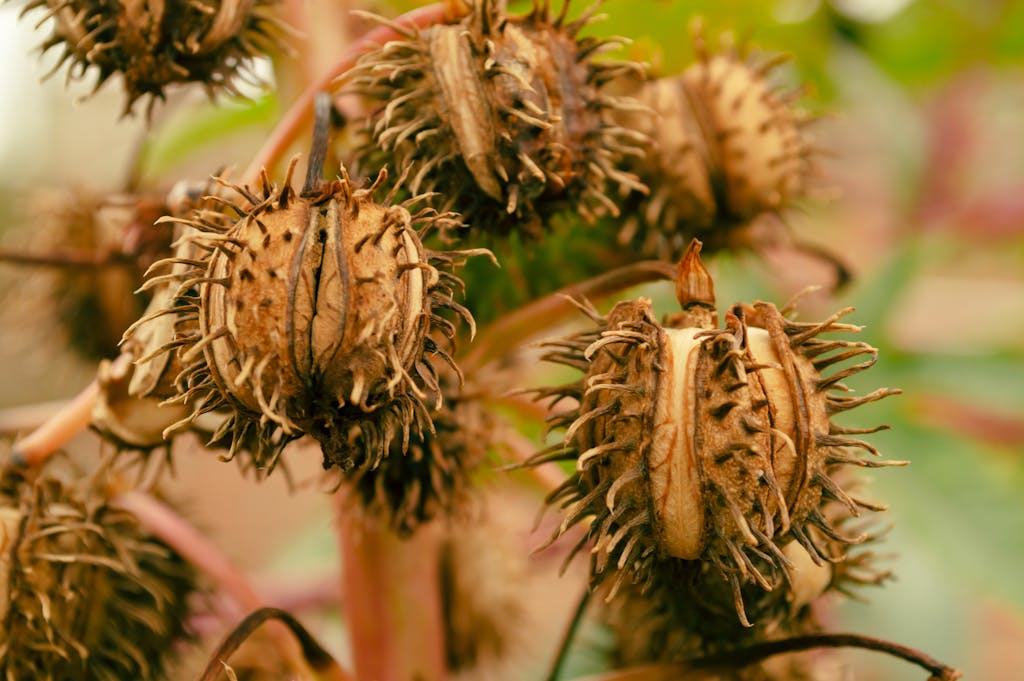
Castor bean plants are notorious for their toxic seeds, which contain ricin, a poison that is far deadlier than cyanide. Just a few seeds can be fatal to humans and animals alike. If you have children or pets, this plant is an absolute no-go.
Bradford Pear (Pyrus calleryana)
Bradford pear trees are often seen as a decorative option for yards, but their weak wood makes them prone to damage in storms. They also produce an unpleasant odor during bloom. In some states, they are even banned due to their invasive nature. Look for sturdier, native alternatives like the Eastern Redbud.
Himalayan Blackberry (Rubus armeniacus)
While blackberry bushes can be a great addition to a garden, the Himalayan blackberry is an invasive species that spreads rapidly, overtaking other plants and habitats. It is difficult to remove once established and should be avoided in favor of more manageable, non-invasive berry bushes.
These 10 plants might look harmless at first, but they come with hidden dangers. Whether they’re invasive, toxic, or just plain destructive, it’s crucial to keep them out of your garden. Instead, opt for native species or well-behaved plants that will enhance your yard without causing harm.