June looks harmless at first. The flowers are awake, the vegetable beds are filling in, and the backyard finally feels like the reward for all that spring work. But this is also the month when small gardening mistakes start turning into big summer problems. Skip the wrong task now, and you may spend July fighting dry soil, weak plants, weeds, pests, and tired-looking flower beds.
The smartest June gardening plan is not about doing everything. It is about doing the right things before heat, insects, and fast growth take over. A recent Real Simple gardening guide highlights key June tasks, including planting warm-season crops, refreshing mulch, weeding, pruning spent blooms, and checking for pests. Here are five June gardening mistakes that can quietly wreck your yard if you ignore them.
Ignoring Warm-Season Planting Until It Is Too Late
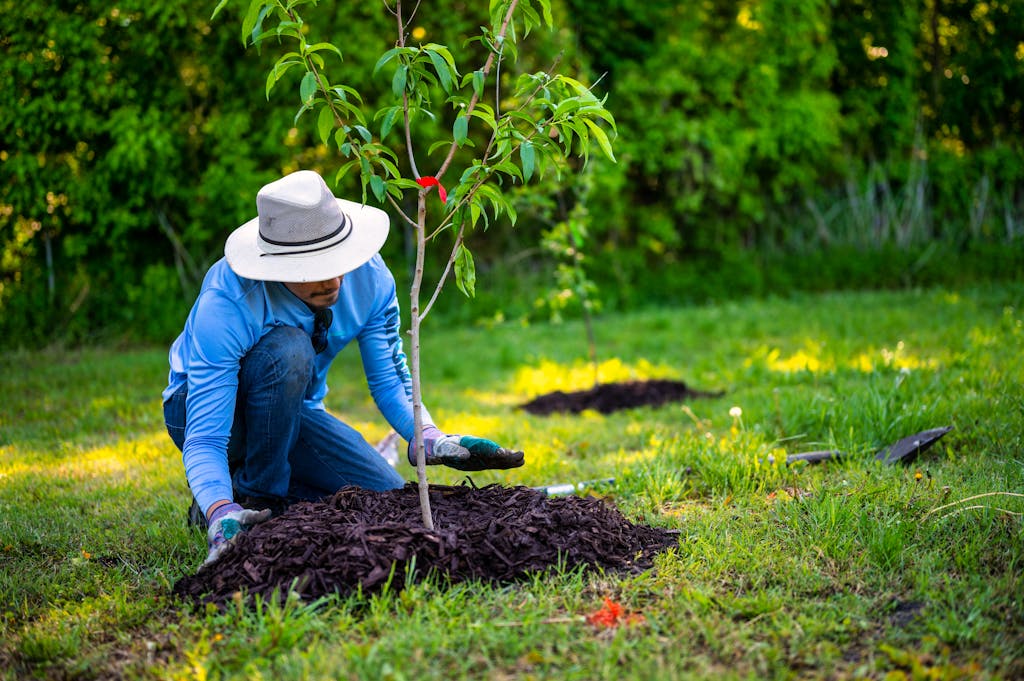
One of the biggest June gardening mistakes is thinking planting season is already over. Many gardeners do their big spring push, then assume the window has closed. That can cost them a fuller summer harvest. June is still a strong month for heat-loving vegetables and herbs, especially in areas where the soil warms slowly.
Crops like peppers, squash, corn, watermelon, and many herbs can still perform well when planted at the right time. Basil, oregano, thyme, and sage are also great options for filling empty spaces in beds or containers. The danger comes when gardeners wait too long, then try to force new plants into brutal midsummer heat with little preparation.
New plants need steady moisture as they settle in. If the soil dries out too deeply, tender roots struggle before they ever get a chance to grow strong. In very hot areas, young plants may also need temporary shade during the harshest part of the day. June planting works best when done with care, not in a panic.
Letting Mulch and Watering Problems Get Out of Control
A garden can look healthy in early June and start suffering fast once the heat settles in. Poor watering is often the silent reason. Many people water too lightly, too often, or at the wrong time of day. Others rely on rain that never arrives when plants need it most.
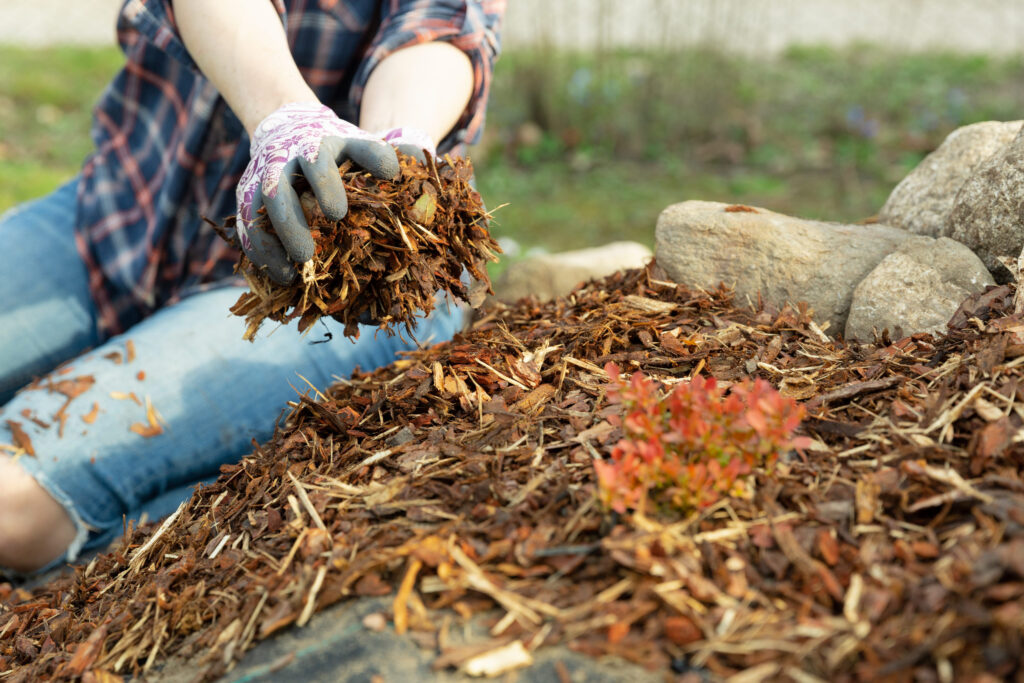
Mulch is one of the easiest ways to protect your garden, yet many homeowners forget to refresh it before summer stress begins. A good mulch layer helps soil hold moisture, reduces weeds, and keeps roots cooler. Without it, the sun dries the soil faster, weeds grow more aggressively, and plants compete harder for every drop of water.
Irrigation also matters. A drip hose or soaker system can be far more useful than randomly spraying leaves with a hose. Water should reach the root zone, not just wet the top of the soil. June is the month to check your watering setup before dry spells expose every weak spot in your garden routine.
Waiting Until Weeds Take Over the Beds
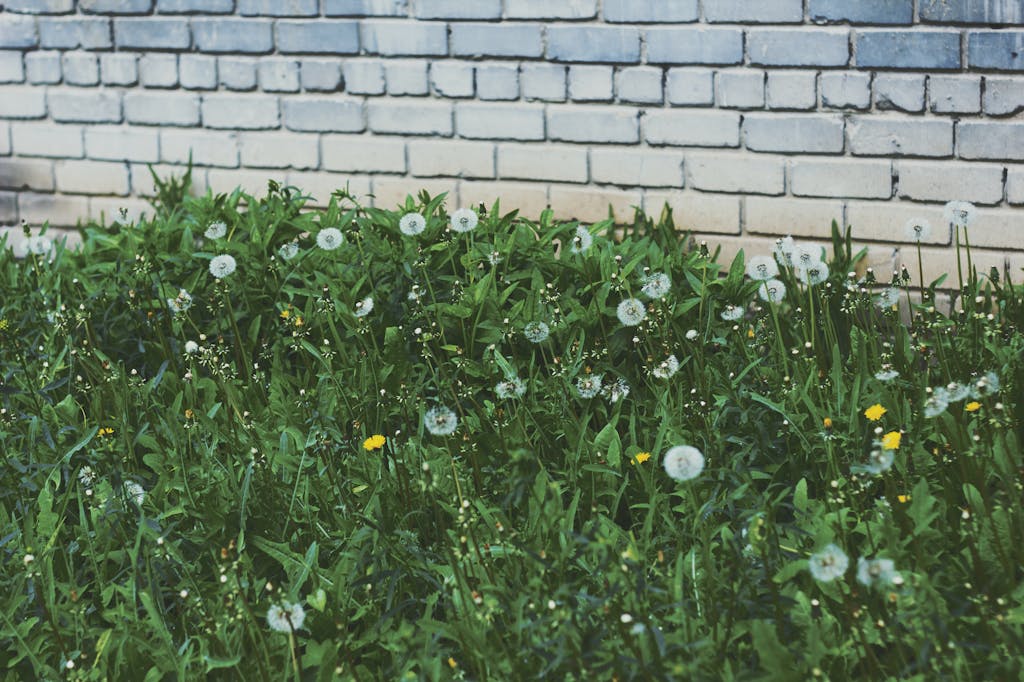
Weeds are not just ugly. They are thieves. They steal sunlight, water, space, and nutrients from the plants you actually want to grow. In June, weeds can move from tiny nuisance to full garden invasion faster than many people expect.
The problem is that early weeds look manageable, so gardeners put them off. Then a few warm days and a little rain turn them into a thick green mess. Once weeds develop deep roots or start flowering, removing them becomes harder and messier. Some may even drop seeds that create fresh problems for weeks.
The best June strategy is simple. Pull weeds while they are still young. Clear the area around vegetables, shrubs, and flowers so your plants do not have to fight for resources. A clean garden bed also makes it easier to spot pests, diseases, and watering issues before they spread. Waiting until July usually means more sweat, more frustration, and less control.
Leaving Dead Spring Flowers to Drag Down the Garden
Spring flowers often put on a beautiful show, then leave behind a tired mess. Dead blooms, leggy stems, and fading annuals can make the whole garden look neglected. Worse, some plants waste energy maintaining old growth rather than preparing for stronger future blooms.
June is the right time to clean up spring bloomers. Deadheading removes spent flowers and helps the plant redirect energy. Pruning can also improve shape, airflow, and overall plant health. Roses, lilacs, viburnum, camellias, and rhododendrons often benefit from attention after their main bloom period ends.
This is also the moment to replace worn-out spring annuals with summer performers. Petunias, geraniums, marigolds, zinnias, and other heat-friendly flowers can bring color back into tired beds and containers. A garden that looked bright in April can look dull by late June if you do not refresh it. Cleaning up old blooms keeps the yard looking intentional instead of forgotten.
Pretending Pests Will Not Find Your Plants
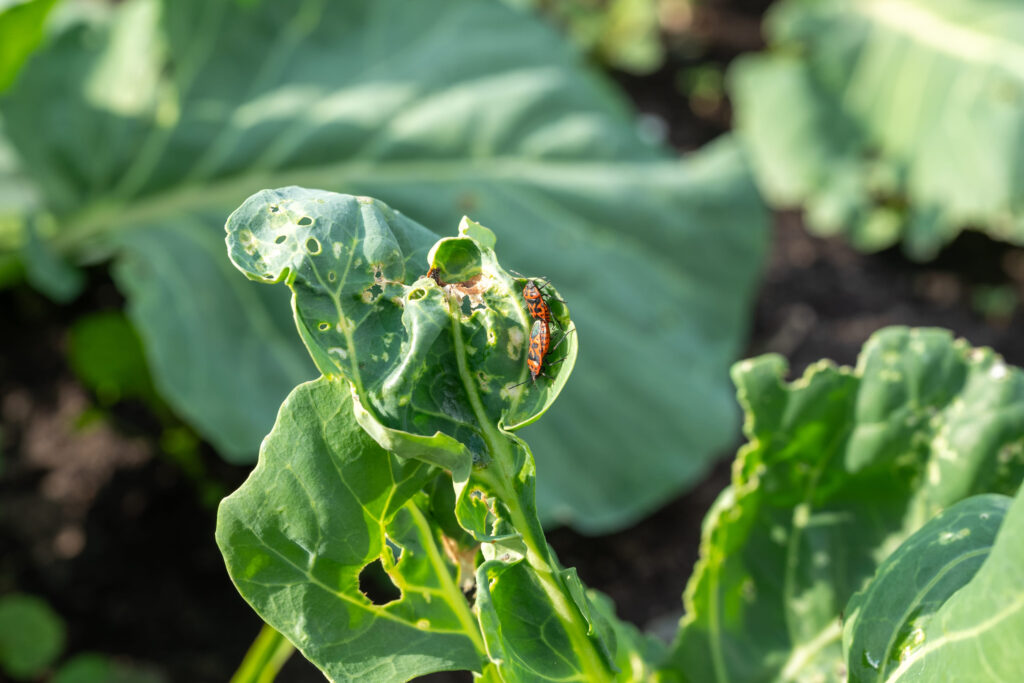
June is when many gardens become a buffet for insects and other pests. Tender leaves, new vegetables, fresh flowers, and warm weather create the perfect setup. The mistake is waiting until the damage is obvious from across the yard. By then, the pests may already be established.
Early signs matter. Smooth holes in leaves may point to slugs or snails. Yellowing, curling, or sticky leaves may suggest aphids. Lace-like chewing can be a sign of beetle damage. These clues are easy to miss when gardeners only admire the blooms and forget to inspect the underside of leaves.
A weekly pest check can help prevent serious garden damage. Look closely at leaves, stems, buds, and the soil surface. Do not spray blindly before identifying the problem. Some pests need hand removal, some respond to gentle sprays, and others require more targeted treatment. Acting early is the difference between a quick fix and a summer-long battle.
Conclusion
June gardening mistakes do not always look dramatic at first. They often start as small delays, skipped chores, or assumptions that the garden can take care of itself. But summer rewards attention and punishes neglect. The plants that look strong now still need water, space, cleanup, protection, and regular inspection.
The good news is that June gives gardeners a powerful second chance. You can still plant warm-season crops, refresh your mulch, fix watering problems, pull weeds, replace tired flowers, and stop pests before they spread. Handle these five tasks now, and your garden has a much better chance of staying full, colorful, and productive through the hottest part of the season.