Groceries are too valuable to see them spoil before we even get a chance to enjoy them. Despite careful planning, kitchens across the country silently lose hundreds of dollars every month due to simple storage mistakes. Fresh produce wilts, bread hardens, herbs turn slimy, and meats lose their texture, often due to small errors in handling or placement. These mistakes are rarely obvious, yet they quietly shrink the lifespan of every item in the pantry, fridge, or freezer. When we understand how each food item interacts with its storage environment, we can extend freshness, reduce waste, and protect our budgets while keeping meals flavorful and enjoyable.
Storing Fruits and Vegetables Together Without Thought

Fresh fruits and vegetables might appear compatible when stacked together in the same crisper drawer, but in reality, their storage needs often conflict. Certain fruits, such as apples, bananas, pears, peaches, avocados, and tomatoes, emit ethylene gas as they ripen. This gas accelerates the aging of nearby produce, causing leafy greens, cucumbers, carrots, and broccoli to soften, wrinkle, or spoil more quickly than expected.
Many households store all produce together out of convenience, only to discover that lettuce turns limp, herbs deteriorate, and cucumbers become rubbery within days. Proper separation between high-ethylene fruits and delicate vegetables is essential.
Greens thrive in slightly humid, cooler environments, while many fruits need room temperature exposure before refrigeration. Countertop ripening for bananas, tomatoes, and avocados can extend their usability, preventing premature spoilage. By respecting the natural tendencies of produce, we preserve both freshness and flavor significantly longer.
Leaving Bread in the Refrigerator Until It Hardens
Refrigeration seems like a logical step to prolong bread’s shelf life, but cold storage actually accelerates staling due to starch retrogradation. While refrigeration can temporarily prevent mold growth, it can also make bread dry out, become firm, and taste unpleasant within a short time. Artisan bread, soft rolls, bagels, and sourdough are particularly vulnerable to this effect.
For short-term storage, keeping bread at room temperature in a sealed, dry environment is optimal. If we need extended storage, freezing is the superior choice.
Loaves can be tightly wrapped in freezer-safe packaging and thawed as needed, while sliced bread goes directly from the freezer to the toaster without sacrificing taste or texture. Proper temperature management ensures that baked goods remain enjoyable and prevents unnecessary waste.
Washing Berries and Greens Before Storing Them

Cleaning food immediately after purchase seems responsible, but moisture is one of the fastest pathways to spoilage. Berries, spinach, lettuce, herbs, and mushrooms can decay rapidly if stored wet.
Tiny droplets of water trapped between leaves or fruits create the perfect environment for mold and bacteria growth, often unnoticed until the item is unusable.
A box of strawberries may look perfect at checkout, but can develop fuzzy mold overnight if stored in a damp refrigerator. Washing delicate produce should ideally occur just before consumption.
If pre-washing is unavoidable, thorough drying with a salad spinner or clean towels, along with a layer of paper towels in storage containers, helps absorb residual moisture. This practice ensures that food remains safe, crisp, and ready for use, prolonging its shelf life and maintaining its nutritional quality.
Using Loose Packaging for Meat, Cheese, and Leftovers
Packaging plays a crucial role in food longevity. Loose wrapping allows air exposure, leading to freezer burn, moisture loss, and odor absorption. Meat becomes dry, cheese develops hard edges, and cooked meals lose flavor and texture when stored improperly.
Airtight containers, resealable freezer bags, and well-sealed packages preserve freshness and protect food from cross-contamination. Raw meats should always be stored on the lowest shelf of the fridge to prevent drips from contaminating ready-to-eat foods.
Cheese benefits from wrapping that allows slight airflow to avoid drying while preventing excess moisture. Investing time in proper packaging significantly enhances food preservation and prevents unnecessary spoilage.
Overcrowding the Refrigerator
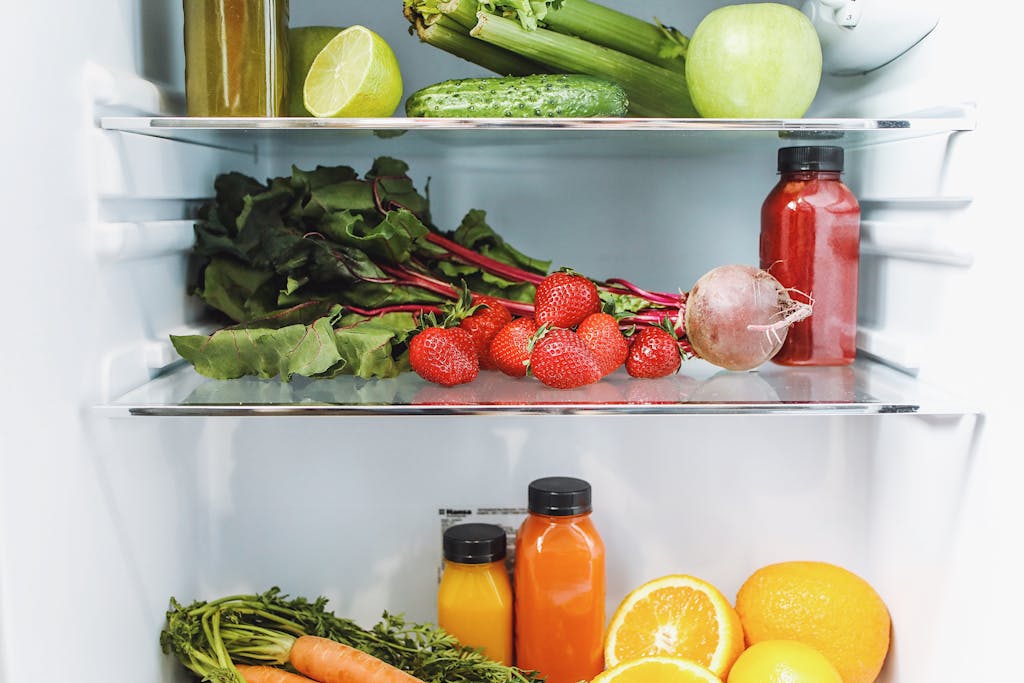
While a full fridge might signal abundance, overpacking hinders proper airflow, creating pockets of uneven temperature. This reduces efficiency and accelerates spoilage for certain items. Food hidden behind jars or tightly stacked containers often goes unnoticed until it is too late to use.
Organizing the fridge by placing older items at the front, grouping similar products together, and leaving enough space for cold air circulation can drastically reduce waste.
Clear containers and strategic placement allow us to monitor items effectively, ensuring that nothing gets forgotten and the refrigerator operates at optimal efficiency.
Improper Storage of Potatoes, Onions, and Garlic
These pantry staples require distinct conditions for maximum longevity. Potatoes should be kept in cool, dark, well-ventilated spaces, while onions and garlic require dry, well-ventilated storage. Improper storage, such as using plastic bags or storing near heat sources, can lead to sprouting, mold growth, and flavor deterioration.
Potatoes should be separated from onions, as onions release gases that accelerate sprouting. Mesh baskets or breathable containers in a cool pantry provide ideal conditions.
Garlic thrives in dry, well-ventilated containers, helping prevent moisture accumulation that could compromise quality. Respecting these storage needs ensures that these staples remain usable for weeks rather than days.
Freezing Food Without Proper Protection
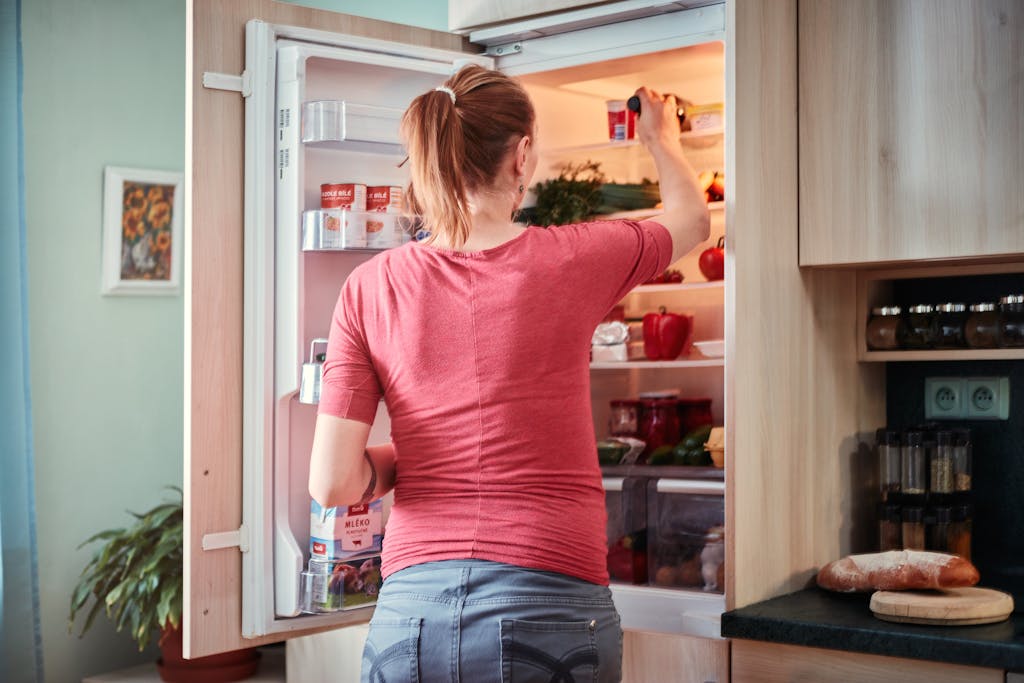
Freezers extend food life but are not immune to mishandling. Improperly packaged foods develop freezer burn, lose flavor, and change texture. Meat, fish, bread, fruits, vegetables, and prepared meals all require airtight wrapping to prevent ice crystal formation and moisture loss.
Freezer-safe bags, double wrapping, and proper labeling are essential. Removing excess air and dividing foods into manageable portions ensures uniform freezing and easy thawing.
Effective freezer storage maintains both safety and taste, allowing expensive groceries to retain their quality for longer.
Ignoring Expiration Dates and Rotating Inventory
Relying solely on printed expiration dates is insufficient. Mismanaged rotation leads to forgotten items, resulting in waste and unnecessary expense. Fresh products can go unnoticed behind newer purchases, while leftovers and prepared meals deteriorate before consumption.
A systematic rotation of groceries keeps older items at the forefront and ensures that food is used in the proper sequence. Grouping opened packages, clearly labeling containers, and organizing by priority minimizes waste and enhances usability.
This practice transforms the fridge from a storage space into a functional system that maximizes freshness and cost efficiency.
Conclusion
Small food storage mistakes can add up to significant losses. Moisture, improper separation, loose packaging, overcrowding, and neglect of expiration dates quietly shorten the shelf life of groceries. By implementing simple, intentional storage strategies, we can preserve freshness, maintain nutritional quality, and protect household budgets. Every item has specific storage requirements, and by respecting these conditions, we can enjoy our groceries fully without unnecessary waste. Thoughtful storage transforms the kitchen into a controlled environment where expensive groceries remain fresh until consumption, maximizing value and reducing frustration.