The first hard frost has a talent for turning a healthy garden into a sad little crime scene overnight. Leaves blacken, tender stems collapse, and suddenly the plants you babied all season look like they lost an argument with the weather. The good news is that winter does not have to bulldoze your garden if you use the right protection at the right time. Frost damage is often tied to temperature swings, dehydration, and exposure, not just a simple dip in temperature.
Plant covers work because they create a buffer between your garden and the worst of winter’s moods. Some trap warmth, some block biting wind, and some protect roots from the freeze-thaw chaos that can shove plants right out of the soil. The smartest gardeners do not use one cover for everything. They match the cover to the plant, the climate, and the kind of cold they are actually facing.
Tree wraps protect young trunks from winter’s sneaky damage.
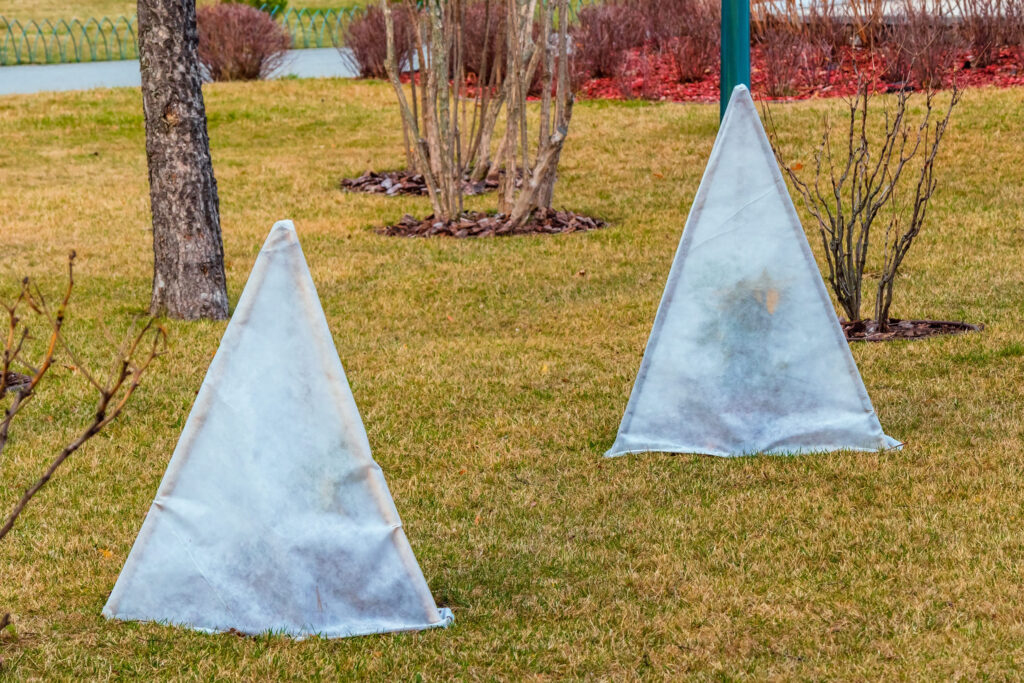
Trees do not always suffer because winter is brutally cold. Often, the real trouble comes from rapid temperature changes that warm bark during the day and shock it at night. That is how thin-barked or young trees can end up with frost cracks or sunscald, especially on exposed sides of the trunk. Tree wraps help insulate the bark and reduce the harsh day-to-night temperature swing.
If you have young or ornamental trees with delicate bark, wrapping the trunks is a smart, preventive step. It is one of those tasks that feels small in the moment and brilliant later. Ignore it, and you may be staring at split bark in spring, wondering why winter always behaves like it has a personal grudge.
Burlap is old school for a reason.
Burlap has been around forever because it works. It is breathable, sturdy, and excellent for protecting shrubs and evergreens from drying winter wind and winter burn. Evergreens can lose moisture through their leaves during cold, sunny, windy weather, and when the ground is frozen, roots cannot replace that lost water fast enough. That is when the needles or leaves start to brown and look scorched.
The trick is to use burlap as a shield, not a suffocating blanket. Create a loose screen or tent around the plant with stakes so the material is not pressed directly against wet foliage. Done right, burlap cuts exposure without trapping the kind of dampness that can cause more harm than good. It is humble, yes, but humble can still be heroic.
Mulch protects the roots, which is where the real winter battle happens.
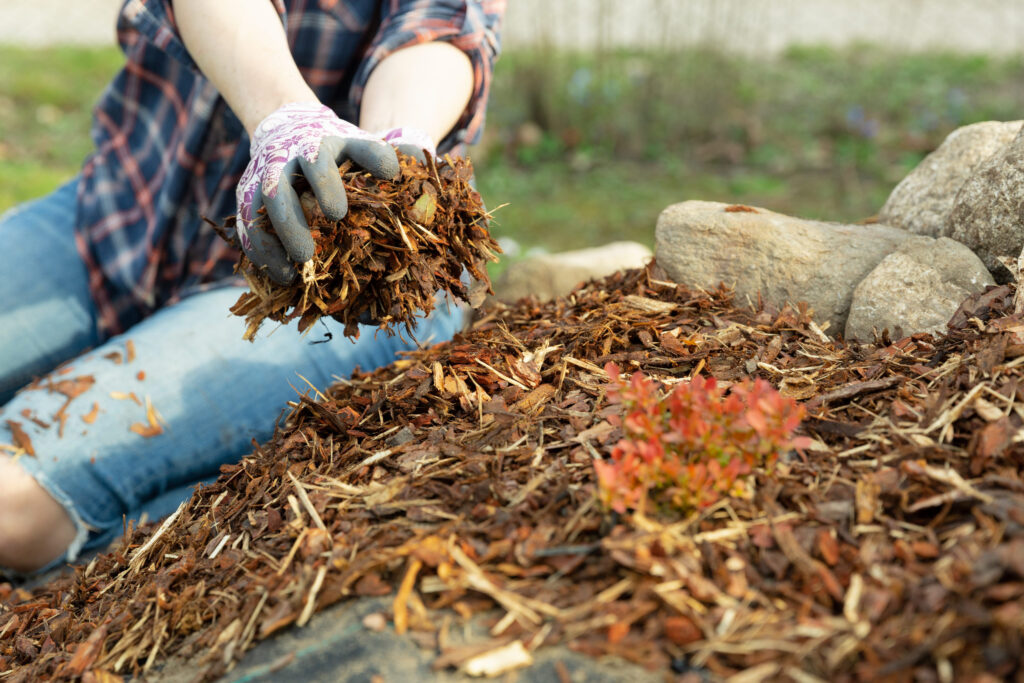
People often focus on leaves and stems because that is what they can see. Roots, meanwhile, are handling the underground crisis. Winter mulch helps by reducing repeated freezing and thawing around the root zone, which can push crowns and roots upward and leave them exposed to cold injury. It also adds insulation when snow cover is thin or nonexistent.
A good layer of mulch can make the difference between a plant that rebounds in spring and one that quietly gives up. Straw, shredded leaves, bark chips, and similar materials all have their place, depending on the plant and setting. Mulch is not flashy, but it is one of the hardest-working forms of protection in any winter garden. Think of it as a heavy blanket for the part of the plant that keeps the whole show alive.
Row covers are the garden’s easiest first line of defense.
If you want something simple, flexible, and surprisingly effective, start with row covers. Fleece row covers are light, breathable, and good at holding a pocket of warmer air around crops without suffocating them. They are especially useful for cool-season vegetables and for shielding plants from light frost and winter wind. Plastic row covers bring more heat to the party by creating a greenhouse effect, which makes them better for sharper cold, but they need monitoring because sunny days can turn that cozy shelter into an accidental oven.
This cover earns its keep in vegetable beds. If you still have spinach, kale, lettuce, or other hardy greens hanging on, row covers can stretch your harvest and buy you extra weeks of growth. They are practical, low drama, and easy to remove when the weather calms down. In gardening terms, that is a power move.
Cloches are perfect for tender plants that need special treatment.

Some plants are simply too delicate to be left out there negotiating with frost on their own. That is where cloches shine. These small covers act like miniature greenhouses, trapping warmth around individual plants or small clusters and giving them a much better chance of surviving a cold snap. Transparent materials let inwhile helping to retain heat.
Cloches are ideal when you do not need to cover an entire bed but still want to save a few valuable plants. They are focused, efficient, and excellent for gardeners who like precision. Sometimes the smartest winter strategy is not a giant setup. Sometimes it is simply protecting the few plants you really do not want to lose.
Cold frames are for gardeners who refuse to let the season end.
A cold frame is what happens when practicality and optimism build something together. It functions like a low-profile greenhouse, capturing solar warmth and creating a more stable environment for hardy crops and seedlings. They are especially useful for growing leafy greens, root crops, and other cool-season vegetables later into the year or earlier in the next one.
The secret with cold frames is ventilation. Because they hold heat so well, warm sunny days can cause overheating if the lid stays shut. Extension guidance recommends venting or removing lids when temperatures rise, then closing them again before evening chill sets in. That little bit of attention turns a cold frame from a wooden box into a season-stretching machine.
Pop-up greenhouses are a smart option for small spaces and milder winters.
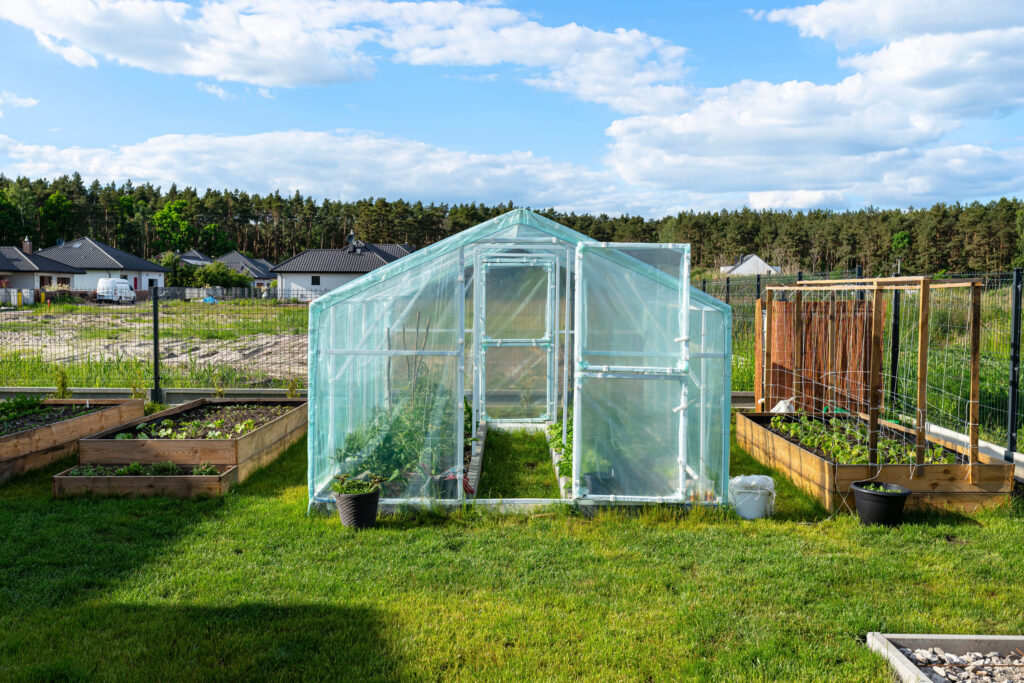
Not every garden needs a permanent structure. Pop-up greenhouses are useful for gardeners who want temporary winter protection, early seed starting, or a sheltered place to harden off seedlings. They mimic greenhouse conditions on a smaller scale and are especially appealing in milder climates where winter bites, but does not completely maul the garden.
They are also convenient because they store easily as the seasons change. That makes them a practical choice for renters, patio gardeners, or anyone who wants flexibility without committing to a full greenhouse build. They may not be glamorous, but they are excellent at quietly doing the job and then getting out of the way.