Ending a relationship is hard. There is no elegant shortcut, no magic wording, and certainly no version that feels good in the moment. But there is a big difference between ending something honestly and ending it in a way that leaves the other person confused, humiliated, or emotionally shredded.
A breakup can be painful without being cruel. The truth is, many people do not just fear heartbreak; they fear disrespect. When someone chooses the laziest, coldest, or most cowardly exit possible, the pain lingers longer because it comes wrapped in shock, doubt, and unnecessary damage.
Breaking up over text
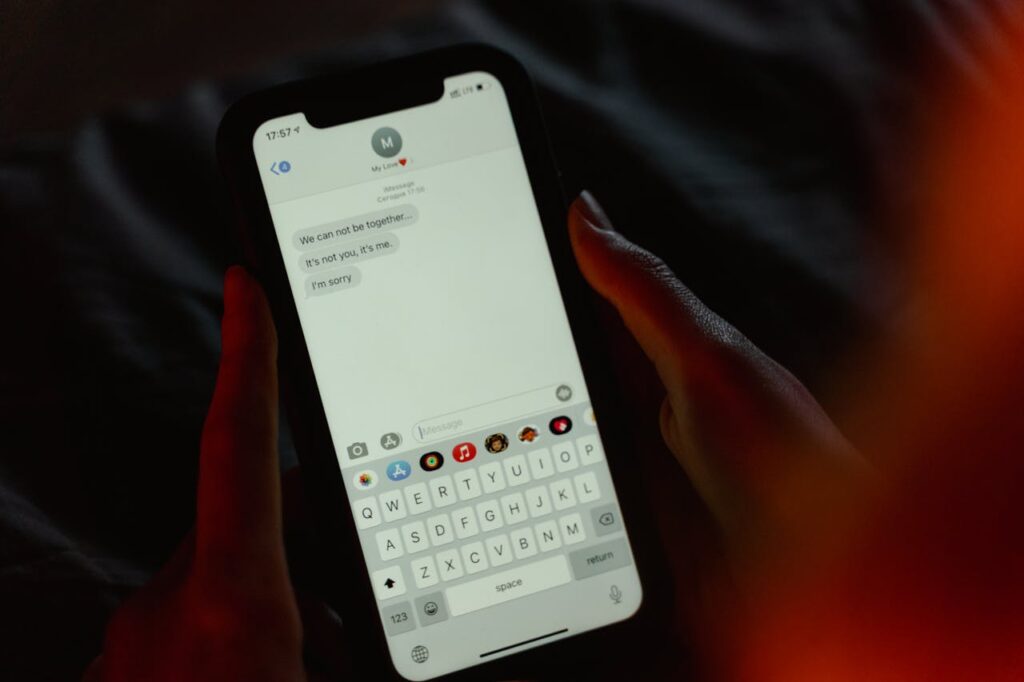
A relationship deserves more than a blinking cursor and a two-line message sent between errands. Texting may be convenient, but convenience is not the same thing as courage. When you end something serious through a screen, it can feel cold, detached, and almost insulting, especially if real emotions, shared memories, and time were involved.
Some conversations are uncomfortable because they matter. A breakup is one of them. If you once cared enough to build something with this person, you should care enough to end it honestly and with presence. A real conversation allows tone, empathy, and clarity to exist in the same room.
Ghosting and disappearing without a word

Few things feel more destabilizing than being erased while still emotionally invested. Ghosting leaves the other person holding a thousand unanswered questions, replaying old conversations, searching for clues, and blaming themselves for a silence they did not choose. It is not mysterious. It is not modern. It is emotional abandonment wearing casual clothes.
Vanishing may seem easier than speaking, but it transfers all the emotional labor to the person left behind. They are forced to create their own ending from fragments. That is what makes ghosting so brutal. Closure may not remove pain, but confusion mixed with pain is far heavier to carry.
Turning the breakup into a public scene

A crowded restaurant, a park bench full of strangers, a party, a family gathering, none of these are kind places to drop emotional wreckage. Public breakups often trap both people in performance mode. One person feels exposed, the other feels rushed, and neither gets the privacy needed for a conversation that already hurts enough.
There is nothing noble about choosing a public setting just because it feels safer or easier for the one ending things. Privacy gives dignity. It gives space for tears, questions, silence, and truth. A breakup should not feel like a spectacle. It should feel like a difficult moment handled with as much care as possible.
Blaming your partner for everything
The fastest way to turn a breakup into emotional warfare is to dump every fault, flaw, and failure onto the other person. Even when a relationship has real problems, making one person the villain rarely reflects the full truth. It usually sounds less like honesty and more like self-protection dressed up as clarity.
Confident people do not need to shred someone else to walk away. They can say the relationship is no longer working without launching a courtroom speech. Taking responsibility for your own choices shows maturity. Finger-pointing only deepens the wound and makes the ending uglier than it needs to be.
Announcing it on social media
Nothing says disrespect quite like making a breakup public before the private conversation has even settled. Vague captions, petty quotes, dramatic reposts, or direct posts about the split can turn a deeply personal moment into public entertainment. That kind of exposure does not create closure. It creates humiliation.
Social media is built for reactions, not tenderness. Once people start liking, commenting, choosing sides, and sharing opinions, the breakup stops being about healing and starts becoming content. That is a terrible trade. Some things should remain offline, not because they are shameful, but because they are human.
Hiding behind clichés
“ It’s not you, it’s me” has become the breakup version of elevator music. It fills the silence, but it says almost nothing. People use clichés to avoid discomfort without being honest. The problem is that empty lines rarely soften the blow. They usually make the other person feel dismissed and underestimated.
No one needs a brutal speech, but they do deserve something real. A clear explanation does not have to be cruel to be truthful. When your words sound rehearsed, your sincerity disappears. And in breakups, sincerity matters more than polish every single time.
Saying you need space and dragging it out
There is a difference between asking for breathing room and slowly starving a relationship of clarity. Some people use I need space as a soft launch for a breakup they do not want to admit is already happening. They reply less, show up less, care less, and leave the other person stuck in emotional limbo.
That limbo can be more painful than a direct ending. Hope stretches out. Anxiety grows. Every delayed reply starts to feel like a clue. If you know your heart has left the relationship, say so. Drawing it out may feel gentler to you, but to the other person, it often feels like being abandoned in slow motion.
Using someone else to do it for you
Having a friend, sibling, or mutual connection deliver your breakup message is one of the clearest signs that you want out without taking responsibility for the exit. It is awkward, cowardly, and deeply unfair. It also puts a third person in the middle of something that should have remained between two adults.
If you are grown enough to enter a relationship, you should be grown enough to end one yourself. Hard conversations are part of emotional maturity. Outsourcing them may spare you a few minutes of discomfort, but it leaves the other person feeling disposable. And that kind of sting lasts longer than most people realize.
Giving false hope on the way out

Maybe someday is one of the most dangerous phrases in a breakup. It sounds gentle, but often it is just emotional padding. When you leave the door cracked open without meaning to walk back through it, you make healing harder. The relationship ends, but the attachment stays alive on borrowed hope.
Clean endings hurt, but confused endings haunt. If you know it is over, be brave enough to say it plainly. False hope keeps one person grieving and the other person avoiding guilt. That is not kindness. Real kindness is clarity, even when clarity stings.