Even experienced home chefs often unknowingly sabotage their dishes. From overcooking to mishandling ingredients, these errors compromise flavor, texture, and, in some cases, food safety. Understanding these mistakes and correcting them is essential to consistently making meals that impress. Avoid these 8 critical cooking errors to elevate your home cooking, save time, and enjoy dishes that taste restaurant-quality without the stress.
Using the Wrong Pan for the Job

Many home cooks default to nonstick pans for nearly every task, believing they will make their cooking easier. While nonstick is perfect for eggs, pancakes, and delicate fish, it fails when searing meats or sautéing vegetables at high temperatures. The wrong pan prevents proper browning and can lead to uneven cooking, resulting in a bland or soggy finished product. Cast iron, stainless steel, and enameled cookware each serve a unique purpose and bring out different flavors and textures. Ignoring these distinctions can drastically reduce the quality of your dishes and leave you frustrated when your cooking doesn’t turn out as expected.
Tip: Invest in versatile cookware, such as a seasoned cast-iron skillet for high-heat tasks and a reliable stainless-steel pan for everyday cooking.
Overcrowding the Pan
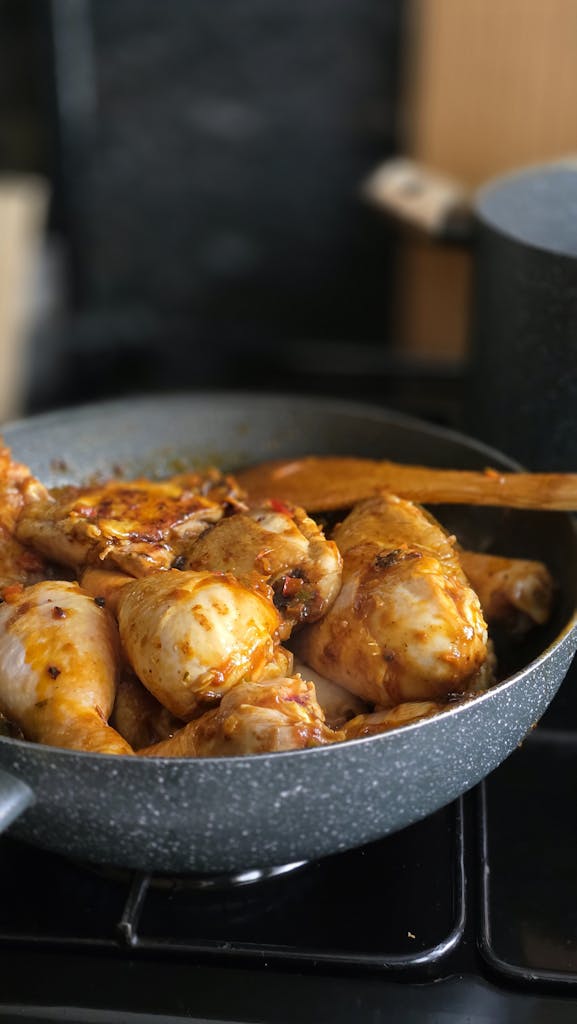
Trying to cook everything at once may seem efficient, but overcrowding lowers the pan’s temperature and creates steam instead of a proper sear. Vegetables that should be crisp, not soggy, and meats meant to caramelize stew in their own juices. Overcrowding also increases the risk of uneven cooking, leaving some portions underdone while others are overcooked. Cooking in smaller batches might feel tedious, but it preserves texture, flavor, and overall presentation. A crowded pan can also unnecessarily extend your cooking time, frustrating anyone expecting a quick meal.
Tip: Leave sufficient space between ingredients, or cook in multiple batches to ensure even heat distribution and optimal browning.
Incorrect Knife Skills

Many cooks underestimate the importance of knife skills, leading to inefficient prep and potential injuries. Holding a knife incorrectly or using inconsistent chopping motions slows down cooking, while uneven cuts result in food that cooks unevenly. A poorly executed cut can also impact presentation, especially in dishes where uniformity enhances visual appeal. Knife skills aren’t just about speed; they improve control, reduce waste, and make the entire cooking process smoother. Learning proper techniques transforms prep work into a confident and enjoyable part of your culinary routine.
Tip: Master the “claw” grip on your non-dominant hand, keep cuts uniform, and practice controlled, circular motions to ensure safety and efficiency.
Adding Ingredients in the Wrong Order
Timing is critical in cooking, and the sequence of adding ingredients can drastically alter flavor and texture. Adding herbs too early may cause them to lose their aroma and potency, while introducing delicate vegetables too late leaves them undercooked and harsh. Even staples like onions and garlic have optimal cooking windows that impact the balance of your dish. Disregarding order leads to dishes that are unbalanced, bland, or inconsistent. Paying attention to sequence, even if it feels restrictive at first, allows you to control the development of flavor and texture throughout the cooking process.
Tip: Follow the recommended sequence in recipes until you have enough experience to intuitively adjust based on ingredient density and cooking time.
Thawing Meat Improperly
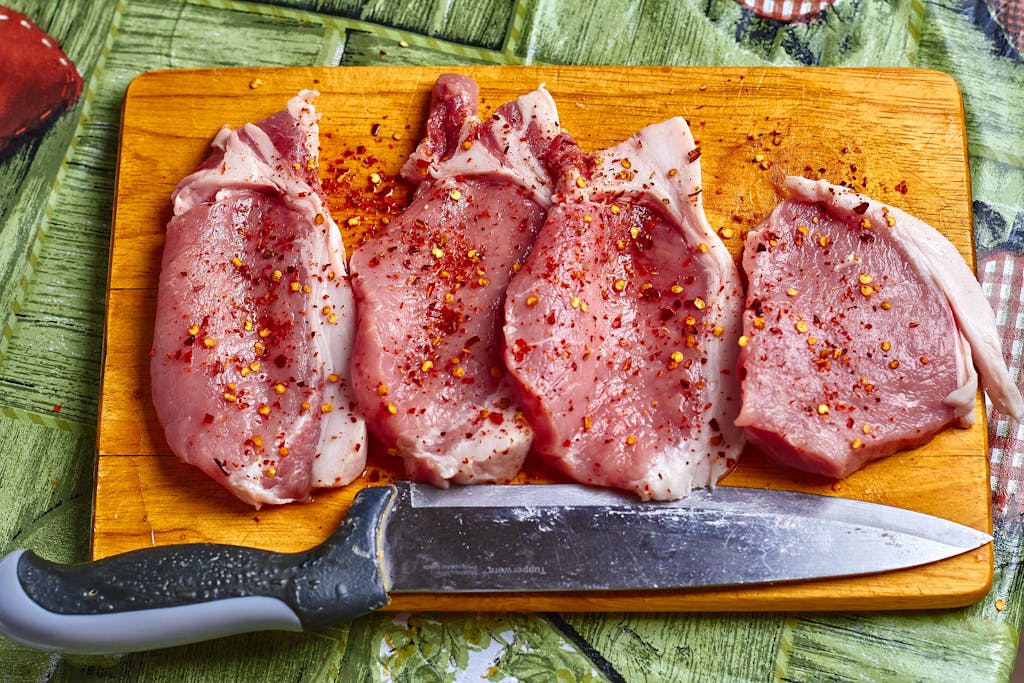
Thawing meat at room temperature might seem convenient, but it significantly increases the risk of bacterial growth. Meat left out for too long can reach unsafe temperatures, allowing harmful pathogens to multiply and potentially cause foodborne illness. Even if the meat appears normal, invisible bacteria may be present, posing serious health risks. The safest approach is slow thawing in the refrigerator or, for quicker results, sealed meat in cold water or a microwave with careful attention. Proper thawing preserves both safety and the meat’s texture, ensuring a tender, flavorful final dish.
Tip: Plan ahead by refrigerating meat overnight or using cold-water or microwave methods with caution to prevent bacterial growth and uneven cooking.
Over- or Underheating Pans
Cooking food in a pan that hasn’t reached the right temperature can lead to uneven results, while overheating can burn or dry out ingredients. A pan that’s too cold prevents browning, leaving meats gray and vegetables mushy, while excessive heat can ruin the texture and flavor before the inside is properly cooked. Both extremes compromise your dish and make even the freshest ingredients less appealing. Achieving the right temperature ensures a proper sear, caramelization, and optimal flavor development, giving your dishes a professional-quality finish.
Tip: Preheat pans thoroughly and adjust the heat gradually, depending on the food you are cooking, to maintain balance and control over the final outcome.
Using Low-Quality Knives or Cutting Boards

Cheap knives dull quickly, making prep frustrating and increasing the likelihood of accidents. Low-quality cutting boards can slip, warp, or harbor bacteria, compromising safety and hygiene. Investing in a good set of knives and a solid cutting surface ensures cleaner cuts, consistent results, and safer prep. Using proper equipment also makes the cooking process more enjoyable and less tiring, allowing you to focus on technique and flavor rather than fighting your tools. A well-maintained kitchen setup is a foundational step toward consistently excellent meals.
Tip: Invest in a durable chef’s knife, a paring knife, and a quality cutting board made from bamboo, maple, or thick plastic. Maintain them properly to extend their lifespan and efficiency.
8. Ignoring Mise en Place (Prepping Ingredients)

Skipping mise en place, the French practice of preparing ingredients ahead of time, leads to chaos and mistakes during cooking. Searching for ingredients mid-recipe increases stress, raises the likelihood of overcooking, and interrupts the natural flow of your dish. Properly prepped ingredients allow you to cook confidently, maintain timing, and ensure every element of your meal comes together perfectly. This discipline also reduces cleanup, prevents waste, and elevates your overall cooking efficiency, turning even complex recipes into manageable tasks.
Tip: Chop, measure, and organize all ingredients in advance, keeping them in small bowls or containers ready for immediate use.