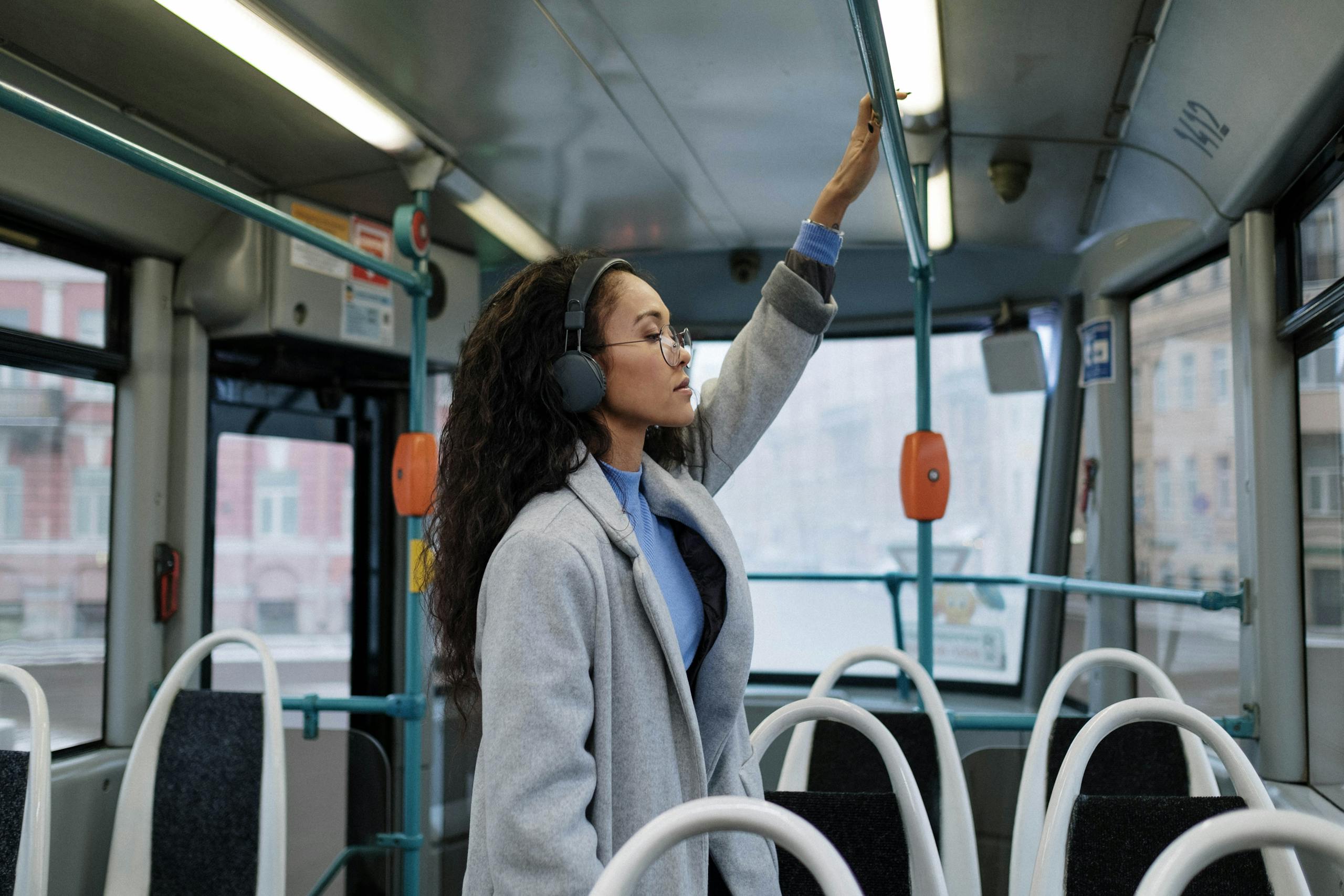
Traveling across time zones is exhausting, and jet lag can turn even the most exciting trips into a foggy, sleepless ordeal. Many travelers rely on quick fixes to beat jet lag, but not all remedies are effective.
Some approaches can even make symptoms worse. Understanding what does not work can save time, frustration, and sleepless nights. Here, we break down eight common jet lag remedies that fail to deliver and explain why.
Drinking Alcohol to Relax
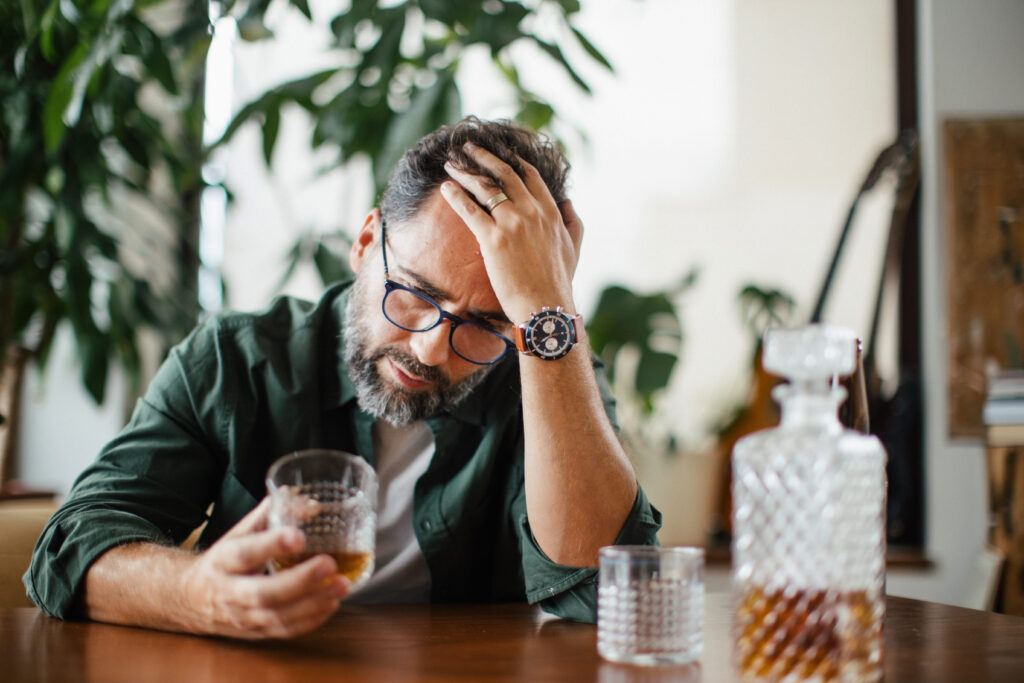
A glass of wine or beer may seem like a fast way to drift off mid-flight. In reality, alcohol disrupts sleep cycles and dehydrates the body. Even if it initially induces sleep, the quality of rest is poor.
Alcohol can exacerbate jet lag symptoms like headaches and fatigue. Hydration and caffeine moderation are safer strategies for staying alert and rested.
Taking Random Melatonin
Melatonin is often marketed as a cure-all for jet lag. Without proper timing, it can further misalign the body clock. Taking high doses or using it at the wrong time may worsen sleep disruptions.
The safest approach is to use low, controlled doses and consult a healthcare professional. Properly timed exposure to light and activity usually has a bigger impact.
Ignoring Light Exposure
Staying in a dark hotel room or using random bright light is ineffective. Jet lag is primarily a misalignment of the circadian rhythm, and light is the strongest signal for resetting it. Mis-timed light exposure can delay adjustment rather than help it.
Strategic morning or evening sunlight is far more useful. Controlled use of artificial light can substitute for sunlight, but its use is limited.
Using Sleeping Pills Without Timing

Sleeping pills may help some fall asleep temporarily, but they do not reset the circadian rhythm. Long-term or frequent use can interfere with natural sleep patterns. They also carry risks of grogginess, dizziness, and dependence.
For jet lag, behavioral strategies such as gradual sleep adjustments and exposure to daylight are more effective. Pills alone rarely solve the underlying problem.
Sleeping Through the Entire Flight
Many assume that sleeping the whole flight will prevent jet lag. While it may help slightly, excessive sleep during a plane ride often worsens misalignment with the destination’s schedule. Oversleeping can leave travelers groggy upon arrival.
The body still needs exposure to daylight and proper activity to reset its internal clock. Short, strategic rest combined with timed activity is far more effective.
Relying on Heavy Naps
Taking long naps after arrival seems tempting, but often backfires. Sleeping for hours during the day can delay adaptation to local time. Short, strategic naps of 20 to 30 minutes are more effective.
Avoiding naps late in the afternoon helps nighttime sleep. Realignment requires staying awake and active until local bedtime.
Overdoing Exercise
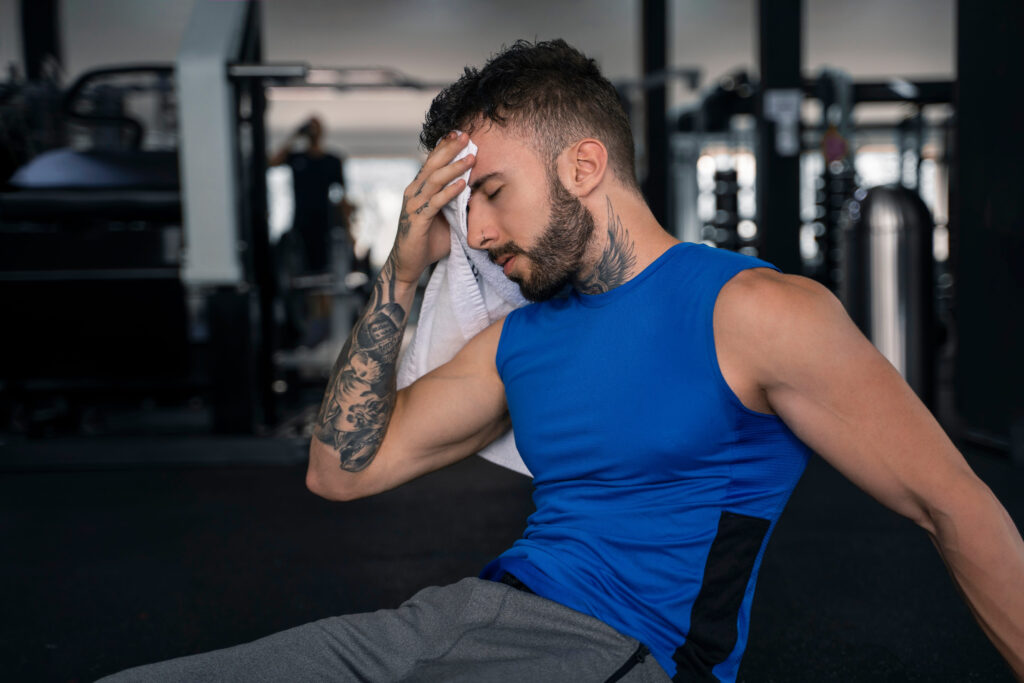
While light activity helps reset the internal clock, intense workouts can make jet lag worse. Overexertion after long flights adds stress and soreness. Gentle walks, stretching, or short outdoor exercise is optimal.
Combining movement with daylight exposure is the most effective. Timing and intensity are more important than simply exercising.
Ignoring Meal Timing
Some travelers think food doesn’t affect jet lag. In reality, meal timing is a powerful circadian signal. Eating according to home time rather than destination time can confuse the body.
Large, heavy meals at odd hours worsen bloating and fatigue. Eating light, regular meals on local time aids adaptation and stabilizes energy levels.
Final Takeaway
Many popular jet lag remedies are misleading or ineffective. Oversleeping, alcohol, random melatonin, heavy naps, improper meals, overexercising, and mistimed light exposure can all worsen symptoms.
The key to faster recovery is aligning sleep, light, meals, and activity with the destination schedule. A targeted plan beats quick fixes every time. Smart preparation ensures trips start on the right note.