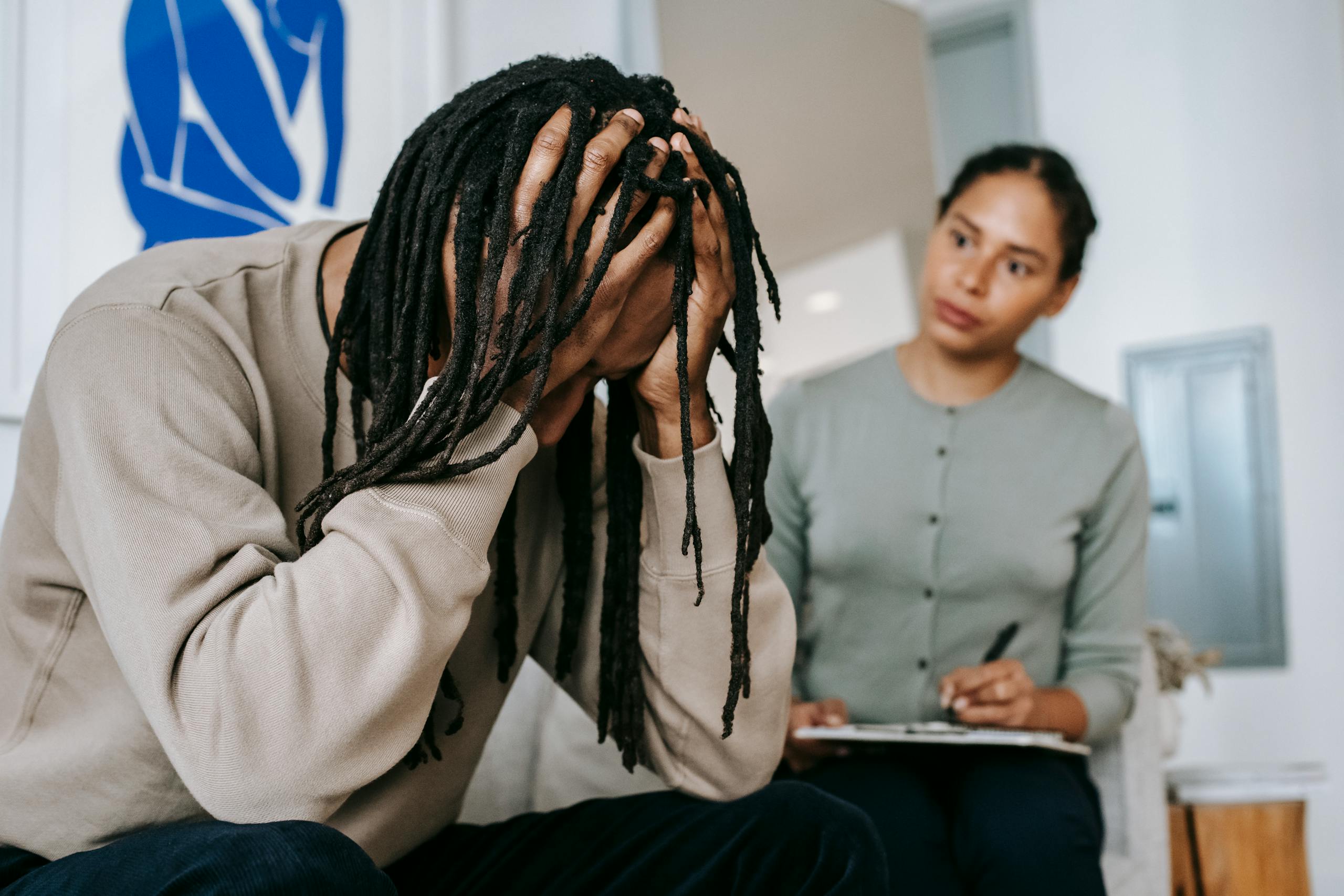
Traveling is often romanticized as the ultimate form of freedom, excitement, and adventure. However, there are significant challenges that come with it, many of which are overlooked by both avid travelers and those just starting to explore the world. Whether you’re planning a solo trip or going with friends, the realities of traveling can sometimes be far from the idyllic pictures painted by social media and travel blogs. In this article, we will dive into the lesser-discussed disadvantages of traveling, exploring everything from safety concerns to health issues and cultural challenges.
The Financial Strain of Traveling

One of the most substantial drawbacks of traveling is the cost. While it might seem glamorous to explore new places, the expenses involved can quickly add up. From flights and accommodations to food and activities, the total cost of a trip can be overwhelming, especially when traveling solo. For instance, private accommodations like Airbnbs and hotels can be significantly more expensive when you’re paying for them alone, as opposed to splitting costs with a group. Even if you manage to save money through hostels or budget airlines, unexpected costs such as currency exchange rates, emergency expenses, or last-minute bookings can further strain your budget.
Hidden Costs of Solo Travel
Solo travelers often face an additional financial burden. Without a travel companion to share expenses, it’s easy for the costs to balloon, making a seemingly affordable trip feel like a financial stretch. Additionally, last-minute flights, unplanned activities, and high-priced meals add to the unpredictability of travel costs.
Loneliness on the Road
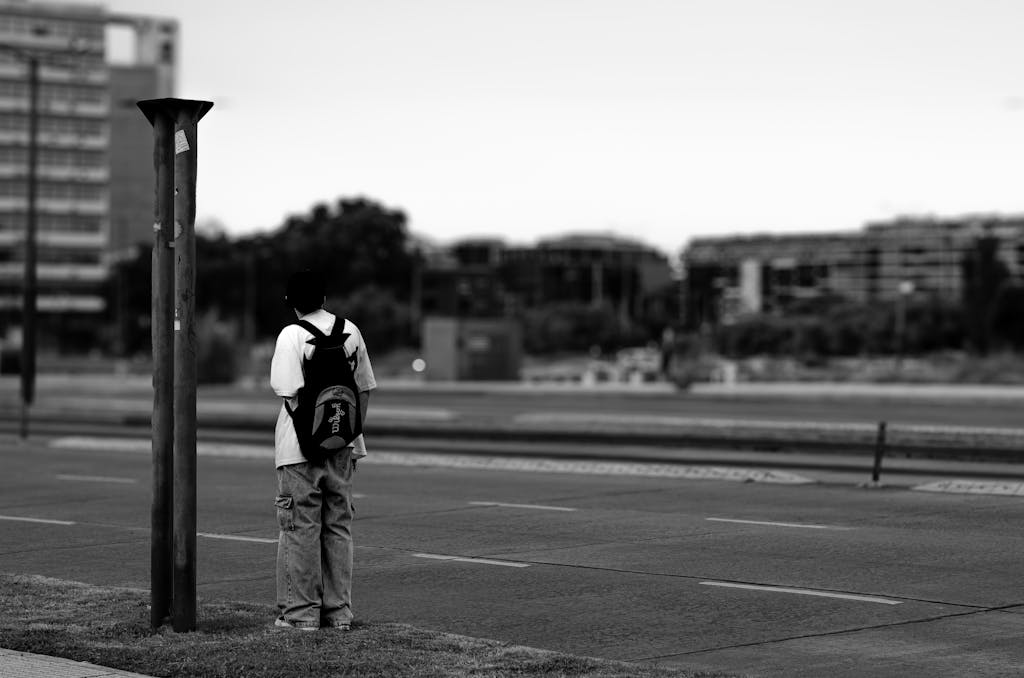
Traveling alone can sometimes lead to feelings of isolation. While the world is full of new people and experiences, it’s not uncommon for solo travelers to experience bouts of loneliness. This issue becomes even more pronounced during long trips, where you may not have anyone to share your thoughts or experiences with. For instance, attending major events or festivals, like Oktoberfest in Germany, can be exciting but also emotionally taxing when you have no one to enjoy the moment with. Solo travelers often find themselves wishing they had someone to talk to or share the excitement with, especially during special occasions like birthdays or holidays.
Coping with Loneliness
While technology, such as video calls or social media, can help bridge the gap, it doesn’t always replace the need for in-person connection. To combat loneliness, many solo travelers seek out group activities or local meetups, but these can also feel forced at times.
Safety Concerns When Traveling Alone
Safety is a critical issue, especially when traveling alone. The well-known phrase “there’s safety in numbers” holds when you’re out exploring unfamiliar places. Traveling alone, particularly at night or in poorly lit areas, can make you more vulnerable to crimes, such as theft or assault. For example, one traveler recalls a moment when they were followed by an older man in an unlit neighborhood in Germany. While the situation didn’t escalate, the sense of vulnerability and fear of being alone in an unfamiliar place was undeniable.
How to Stay Safe on Solo Trips
Staying vigilant and taking precautions such as avoiding isolated areas at night, using ride-sharing services instead of walking long distances, and sharing your itinerary with a trusted person can help reduce the risks. Being part of a group, or even a couple, often offers a level of safety that is hard to replicate while traveling alone.
The Challenges of Group Travel
While traveling alone has its drawbacks, traveling in a group comes with its own set of challenges. The dynamics of a group can sometimes lead to frustrating situations, especially when not everyone shares the same interests or budget. Groupthink mentality, where people conform to group decisions to avoid conflict, can result in poor choices that leave everyone feeling dissatisfied. Additionally, traveling with people who have different expectations or travel styles can lead to unmet expectations and strained relationships.
The Pitfalls of Groupthink
Groupthink is a social phenomenon where individuals in a group suppress dissenting opinions in favor of consensus. This can lead to decisions, such as where to travel or what to eat, that everyone begrudgingly agrees on without considering personal preferences. This not only ruins the experience but also causes unnecessary tension within the group.
Health Risks While Traveling

Health problems are another often-ignored disadvantage of traveling. From jet lag and sleep disturbances to accidents and injuries, the physical toll of traveling can be taxing. One of the most common complaints among travelers is jet lag, a sleep disorder that disrupts your body’s internal clock when crossing time zones. This can leave you feeling exhausted and out of sync for days after arriving at your destination.
Healthcare Abroad
Another challenge is accessing healthcare in foreign countries. If you fall ill or sustain an injury while traveling, you may struggle to find an English-speaking doctor, especially in regions where healthcare systems differ greatly from what you’re accustomed to. In some cases, language barriers can make even basic medical treatments difficult to navigate. For example, finding a local doctor who speaks English fluently can be a real challenge in non-English-speaking countries, as medical staff might rely on translation apps to communicate with you.
Cultural and Language Barriers
The cultural differences and language barriers that travelers encounter in foreign countries can be overwhelming. Despite the best efforts to learn the local language or familiarize oneself with cultural norms, misunderstandings are inevitable. Language barriers can lead to frustration, whether it’s ordering food at a restaurant, asking for directions, or seeking help in an emergency.
Overcoming Culture Shock
Culture shock is another significant issue. Moving between different cultures and customs can lead to feelings of disorientation, frustration, or even alienation. Reverse culture shock, when returning to your home country after a long period abroad, can also leave you feeling out of place and disconnected from your home culture. Navigating these cultural differences requires patience, an open mind, and sometimes, a willingness to embrace discomfort as part of the travel experience.
The Impact of Racism and Stereotyping
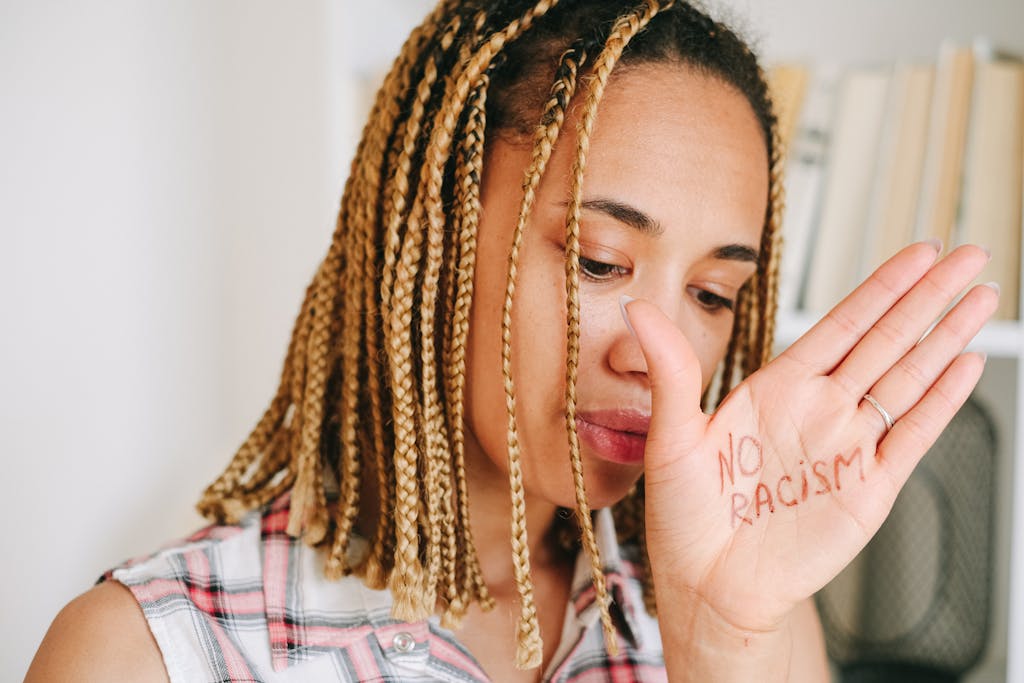
Unfortunately, racism and racial profiling are real issues that travelers, particularly people of color, may encounter during their trips. Whether it’s being stereotyped based on appearance or facing overt discrimination, racial prejudice is an unfortunate reality for many travelers. From racial slurs to being treated differently by locals, these experiences can be jarring and damaging to one’s sense of security and well-being.
Coping with Racial Discrimination While Traveling
Being aware of potential racial biases and taking steps to protect yourself is crucial when traveling to places where racism might be prevalent. Engaging with locals in a respectful and non-confrontational manner can sometimes mitigate the risk of discrimination. Still, it’s also essential to be prepared for the possibility that such experiences may occur.
Conclusion
While traveling opens up countless opportunities for personal growth, cultural exchange, and unforgettable experiences, it’s important to acknowledge the disadvantages that come with it. The financial strain, loneliness, safety risks, health challenges, cultural shocks, and racial discrimination can sometimes overshadow the allure of travel. Being aware of these potential downsides allows you to better prepare for your journeys and make more informed decisions about when and how to travel. Understanding the full picture, both the good and the bad, will help you make the most of your travels and ensure you stay safe, healthy, and happy on your adventures.