A polished look rarely falls apart because of one dramatic grooming failure. More often, it slips through tiny details we stop noticing because they become normal. The neckline grows fuzzy, the beard gets uneven, the cologne gets louder, the face looks tired, and the nails quietly betray the whole outfit.
Good grooming does not require a bathroom shelf that looks like a luxury department store. It needs consistency, clean technique, and a few smart habits to protect the skin, hair, and teeth, and to maintain overall presentation. We can keep the routine simple, but we cannot afford to keep it careless.
Washing The Face With Harsh Body Soap
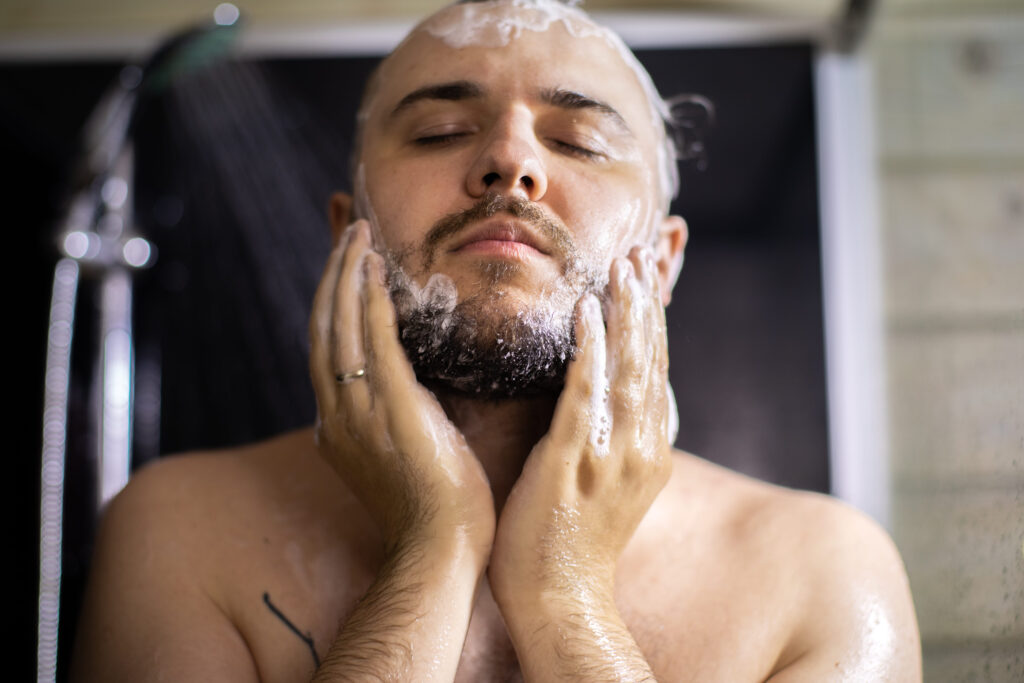
Many men still use the same soap on their faces that they use on their bodies, then wonder why their skin feels tight, rough, oily, or irritated. Facial skin usually needs a gentler approach because harsh cleansing can strip the skin barrier, leaving it to fight back with dryness, redness, or excess oil. The American Academy of Dermatology recommends using a gentle, non-irritating cleanser without alcohol for facial cleansing.
The fix is simple. We should cleanse the face with a proper facial cleanser, use lukewarm water, and avoid scrubbing like we are cleaning a frying pan. Men with oily or acne-prone skin should look for products labeled oil-free and noncomedogenic, since those are designed not to clog pores. A clean face should feel fresh, not punished.
Skipping Sunscreen And Calling It Skin Care
One of the biggest grooming mistakes men make is treating sunscreen like beach gear rather than daily skin care. We can wash, shave, moisturize, and still leave the face exposed to the one thing that ages skin faster than almost anything else. Dermatologists recommend broad-spectrum sunscreen with SPF 30 or higher, and the American Academy of Dermatology notes that SPF 30 blocks about 97% of the sun’s UVB rays when used correctly.
This mistake becomes more obvious around the forehead, temples, ears, neck, and hands because those areas catch the sun during ordinary errands, commutes, outdoor lunches, and weekend activities. A good daily routine should end with SPF in the morning, especially on exposed skin. We should also remember that a baseball cap does not fully protect the ears, lower face, or back of the neck. Sunscreen is not vanity. It is maintenance.
Shaving Against The Grain With A Dull Blade
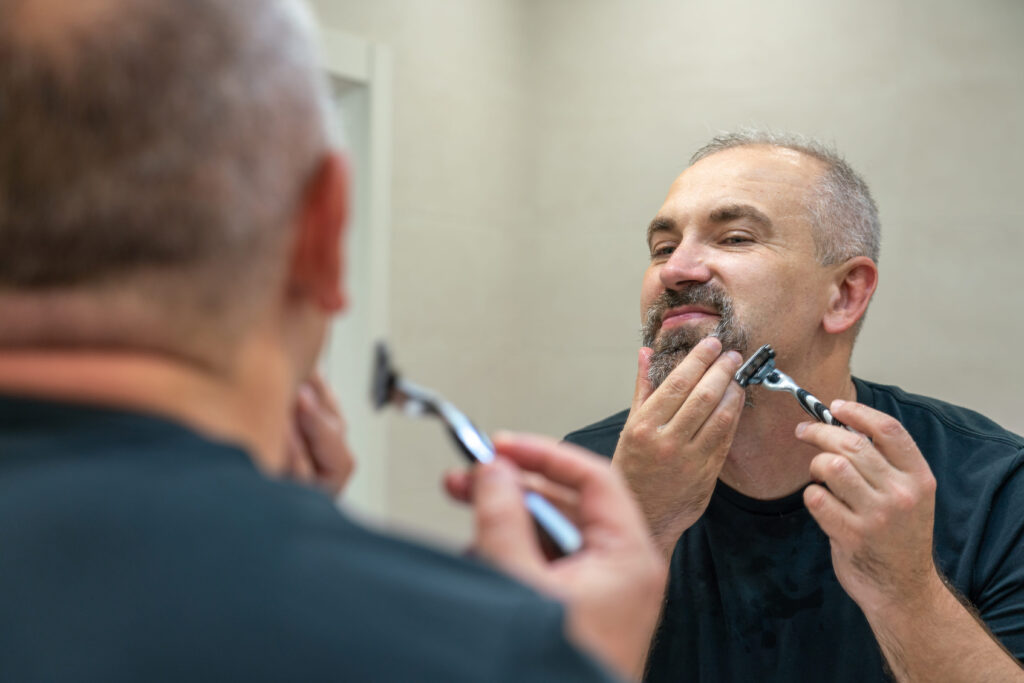
A rushed shave can ruin the face for days. Razor burn, bumps, ingrown hairs, and angry redness often come from poor technique rather than bad luck. Dermatologists recommend softening the hair first, using moisturizing shaving cream, shaving in the direction the hair grows, rinsing after each swipe, and changing blades after five to seven shaves to reduce irritation.
We should stop treating shaving like a race. Shaving at the end of a shower helps soften the hair, and light pressure usually works better than dragging the razor across the skin. Men who get frequent razor bumps may do better with a single- or double-blade razor rather than a very close multi-blade shave. A smooth shave should look calm, not inflamed.
Ignoring The Neckline Between Haircuts
A haircut can still look messy if the neckline grows wild. This is one of those grooming mistakes men often do not notice because it sits behind them, but everyone else sees it. The back of the neck, stray hairs around the collar, and uneven sideburns can make a fresh outfit look careless.
We should treat the neckline as part of the haircut, not an afterthought. A quick cleanup with a trimmer between barber visits can extend the look of a cut and keep the profile sharper. Sideburns should also match in length and thickness, especially with short styles. When the edges look clean, the whole haircut looks more intentional.
Letting The Beard Grow Without Shape
A beard can sharpen the jaw, add maturity, and give the face character, but only when it has a clear shape. The mistake is letting facial hair grow everywhere at the same speed, with no neckline, cheekline, or cleanup routine. The American Academy of Dermatology recommends washing the face and beard every day with a gentle cleanser rather than harsh soap, because this helps remove debris without drying the skin under the beard.
We should think of beard care as skin care with hair attached. That means washing, moisturizing, brushing, trimming uneven patches, and keeping the neckline controlled. A beard should not carry food scent, dry flakes, or random flyaways. Even a full beard needs boundaries.
Forgetting The Skin Under The Beard
The beard may hide the skin, but it does not protect it from dryness, flakes, itching, or irritation. Many men focus on the visible beard hairs and forget the skin underneath, which can lead to discomfort and a dusty-looking beard. In the stubble phase, the AAD recommends gentle exfoliation once or twice per week for men prone to ingrown hairs, followed by moisturizing.
We should work products down to the skin, not just wipe them over the surface of the beard. A gentle cleanser, a light moisturizer, and careful exfoliation can make the beard look healthier and feel less itchy. Beard oil may help soften the hair, but it should not replace cleaning the skin. A handsome beard starts underneath.
Overusing Hair Product Until It Looks Greasy
Hair product should support the hairstyle, not announce itself from across the room. Too much gel, wax, pomade, or cream can make hair look heavy, oily, flaky, or stiff. This is especially common when men apply product to wet hair, add more during the day, or use a heavy formula on fine hair.
We should start with fewer products than we think we need. A pea-sized amount can often do more than a palmful, especially when warmed between the hands and worked evenly from back to front. The right product depends on hair type, length, and finish. Matte clay may suit thick, textured hair; cream may suit softer styles; and lightweight paste may work better for fine hair. The goal is control without looking coated.
Keeping The Same Haircut Long After It Stops Working
A familiar haircut can feel safe, but it can also freeze a man’s appearance in an old version of himself. Hair texture changes, hairlines shift, faces mature, and lifestyles change. A cut that looked sharp five years ago can start looking tired if it no longer suits the current face, job, wardrobe, or hair density.
We should review the haircut the same way we review clothing fit. Does it flatter the face shape? Does it work with the natural hairline? Does it still look clean after two weeks? A good barber can adjust length, texture, fade height, parting, or fringe without making the change feel extreme. The best haircut looks current without trying too hard.
Neglecting Dandruff And Scalp Buildup
Scalp care is grooming, too. Flakes on the collar, greasy roots, itchy patches, and product buildup can distract from an otherwise polished look. Many men either overwash until the scalp feels stripped or underwash until oil and styling residue collect around the roots.
We should match the wash routine to the scalp, not to habit. Men who use heavy styling products may need more thorough cleansing, while men with dry or sensitive scalps may need gentler formulas. Persistent flaking, redness, or itching may signal dandruff, seborrheic dermatitis, psoriasis, or another scalp condition that needs proper treatment. Grooming gets much easier when the scalp is healthy.
Wearing Too Much Cologne
Fragrance should create a pleasant close-range impression. It should not enter the room before we do. Overusing cologne is one of the most common grooming mistakes because the wearer gets used to the scent and keeps applying more. Other people do not get that same nose-blindness.
We should apply fragrance lightly to pulse points or the chest and stop there. One or two sprays usually work better than a cloud. Cologne also works best on clean skin, not as a cover for sweat, stale clothes, or poor hygiene. If people can smell it several feet away, it is no longer grooming. It is an announcement.
Ignoring Oral Hygiene Until Breath Becomes a Problem

Bad breath can undo a sharp haircut, expensive shirt, and polished shoes in seconds. Brushing alone may not solve the problem if plaque sits between the teeth or bacteria remain on the tongue. The CDC recommends brushing teeth well twice a day and flossing between teeth to remove dental plaque.
We should build oral care into the grooming routine with the same seriousness as shaving. The National Institute of Dental and Craniofacial Research recommends brushing twice a day with fluoride toothpaste and cleaning between teeth regularly, aiming for once a day. A tongue scraper, regular dental visits, enough water, and less sugary snacking can also help keep breath cleaner.
Forgetting Hands, Nails, And Cuticles
Hands are always in public. We shake hands, hold phones, type, pay bills, open doors, and gesture while talking. Dirty nails, jagged edges, dry cuticles, and cracked skin can make a man look less put together, even when everything else is styled well.
We should keep nails short, smooth, and clean underneath. Cuticles do not need aggressive cutting; they should not look dry or torn. A small nail clipper, file, and hand moisturizer can make a bigger impact on presentation than many men realize. This is not about a glossy manicure. It is about looking clean, capable, and attentive.
Treating Body Odor As A Cologne Problem
Cologne cannot fix body odor. It only mixes with it, which usually makes the problem worse. Body odor often comes from sweat interacting with bacteria on the skin, as well as from clothing that has absorbed odor over time. Repeating shirts, skipping deodorant, wearing synthetic fabrics in heat, or not washing workout clothes properly can all create a smell the wearer may not notice.
We should treat odor at the source. Shower after heavy sweating, dry the body well, use deodorant or antiperspirant as needed, and wash clothes before odor becomes baked into the fabric. Gym bags, shoes, jackets, and hats also need attention. Clean scent starts with clean habits.
Forgetting Feet Until Sandal Season
Feet often get ignored because they spend most of the day hidden. Then summer arrives, shoes come off, or someone notices cracked heels, long toenails, peeling skin, or foot odor. Grooming should not stop at the ankles.
We should wash feet carefully, dry between the toes, trim toenails straight across, and use a foot file or moisturizer for rough heels. Shoes also need to be rotated so they can dry between wears. Socks should match the weather and activity, especially during workouts or long workdays. Clean feet are part of clean grooming, even when no one sees them right away.
Choosing Products That Fight Your Skin Type
A product can be popular and still wrong for us. Men with oily skin may look shinier with heavy creams. Men with dry skin may feel tight and flaky with aggressive foaming cleansers. Men with sensitive skin may react to fragrance, alcohol-heavy aftershaves, or harsh exfoliants.
We should buy by skin type, not packaging. Oily and acne-prone skin often benefits from oil-free and noncomedogenic formulas. Dry skin usually needs a gentle cleanser and consistent moisturizer. Sensitive skin may do better with fragrance-free products and fewer active ingredients. The right product should make grooming easier, not create new problems.
Using Too Many Products At Once
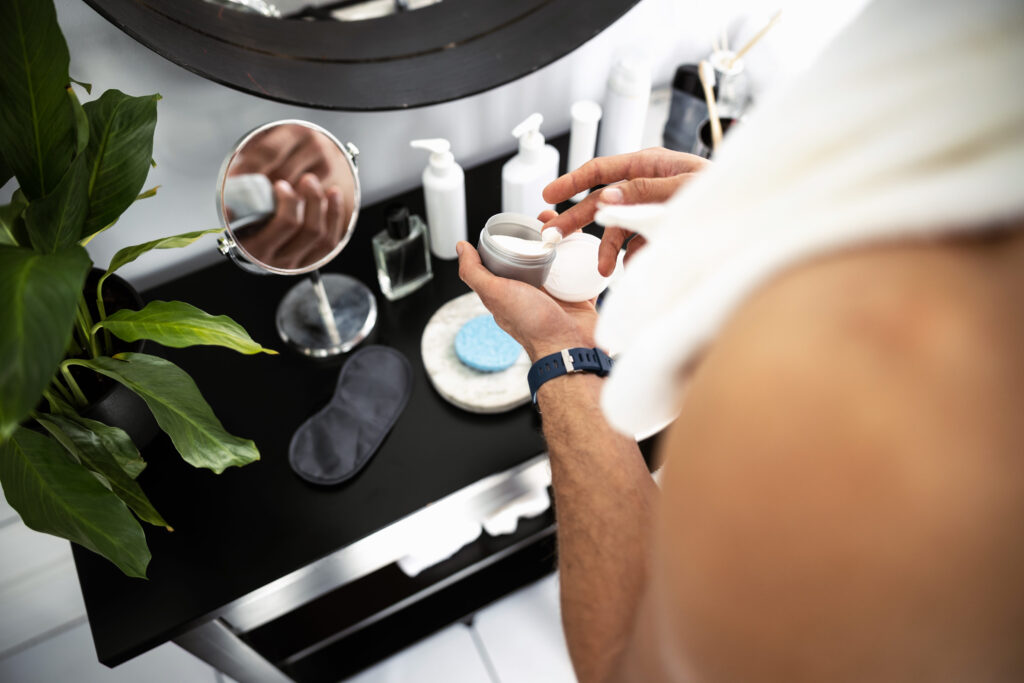
A crowded routine can irritate the skin and confuse the results. Some men go from doing nothing to using exfoliating acids, retinol, beard oil, scented aftershave, acne products, heavy moisturizer, and fragrance all in the same week. If irritation appears, they do not know which product caused it.
We should build slowly. Start with cleanser, moisturizer, sunscreen, proper shaving cream, deodorant, and basic hair control. Add one new product at a time and watch how the skin responds. The AAD also recommends applying moisturizer immediately after bathing, showering, or shaving while the skin is still damp for better results. Simple routines are easier to repeat, and repeated routines create visible results.
Final Grooming Checklist For A Sharper Daily Routine
A strong grooming routine should feel realistic enough to repeat. In the morning, we cleanse the face, shave or tidy facial hair when needed, moisturize, apply sunscreen, brush teeth, use deodorant, style hair lightly, and check the neckline, brows, nails, and clothing. At night, we wash our faces, brush and floss, clean our beards if needed, moisturize dry areas, and prepare tomorrow’s clothes so grooming doesn’t turn into a rushed rescue mission.
The men who look consistently put together are rarely doing complicated things. They notice small details before those details become loud. Clean skin, controlled hair, fresh breath, trimmed nails, light fragrance, and a neat beard or shave can change the entire impression. Grooming is not about perfection. It is about respect for the body, the room, and the people close enough to notice.