The 1970s were a decade of bold experimentation, fearless self-expression, and fashion that demanded attention. People embraced vibrant colors, dramatic silhouettes, and textures that caught the light in ways no previous decade dared. Yet alongside the brilliance were trends that now make us cringe, proving that audacity does not always equal elegance.
From glittering disco floors to bohemian streets, the 70s celebrated individuality and theatricality. Denim, wide-leg pants, flowing maxi skirts, and jumpsuits left a lasting impact on modern style, inspiring designers decades later. Still, some fabrics, cuts, and accessories became painfully dated, immortalized in family photo albums and retro compilations as evidence of fashion overreach.
Polyester Leisure Suits

Polyester leisure suits promised comfort, ease, and a modern approach to casual dressing, but the results were often disastrous. Jackets and matching pants appeared in bold shades like mustard, powder blue, rust, and chocolate brown, creating outfits that felt overconfident and shiny. Even a well-intentioned wearer could appear sweaty, stiff, or stage-ready in the wrong setting.
The fabric’s low-maintenance appeal helped popularize the trend, but polyester’s sheen made imperfections obvious under light. What worked in disco clubs rarely translated to offices, streets, or casual events. Modern fashion can borrow relaxed tailoring, but the full polyester leisure suit remains a cautionary tale of excess.
Bell Bottoms and Gauchos
Bell-bottoms defined 70s pants, flaring dramatically from the knee and amplifying movement with every step. Printed and polyester versions often resembled fabric megaphones, emphasizing volume over proportion. While visually iconic, extreme flares could overwhelm the figure, especially when paired with platforms or wide collars.
Gauchos cropped below the knee created awkward proportions, shortening the body and widening the leg line. Boots and layered tops sometimes compounded the effect, transforming practical pants into costume-like statements. The decade embraced drama, but practicality often suffered in the process.
Platform Shoes and Men’s Clogs
Platform shoes added literal and figurative height, signaling confidence and disco flair. Women paired them with halters, jumpsuits, and maxi skirts, while men matched them with wide collars and flared pants. The drama of the footwear made balance tricky, and walking or dancing often became a challenge.
Men’s clogs, introduced as casual wear, frequently looked chunky and uncoordinated. Combined with bell-bottoms and textured shirts, the shoes created awkward silhouettes. Footwear that should anchor an outfit instead drew attention for all the wrong reasons.
Wide Collars and Satin Shirts
Wide-collar shirts stretched across the shoulders, dominating every outfit they touched. They appeared in bold prints, solid colors, and shiny fabrics, often overwhelming simpler garments underneath. On celebrities, these collars looked daring; on ordinary people, they sometimes looked like runaway fabric.
Satin shirts added another layer of risk, reflecting light and clinging to every contour. Sweat, wrinkles, and misaligned seams became impossible to hide. The era’s obsession with shine and spectacle often resulted in garments that exposed more mistakes than style.
Glitter, Sequins, and White Suits
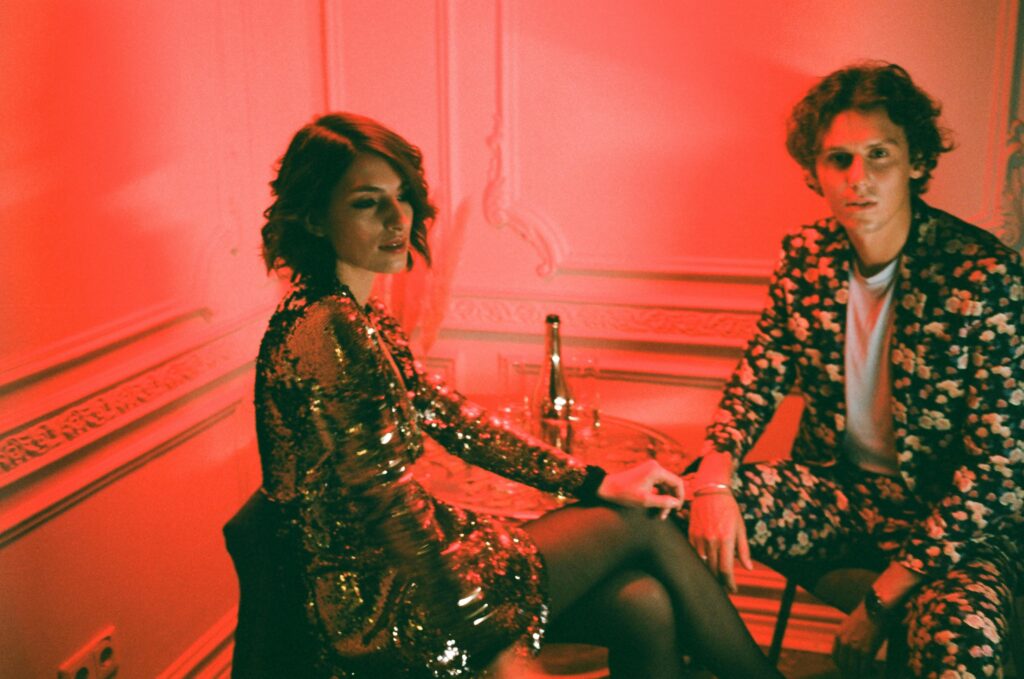
Disco demanded sparkle, and the 70s delivered in spades. Sequined tops, metallic fabrics, and glittering accessories dominated dance floors and nightclub imagery. Outside these controlled environments, the same pieces could look excessive or over-the-top, drawing unwanted attention.
White suits, immortalized by films like Saturday Night Fever, required precision, tailoring, and confidence. One misstep or stain instantly undermined the glamour. While iconic, these suits were often impossible to maintain in real-life situations.
Corduroy, Terry Cloth, and Polyester
Corduroy became ubiquitous in pants, jackets, skirts, vests, and even children’s wear. Thick fabrics and excessive layering often made outfits look heavy and cumbersome. Terry cloth rompers and matching sets compounded the problem, turning casual wear into accidental costume.
Polyester added shine, cling, and heat retention, creating garments that were visually loud and physically uncomfortable. Fabric experimentation was a hallmark of the decade, but overuse often led to chaotic looks. Only small doses of corduroy or terry cloth remain wearable today.
Puka Shells, Chokers, and White Belts
Puka shell necklaces conveyed surf culture and beach vibes, becoming a trend among teens. On stage or in photos, they added charm; in everyday life, they often looked out of place or overdone. Chokers, similarly, required a perfect fit and careful coordination, leaving little room for error.
White belts and matching shoes emphasized contrast in ways that rarely complemented polyester or patterned pants. The 70s embraced statement accessories, but overuse overwhelmed outfits. These pieces now require nostalgia and careful styling to work without appearing excessive.
Smock Tops, Ponchos, and Crochet Vests
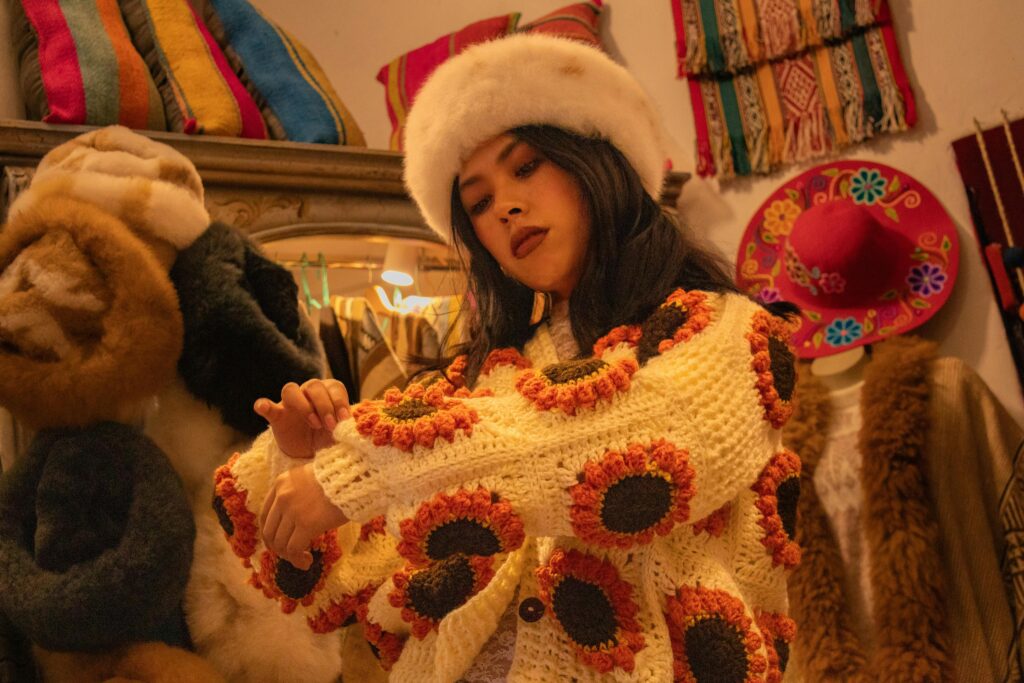
Smock tops offered loose, forgiving fits but often appeared shapeless and unfinished. Earthy colors, floral patterns, and folk-inspired embroidery could make outfits look heavy or amateurish. Ponchos and capes compounded the problem, adding bulk and visual clutter to already busy ensembles.
Crochet vests, including granny-square designs, brought craft elements into everyday wear. While creative, they were difficult to coordinate and frequently clashed with other 70s staples. Comfort dominated over proportion, resulting in garments that were cozy but chaotic.
Halter Tops, Jumpsuits, and Wing Sleeves
Halter tops highlighted the body-conscious side of 70s fashion, but poor fit left wearers exposed or uncomfortable. Satin, glitter, and scarf-style versions further complicated the silhouette. Confidence was required, and not everyone could pull it off successfully.
Jumpsuits demanded precision from shoulders to ankles, making it difficult to sit, dance, or move gracefully. Winged sleeves added drama but limited practicality, turning everyday gestures into fabric performances. The decade valued spectacle, sometimes at the expense of wearability.
Maxi Skirts, Midi Skirts, and Jumper Dresses
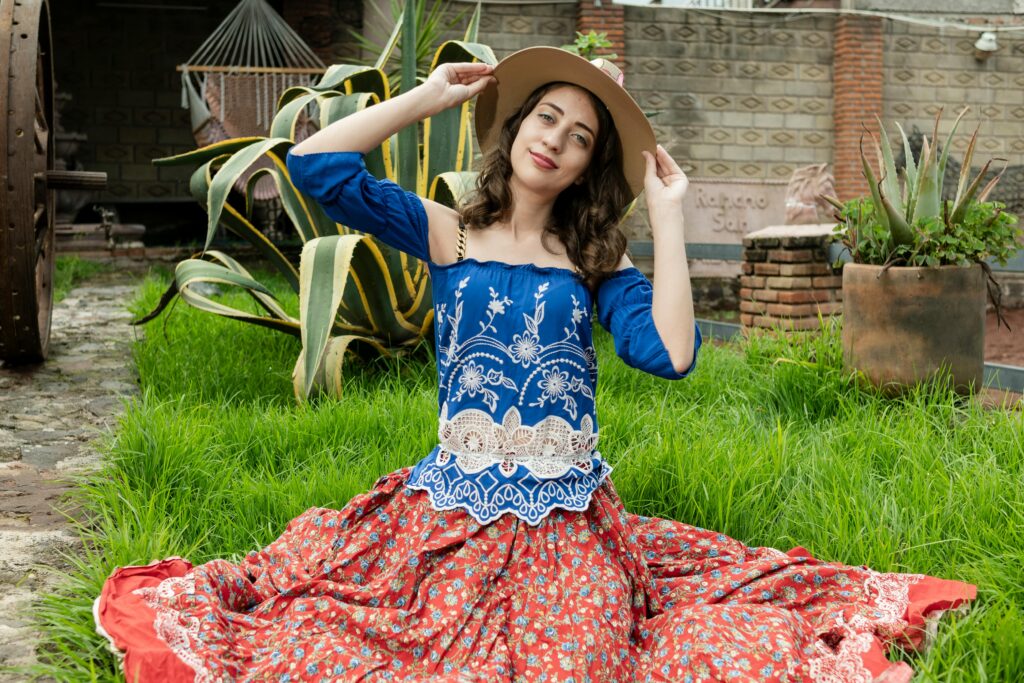
Maxi skirts conveyed bohemian and romantic aesthetics but were often too long, patterned, or heavy for casual settings. Volume and print overwhelmed shorter figures or fuller body types, transforming charm into costume. Midi skirts, hitting tricky calf lengths, often visually shorten the body.
Jumper dresses layered over turtlenecks created schoolish impressions, particularly with tights and boots. While practical and layered, these outfits sometimes looked juvenile rather than stylish. The 70s embraced nostalgia and experimentation, but these garments illustrate how vintage charm requires careful editing.