Joint pain is often thought to happen only to older adults, but more people under 50 are experiencing it than ever before. Some of the causes are obvious, like injuries or medical conditions, but many come from everyday habits we barely notice.
These small lifestyle mistakes can quietly damage joints over time, making mornings stiff, movements painful, and everyday life harder. Recognizing and adjusting these habits early can help protect your joints and keep you active.
Sitting Too Much
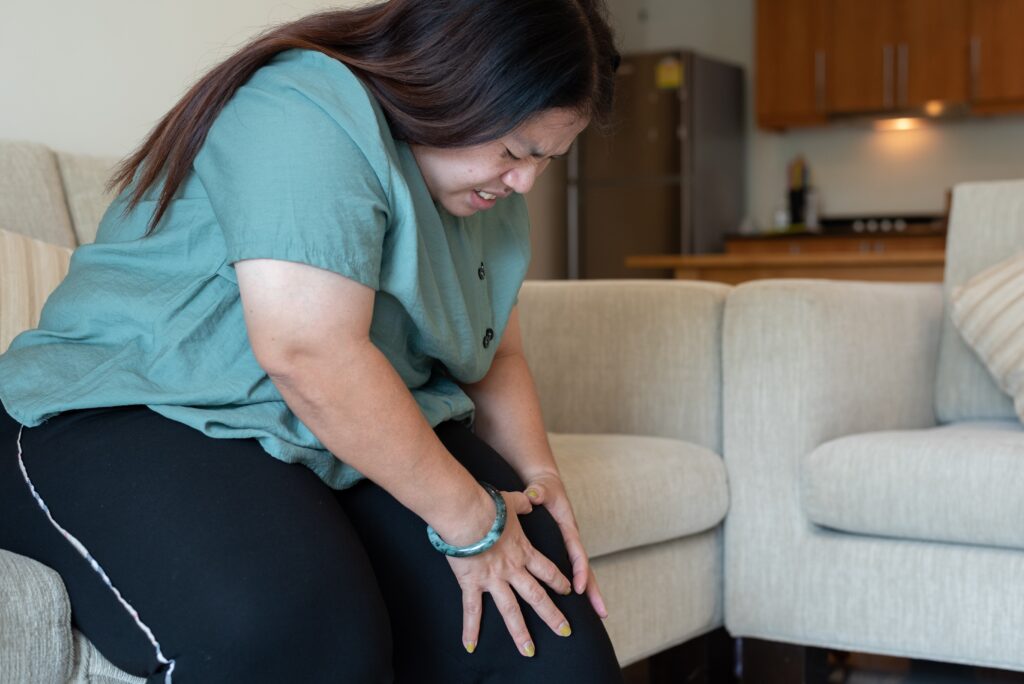
Sitting for long periods, whether at work or home, can stiffen joints and reduce blood flow. Lack of movement weakens muscles around the joints, making them more vulnerable to pain. Adults under 50 often underestimate the impact of sitting on joint health.
Taking short breaks to stand, stretch, or walk helps keep joints flexible. Small changes throughout the day can make a big difference over time.
Skipping Strength Training
Muscles support your joints, and weak muscles mean more pressure on bones and cartilage. Many adults avoid strength training because they think cardio alone is enough. Skipping resistance exercises can quietly increase joint wear and tear.
Simple exercises like squats, push-ups, or resistance-band workouts help support the knees, hips, and shoulders. Stronger muscles reduce stress on joints and prevent future pain.
Ignoring Posture
Slouching or poor posture puts extra strain on the spine, shoulders, and hips. Many adults carry tension in their necks or lower backs without realizing it. Over months and years, poor posture can quietly lead to joint discomfort.
Simple corrections like sitting upright, adjusting screens to eye level, and strengthening core muscles can relieve pressure on joints. Good posture protects joints from long-term damage.
Carrying Extra Weight
Even a small amount of extra body weight increases pressure on weight-bearing joints like knees and hips. Adults may not realize that every extra pound adds strain, accelerating cartilage wear.
Maintaining a healthy weight through balanced diet and activity reduces stress on joints. Small, consistent adjustments in nutrition and exercise protect long-term joint health.
Ignoring Early Pain
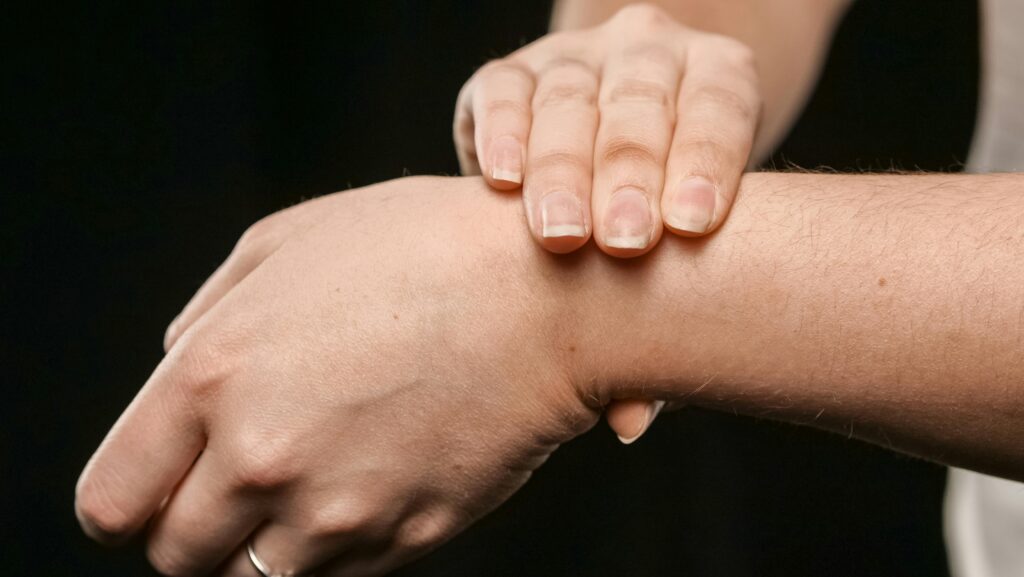
Many adults dismiss mild joint discomfort as temporary soreness. Ignoring early warning signs allows damage to progress quietly. Early stiffness, swelling, or aches are often the first signs of joint problems.
Paying attention to symptoms and seeking guidance from a healthcare professional can prevent long-term pain. Early intervention preserves mobility and quality of life.
Wearing Unsupportive Shoes
Shoes may seem like a small detail, but the wrong footwear can misalign knees, hips, and ankles. High heels, worn-out sneakers, or flat shoes without arch support place extra stress on joints. Over time, this can trigger pain even in adults under 50.
Choosing shoes with proper cushioning and support can reduce joint strain. Foot health is directly linked to overall joint comfort.
Overdoing High-Impact Exercise
Running, jumping, or other high-impact activities can strengthen the heart and muscles, but also stress joints if done excessively. Without proper technique or recovery, joints quietly sustain microscopic damage.
Balancing high-impact workouts with low-impact activities such as swimming, cycling, or yoga can help protect joints. Proper form and moderation prevent early joint problems. there are some of the best exercises you can do with your dumbell
Poor Nutrition for Joints

Bones and cartilage need nutrients like calcium, vitamin D, and omega-3 fatty acids to stay strong. Diets high in processed foods and low in nutrients can weaken joints over time. Many adults unknowingly neglect joint-supporting nutrition.
Including fruits, vegetables, lean proteins, and fatty fish in your diet can strengthen joints and reduce inflammation. Healthy eating supports both bones and connective tissue, keeping joints resilient.
Conclusion
Joint pain before 50 isn’t inevitable. Hidden lifestyle mistakes like weak muscles, long sitting hours, poor posture, unsupportive shoes, high-impact exercise, extra weight, ignored pain, and poor nutrition can quietly cause problems. Awareness and small, consistent changes in daily habits can protect your joints and help you stay active, strong, and pain-free for years.
Key Takeaway: Protecting your joints requires daily attention. Are you noticing these hidden habits before they cause lasting damage?