The 1970s and 1980s were a golden age for wacky snacks and over-the-top novelty foods, but not all of them aged well. Many of these culinary experiments were loaded with sugar, artificial colors, and questionable ingredients, leaving a legacy of nostalgia mixed with regret. From chemically infused snacks to dangerously sugary cereals, these foods were often more hazardous than wholesome, and their disappearance from shelves was no accident. Here are 10 of the worst offenders that prove not all retro treats deserve a comeback.
Space Food Sticks: Chewy Chemistry from the Cosmos
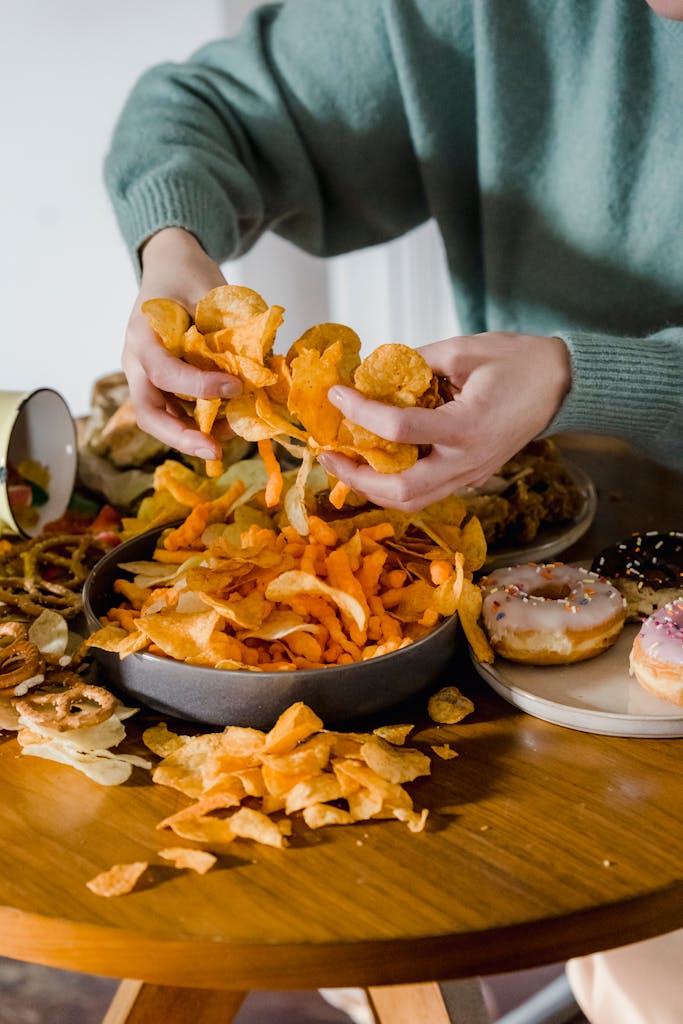
Marketed as the ultimate astronaut snack, Pillsbury’s Space Food Sticks were chewy bars packed with sugar and artificial flavors, claiming to fuel space missions and adventurous kids alike.
While their futuristic branding appealed to children, the chemical-laden ingredients were questionable, and the bars vanished by the 1980s. The novelty of eating a “space snack” couldn’t outweigh the dubious taste and texture, leaving adults today to question what exactly they consumed as kids.
Mug-O-Lunch: Microwave Madness in a Cup
Betty Crocker’s Mug-O-Lunch promised hot meals ready in minutes, from macaroni and cheese to tiny soups, all microwaved in disposable cups. Despite the convenience, the quality was inconsistent, often leaving mushy pasta or unevenly heated meals.
Kids loved the novelty, but parents quickly realized that microwaving a prepackaged cup of food was no substitute for a proper meal, making this a questionable innovation in culinary history.
Reggie! Bar: Celebrity Candy Gone Wrong
The Reggie! Bar, inspired by baseball legend Reggie Jackson, combined chocolate, caramel, and peanuts into a glorified candy bar.
Though marketing it around a sports hero boosted initial sales, the bar was nothing extraordinary flavor-wise, and its gimmicky appeal faded fast. Today, it stands as an example of how celebrity branding often cannot save a mediocre snack from disappearing entirely.
Swanson TV Dinners: The Frozen Faux Feast
Swanson TV Dinners promised a convenient, pre-portioned meal with turkey, fried chicken, and desserts tucked in foil trays. Despite their popularity, the meals often sacrificed taste and texture for convenience, with soggy vegetables and dry proteins.
Though iconic in pop culture,these frozen dinners reflected the era’s obsession with processed foods rather than quality, leaving modern taste buds unimpressed.
Baron Von Redberry & Sir Grapefellow: Cartoon Chaos in a Cereal Box
General Mills’ Baron Von Redberry and Sir Grapefellow cereals transformed breakfast into a cartoon spectacle, turning milk into a vibrant, sugary concoction.
While visually engaging, the cereals were heavily processed, loaded with sugar, and nutritionally void. Their playful marketing couldn’t hide the fact that these were more about fun packaging than actual wholesome nutrition.
Fruit Brute Cereal: A Werewolf of Sugar
Fruit Brute featured marshmallow bits and frosted fruit-flavored oats with a werewolf mascot, creating a sugar-laden breakfast that delighted kids but shocked nutritionists. Its intense sweetness and artificial ingredients made it a high-risk snack for hyperactivity and tooth decay.
Despite brief revivals, the cereal’s excessive sugar content explains why it couldn’t stand the test of time.
Marathon Bar: Candy Overkill
The Marathon Bar, a braided caramel-and-chocolate candy, was marketed as a “running” treat for kids, encouraging them to eat a bar almost a foot long.
The gimmick was memorable, but the bar’s extreme sugar content and length made it an indulgence bordering on dangerous for children. Its disappearance reflects a growing awareness of portion control and sugar-related health concerns.
Hi-C Ecto Cooler: Green Slime in a Drink
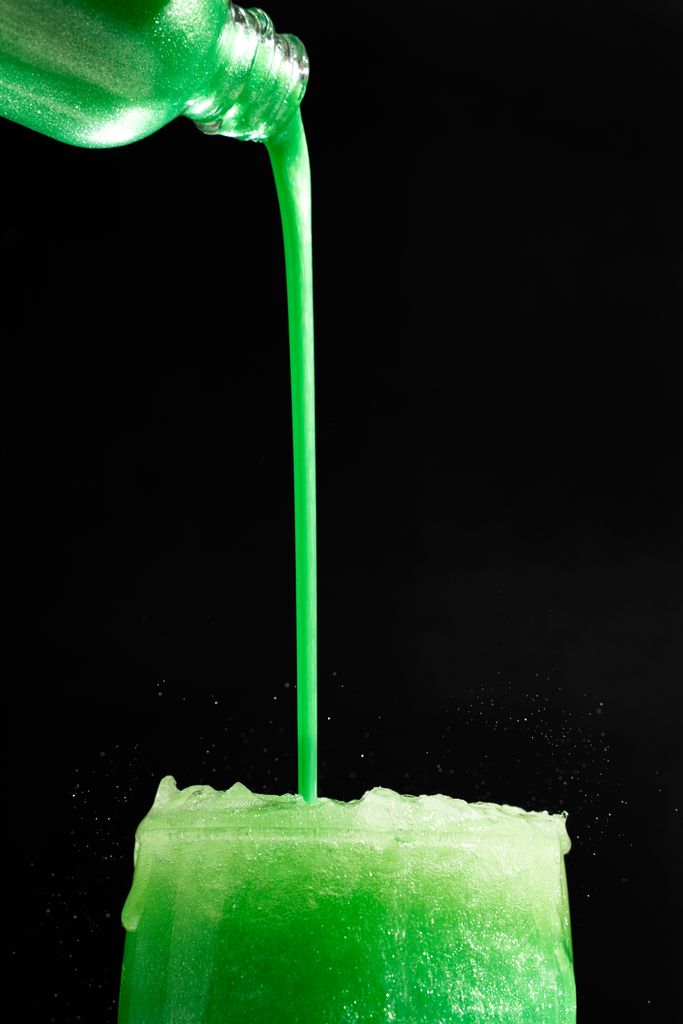
Launched alongside Ghostbusters in 1989, Hi-C Ecto Cooler was a neon green beverage featuring Slimer on the label. Despite its popularity as a movie tie-in, the drink was essentially sugary citrus juice with artificial coloring.
Its temporary re-releases couldn’t mask the health concerns of sugar overload, making it a dangerous nostalgia item for a modern audience focused on wellness.
Keebler Fudge Magic Middles: Dessert Disaster
These small, shortbread cookies with chocolate fudge centers or peanut butter fillings were a decadent treat that encouraged overindulgence.
While delicious, the high sugar content and excessive calories made them more of a guilty pleasure than a snack, ultimately contributing to their discontinuation. Modern snackers often opt for healthier alternatives, leaving these fudge-filled morsels as a cautionary tale.
Fruit Wrinkles and PB Max: The Overprocessed Lunchbox
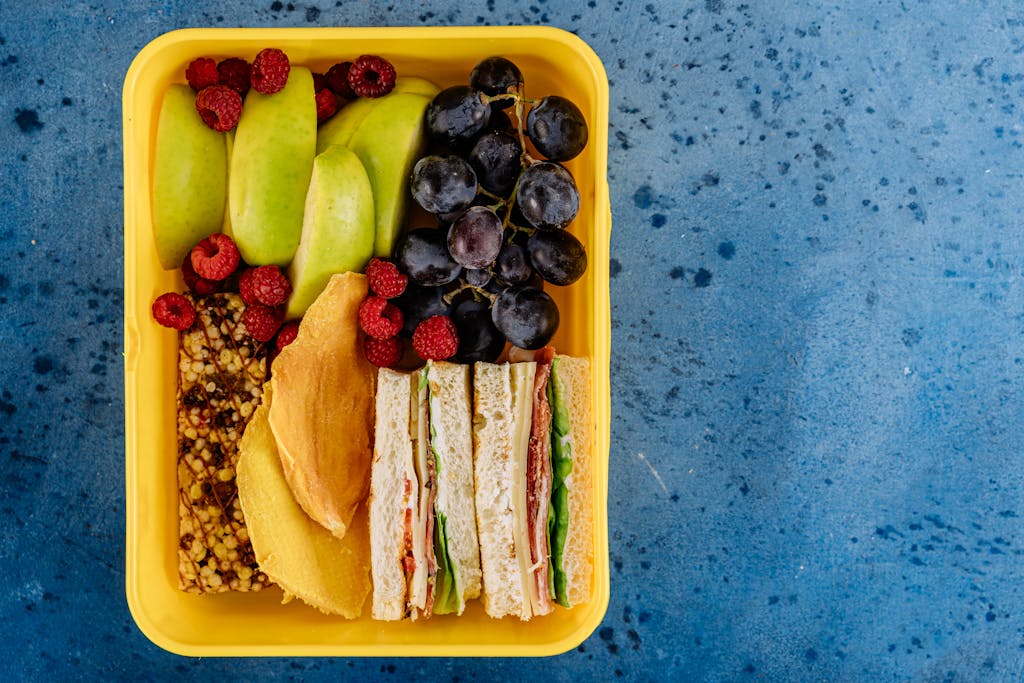
Fruit Wrinkles, chewy fruit snacks, and PB Max, an oat-filled peanut butter and chocolate bar, were staples in children’s lunchboxes.
Both were highly processed and packed with sugar, leaving kids with quick energy spikes followed by crashes. Their eventual disappearance reflects a broader shift towards healthier, less artificial snack options and a growing awareness of childhood nutrition.