Imagine this: a doctor, mid-experiment, expecting failure, only to stumble upon one of the greatest medical breakthroughs in history. It sounds like the premise of a movie, but the truth is, many of the medical advancements we now take for granted happened by pure chance.
From life-saving drugs to treatments for the most complex diseases, these “happy accidents” have radically transformed healthcare, proving that sometimes, the greatest discoveries are those we never planned for.
X-Rays
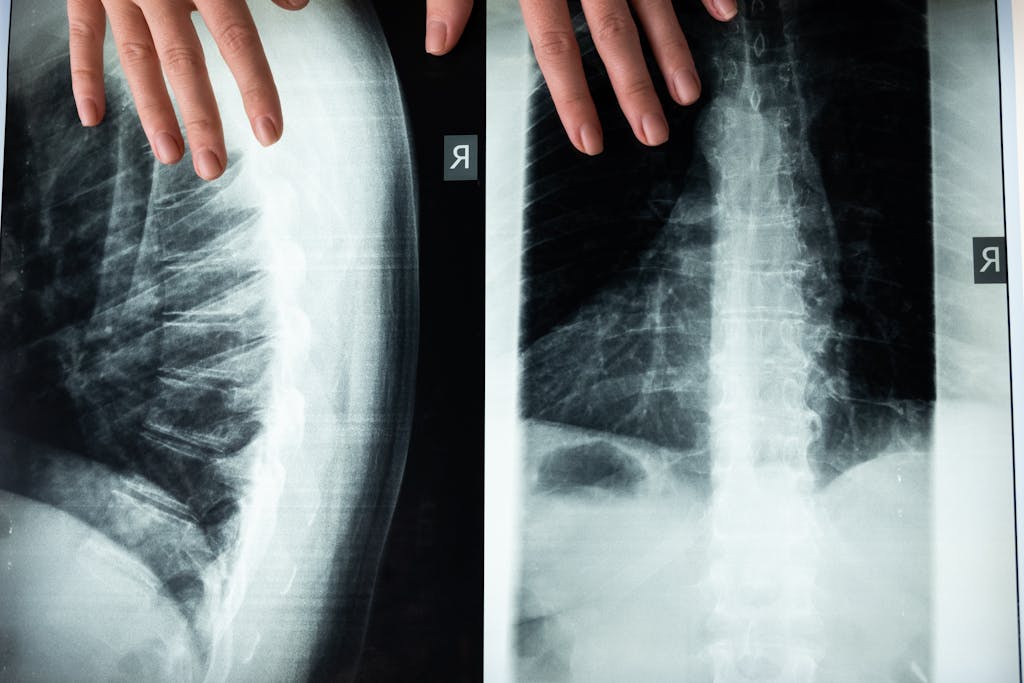
In 1895, Wilhelm Roentgen was experimenting with cathode rays when he accidentally discovered X-rays. He noticed a faint glow coming from a screen placed nearby, even though it wasn’t in direct contact with the rays. This unexpected observation would soon lead to one of the most important diagnostic tools in medicine. X-rays allowed doctors to peer inside the human body without surgery, forever changing how medical professionals diagnose and treat a wide range of conditions.
LSD
In 1943, Albert Hofmann, a Swiss chemist, accidentally ingested a small amount of LSD while researching ergot alkaloids. He soon began experiencing vivid hallucinations and altered perception. This unintended dose led to the discovery of LSD’s powerful psychoactive properties. Initially used for psychiatric purposes, LSD has shown potential for treating mental health disorders, and modern research is revisiting psychedelics for their therapeutic benefits in treating conditions like depression, PTSD, and addiction.
Penicillin
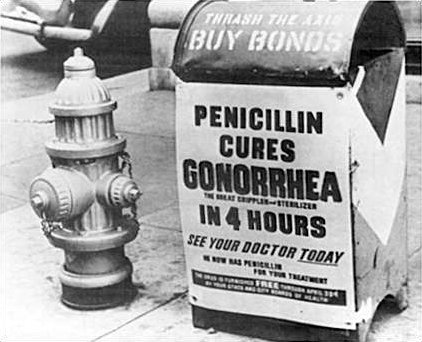
In 1928, Alexander Fleming, a Scottish bacteriologist, was working with bacterial cultures when he noticed something strange: a mold growing in one of his Petri dishes seemed to kill the surrounding bacteria. What began as an unremarkable observation would lead to the discovery of penicillin, the first antibiotic. Penicillin revolutionized the treatment of bacterial infections and saved countless lives. Had this mold not caught Fleming’s eye, the world would have been deprived of one of its most powerful tools against disease.
Lazarus Syndrome
The Lazarus syndrome is a rare and baffling phenomenon where people are revived after being declared clinically dead. While the exact cause is unknown, it remains a medical mystery. Some doctors speculate that during CPR, spontaneous circulation can sometimes return, though this has occurred in only a few documented cases. While we may never fully understand why this happens, it shows that even the most extreme medical failures can sometimes lead to the most miraculous outcomes.
Insulin
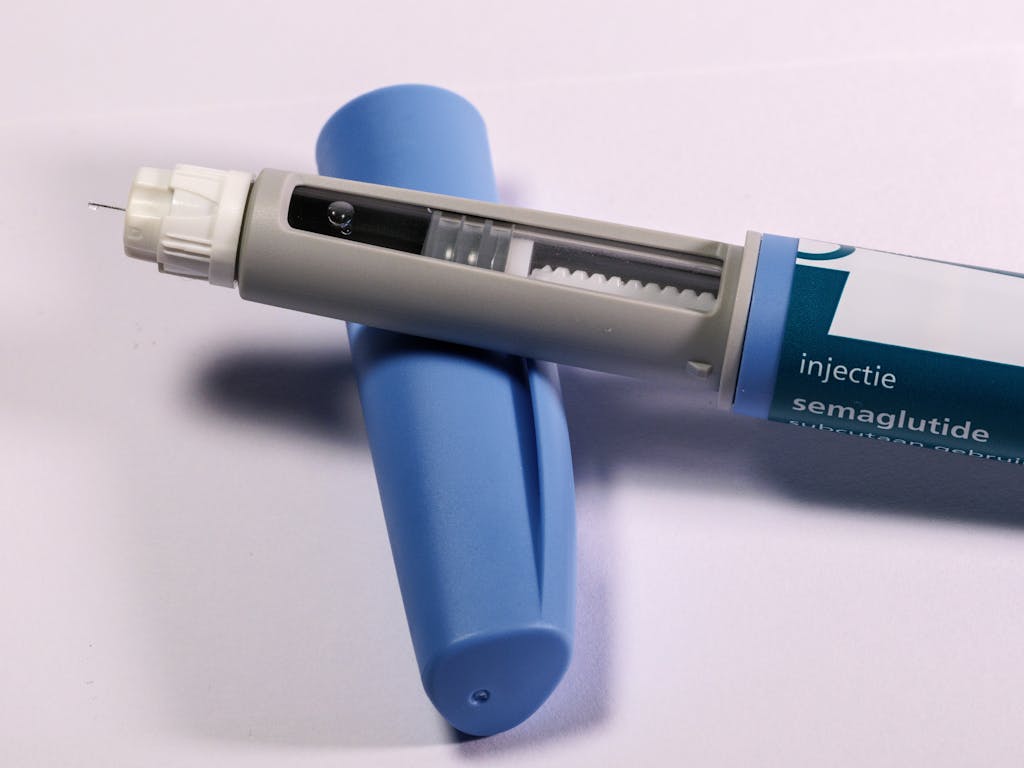
In 1921, a Canadian scientist named Frederick Banting was experimenting with dog pancreases to understand diabetes. During one of his experiments, he accidentally discovered that removing the pancreas and using its secretions could help regulate blood sugar levels. This unintentional discovery led to insulin therapy, a life-saving treatment for diabetes. Before this discovery, diabetes was a fatal disease. Thanks to this “mistake,” millions of people now live with manageable diabetes.
The Accidental Heart Valve
In the late 1950s, Dr. Albert Starr and Dr. Lowell Edwards were developing a heart valve replacement when an unexpected design flaw led them to a breakthrough. The faulty materials they were using helped them realize that a specific combination of synthetic materials could create a valve that could mimic the function of a real heart valve. This “accidental” breakthrough has saved countless lives, as heart valve replacement surgeries are now a routine procedure that can extend and improve the quality of life for people with heart conditions.
Skin Grafts
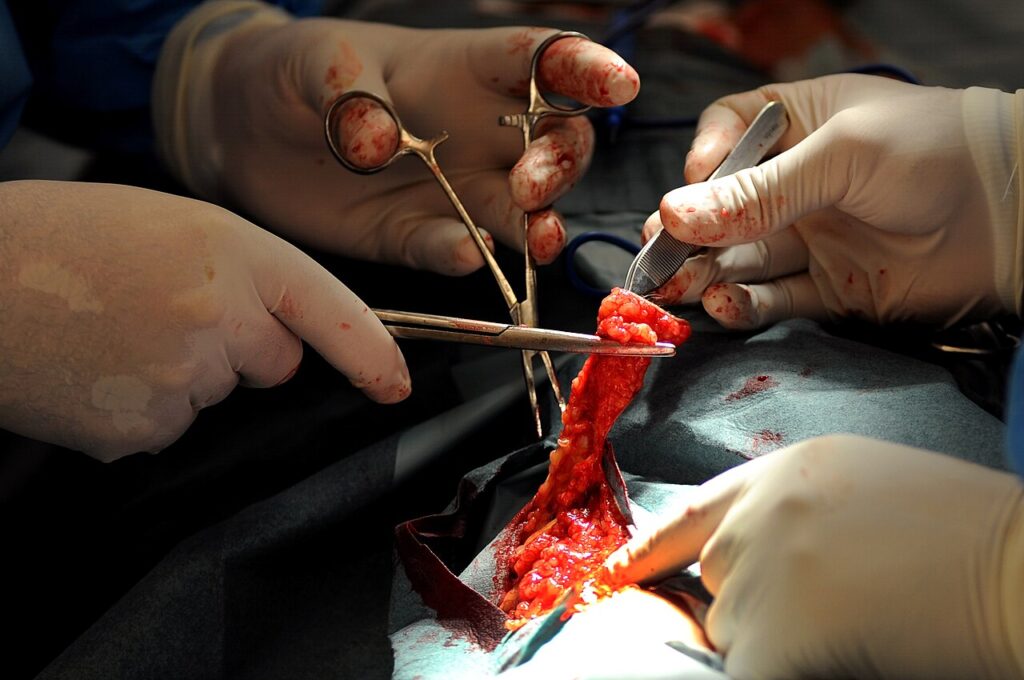
In the aftermath of World War I, doctors discovered that skin grafting techniques could be used to treat severe burns. This “accidental” rediscovery of an ancient medical practice significantly improved the outcomes for burn victims. The technique was further refined over time and is now a standard treatment in burn units worldwide. Skin grafts have given burn survivors the chance for a new life, restoring both their health and appearance.
The Pacemaker
In 1956, Dr. Paul Zoll was conducting research on heart rhythms when he made an accidental discovery that would change cardiology forever. While attempting to treat irregular heartbeats, he found that applying electrical impulses to the heart could restore normal rhythm. This serendipitous breakthrough led to the creation of the pacemaker, a device now essential for treating people with heart arrhythmias. Pacemakers have extended and improved the lives of millions, allowing them to live longer and healthier.