Around the world, food often serves as a window into a culture’s history, traditions, and values. While many of us enjoy familiar flavors, some cuisines take things to the extreme, pushing the boundaries of what most people would consider edible.
These dishes aren’t for the faint of heart or the weak of stomach; they challenge both our senses and our understanding of what’s “normal” when it comes to food. While many of these delicacies may seem repulsive at first glance, they are deeply embedded in the cultures that create them, often representing survival, tradition, and culinary artistry. So, hold your breath (literally) as we explore 10 of the world’s most bizarre, stomach-turning, and culturally significant delicacies.
Casu Marzu
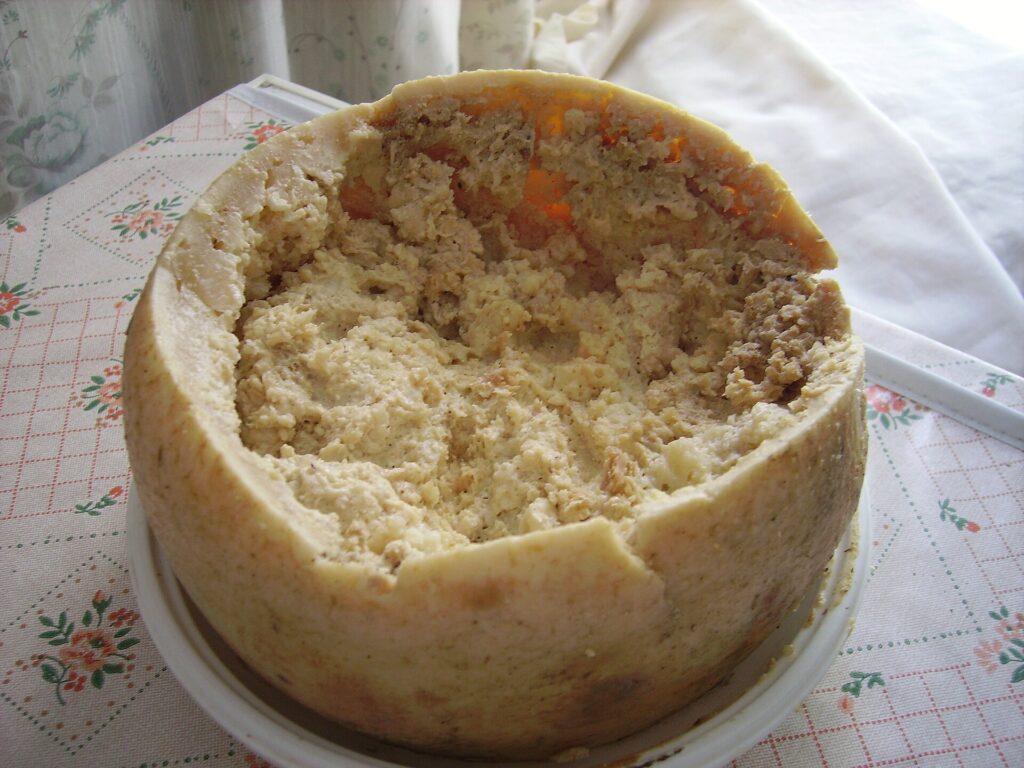
In the rolling hills of Sardinia, Italy, there exists a cheese so unique and so extreme that it’s considered the culinary equivalent of a dare: Casu Marzu. This cheese is deliberately allowed to rot, and during its fermentation process, it becomes infested with live maggots. The maggots feed on the cheese and help break it down, resulting in a soft, creamy texture that some call “buttery,” while others find it utterly repulsive. The cheese is traditionally served with flatbread, and the maggots sometimes jump out as you take a bite.
Despite the grotesque nature of its preparation and the fact that it’s illegal to sell in most places,Casu Marzu is still enjoyed by some Sardinians. Locals argue that the maggots actually enhance the flavor, making it one of the most unique and most feared cheeses in the world.
For those brave enough to try it, Casu Marzu offers an intensely rich, earthy flavor, but for others, it may mark the line between food and horror. This cheese isn’t just about taste; it’s a cultural experience, representing a centuries-old Sardinian tradition that turns rotting into art.
Hakarl
If you think you’ve tasted “strong flavors,” think again. Hakarl from Iceland is a dish that most people can’t even get close to without gagging. The preparation involves taking the meat of a Greenland shark, burying it in the ground for months, and allowing it to ferment.
The resulting product has a pungent, ammonia-like odor so overpowering that even Icelanders can barely tolerate it. Yet, despite its foul aroma and overwhelming taste, Hakarl is considered a traditional Icelandic delicacy, often served in small chunks and washed down with a shot of Brennivín, a potent Icelandic liquor.
The taste? It’s as intense as the smell. The meat is tough, salty, and undeniably pungent. The challenge of Hakarl isn’t just about its flavor; it’s about braving the unbearable stench to appreciate something that’s considered a piece of Icelandic culture and history. This isn’t a dish you casually try; it’s a rite of passage for those looking to experience Iceland at its most authentic, no matter how brutal that experience might be.
Huitlacoche
Huitlacoche, often called “corn smut,” is one of the strangest culinary delights to come from Mexico. While most people view fungi as something to avoid, in this case, it’s an integral part of the dish. Huitlacoche is a corn fungus that infects the kernels, turning them into swollen, gray, spongy blobs.
While the appearance may make some squirm, the flavor is rich and earthy, with a distinct sweetness and smokiness. It’s often used in tacos, soups, and quesadillas, making it a highly versatile ingredient in Mexican cuisine.
What makes Huitlacoche so unique is how it transforms corn. The fungus replaces the sweetness of regular corn with an umami depth that pairs well with savory dishes. While its appearance is undoubtedly off-putting to those unfamiliar with it, Huitlacoche represents a centuries-old tradition in Mexico, where it’s considered a gourmet ingredient. For many, the experience of tasting Huitlacoche goes far beyond the initial shock; it’s a celebration of Mexico’s indigenous ingredients and culinary creativity.
Kiviak
In Greenland, a dish called Kiviak has been a staple for centuries, although it might be one of the most bizarre ways to preserve and consume meat. The preparation involves stuffing hundreds of small birds, typically auks, into the body of a seal, which is then buried in the ground for months. The birds ferment inside the seal’s body, and once the fermentation is complete, they are pulled out and eaten raw. The result is a pungent, decomposed dish that many find utterly revolting, with the fermented birds giving off a strong odor that fills the air.
Despite its off-putting appearance and smell, Kiviak is a highly nutritious food that has historically been vital for survival in Greenland’s harsh climate. For the Inuit people, it represents a connection to their heritage and survival skills, a reminder of how food is sometimes preserved and cherished in the most extreme environments. While most people would never dare try it, Kiviak remains a part of Greenlandic culture, enjoyed during festivals and celebrations.
Virgin Boy Eggs
In the city of Dongyang in China, there exists a tradition that’s as bizarre as it is controversial: Virgin Boy Eggs. These eggs are boiled in the urine of young boys, and the practice dates back hundreds of years. During the spring season, urine from boys under the age of ten is collected, and the eggs are soaked in it before boiling. Local legends claim that consuming these eggs can bring about health benefits, such as improved circulation and vitality.
While many find the idea of eating eggs soaked in urine repulsive, Virgin Boy Eggs are considered a delicacy by locals, particularly during the spring festival. They are believed to have medicinal properties, with some swearing by their ability to boost energy levels. Despite the dish’s strange, off-putting nature, Virgin Boy Eggs are an integral part of the Dongyang cultural experience, offering insight into a tradition that stretches back centuries.
Shirako
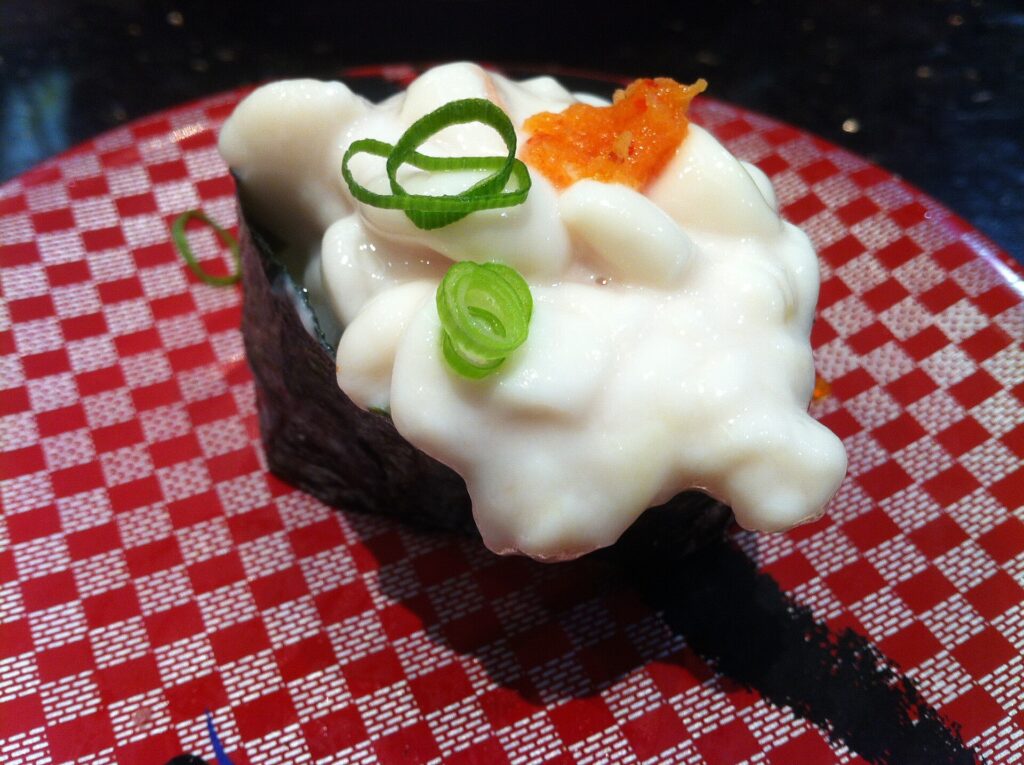
Shirako, or fish sperm sacs, is another delicacy from Japan that may test your culinary limits. Typically made from cod, pufferfish, or salmon, Shirako is often served raw or lightly cooked, and it has a creamy, custard-like texture. While it’s not as challenging as some of the other items on this list, the idea of eating sperm from a fish may be too much for many to stomach.
For those with a more adventurous palate, Shirako is considered a delicacy and is often enjoyed with sake or other spirits. The soft, smooth texture is said to pair perfectly with alcohol, and many people enjoy the dish for its richness. While it might be an acquired taste, Shirako represents a unique part of Japanese culinary tradition that goes beyond the more common dishes most people associate with sushi and seafood.
Century Eggs
At first glance, Century Eggs may appear to be a perfectly ordinary egg, but their deep green yolk and translucent, jelly-like white tell a very different story. These eggs are preserved through a process involving ash, clay, lime, and salt, and are left to ferment for weeks or even months. The result is an egg that has a strong ammonia-like odor and a pungent flavor that many find difficult to get past.
Century Eggs are a popular snack in China and are often served with congee (a rice porridge), pickled ginger, or used in various dishes. For those who can get over the smell and the appearance, the flavor is earthy, salty, and surprisingly complex. Though not for the faint of heart, Century Eggs are an essential part of Chinese culinary culture, often considered a delicacy that embodies the art of preservation and the appreciation of unique flavors.
Shiokara
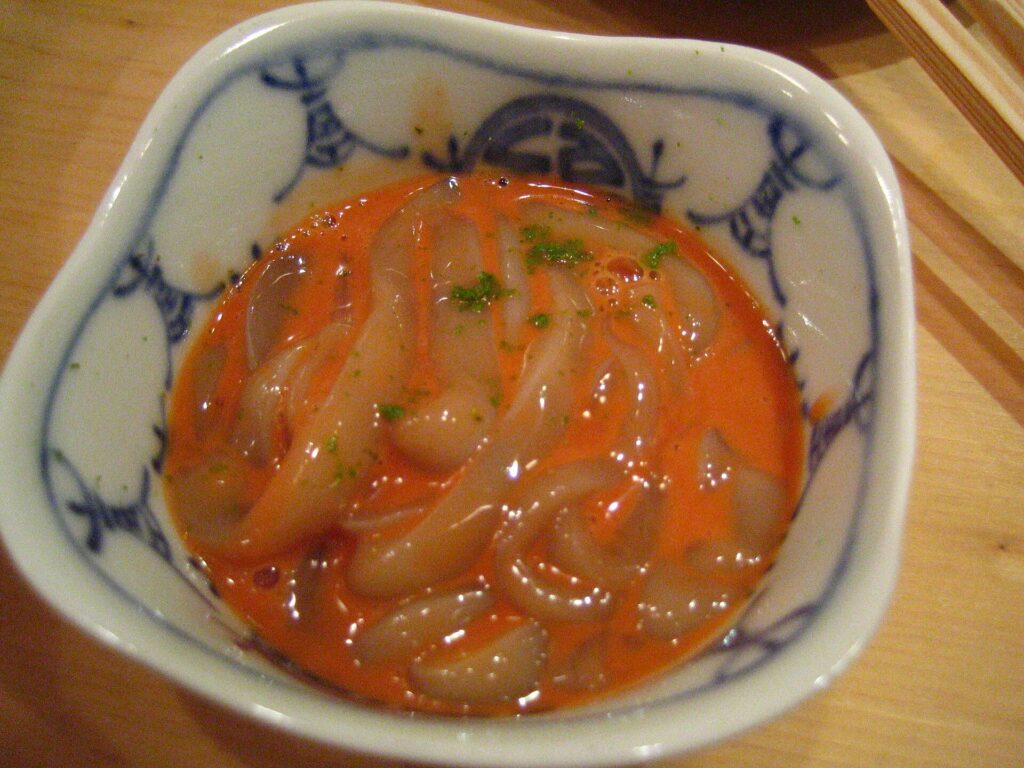
Shiokara is a dish that’s as polarizing as it is pungent. Made from the fermented guts of various seafood, usually squid or cuttlefish, Shiokara is an acquired taste, to say the least. The process involves mixing the seafood with its internal organs and allowing it to ferment in its own juices. The resulting paste is thick, salty, and incredibly viscous, with a taste that’s often described as overwhelmingly strong.
In Japan, Shiokara is typically served as a side dish for drinking, consumed in one large gulp to dull its intensity. The texture is chewy and slimy, and the taste is salty, briny, and quite unlike any other food. For many, it’s a challenge to get past the strong odor and unsettling texture, but for those who can stomach it, Shiokara is a beloved dish that represents Japan’s deep connection to seafood and fermentation.
Stinkheads
Stinkheads, an Alaskan delicacy, is not for the faint of heart. This dish involves fermenting the heads and guts of fish, usually salmon, by burying them in the ground for several weeks. Once the fermentation process is complete, the fish is removed, leaving a foul-smelling, putty-like mass that locals cherish. Despite the unbearable odor, Stinkheads are a central part of Alaskan Inuit culture and are often consumed during celebrations and family gatherings.
The taste is described as strong, salty, and deeply pungent, with a soft, mushy texture. While most outsiders would recoil at the thought of eating fish that’s been buried in the earth for weeks, for many Alaskans, Stinkheads are a beloved tradition, a reminder of their survival skills and connection to the land and sea.
Bird’s Nest Soup
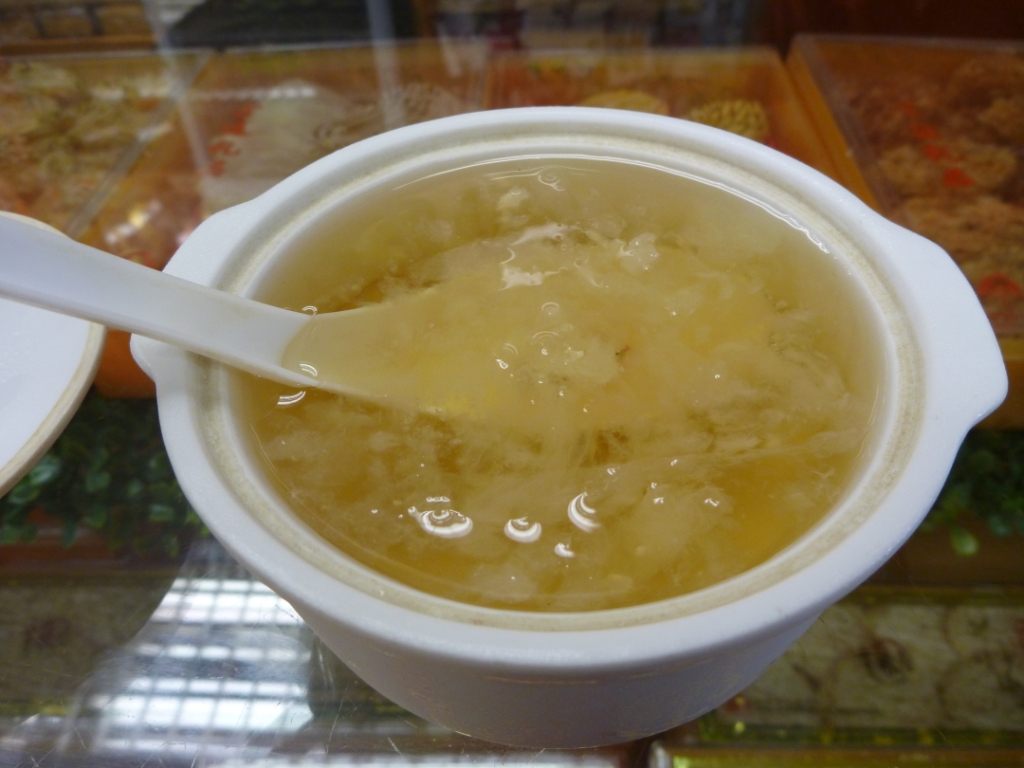
For those seeking luxury in the world of food, Bird’s Nest Soup stands out as one of the most expensive and prized dishes in Chinese cuisine. The nests used to make this soup are crafted from the saliva of swiftlets, a type of cave-dwelling bird. The saliva hardens to form a nest, which is then harvested and boiled into a gelatinous, soothing soup.
While it’s undoubtedly costly, bird nests can fetch thousands of dollars per kilogram. The soup is believed to have numerous health benefits, including improving skin quality and boosting the immune system. Although the idea of consuming bird saliva might be hard for some to swallow, Bird’s Nest Soup remains a delicacy enjoyed by many for its unique texture and purported health properties. The dish is often considered a status symbol, representing wealth and refinement.