Every year, millions of lives are lost to diseases that could be prevented or treated with the right interventions. From cardiovascular diseases to infectious illnesses like HIV and tuberculosis, the world’s deadliest diseases continue to ravage communities, especially in regions where healthcare systems are weak and access to care is limited. While we have made significant strides in medical science, the complexity and scale of these diseases still present major challenges.
In this article, we explore 10 unsettling facts about the world’s deadliest diseases, revealing not only the staggering numbers behind these health crises but also the underlying reasons that contribute to their persistence.
Cardiovascular Disease

Cardiovascular diseases (CVD) remain the leading cause of death worldwide, responsible for over 17 million deaths annually, accounting for nearly one-third of all global deaths. What’s particularly unsettling is how preventable much of this burden is.
High blood pressure, cholesterol, smoking, poor diet, and a lack of exercise are all significant risk factors, yet many of these are controllable with proper lifestyle changes and medication. The disturbing trend is that the rise of obesity and diabetes, both of which contribute to cardiovascular problems, is reaching epidemic levels.
The shocking truth is that many people are unaware of their risk factors, particularly for hypertension, which often goes unnoticed until it leads to serious heart attacks or strokes. Early detection, along with education on the importance of regular exercise, healthy eating, and stress management, can save millions of lives.
However, in low-income countries and underserved populations, access to preventive healthcare remains an enormous challenge, contributing to the continuing global heart disease crisis.
Cancer

Cancer is the second-leading cause of death globally, claiming more than 9.6 million lives each year. However, the unsettling fact is that at least one-third of cancer deaths could be prevented through lifestyle changes.
Tobacco use, poor nutrition, and lack of physical activity are key contributors to many forms of cancer, yet these are largely preventable. For example, lung cancer, the most deadly cancer worldwide, is almost entirely preventable by quitting smoking, and still, smoking rates remain alarmingly high, particularly in developing countries.
What makes cancer such an intimidating adversary is not just its devastating impact but also the complexity of its causes. Genetics plays a role, but much of the risk is tied to modifiable environmental factors. The fact that early screenings and preventive vaccines, like the HPV vaccine, exist for some cancers (like cervical cancer) but are underutilized speaks volumes about the inequality in healthcare access. Raising awareness and ensuring that these tools are available to everyone is crucial for reducing the burden of cancer in the coming decades.
HIV/AIDS
HIV/AIDS has gone from being an immediate global crisis in the 1980s to a disease that still affects millions of people worldwide. Approximately 38 million people are living with HIV, and the disease claims nearly 700,000 lives annually.
However, what’s most unsettling is that children, particularly in sub-Saharan Africa, continue to be disproportionately affected by the virus. A large number of these children are born with HIV due to vertical transmission from mother to child during pregnancy, childbirth, or breastfeeding.
While antiretroviral therapy (ART) has made it possible for people living with HIV to lead long and productive lives, the lack of access to treatment and care in low-resource settings remains a major barrier. The stigma surrounding HIV/AIDS continues to hinder efforts to prevent the spread of the virus, particularly in regions where education and access to safe sex practices are limited.
Despite medical advancements, the disease continues to wreak havoc on communities with poor healthcare infrastructure and limited resources. Governments and NGOs must ramp up efforts to raise awareness, expand treatment access, and provide education about HIV prevention to curb this ongoing epidemic.
Tuberculosis
Tuberculosis (TB) is one of the deadliest infectious diseases worldwide, responsible for 1.5 million deaths annually. What makes TB particularly unsettling is that over a quarter of the global population is infected with the TB bacteria, though many do not develop active disease. Despite this, TB remains one of the top global health threats, particularly in low-income countries with poor healthcare access.
The bacteria that cause TB can lie dormant in the body for years before becoming active, leading to lung damage and even death if left untreated. But what’s even more alarming is the rise of drug-resistant TB, particularly multidrug-resistant TB (MDR-TB), which is much harder and more expensive to treat.
Inadequate access to healthcare, lack of early diagnosis, and the inability to complete the full course of treatment contribute to the spread of MDR-TB, making the global fight against this disease even more complicated. Better healthcare access, global collaboration, and more effective public health strategies are crucial to curbing the rise of TB, especially in high-risk populations.
Diabetes
Diabetes is one of the fastest-growing global health crises. More than 400 million people are living with diabetes worldwide, and the number continues to rise, driven largely by the global obesity epidemic. Type 2 diabetes, which accounts for the vast majority of cases, is largely preventable through healthier lifestyle choices.
Yet, many people remain undiagnosed for years, with serious health complications only emerging when it’s too late. The disease leads to heart disease, kidney failure, and amputations, and is the seventh leading cause of death in the United States.
What makes diabetes particularly insidious is its silent nature in the early stages; many people may live with it for years without showing symptoms. Early detection and lifestyle modifications such as exercise, diet, and blood sugar management can significantly reduce the burden of diabetes, yet global access to these interventions is limited, particularly in developing countries where the cost of insulin and diabetes management is prohibitively high. Tackling the diabetes epidemic requires education, early screening, and greater access to affordable treatment.
Alzheimer’s Disease
Alzheimer’s disease is a progressive neurodegenerative disorder that causes memory loss, confusion, and eventually, loss of independence. It is the sixth leading cause of death in the United States and a growing concern globally as populations age. By 2050, an estimated 16 million Americans will be living with Alzheimer’s, and the global prevalence is set to rise as the population ages.
What makes Alzheimer’s particularly disturbing is the lack of effective treatments. While some medications can slow its progression, there is no cure, and scientists are still grappling with the exact cause of the disease. Early detection is crucial to managing Alzheimer’s, yet the symptoms can often be mistaken for normal aging.
The disease is not only devastating for those who suffer from it, but also for the families and caregivers who bear the emotional and financial burden. With no cure on the horizon, research into preventive measures, early detection, and caregiving strategies remains a top priority for the global health community.
Diarrheal Diseases
Diarrheal diseases are a leading cause of death among children under five, particularly in low-income countries. Rotavirus, E. coli, and cholera are among the most common pathogens that cause diarrhea, leading to severe dehydration, which can be fatal within hours if untreated. 1.7 million children die each year from diarrhea-related illnesses, most of which are preventable through clean water, better sanitation, and vaccinations.
Despite the fact that diarrhea is preventable, the lack of access to clean water and proper sanitation remains a major global issue. Oral rehydration therapy (ORT), a simple and affordable treatment, has saved countless lives, but access to ORT remains limited in many parts of the world. Addressing diarrhea as a public health issue requires improved sanitation infrastructure, expanded healthcare access, and vaccination programs to prevent the spread of the most deadly pathogens.
Chronic Obstructive Pulmonary Disease (COPD)
Chronic obstructive pulmonary disease (COPD), which includes conditions like chronic bronchitis and emphysema, is responsible for more than 3 million deaths worldwide each year. The disease is primarily caused by smoking, air pollution, and occupational exposures to dust and chemicals, yet it remains largely preventable. What makes COPD particularly alarming is its gradual progression; often, patients don’t seek help until the disease has already significantly compromised their lung function.
The main barrier to COPD prevention is smoking, a habit that’s still prevalent in many parts of the world. Although smoking cessation programs have proven effective, the rising levels of urban pollution and exposure to hazardous substances in the workplace continue to contribute to the spread of COPD. In regions where smoking rates are high and air quality is poor, COPD remains a major public health issue that requires more robust prevention programs, treatment access, and public awareness.
Pneumonia

Pneumonia is a serious lung infection that affects millions of people every year. While antibiotics have made it treatable in most cases, it continues to be a leading cause of death, particularly among children under five and the elderly. In developing countries, malnutrition and limited access to healthcare contribute to high mortality rates. Over 150 million new cases of pneumonia occur each year, and despite available treatments, the disease remains a global killer.
The lack of access to affordable antibiotics, combined with inadequate vaccination coverage, makes pneumonia a persistent global health crisis. Increasing access to vaccination, basic healthcare, and improved sanitation would drastically reduce pneumonia-related deaths, particularly in low-resource settings where basic healthcare infrastructure is lacking.
Hepatitis B
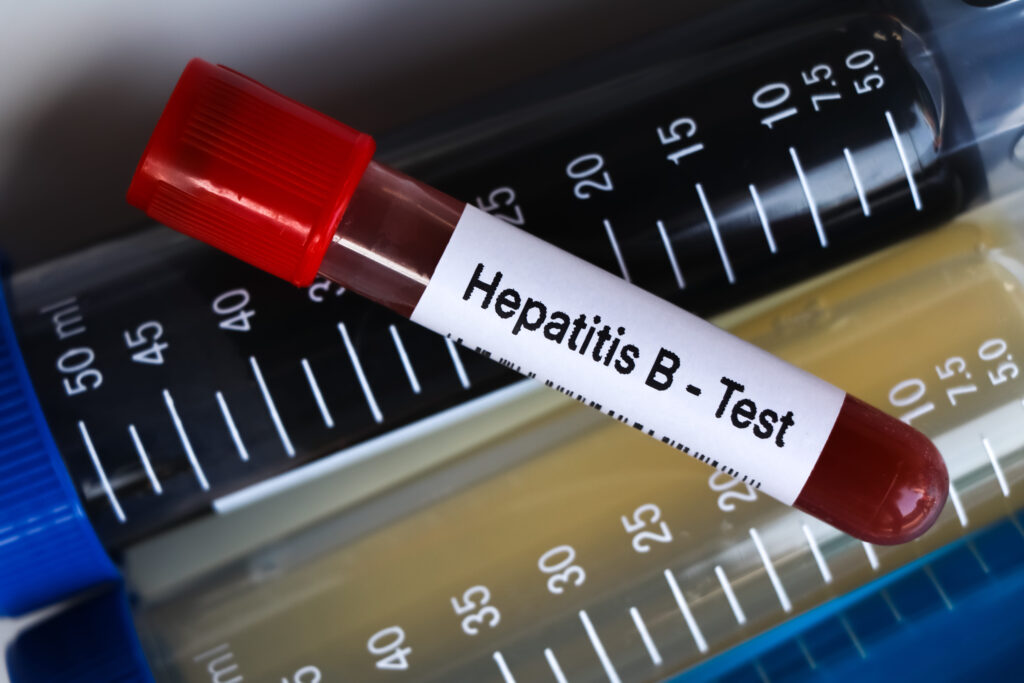
Hepatitis B is a viral infection that attacks the liver and can lead to cirrhosis and liver cancer. More than 300 million people are living with chronic hepatitis B, yet many are unaware of their condition. This disease is preventable through vaccination, but millions remain unvaccinated, especially in developing nations. Those living with chronic hepatitis B are at high risk of developing liver cancer, a fatal disease that claims thousands of lives each year.
The global health community has made significant progress in providing Hepatitis B vaccinations, but access remains uneven. Improving vaccination coverage, particularly in low-income countries, is critical for reducing the global burden of hepatitis B. Additionally, early diagnosis and treatment options for those already infected can prevent liver damage and reduce the likelihood of liver cancer.