The liver plays a crucial role in detoxifying the body, storing essential nutrients, and aiding digestion. However, certain foods can quietly sabotage its functionality without your immediate knowledge. Over time, these seemingly harmless foods may lead to irreversible damage.
Understanding the impact these foods have on your liver can empower you to make choices that support a longer, healthier life.
Fried Foods
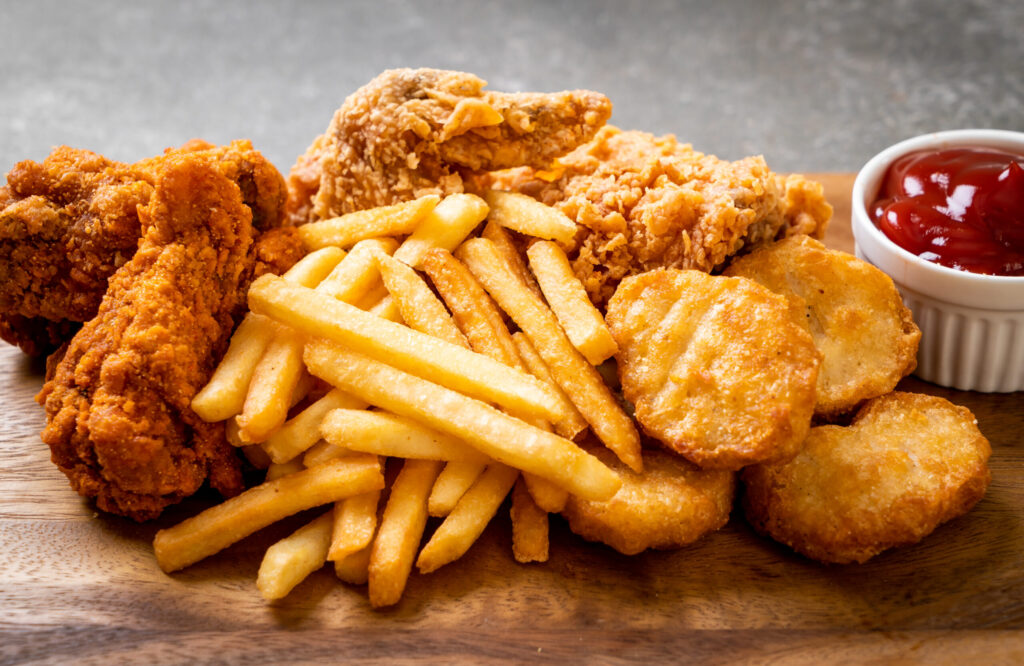
Fried foods are irresistible to many, from crispy fries to golden-fried chicken, but they come at a great cost to your liver. These foods are high in trans fats and unhealthy oils, which increase inflammation and promote fat buildup in the liver. Consuming too much fried food contributes to the development of non-alcoholic fatty liver disease (NAFLD), a condition where excess fat accumulates in liver cells without the presence of alcohol.
As the liver works harder to process these fats, it becomes overwhelmed, leading to further complications like insulin resistance and liver scarring. By cutting down on fried foods, you can reduce your risk of liver disease and support your liver’s ability to function effectively.
Processed Meats
Processed meats such as bacon, sausages, and deli meats are not only high in unhealthy fats and sodium but also loaded with preservatives and chemicals that can burden your liver. These substances increase cholesterol levels and contribute to fatty liver disease by overwhelming the liver’s ability to process toxins.
Regular consumption of processed meats can lead to inflammation, liver scarring, and the development of more severe liver diseases. Choosing fresh, minimally processed protein sources and reducing processed meat intake are simple yet effective ways to support liver health and prevent liver disease.
Sugar
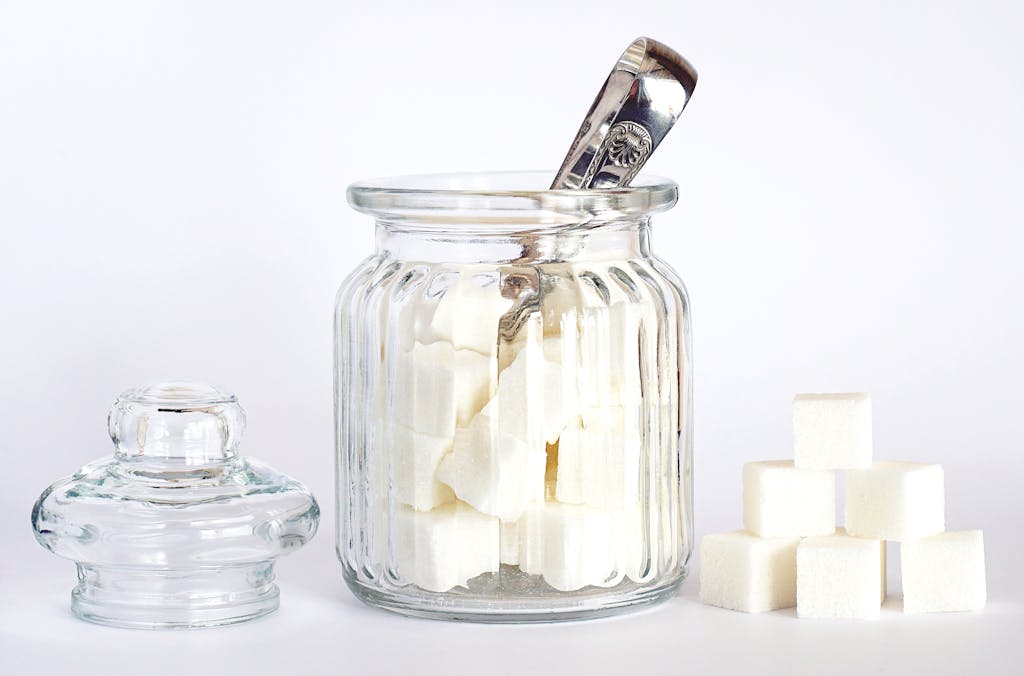
Sugar, particularly high-fructose corn syrup, has a hidden impact on your liver’s health. While it may seem like just a sweet treat, excessive sugar consumption can lead to fatty liver disease. The liver is forced to convert sugar into fat, which gradually accumulates within liver cells. Over time, this fat buildup leads to inflammation, scarring, and an increased risk of developing non-alcoholic fatty liver disease (NAFLD).
Sugary snacks, sodas, and processed foods are often packed with hidden sugars that contribute to liver damage without obvious symptoms. It’s important to reduce your intake of sugary foods and beverages to help your liver process nutrients more efficiently and lower your risk of liver disease.
Alcohol
Alcohol consumption is widely recognized as a leading cause of liver damage. While moderate drinking may seem harmless, excessive alcohol intake overwhelms the liver’s ability to process it, leading to fat accumulation and inflammation. This condition, known as alcoholic fatty liver disease, can eventually progress into more severe liver problems such as alcoholic hepatitis, cirrhosis, and even liver cancer.
Chronic alcohol consumption places significant stress on the liver, impairing its detoxification abilities and its capacity to store nutrients effectively. The longer this strain continues, the more difficult it becomes for the liver to recover, making responsible drinking essential for maintaining liver health.
Refined Carbohydrates
Refined carbohydrates, such as white bread, pasta, and rice, are often consumed without a second thought. However, these processed carbs are quickly converted into sugar, putting a strain on your liver as it processes the influx of glucose. This overload leads to insulin resistance and fat accumulation in the liver.
The more refined carbohydrates you consume, the more difficult it becomes for your liver to keep up with the excessive sugar intake. Opting for whole grains, such as brown rice, quinoa, and whole-wheat bread, provides your liver with the nutrients it needs to function optimally, reducing the risk of fatty liver and improving overall health.
Salt

While it may seem like a small dietary factor, salt plays a significant role in liver health. A high-sodium diet contributes to high blood pressure, fluid retention, and liver strain. Processed foods, fast foods, and canned products are often high in sodium, which can negatively affect liver function over time. Excessive sodium intake can lead to conditions like cirrhosis, where the liver becomes scarred, and its function deteriorates.
It also exacerbates other liver diseases, making it harder for the organ to perform its necessary detoxification processes. By cutting back on salt and choosing fresh, unprocessed foods, you can help your liver maintain its vital functions and reduce the risk of long-term liver damage.
Red Meat

Red meat is often enjoyed as a source of protein, but overconsumption can lead to liver complications. Rich in saturated fats, red meat contributes to fat buildup in the liver, which can trigger inflammation and insulin resistance. Over time, this leads to non-alcoholic fatty liver disease (NAFLD), which makes it harder for the liver to detoxify the body and process nutrients.
While the occasional steak or burger may not cause harm, eating red meat in excess can accelerate the development of liver conditions. Balancing your protein intake with leaner options, such as poultry, fish, and plant-based sources, can reduce the burden on your liver and improve overall health.