Korean cuisine is a vibrant and exciting fusion of flavors, textures, and techniques that have captured the hearts of food lovers worldwide. From the bustling streets of Seoul to the quiet family dinners at home, the heart of Korean culture lies in its food, where each meal is a blend of tradition, health, and taste. If you’ve ever watched a K-drama or Korean film, you’ve probably seen characters enjoying a variety of mouth-watering dishes that highlight the richness of Korean food. Here’s a comprehensive guide to the top 10 Korean dishes that are a must-try, each bringing its unique charm to the table.
Bibimbap
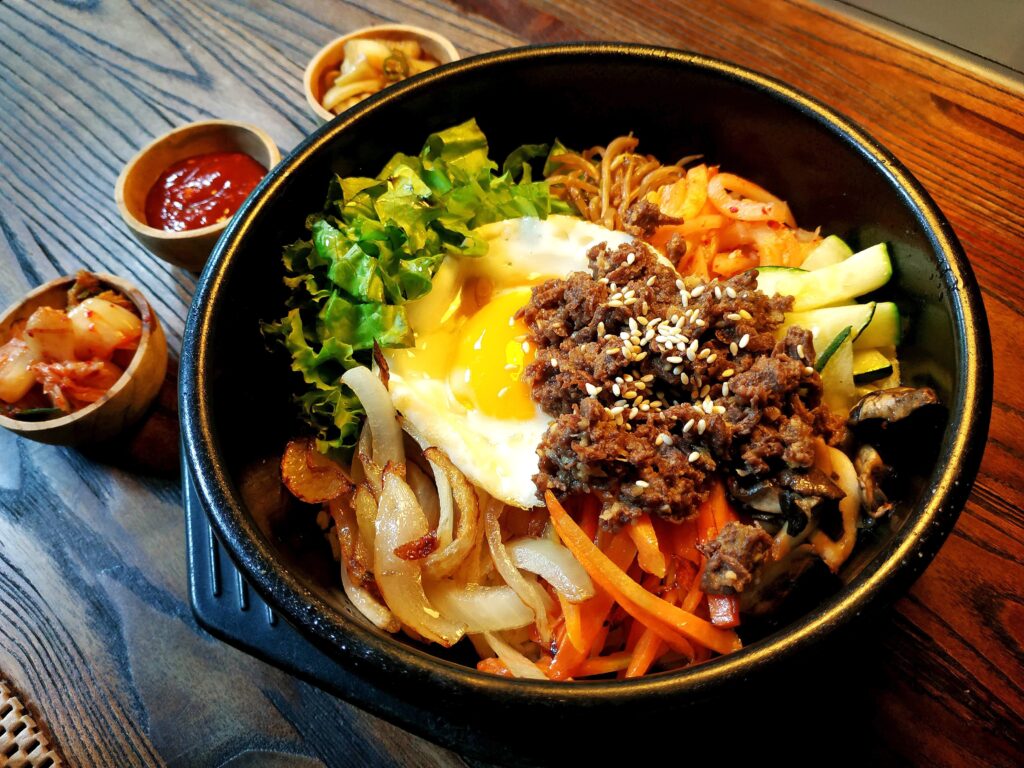
One of the most iconic dishes in Korean cuisine, bibimbap, is a harmonious blend of rice, vegetables, eggs, and sometimes meat, all served with a dollop of spicy gochujang (Korean chili paste). The beauty of bibimbap lies in the simplicity of its ingredients, meticulously arranged on a bowl of steamed rice. The real magic happens when you mix everything together, creating a rich, spicy, satisfying symphony. Its versatility means you can customize it to your liking, with options ranging from bulgogi beef to tofu or a sunny-side-up egg for a vegetarian option.
Seolleongtang
Seolleongtang is a soothing beef bone soup made by simmering beef bones for hours to extract their rich flavors and nutrients. The result is a cloudy, white broth that’s full of umami. The soup is typically served with thinly sliced beef and radish, and a bowl of steamed rice is often added to the soup itself. A dash of salt and pepper can be added to taste, allowing you to personalize the flavor. This hearty soup is often enjoyed for breakfast or as a remedy for a long day.
Kimchi
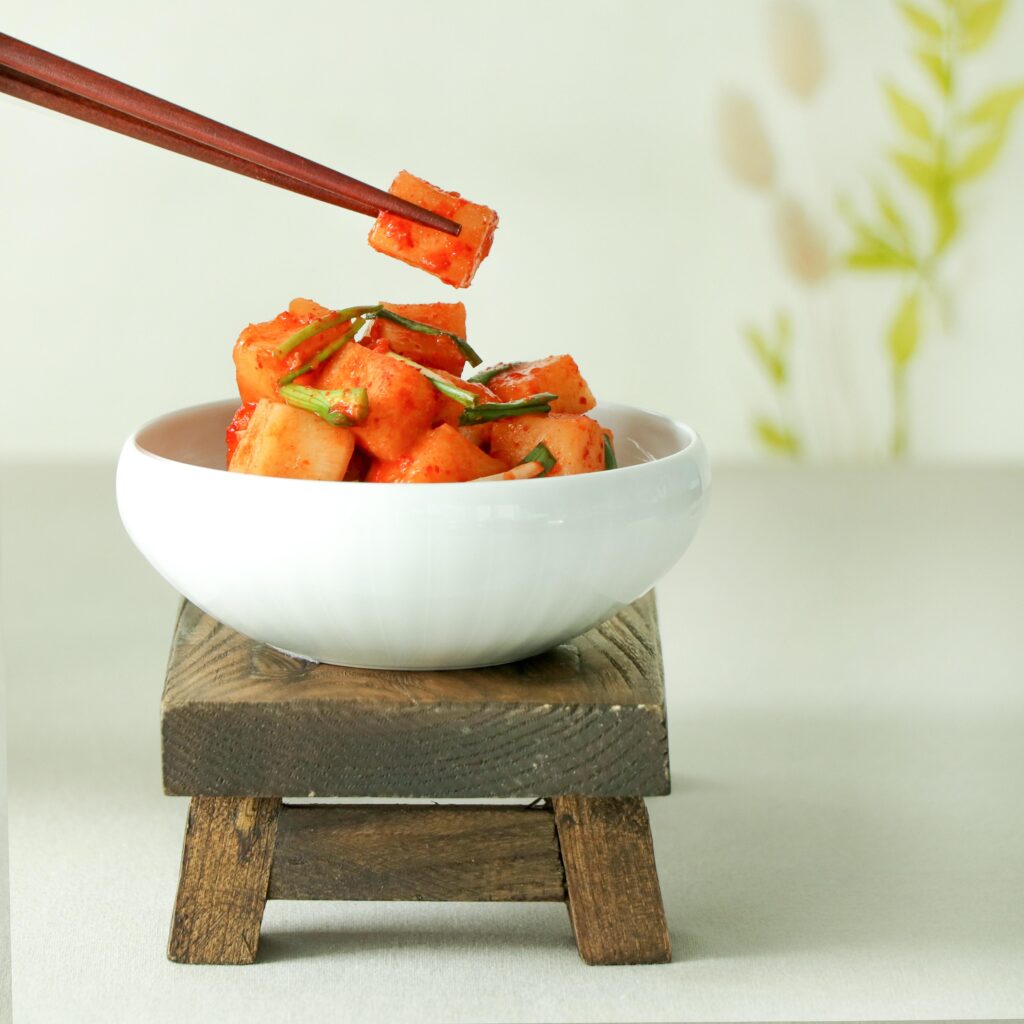
Kimchi is perhaps the most famous Korean dish, often called the national dish of Korea. Made from fermented napa cabbage mixed with garlic, ginger, chili flakes, and a variety of other spices, kimchi is tangy, spicy, and packs a punch in terms of flavor. Its health benefits are equally impressive, as it’s loaded with probiotics and vitamins. Traditionally eaten with every meal, kimchi can also be incorporated into stews and fried rice, and even used as a filling for Korean sushi rolls (kimbap). Whether fresh or fermented, kimchi is an essential part of any Korean meal.
Samgyeopsal
Samgyeopsal, or Korean BBQ pork belly, is a fun, interactive dining experience that’s popular in Korea. Thick slices of pork belly are grilled at the table, and diners dip the cooked meat into a savory dipping sauce before wrapping it in lettuce with garlic, sesame oil, and a spoonful of rice. The rich, crispy pork paired with the fresh, crunchy veggies creates a balanced bite that’s both savory and refreshing. It’s often enjoyed with a cold glass of soju (Korean rice liquor) or beer.
Bulgogi
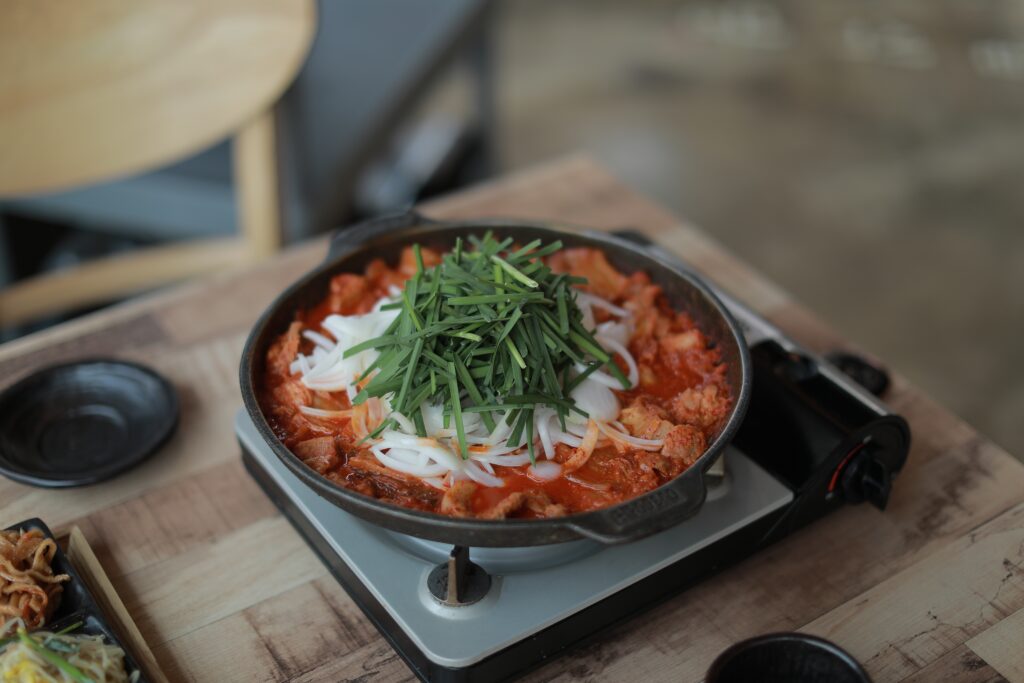
Bulgogi, meaning “fire meat,” is one of the most well-known dishes outside of Korea. Thinly sliced beef is marinated in a mix of soy sauce, sesame oil, garlic, and sugar, then grilled or stir-fried to perfection. The marinating process allows the meat to absorb all the sweet, savory, and aromatic flavors, resulting in tender, juicy bites. Often served with steamed rice and accompanied by a variety of side dishes, bulgogi is a must-try for anyone looking to experience the essence of Korean barbecue.
Banchan
Banchan refers to the variety of small side dishes that are served alongside a Korean meal. These dishes range from pickled vegetables, kimchi, and savory pancakes to stir-fried mushrooms, potatoes, and seaweed. While each restaurant or family may have its own variations, banchan always complements the main dishes and adds variety in textures and flavors to the meal. Sharing banchan with others is an important part of the Korean dining experience, making it both a communal and delicious way to eat.
Soondubu Jjigae
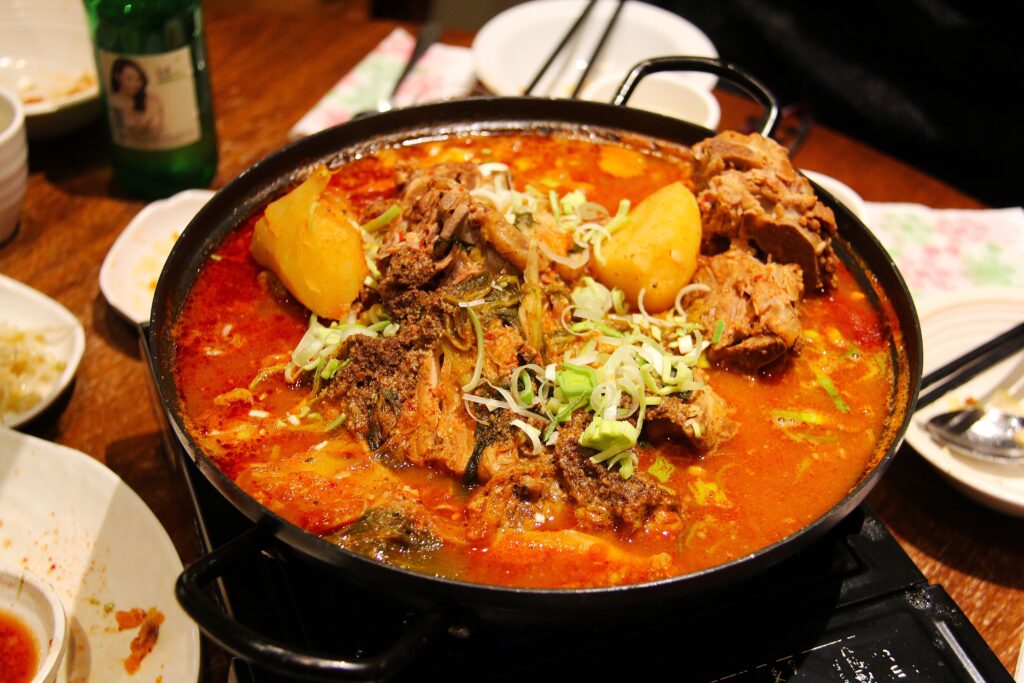
Soondubu jjigae is a comforting Korean stew made with soft, silken tofu, vegetables, seafood, or pork, all simmered in a spicy, flavorful broth. The tofu absorbs the broth’s flavor while retaining its smooth, silky texture, making each spoonful a delight. It’s typically served piping hot in a stone pot, making it a perfect dish for colder weather. Add some steamed rice and kimchi on the side, and you’ve got a hearty, satisfying meal.
Ddeokbokki
Ddeokbokki is a beloved street food often served by vendors in Seoul’s bustling streets. These chewy rice cakes are simmered in a sweet and spicy gochujang-based sauce, creating a perfect blend of flavors that’s irresistible. The dish can be customized with additional ingredients such as fish cakes, boiled eggs, and vegetables. Whether as a snack or a quick meal, ddeokbokki’s unique texture and flavor make it a favorite among locals and tourists alike.
Japchae
Japchae is a delicious stir-fried noodle dish made with sweet potato starch noodles (also called glass noodles), vegetables, and a savory sauce made from soy sauce, sugar, and sesame oil. The noodles are chewy and slightly sweet, making them the perfect complement to the tender vegetables and marinated meat (often beef or pork). Japchae is a versatile dish, commonly served during holidays and special occasions, but also enjoyed as a simple weeknight meal.
Hoddeok
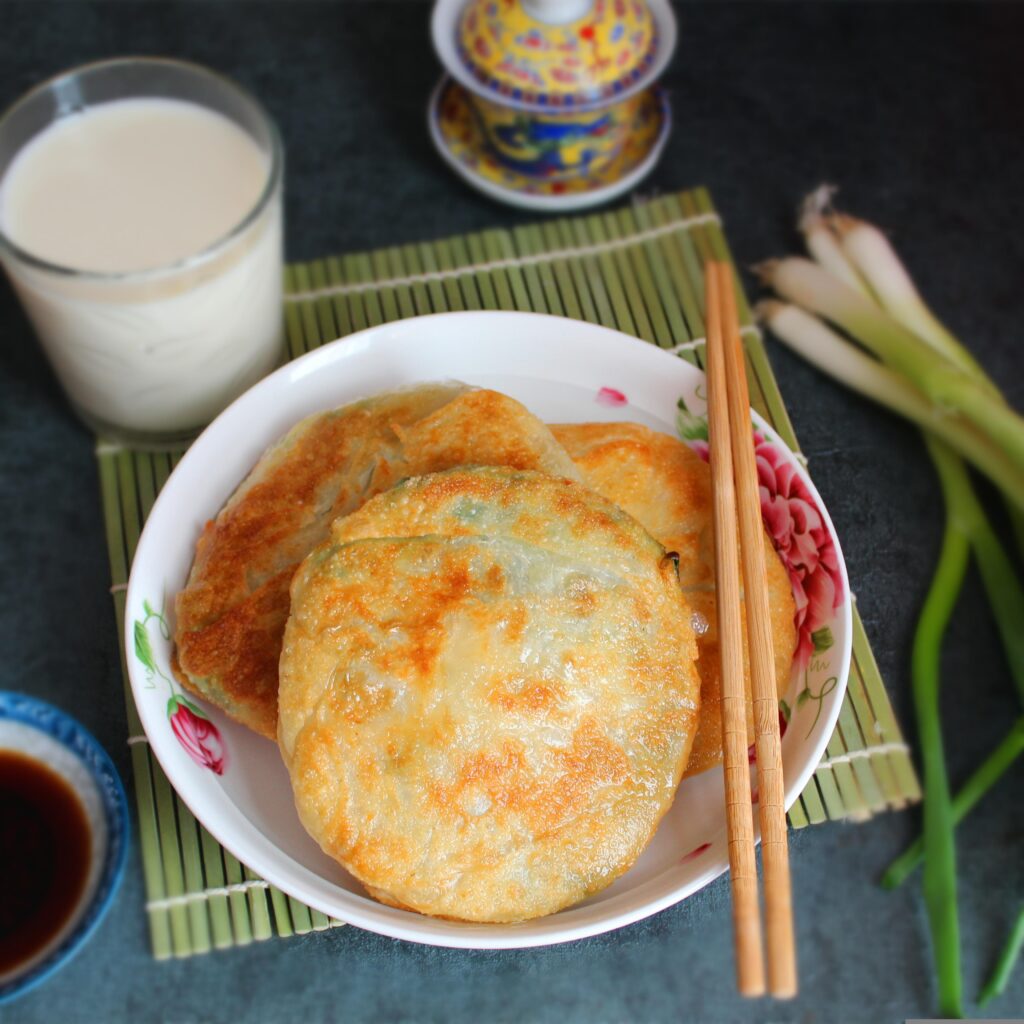
Hoddeok is a popular Korean street food, especially enjoyed during winter. These round pancakes are filled with a sweet mixture of brown sugar, cinnamon, and crushed peanuts, which caramelize as they cook, creating a crunchy, syrupy filling. The pancakes are crisp on the outside and soft on the inside, making them a perfect treat for those with a sweet tooth. Whether you’re visiting Korea or making them at home, hoddeok is a must-try dessert.
Conclusion
Korean cuisine offers a unique and delightful combination of flavors, textures, and ingredients that continue to win the hearts of food lovers worldwide. From the fiery heat of kimchi and soondubu jjigae to the savory satisfaction of bulgogi and samgyeopsal, there is a Korean dish to suit every palate. The beauty of Korean food lies in its variety, its balance of flavors, and the communal experience of sharing meals with others. Whether you’re a seasoned foodie or new to Korean cuisine, these 10 dishes are an excellent starting point to explore the rich culinary heritage of Korea.