Fermented foods have been consumed for centuries, but their health benefits have only recently gained widespread recognition. These foods are rich in live cultures, probiotics, and enzymes that support digestive health, boost the immune system, and improve overall well-being. In this article, we will explore 10 of the best fermented foods, explain why they are beneficial, and how they can enhance your health.
Yogurt
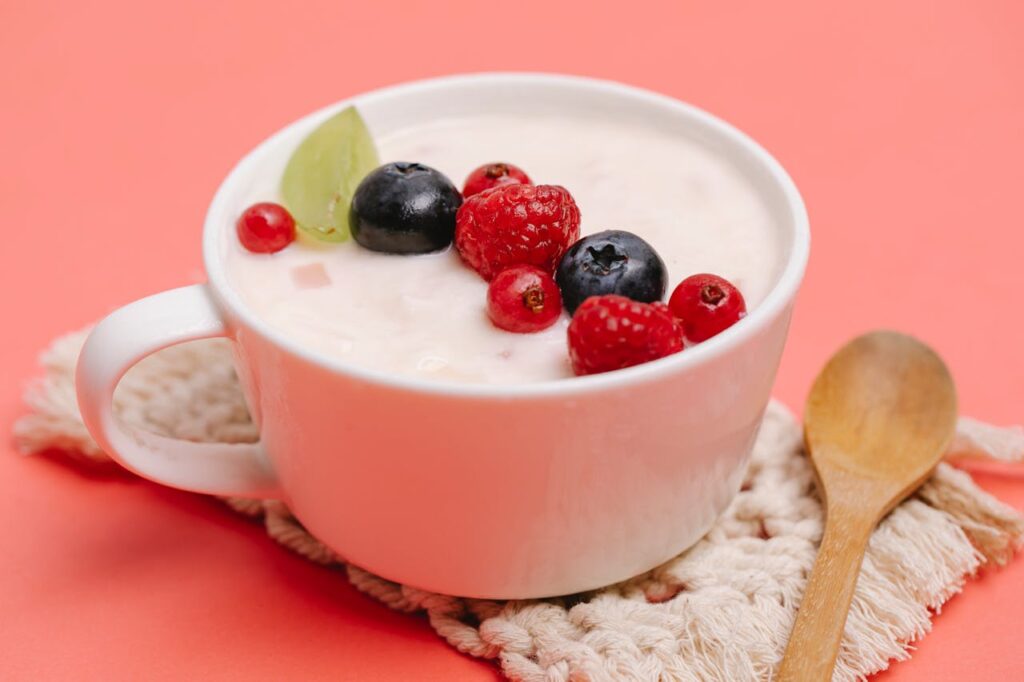
Yogurt is one of the most popular fermented foods, and for good reason. Made from milk and bacterial cultures such as Lactobacillus and Bifidobacterium, yogurt is rich in probiotics that help maintain gut health. The live cultures in yogurt can help restore the balance of good bacteria in the intestines, thereby improving digestion and supporting the immune system. Additionally, yogurt contains calcium and protein, which are essential for bone health and muscle repair. For those who are lactose intolerant, fermented yogurt is easier to digest because the fermentation process breaks down lactose.
Tempeh
Tempeh is a fermented soy product that originated in Indonesia. It is made by fermenting cooked soybeans with a starter culture, which binds them into a firm, cake-like mass. Tempeh is an excellent source of plant-based protein, making it a popular choice for vegetarians and vegans. The fermentation process breaks down the anti-nutrients in soybeans, allowing for better nutrient absorption. Tempeh is rich in probiotics, fiber, and essential vitamins and minerals, such as iron and calcium. It is also high in isoflavones, compounds that may help improve heart health and reduce the risk of certain cancers.
Kimchi

Kimchi, a staple of Korean cuisine, is made from fermented vegetables, primarily napa cabbage and radishes, with chili pepper, garlic, ginger, and fish sauce. It’s packed with beneficial bacteria that promote a healthy gut microbiome. The fermentation process increases the bioavailability of vitamins, especially vitamin C and antioxidants. Kimchi’s probiotics support digestion, reduce inflammation, and even improve immune function. Its spicy flavor also comes from capsaicin, which has been shown to support weight loss by increasing metabolism.
Kefir
Kefir is a fermented dairy drink similar to yogurt but with a thinner consistency. It is made by fermenting milk with kefir grains, which contain a combination of bacteria and yeasts. Kefir is known for its ability to improve digestion, reduce bloating, and enhance immune function due to its high probiotic content. It also contains essential vitamins and minerals such as vitamin B12, calcium, and magnesium. Kefir’s unique blend of probiotics may have even more diverse microbial strains than yogurt, making it a fantastic option for improving gut health.
Pickles
Pickles, specifically those made through natural fermentation, offer significant health benefits. Unlike vinegar-based pickles, naturally fermented pickles are created using salt and water, allowing beneficial bacteria to thrive. These probiotics promote gut health, improve digestion, and support immune function. Pickles are also rich in antioxidants and can help reduce oxidative stress. However, it’s important to choose naturally fermented pickles, as many commercially available options are pasteurized, which destroys the beneficial bacteria.
Miso

Miso is a traditional Japanese condiment made from fermented soybeans, rice, or barley. It is known for its deep, savory umami flavor, which comes from the fermentation of starches and proteins. Miso is rich in probiotics, which help maintain gut health, improve digestion, and reduce inflammation. It’s also a source of antioxidants, which help protect the body’s cells from oxidative stress. Miso has been linked to improved heart health due to its ability to reduce blood pressure and lower cholesterol levels. It’s also rich in protein, making it an excellent addition to plant-based diets.
Sauerkraut
Sauerkraut, made from finely chopped cabbage that has been fermented with salt, is a popular side dish in many European cuisines. The fermentation process increases the cabbage’s vitamin C content, supports the growth of beneficial bacteria, and enhances its digestibility. Sauerkraut is particularly beneficial for improving digestion, reducing constipation, and boosting the immune system. Additionally, it is rich in fiber, which supports bowel health and can contribute to weight loss by promoting fullness. The antioxidants in sauerkraut also help reduce inflammation in the body.
Natto
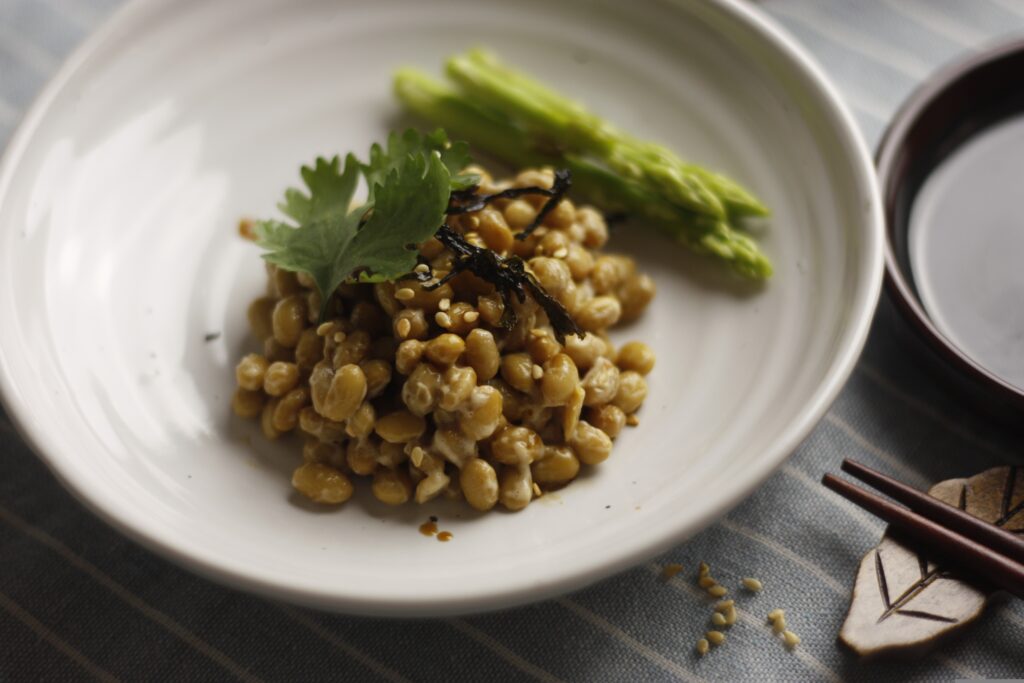
Natto is a traditional Japanese food made from fermented soybeans. It has a sticky, stringy texture and a strong flavor that may take some getting used to, but its health benefits are undeniable. Natto is one of the best sources of vitamin K2, a nutrient that plays a crucial role in bone health by promoting calcium absorption and preventing arterial calcium buildup. It’s also rich in probiotics, which support gut health, and contains nattokinase, an enzyme that may help reduce blood clotting and improve heart health. Regular consumption of natto has been associated with lower cholesterol levels and improved cardiovascular health.
Kombucha
Kombucha is a fermented tea that has gained worldwide popularity for its purported health benefits. It is made by fermenting sweetened tea with a symbiotic culture of bacteria and yeast (SCOBY). Kombucha is rich in probiotics, organic acids, and antioxidants, which help improve gut health, support the immune system, and detoxify the body. It’s also known for boosting energy levels, improving liver function, and promoting healthy digestion. The antioxidants in kombucha help protect cells from oxidative damage, while the organic acids support healthy pH levels in the stomach.
Sourdough Bread
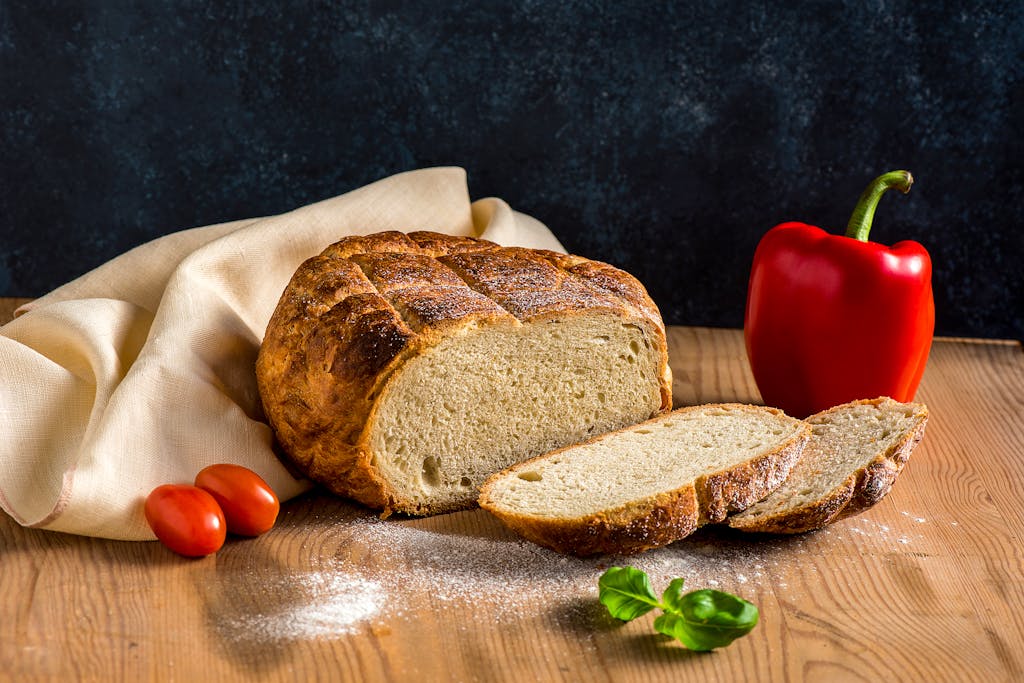
Sourdough bread is one of the oldest forms of bread, made by fermenting flour and water with naturally occurring wild yeasts and bacteria. The long fermentation process makes sourdough easier to digest than other breads, as it breaks down gluten and phytic acid, which can interfere with nutrient absorption. Sourdough is also rich in probiotics, which contribute to a healthy gut microbiome. The fermentation process also lowers the bread’s glycemic index, making it a better option for those managing blood sugar levels. Sourdough’s combination of fiber, probiotics, and slow-digesting carbohydrates makes it a great addition to a balanced diet.
Conclusion
Fermented foods are a fantastic way to improve digestion, enhance immune function, and boost overall health. They are rich in probiotics, beneficial bacteria, and essential nutrients that support gut health, reduce inflammation, and promote heart and bone health. Whether you enjoy kimchi, yogurt, sauerkraut, or kombucha, adding these foods to your diet can help you reap their many health benefits. As with any food, it’s essential to choose high-quality, naturally fermented products to maximize the benefits.
By making fermented foods a regular part of your meals, you can take advantage of their incredible health-promoting properties and enjoy a balanced, nutrient-rich diet.