Diners have long been the heart of casual American dining, offering everything from classic breakfasts to all-day comfort foods. Walking into a diner can feel like stepping into a paradise of endless options. Omelets, burgers, fries, and pies fill the menu, seemingly satisfying every craving. However, the excitement of choice can be deceiving. Some items, due to poor preparation methods, low-quality ingredients, or even food safety concerns, are best avoided. Making informed decisions about what to order ensures that your experience is both safe and satisfying. Below, we dive into the diner menu items you should approach with caution and why they’re often better skipped.
Pasta: The Shortcut Trap
Pasta may seem like a safe, comforting choice, but diners often rely on canned sauce or pre-packaged noodles instead of crafting a fresh dish. This shortcut diminishes flavor and texture, leaving you with a plate that tastes uniform, salty, and underwhelming compared to homemade alternatives.
The sauce may lack the depth of slow-simmered tomatoes, herbs, and spices, while the noodles often lose their al dente texture during reheating. Many diners also add pre-grated cheese or artificial flavor enhancers, making the dish heavy and unbalanced. While pasta is quick to prepare, the resulting quality rarely justifies the cost or calories. For those craving true Italian flavors, homemade or specialty restaurant pasta is always a safer bet.
Soup and Chili: A Game of Cans
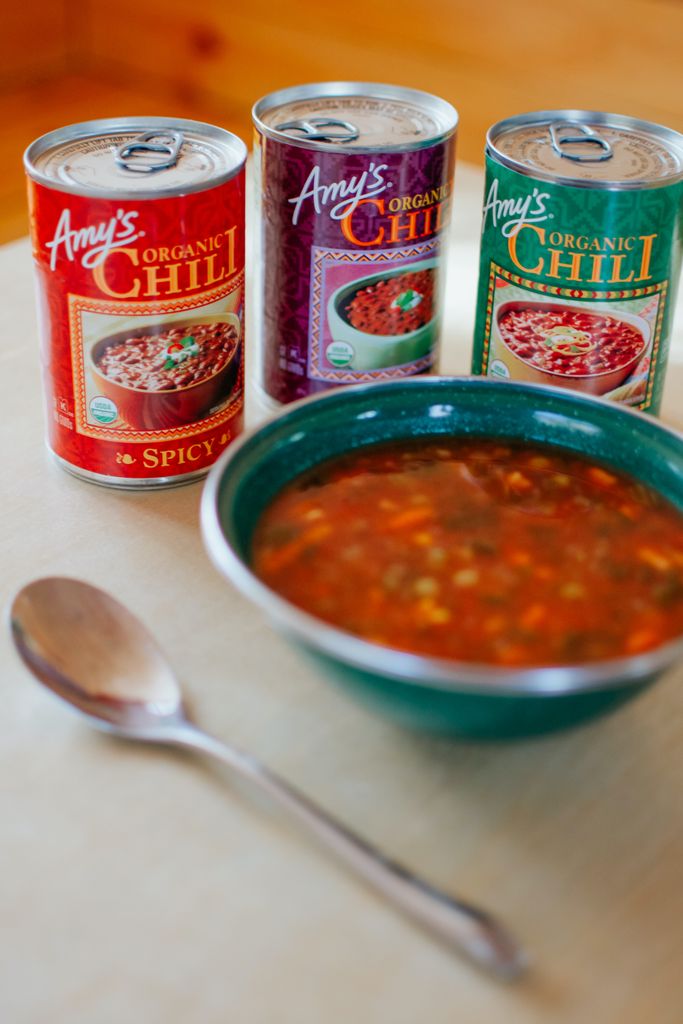
Diners are notorious for serving soup and chili made from canned soup rather than fresh ingredients. Although quick and convenient for busy kitchens, these pre-packaged options are often overly salty and devoid of real flavor depth. Unlike a slow-cooked pot of chili, canned soups lack complexity and freshness.
Additionally, reheated cans may contain preservatives and additives that affect both taste and nutritional value. The risk of ordering something bland or overly processed is high unless the diner is well known for its housemade recipes. For a satisfying meal, seek in-house soups or choose entrees where chefs craft sauces and broths from scratch.
Salads: Soggy Greens and Bland Dressings
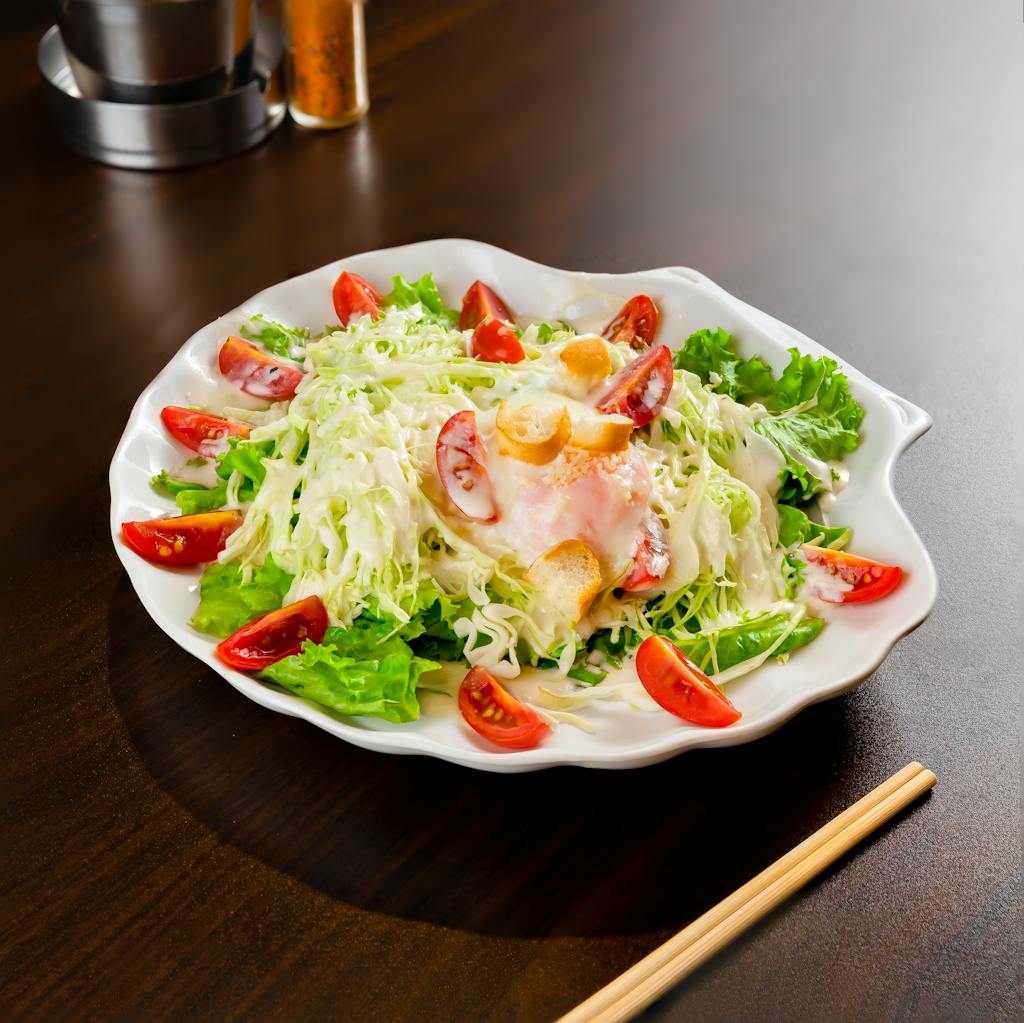
Salads can appear healthy, but many diners assemble them hastily with iceberg lettuce, limp vegetables, and generic bottled dressings. This often results in a lackluster combination of textures and flavors, burying whatever nutrients may remain under overly salty or sweet sauces. Some diners may pre-cut vegetables days in advance, leaving them wilted or dry.
The “freshness” often promised on the menu rarely matches reality. Opting for salads at restaurants that focus on seasonal produce, or preparing your own at home, ensures crispness, flavor, and a meaningful intake of vitamins and minerals. A diner salad can look impressive but often fails to deliver the taste or nutrition you’re expecting.
Alfalfa Sprouts: Food Safety Risk
Alfalfa sprouts are among the riskiest foods on a diner’s menu due to their susceptibility to bacterial contamination, including Salmonella, E. coli, and Listeria. The warm, humid growing conditions required for sprouts also allow microbes to thrive, and since they are typically served raw or lightly cooked, contamination can be severe.
In recent years, outbreaks have been traced directly to alfalfa sprouts sold in stores and restaurants. Even when properly handled, they pose a higher risk than most other vegetables. Diners rarely have the infrastructure to safely wash and serve sprouts, so avoiding them entirely is a smart choice.
Scrambled Eggs: Powder Problems

While scrambled eggs are a breakfast, many diners cut costs by using powdered mixes rather than fresh eggs. These mixes can contain additives, preservatives, and even gluten, reducing both flavor and nutritional quality.
The texture is often rubbery or dry, lacking the creaminess of eggs cooked fresh in butter or olive oil. For health-conscious diners or anyone seeking a satisfying breakfast experience, fresh eggs or omelets provide a vastly superior alternative. Powdered eggs may save time in the kitchen, but they compromise taste, texture, and quality.
Poached Eggs: Kitchen Chaos
Poached eggs require precision and timing, making them difficult to execute consistently in busy diner kitchens. A slightly mishandled poached egg can result in undercooked whites or broken yolks, frustrating both cooks and diners alike. In diners with high turnover, poached eggs often suffer due to rushed preparation or overcrowded stovetops.
For a safer and more predictable breakfast, consider fried or boiled eggs, which are easier to execute at scale while still providing a familiar, protein-rich start to the day. Poached eggs may be elegant, but the diner environment rarely allows for perfection.
Cream Pastries: Hidden Hazards
Cream-filled pastries, puddings, and custards carry a significant food safety risk if improperly handled or stored. Staphylococcus aureus contamination can occur if desserts are kept at unsafe temperatures or handled carelessly, as has happened in multiple outbreaks.
Unlike baked items, these cream-based dishes are not cooked after assembly, leaving bacteria intact. Diners may lack the rigorous temperature monitoring found in high-end bakeries, increasing the risk. For dessert, choose baked or fully cooked options to reduce the likelihood of illness while still indulging your sweet tooth.
Seafood Dishes: Risky Raw Options
Raw or undercooked seafood, oysters, sushi, or ceviche pose a high risk for Vibrio and other bacterial infections. Contaminated seafood can appear normal and even taste fine, making detection impossible without lab testing.
Diners that do not specialize in seafood may cut corners on storage or preparation, compounding the risk. Even mildly undercooked seafood can lead to gastrointestinal distress or more severe illness. Cooked seafood, like grilled shrimp or pan-seared fish, offers the same flavor enjoyment while significantly reducing health risks.
Burgers: The Undercooked Menace
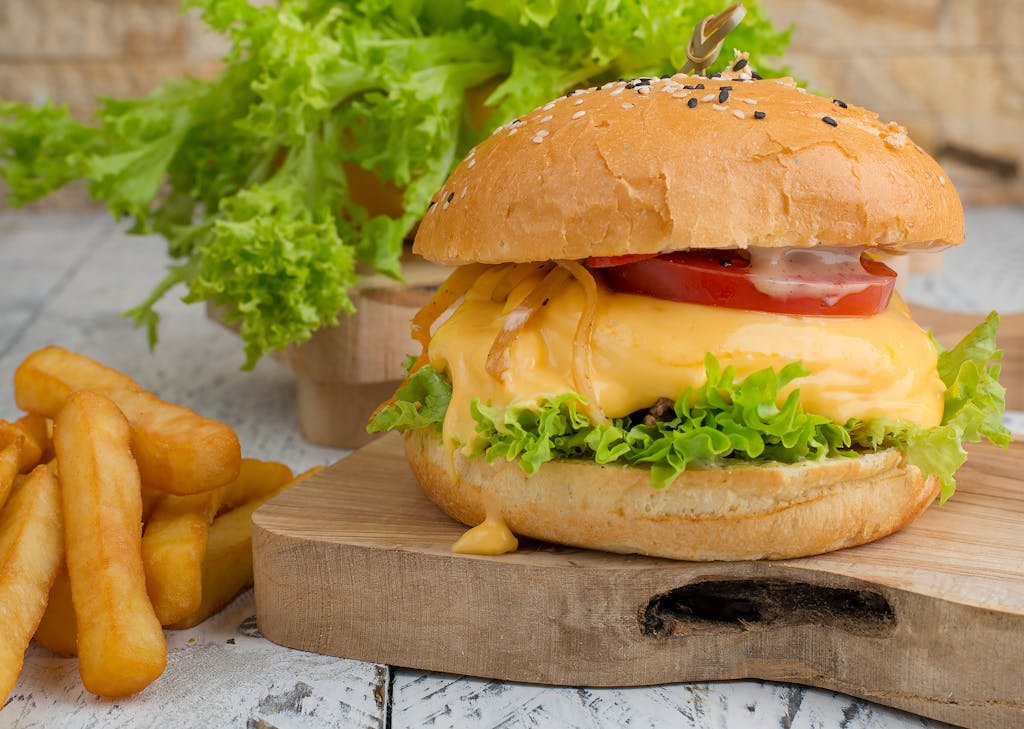
Diners often rely on ground beef sourced from bulk suppliers, which may harbor E. coli, Clostridium perfringens, and Staphylococcus aureus. Busy kitchens may undercook burgers in a rush, leading to contamination risks.
Even when cooked properly, inconsistencies in temperature or thickness can affect safety and texture. Opting for fully cooked meat, plant-based patties, or alternative proteins ensures you enjoy a safe and flavorful meal without unnecessary risk. A juicy burger is appealing, but your health comes first.
Meatloaf: Thick but Tricky
Dense meatloaf requires careful cooking to ensure the interior reaches safe temperatures. Thick portions can remain undercooked even when the exterior is cooked, creating food safety hazards. Diners may also reheat portions multiple times, which can affect flavor, texture, and moisture.
For a reliable dining experience, consider alternative meat dishes like grilled chicken or oven-roasted options that are easier to prepare evenly. Meatloaf can be comforting, but the diner environment makes it unpredictable.
Deli Sandwiches: Stale Ingredients
Deli sandwiches in diners may be made with prepackaged meats or vegetables that have been stored for days. Ingredients can be dry, tasteless, or lacking freshness, resulting in a subpar meal experience.
Even when the bread is fresh, the fillings often fall short. Choosing hot sandwiches, wraps, or freshly prepared items ensures quality, safety, and flavor. Stale ingredients may save kitchens time, but they rarely satisfy diners expecting a fresh, hearty lunch.
French Fries: Grease and Reuse
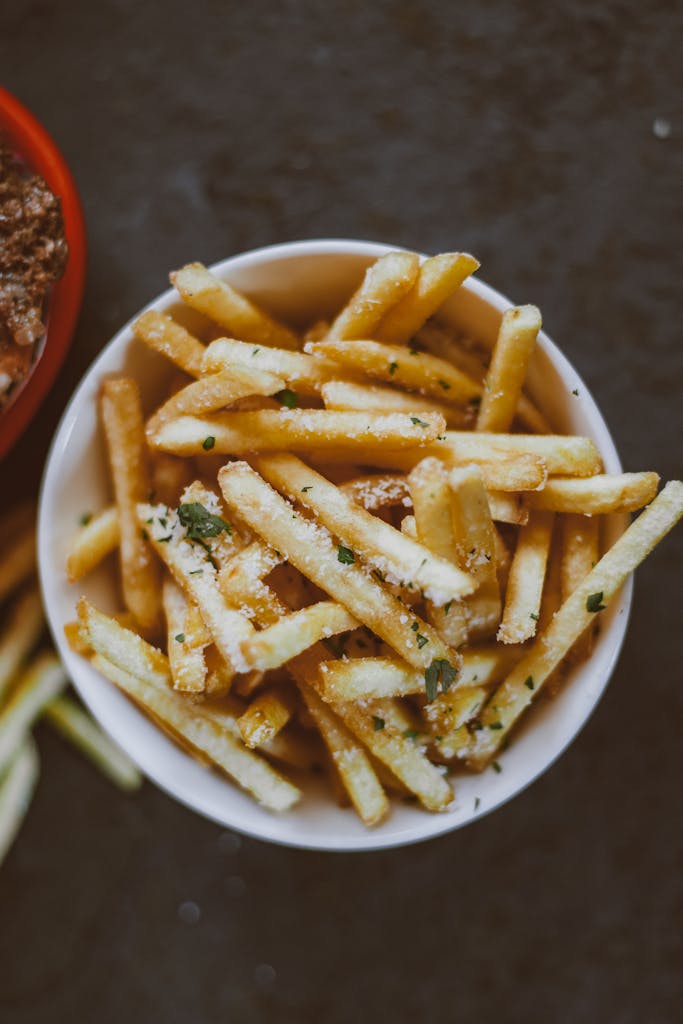
Classic diner fries are usually fried in reused oil, resulting in soggy, greasy, and overly salty fries loaded with trans fats. Repeatedly used oil degrades flavor and increases potential health risks.
Freshly cut fries, baked options, or air-fried variations provide crispiness and a cleaner taste. While fries are a beloved side, many diner versions fall short due to shortcuts and the need for high-speed service. Choosing fries wisely enhances both enjoyment and safety.
Pancakes and Waffles: Frozen Batter Fail
Many diners use pre-mixed or frozen pancake and waffle batter for convenience. The result is often dry, bland, and lacking in flavor. House-made batter yields fluffier pancakes and richer, more aromatic waffles.
For a memorable breakfast, seek diners that make batter from scratch or consider cooking at home. Frozen mixes may save time, but they sacrifice texture, balance of sweetness, and overall satisfaction.
Hot Dogs: Industrialized Proteins
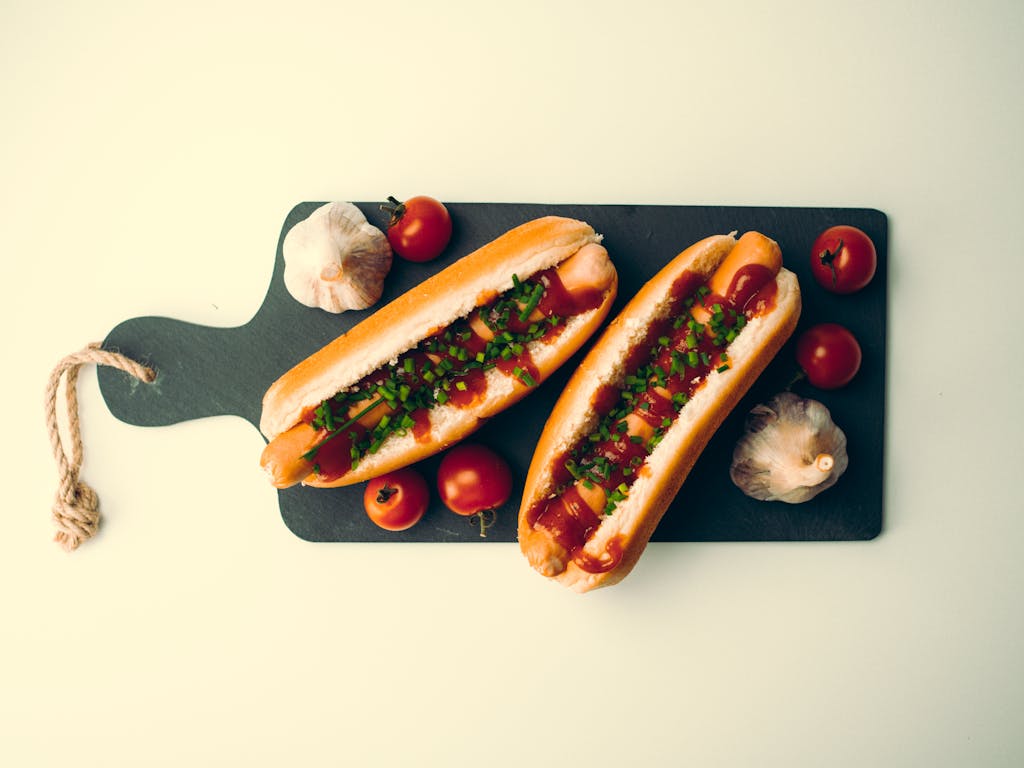
Diner hot dogs are typically processed with fillers, preservatives, and lower-quality meat. While they offer a quick, familiar option, the nutritional and taste value is limited. The flavor is often uniform, and the texture may be rubbery.
For a safer and tastier protein, consider grilled chicken sandwiches, turkey dogs, or other freshly prepared options. Hot dogs may be nostalgic, but quality is often sacrificed for convenience.