Your kidneys work quietly every single day. They clean your blood, remove waste, balance fluids, and help control blood pressure. Most people do not think about them until something feels wrong.
The scary part is that kidney stress does not always make a sound. It can build slowly through small daily habits that seem normal. A salty lunch, too many pain pills, not drinking enough water, or ignoring blood pressure may not feel dangerous at first.
This does not mean you should panic. It means your body deserves attention before small problems turn into bigger ones. Here are seven everyday habits that may quietly put extra stress on your kidneys.
Eating Too Much Salt
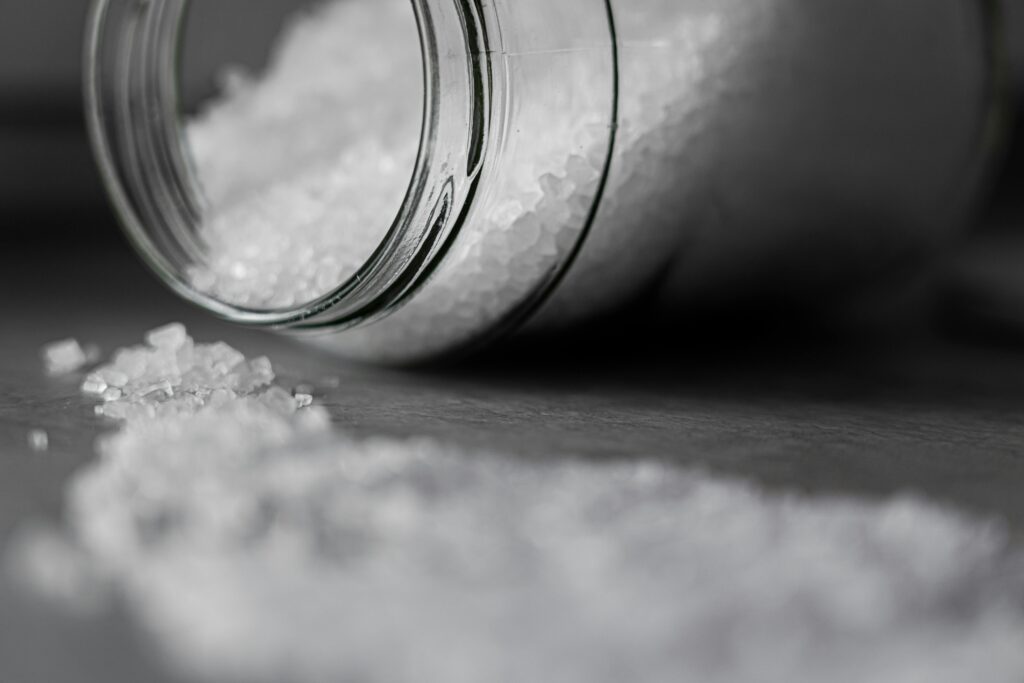
Salt makes food taste better, but too much of it can be hard on your kidneys. When you eat a lot of salty food, your blood pressure can rise. High blood pressure makes the kidneys work harder than they should.
This can happen with chips, canned soups, frozen meals, deli meats, fast food, and salty seasonings. You do not have to stop enjoying food. Try using herbs, garlic, onions, lemon, or mild spices instead of adding extra salt.
Not Drinking Enough Water
Water helps your kidneys remove waste from your body. When you do not drink enough, your urine may become darker, and your kidneys may have to work harder. This can be worse during hot weather, exercise, illness, or long, busy days.
Some people forget to drink water until they feel very thirsty. A simple habit can help: keep a bottle nearby and sip throughout the day. If a doctor has told you to limit fluids because of a health condition, follow that advice first.
Taking Pain Pills Too Often
Many adults take pain medicine for headaches, back pain, joint pain, or body aches. Some common pain relievers can bother the kidneys, especially when used too often or taken while dehydrated. This matters more for people who already have kidney disease, high blood pressure, diabetes, or heart problems.
Pain relief is important, but it should be used wisely. Do not treat pain pills like candy. If you need them often, talk to a doctor or pharmacist about safer options.
Ignoring High Blood Pressure

High blood pressure is one of the biggest threats to kidney health. The problem is that many people cannot feel it. You may look fine, go to work, raise a family, and still have pressure quietly hurting your kidneys.
Checking your blood pressure is a simple way to protect yourself. You can do it at home, at a pharmacy, or during a clinic visit. If your numbers are often high, do not ignore them.
Letting Blood Sugar Stay High
High blood sugar can slowly damage the tiny filters inside the kidneys. This is why diabetes is strongly linked to kidney problems. The damage may happen quietly for years before symptoms appear.
If you have diabetes or prediabetes, your kidneys need extra care. Healthy meals, movement, medication when prescribed, and regular checkups can help protect them. Small daily choices can make a real difference.
Sitting Too Much
Sitting for long hours may seem harmless, but it can affect the whole body. Too much sitting can raise the risk of weight gain, high blood pressure, and blood sugar problems. Those problems can place more stress on the kidneys over time.
You do not need to become a gym expert overnight. Stand up, stretch, walk around the room, take the stairs, or move during TV breaks. Your kidneys benefit when your whole body stays active.
Smoking or Drinking Too Much Alcohol
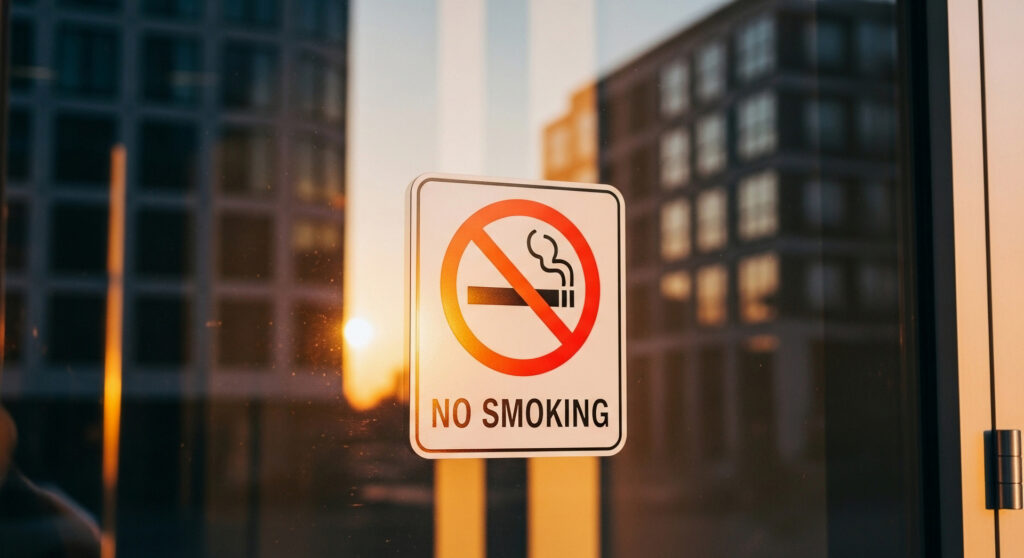
Smoking can harm blood vessels and reduce healthy blood flow. Your kidneys need good blood flow to do their job well. Over time, smoking can increase the risk of health problems that also affect the kidneys. Mixing this with bad food choices can lead to devastating results.
Too much alcohol can also strain the body, raise blood pressure, and lead to poor health choices. Cutting back, getting support, or quitting can help protect more than your kidneys. It can also help your heart, lungs, brain, and energy.
Conclusion
Kidney damage does not always start with sharp pain or a dramatic warning. It can begin with quiet habits that feel ordinary. Too much salt, little water, frequent pain pills, high blood pressure, high blood sugar, sitting too much, smoking, and heavy drinking can all add pressure over time.
The good news is that many of these habits can be changed. Start small. Drink more water, check your blood pressure, move more, eat less salt, and ask a doctor about pain medicine if you use it often.
Your kidneys are silent workers. Treat them with care before they have to fight for your attention.