In today’s world, we are bombarded with sensationalized images of rare and catastrophic events, such as dramatic shark attacks, tornadoes, or terrifying lightning strikes. These events fill our minds with fear and often make us overlook a more alarming reality: the true dangers we face daily.
It’s not the rare, unpredictable threats that are the most deadly; it’s the mundane, common occurrences we often dismiss as harmless. From everyday household items to routine activities, these are the silent killers that are far more likely to cause harm than the exaggerated threats we fear.
While the dramatic dangers are often difficult to ignore due to their high visibility, the everyday hazards fly under the radar and quietly add up over time, leading to far more deaths than we realize. Here’s a deep dive into 10 surprising, everyday dangers that pose far greater threats than the things we instinctively fear.
Heat Waves

Heatwaves are often associated with discomfort, but the truth is, they are a silent and deadly threat. The media frequently covers lightning and tornadoes, but extreme heat kills more people in the U.S. than any other natural disaster.
The Centers for Disease Control and Prevention (CDC) reports that heat-related illnesses cause over 1,600 deaths annually. High temperatures can overwhelm the body’s ability to cool itself, leading to dehydration, heat stroke, and organ failure.
Unlike the suddenness of a lightning strike, heatwaves develop gradually and can remain deadly for days or even weeks, making them harder to recognize until it’s too late. This ongoing danger is exacerbated in urban areas where concrete and asphalt trap heat, making the environment even more dangerous.
Although we have systems like air conditioning to combat extreme temperatures, many people still suffer from heat-related illnesses because they fail to recognize the severity of heat risks until it’s too late. The body’s inability to cool down effectively leads to fatal consequences, especially for vulnerable groups like the elderly, children, and those with pre-existing medical conditions.
The Beach’s Hidden Danger
While the sight of a shark fin gliding through the water is enough to send anyone into a panic, the real danger lurking beneath the waves is far less visible: rip currents. These powerful, narrow channels of water flow away from the shore at speeds that even Olympic swimmers struggle to match. Yet, they remain largely invisible to the naked eye.
The National Oceanic and Atmospheric Administration (NOAA) reports that rip currents cause an average of over 100 deaths each year in the U.S., while shark attacks result in roughly one fatality every two years. The risk of rip currents is far greater than many realize, as they can quickly sweep swimmers into deeper water and overwhelm even the strongest individuals. The real danger isn’t a predator, but the unpredictable and powerful forces of the ocean.
Swimmers who try to fight rip currents by swimming directly back to shore often make the situation worse, tiring themselves out in the process. The best way to escape is to swim parallel to the shore, not against the current, as this will allow you to get out of the current’s grip and swim back to safety.
Why Cold Kills More Than Tornadoes
When it comes to extreme weather, we often think of tornadoes as the ultimate threat, especially with their violent winds and destructive power. But cold weather, specifically hypothermia, is a far more deadly killer.
The CDC reports over 1,000 cold-related deaths every year, compared to the 75 fatalities caused by tornadoes annually. Hypothermia occurs when the body’s temperature drops below 95°F (35°C), leading to confusion, loss of coordination, and even death if left untreated.
Unlike tornadoes, which are localized and typically come with warning signs, cold weather silently creeps up on you, often taking lives before the danger is fully recognized.
Hypothermia doesn’t just affect those outdoors during a snowstorm; even those who stay inside but lack proper heating are at risk. Elderly individuals, those without adequate shelter, and people living in poorly insulated homes are particularly vulnerable.
Food Poisoning
We often hear about the dangers of carbon monoxide (CO) poisoning, but foodborne illnesses are responsible for far more deaths every year. In fact, foodborne pathogens like Salmonella, E. coli, and Listeria are responsible for approximately 3,000 deaths annually in the U.S., according to CDC estimates.
In comparison, carbon monoxide poisoning leads to only 430 deaths each year. While foodborne illnesses can result from improperly stored or handled food, many of us fail to recognize the potential risks when eating out or preparing meals at home. Simple food safety practices, such as washing hands, cooking meat to the proper temperature, and properly refrigerating perishables, can significantly reduce the risk of foodborne illness.
These illnesses can cause severe dehydration, organ failure, and even death, particularly among the elderly, children, and those with weakened immune systems. But unlike carbon monoxide poisoning, which can be deadly within hours, foodborne illnesses often take days to show symptoms, by which time the damage has already been done.
Binge Drinking

Alcohol, in moderation, is commonly accepted in social settings, but binge drinking remains one of the most dangerous behaviors in the U.S. CDC statistics show that excessive drinking is responsible for more than 95,000 deaths annually, making alcohol-related deaths a far larger public health issue than illicit drug use.
Binge drinking, defined as consuming five or more drinks in a short period, has long-term consequences for health, including liver damage, heart disease, and an increased risk of violent behavior. Yet despite the widespread understanding of its dangers, alcohol consumption is often downplayed due to its cultural and social acceptance.
In comparison, the opioid crisis and drug overdoses, which have been extensively covered in the media, result in far fewer deaths. The problem lies in our collective underestimation of alcohol’s power, which has normalized binge drinking as part of social life. Alcohol abuse is particularly harmful when people drink heavily without realizing how much damage it is causing to their bodies over time.
Deer Kill More People Than Sharks
Sharks, despite their terrifying reputation, are not the most dangerous animal to humans. In fact, animals like deer, whose unpredictability while crossing roads leads to vehicle collisions, are more deadly. The Insurance Institute for Highway Safety reports that over 235 people die annually due to animal-related accidents, primarily from deer. In comparison, sharks cause just one fatality every two years in the U.S.
While deer may seem harmless, their presence on highways, especially at dusk and dawn, poses a serious threat. Drivers often don’t see deer until it’s too late to react, leading to fatal crashes.
Sharks may remain a fixture of our fears, but deer are far more likely to cause harm on U.S. roadways. The same goes for other wildlife, such as moose, which can cause catastrophic accidents when they unexpectedly cross in front of vehicles.
Falls Are More Dangerous Than Roller Coasters
When we think about death-defying rides, roller coasters often come to mind. Their high speeds, steep drops, and intense thrills make them seem like a prime candidate for danger.
And while roller coasters are indeed thrilling, the statistics tell a different story: falls from everyday places like stairs, ladders, and even your bed are far more dangerous. According to the CDC, more than 48,000 people in the U.S. die from falls every year, making it the leading cause of injury-related deaths.
Falls are particularly dangerous for the elderly, but they can affect anyone at any time. Whether it’s tripping over a rug, losing your balance while carrying groceries, or slipping on wet floors, falls can lead to serious injuries like broken bones, concussions, or even death.
In contrast, roller coaster fatalities are rare, with only four deaths attributed to these rides in the U.S. each year. Despite the thrills and the adrenaline rush, it’s the quiet, unnoticed fall that poses a much higher risk to our health.
Bee and Wasp Stings
Spiders often evoke fear due to their venomous bites, but in terms of actual fatalities, bee and wasp stings are much more dangerous. In the U.S., bee, wasp, and hornet stings lead to approximately 72 deaths each year.
The majority of these deaths are the result of severe allergic reactions known as anaphylaxis, which can cause a person to go into shock, experience difficulty breathing, and die without immediate medical intervention. In comparison, the number of deaths from spider bites in the U.S. averages fewer than 3 per year.
The real threat from stinging insects lies in the allergic reaction that can occur almost instantaneously. A single sting can trigger an anaphylactic shock in individuals who are allergic to the venom, and in some cases, even people who have never had a reaction before may be suddenly affected. These stings are often unexpected, making them even more dangerous.
Ladder Accidents

Ladders are a common tool used in both homes and workplaces, but they are also a surprisingly frequent source of fatal accidents. The CDC’s National Institute for Occupational Safety and Health (NIOSH) reports that 161 people died from ladder-related accidents in 2020.
While we may fear an alligator attack when visiting places like Florida, ladder falls are far more likely to cause harm. Alligator attacks in Florida have averaged just one fatality annually since 1948.
Ladders can seem deceptively safe because they are so familiar, but improper usage, such as standing on the top rung, overreaching, or using a ladder that is not properly secured, can quickly lead to disastrous falls. The risk of a ladder accident is particularly high in the home when people try to reach high places like shelves or ceilings without securing the ladder or maintaining proper balance.
Drowning
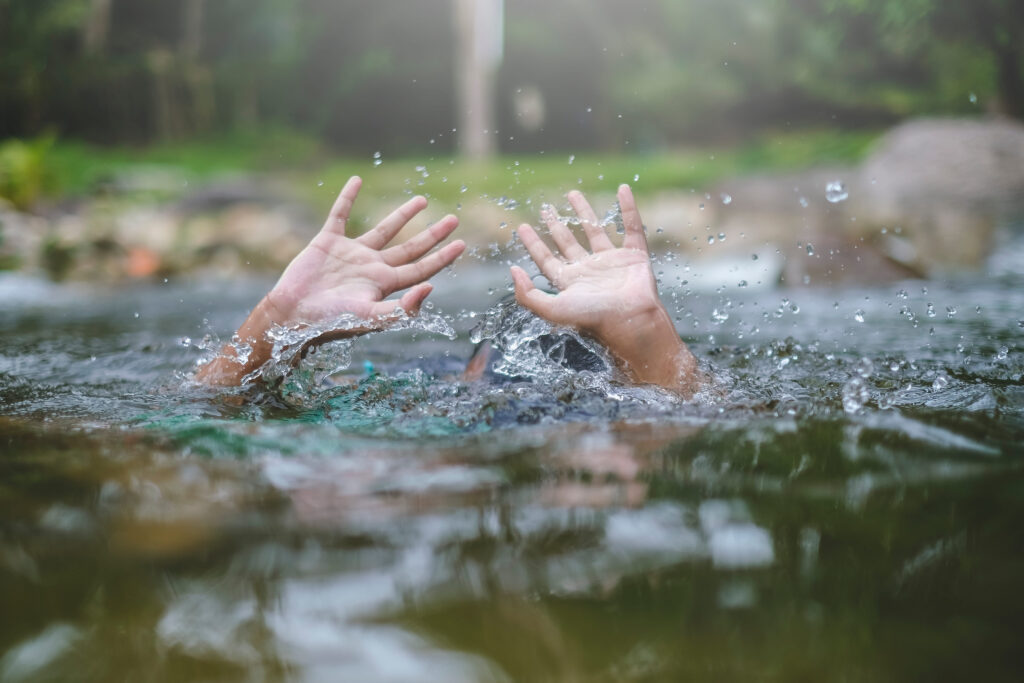
Drowning is one of the leading causes of unintentional injury-related deaths, claiming over 4,000 lives annually in the United States. Whether in a swimming pool, lake, or even a bathtub, drowning can happen quickly and silently, often without anyone noticing until it’s too late.
In comparison, alligator attacks in Florida have caused just 32 fatalities since 1948. The disparity is stark: water, one of the most common and accessible elements in our daily lives, presents a far greater risk than the alligator, an apex predator.
The risk of drowning is especially high among young children, but it can happen to anyone. Drowning is often a quiet event, with the victim unable to make noise due to airway blockage. It can happen in an instant, often in environments where we feel safe, like home pools or even while bathing. As such, drowning is frequently underreported as a major cause of death, overshadowed by other, more visible causes.