Most people do not need another complicated diet plan. They need meals that do not leave them hungry an hour later, snacks that do not turn into a sugar crash, and foods that actually work harder on the plate. That is where high-fiber, high-protein foods quietly save the day.
Fiber helps keep digestion steady and supports fullness, while protein helps maintain muscle, energy, and satisfaction after meals. When a food gives you both, it becomes a smarter choice for breakfast, lunch, dinner, and even lazy snack moments. These are the foods many people overlook, even though they can make everyday eating feel easier and more filling.
Nuts
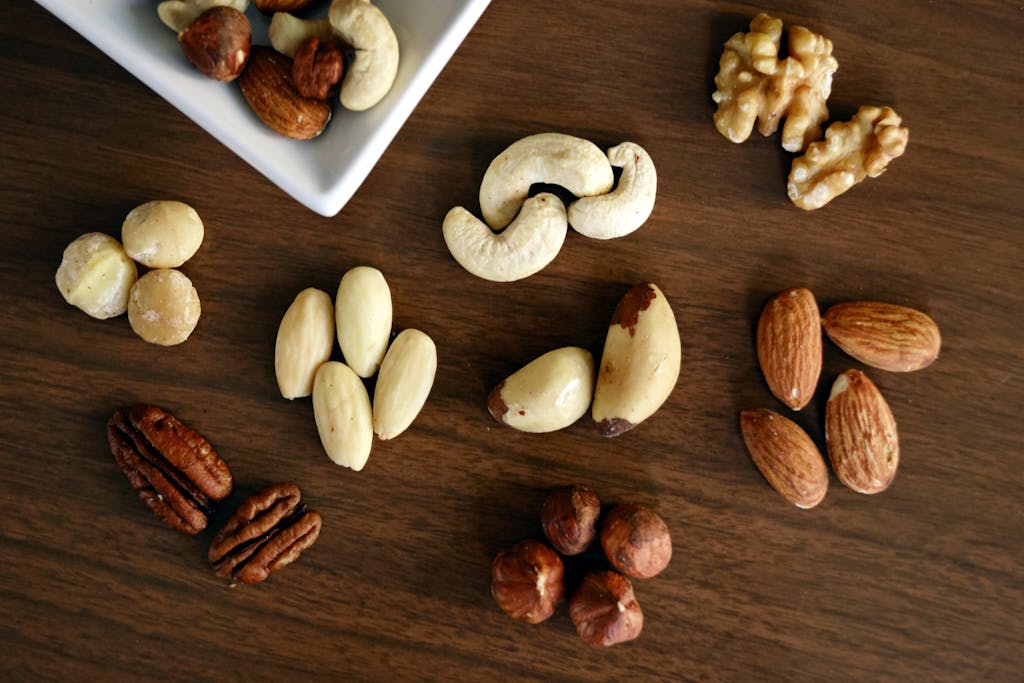
Nuts are small, but they do not play small in nutrition. Almonds, pistachios, walnuts, cashews, and peanuts bring a strong mix of protein, fiber, and healthy fats that can help keep hunger from shouting between meals. The mistake many people make is treating nuts like a mindless snack instead of a powerful food, because a handful can go a long way.
They work well in oatmeal, yogurt, salads, trail mix, and homemade energy bites. Pistachios and almonds are especially useful when you want crunch without reaching for chips. Just keep portions reasonable, because nuts are nutrient-dense and easy to overeat during a Netflix marathon.
Lentils
Lentils are one of the most underrated foods in the kitchen. They are cheap, filling, easy to cook, and packed with the kind of fiber and protein that makes a meal feel complete. If your lunch always leaves you hunting for snacks by 3 p.m., lentils might be the missing piece.
They work beautifully in soups, stews, salads, curries, and veggie bowls. Red lentils cook quickly, green lentils hold their shape better, and black lentils look fancy enough to make a simple dinner feel intentional. They are also a great meatless option for anyone trying to spend less without eating sad, boring meals.
Whole Wheat Bread
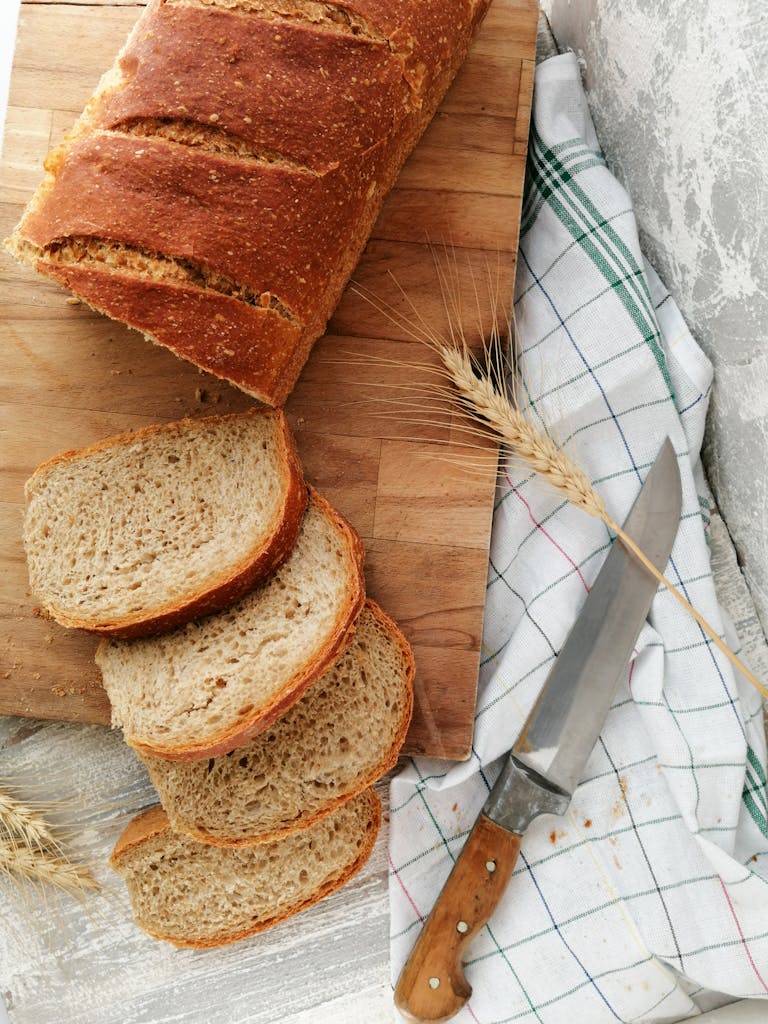
Bread gets blamed for almost everything, but the real issue is usually the type of bread people choose. Whole wheat bread can offer fiber and protein, especially when it includes seeds, oats, or whole grains. The problem starts when people grab soft white bread and expect it to keep them full for hours.
A better slice can turn a simple sandwich into a more satisfying meal. Pair it with eggs, avocado, tuna, peanut butter, hummus, or turkey for more staying power. The goal is not to fear bread, but to choose bread that brings something useful to the table.
Seeds
Seeds are tiny nutritional troublemakers in the best way. Chia, flax, hemp, pumpkin, sunflower, and sesame seeds can add fiber, protein, minerals, and texture to meals without much effort. Many people ignore them because they look too small to matter, but they can quietly upgrade almost anything.
Chia seeds work well in pudding, smoothies, and overnight oats. Pumpkin seeds add crunch to salads, soups, and roasted vegetables. Flaxseed is easy to mix into pancake batter, oatmeal, or yogurt, but ground flaxseed is usually easier for the body to use than whole seeds.
Beans
Beans are the food people should stop treating like a boring backup plan. Black beans, kidney beans, navy beans, pinto beans, chickpeas, and soybeans offer a strong combination of fiber and protein. They are also budget-friendly, shelf-stable, and flexible enough for dozens of meals.
Use beans in tacos, rice bowls, soups, pasta dishes, dips, and salads. Chickpeas can be used to make hummus, roasted snacks, or a hearty salad topping. If canned beans make you feel bloated, rinse them well and start with smaller portions until your digestion adjusts.
Brown Rice
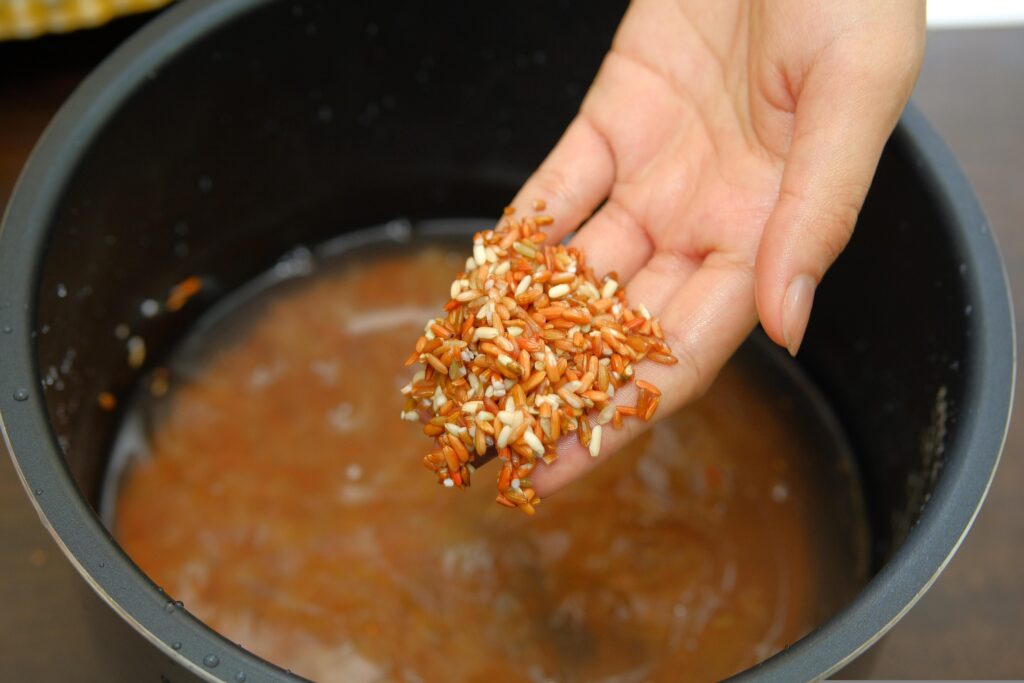
Brown rice may not look exciting, but it earns its place in a balanced meal. Compared with white rice, it keeps more of the grain intact, which means more fiber and a fuller texture. It also pairs well with high-protein foods, making it a useful base for everyday meals.
Use brown rice in burrito bowls, stir-fries, stuffed peppers, soups, or meal-prep containers. It works especially well with beans, lentils, tofu, chicken, fish, or eggs. The secret is seasoning it properly, because plain brown rice without flavor can feel like edible homework.
Peas
Peas are often pushed to the side of the plate like a childhood punishment, but they deserve better. They provide fiber, plant-based protein, and a naturally sweet flavor that works in more meals than people realize. They are also easy to keep in the freezer, which makes them a reliable emergency vegetable.
Add peas to pasta, fried rice, soups, casseroles, and salads. You can blend them into pesto, mash them with herbs, or stir them into scrambled eggs for a quick boost. They are simple, affordable, and much more useful than their reputation suggests.
Dark Leafy Greens
Dark leafy greens are usually praised for vitamins, but they also contribute fiber and small amounts of protein. Kale, spinach, Swiss chard, collards, and mustard greens can help bulk up meals without making them heavy. The mistake is treating them as decoration rather than incorporating them into the dish.
Cooked greens shrink down fast, so you can eat more of them than you think. Add them to omelets, soups, pasta, rice bowls, smoothies, and stir-fries. A little garlic, olive oil, lemon juice, or chili flakes can turn them from “healthy obligation” into something you actually want to eat.
Quinoa
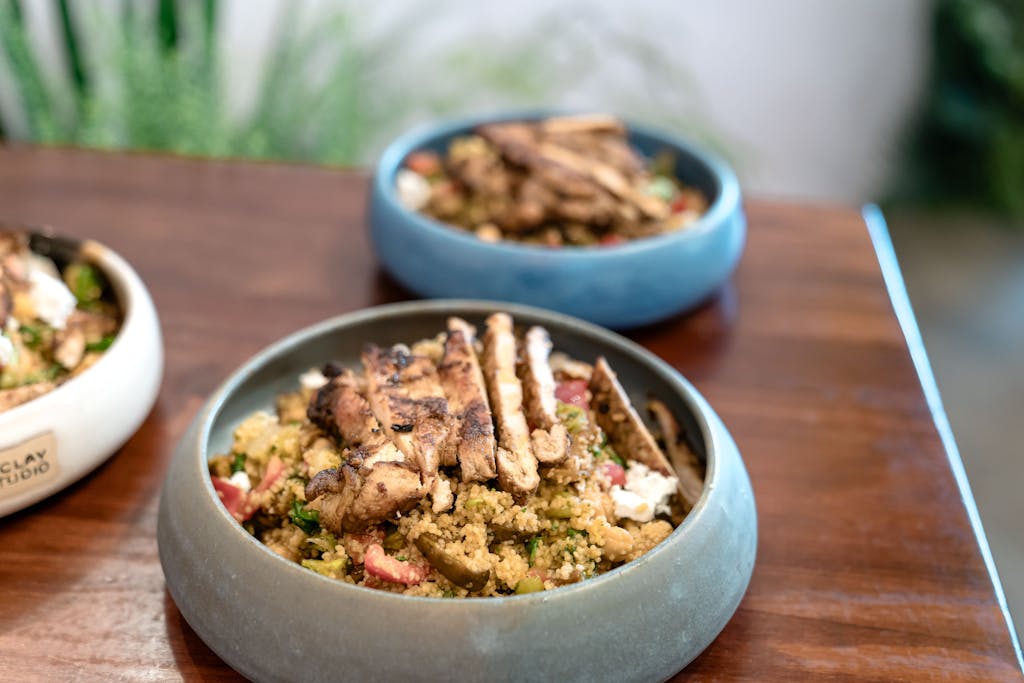
Quinoa is often treated like a trendy health food, but it has earned its place. It brings fiber, protein, and a fluffy texture that works as a base for warm or cold meals. It is especially helpful for people who want something grain-like but more filling than plain rice.
Use quinoa in salads, bowls, soups, stuffed vegetables, or breakfast porridge. It pairs well with roasted vegetables, beans, chicken, salmon, tofu, or avocado. Rinse it before cooking to reduce bitterness, because nobody wants a healthy meal that tastes like regret.
Broccoli
Broccoli is not glamorous, but it is one of the most useful vegetables you can keep around. It brings fiber, plant-based protein, and a hearty texture that makes meals feel more complete. People often ruin it by boiling it into sadness, then blaming the vegetable.
Roast broccoli with olive oil, garlic, pepper, and a little lemon for a better flavor. Add it to stir-fries, pasta, grain bowls, egg dishes, and soups. When cooked well, broccoli becomes filling, flavorful, and far less boring than its reputation.
Avocado

Avocado is best known for its healthy fats, but it also adds fiber and a little protein. That combination makes it more satisfying than many spreads, toppings, or creamy add-ons. The danger is treating avocado like magic while ignoring the rest of the meal.
Add avocado to toast, salads, tacos, grain bowls, smoothies, and sandwiches. Pair it with eggs, beans, tuna, chicken, or whole-grain bread to make the meal stronger. It gives food a creamy texture without needing heavy sauces, which is why it keeps showing up everywhere from brunch plates to meal-prep bowls.
Conclusion
High-fiber, high-protein foods do not need to be fancy, expensive, or hard to find. Many of the best options are already sitting in grocery aisles that people walk past every week. Nuts, lentils, beans, seeds, whole grains, greens, broccoli, peas, quinoa, and avocado can make meals more filling without turning eating into a full-time job.
The real win is simple. Build meals with foods that help you stay satisfied, support digestion, and give your body steady fuel. When your plate does more work, your cravings do not have to work so hard.